Agricultural Well Service in Beaumont
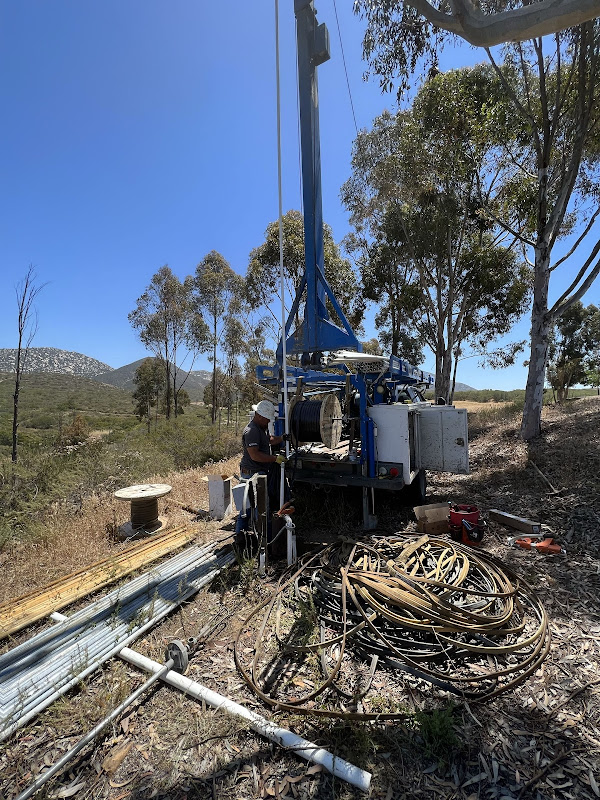
Southern California Well Service provides complete agricultural well services to Beaumont farmers, ranchers, and growers. From irrigation wells to livestock watering systems, we have the expertise and equipment to keep your operation running.
📋 In This Guide
Need Agricultural Well Service in Beaumont?
We serve Beaumont and all of Riverside County. Licensed C-57 contractor (CSLB #1086994), founded 2020.
Call: (760) 440-8520Our Agricultural Well Services
- Agricultural well drilling
- Irrigation well installation
- High-capacity pump systems
- Variable frequency drives (VFDs)
- Well rehabilitation for increased yield
- Water quality testing for crops
- Livestock watering systems
- 24/7 emergency agricultural service
Cherry Country: Agriculture in Beaumont and the San Gorgonio Pass
Beaumont sits high in the San Gorgonio Pass of Riverside County, the gateway between the inland valleys and the Coachella Valley desert, at an elevation that gives it cooler nights and a distinct growing climate. That climate built one of Southern California's most beloved agricultural traditions: cherries. The adjacent community of Cherry Valley and the slopes around Beaumont have grown cherries since the early twentieth century, and at the peak there were dozens of orchards drawing visitors to U-pick rows each June for the cherry harvest and the annual Cherry Festival. While urban growth has reduced the orchard acreage, working cherry orchards, apple and stone-fruit plantings, vineyards, and rural horse and hobby farms remain — and like cherry growers everywhere in this dry region, they depend on groundwater to carry their trees through the long, rainless summer.
The geology of the San Gorgonio Pass is complex and active — this is the country of the San Andreas fault system, where the Peninsular and Transverse Ranges meet. Beneath the pass and the Beaumont area lie alluvial sediments washed down from the surrounding mountains, underlain and interrupted by fractured crystalline bedrock and cut by fault structures that can compartmentalize groundwater. The result is that well depth and yield vary significantly across the area, and faults can act as both barriers and conduits to groundwater. Local experience with how water moves through this fractured, faulted ground is genuinely valuable when siting and completing a Beaumont well.
What an Orchard Well Needs in the Pass
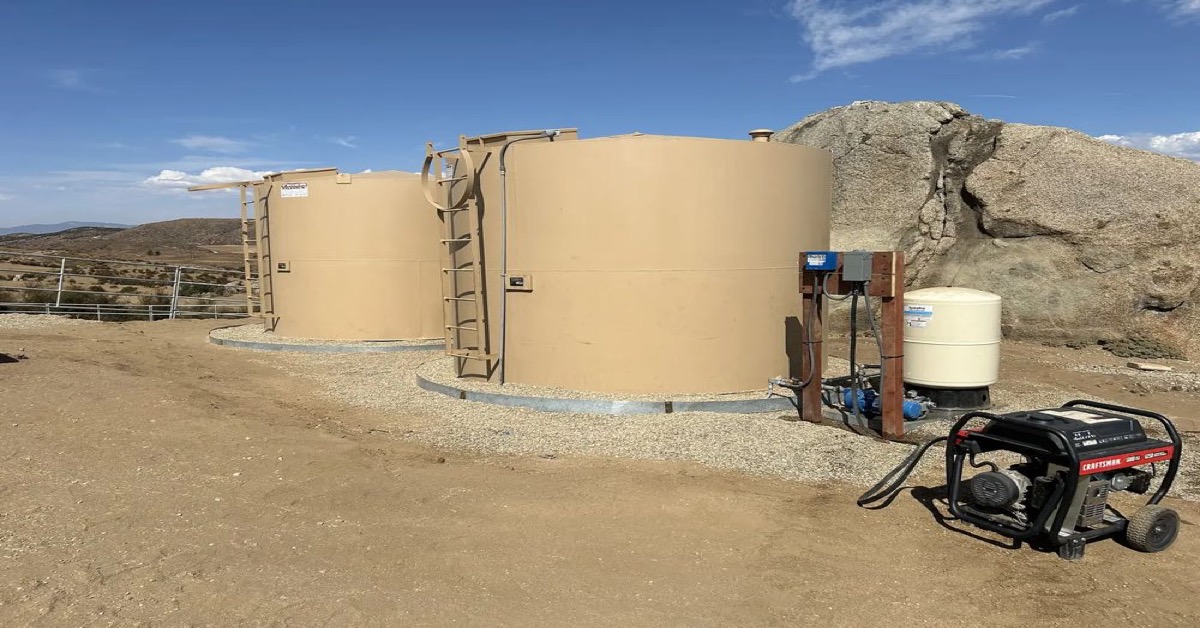
Cherries and other tree fruit do not demand the huge instantaneous flow of a flood-irrigated field, but they need steady, reliable, clean water delivered precisely — especially during the critical weeks of fruit development and sizing before harvest, when water stress directly damages the crop. We size Beaumont agricultural pumps to the well's tested yield, with drip and micro-sprinkler systems running efficiently on moderate, consistent flow. Where a well produces a modest but dependable yield from the alluvium or bedrock, storage becomes important: a tank lets the well run steadily and deliver the higher flow an orchard needs during each irrigation set.
A complete Beaumont orchard or vineyard system pairs a properly sized submersible pump with sediment filtration to protect emitters, a pressure tank or storage-and-booster arrangement matched to the often-sloping terrain, and controls — frequently a variable frequency drive — to hold steady pressure across blocks at different elevations. Frost is a real consideration in this higher, cooler pass, and some orchards use water for frost protection in spring; where that is part of the plan, the well and delivery system must be sized to support it. As always, we test water quality before designing, since minerals and salinity affect tree health over the long life of an orchard.
- Precise delivery: steady, clean water for the critical fruit-sizing weeks before harvest.
- Storage: tanks that let a modest well meet an orchard's daily irrigation window.
- Terrain-aware pumping: pumps and boosters sized for sloping pass parcels, with VFDs for even pressure.
- Frost and quality: capacity for frost protection where needed, and water testing for long-lived trees.
Common Well Problems Around Beaumont
Variable and sometimes declining yield is the issue we see most in the pass, a direct consequence of the faulted, fractured geology. A well that taps a productive fracture or a well-recharged pocket performs beautifully; one that does not can fall short in a dry year. Testing reveals whether a slowing Beaumont well is plugged, drawn down, or simply at the limit of its source, and the answer determines whether rehabilitation, storage, lowering the pump, or deepening is the right move.
Scale and bacterial buildup on the screen are the second common problem, gradually choking flow on alluvial wells and reversible through rehabilitation. Sediment from weathered rock and alluvial fines wears pumps and clogs the fine emitters orchards rely on. And pressure problems — a waterlogged tank, a failing pump, a bad check valve — show up quickly on sloped orchard ground as uneven irrigation between high and low blocks. Catching these before the spring-to-harvest stretch, when the crop cannot tolerate interruption, is the difference between a minor service call and a lost season.
Maintenance Checklist for Beaumont Growers
- Track flow and water level, especially on fractured or fault-influenced wells whose yield can shift.
- Service sediment filters and flush drip lines before the spring irrigation ramp-up.
- Check pressure across upslope and downslope blocks; imbalance points to a pump or tank issue.
- Inspect the system well ahead of the fruit-sizing season — interruptions then are costly.
- Test water quality periodically for the minerals and salts that affect long-lived trees.
When to Call a Professional
Variable or falling yield, uneven orchard pressure, sediment in the line, repeated motor trips, or a well that quits all call for a licensed contractor — and in the San Gorgonio Pass, diagnosing a fault-influenced well takes real experience and proper testing. As a licensed C-57 contractor with founded in 2020 working Riverside County ground, we understand the pass's fractured, faulted hydrogeology, carry the rig and instruments the work requires, and design fixes that protect both the crop and the well for the long term.
What It Costs in Beaumont
Pump replacement typically runs $2,500 to $5,500, with deeper or higher-capacity installations higher. A pressure tank runs $600 to $1,500, and sediment filtration $300 to $900. A new turnkey well generally falls between $18,000 and $42,000 depending on depth and completion — fractured, faulted ground can vary widely — while high-capacity systems run above that. Our diagnostic visit is $125, credited toward any work performed, so you get a tested, honest assessment first.
Serving Beaumont, Cherry Valley, and the San Gorgonio Pass
From our Ramona and Anza offices, our crews serve Beaumont, Cherry Valley, Banning, Calimesa, and the orchard and rural country across the San Gorgonio Pass. We understand the area's faulted, fractured geology, the precise irrigation that cherries and other tree fruit demand, and the cooler, higher climate that shapes growing here. From a heritage cherry orchard to a hillside vineyard, our C-57 license (CSLB #1086994) reflects careful, knowledgeable work.
Preserving a Heritage Orchard's Water Supply
Some of the cherry orchards around Beaumont and Cherry Valley have been in the same families for generations, and the wells that water them are often nearly as old. A heritage orchard well deserves a careful, conservative approach rather than a quick replacement. Many of these older wells were drilled when the water table sat higher and the orchard was younger, and decades of pumping mineral-bearing groundwater have gradually narrowed the screen openings with scale and bacterial growth. The well frequently has more life in it than the owner suspects — what it needs is rehabilitation, not retirement.
When we evaluate an older orchard well in the pass, we start with a downhole assessment and a measurement of the actual water level, then weigh rehabilitation against the cost and disruption of drilling new. Mechanical surging and brushing, chemical or acid treatment, and redevelopment can restore much of a tired well's lost capacity, and lowering or upgrading the pump can adapt an existing well to a modestly lower water level. Replacing an irreplaceable producing well should always be the last resort, especially on a parcel where the geology means a new borehole carries real uncertainty. Protecting the water supply a mature orchard already depends on is, in our experience, almost always the wiser investment.
Beaumont Agricultural Well FAQ
Why does well yield vary so much around Beaumont?
The San Gorgonio Pass is faulted and fractured, and faults can compartmentalize groundwater. One parcel may tap a productive fracture while a neighbor does not, so siting and testing by someone who knows the local geology matter a great deal.
Can a well support frost protection for cherries?
It can, but only if sized for it. Frost protection demands significant flow, so we design the well and delivery system around that need when it is part of the orchard plan.
My orchard well is slowing down — what are my options?
We test to determine whether it is scale, a falling level, or the limit of the source, then choose among rehabilitation, added storage, lowering the pump, or deepening based on the data.
Why is my orchard getting uneven water?
On sloped pass parcels, uneven irrigation usually traces to a pressure problem — a pump, tank, or control issue — that micro-irrigation across elevations reveals quickly. We diagnose and balance it.
Is well water suitable for tree fruit and grapes?
Usually, with attention to chemistry. We test for minerals and salinity before designing the system and recommend treatment where needed, since water quality affects trees over their long life.
Do you offer emergency service in Beaumont?
Yes, same-day emergency service when our schedule allows — important during the fruit-sizing season. Call (760) 440-8520 or text (760) 219-5877.
Expert Well Service for Beaumont's Orchards
New wells, pump and storage systems, frost-protection capacity, and rehabilitation for the San Gorgonio Pass. Diagnostic visits credited toward your repair.
Call (760) 440-8520Our Locations
Related Articles
Continue learning about well maintenance and troubleshooting