
Agricultural Well Service in Helendale
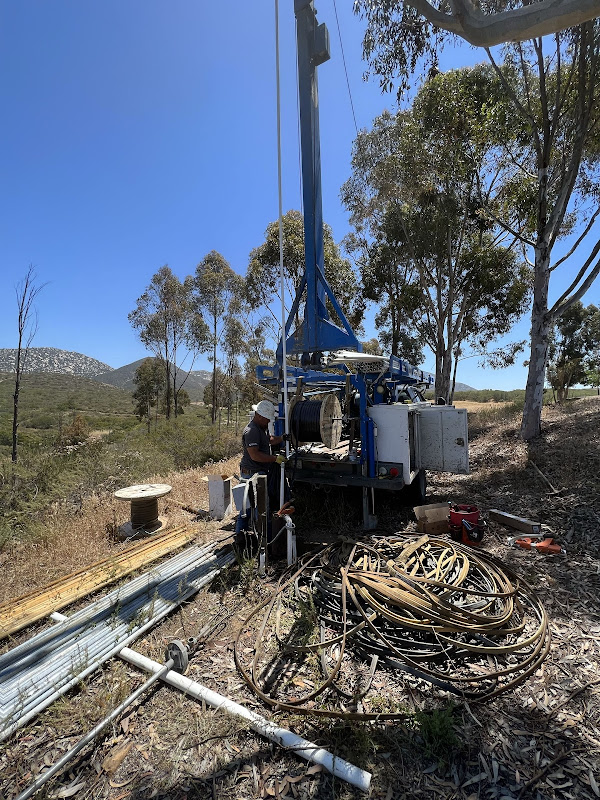
Southern California Well Service provides complete agricultural well services to Helendale farmers, ranchers, and growers. From irrigation wells to livestock watering systems, we have the expertise and equipment to keep your operation running.
Irrigation and Livestock Wells in Helendale, California
Helendale sits in the high desert of San Bernardino County, strung along the Mojave River corridor between Victorville and Barstow off Route 66 and National Trails Highway. This is ranch and rural-residential country, where Silver Lakes, Wild Wash, and the surrounding alfalfa fields, horse properties, and small livestock operations all depend on groundwater pulled from the Mojave River alluvial basin. There is no reliable surface water and no municipal irrigation supply out here, so when a farm or ranch needs water for pasture, troughs, orchards, or a hay crop, that water comes from a private agricultural well. At Southern California Well Service, a licensed C-57 contractor with more than 30 years of high-desert experience, we drill, repair, and maintain those wells across Helendale and the wider Mojave River Valley.
Desert agriculture is unforgiving of an undersized or failing well. A single hot week with a dead pump can stress a pasture, dry out a young stand of alfalfa, or leave livestock without water. Because Helendale producers cannot simply turn on a backup supply, the reliability of the well and pump is the reliability of the whole operation. That is why ag wells in this area are built and serviced differently than a small domestic well, and why it pays to work with a crew that understands Mojave River basin geology rather than a general handyman.
How an Agricultural Well System Works
An irrigation or livestock well is more than a hole and a pump. A complete agricultural system in Helendale typically includes the drilled and cased borehole, a submersible pump sized to the well's tested yield, drop pipe and wiring, a control box or variable frequency drive (VFD), pressure or storage tanks, and the distribution piping that carries water to fields, sprinklers, drip lines, or stock tanks. Each component has to be matched to the others. Oversize the pump and you draw the water level down faster than the aquifer can recharge, pulling in sand and air and burning out the motor; undersize it and you never get the gallons per minute (GPM) the crop or herd needs.
In the high desert, where static water levels can sit well below the surface, ag pumps are sized for significant lift and sustained run times. Many Helendale operations run anywhere from 15 to 50 GPM out of alluvial or weathered-rock aquifers, though larger alfalfa and hay parcels may demand more. Storage tanks are common here: rather than asking the pump to meet peak irrigation demand instantly, the pump fills a tank during off-peak hours and a separate booster system pressurizes the lines when it is time to irrigate. This protects the well from being overdrawn and lets growers irrigate during cooler parts of the day to cut evaporation losses.
Constant-pressure and VFD systems have become popular on Helendale ranches because they ramp pump output up and down to match demand instead of cycling hard on and off. That reduces water-hammer stress on pipes, smooths out pressure across long desert runs to distant fields, and extends the life of the motor. For remote parcels far from grid power, solar-driven pump systems are a practical option for filling stock tanks and low-pressure irrigation.
Common Well Problems on Helendale Farms and Ranches
After three decades in the Mojave high desert, we see the same handful of issues come up again and again on agricultural wells around Helendale:
- Declining yield and drawdown. A well that once delivered plenty of water starts dropping pressure mid-irrigation or pumping sand. In the Mojave basin this often reflects a falling water table during dry years, mineral scaling on the screen, or a pump set too high for the current static level.
- Sand and sediment. Alluvial desert aquifers carry fine sand. Sediment wears pump impellers, clogs drip emitters and sprinkler nozzles, and fouls pressure tanks. A worn screen or an overdriven pump makes it worse.
- Hard water and mineral scale. High-desert groundwater is typically hard, with calcium, iron, and manganese that scale up pipes, stain equipment, and plug irrigation lines over time.
- Pump and motor failure. Ag pumps run long hours in summer. Heat, sediment, voltage problems on rural power, and simple age eventually take a submersible motor offline, usually at the worst possible time.
- Pressure tank and switch failures. A waterlogged tank or a worn pressure switch causes rapid cycling that burns out the pump and leaves irrigation pressure inconsistent.
- Worn or undersized infrastructure. As a parcel adds acreage, livestock, or a new orchard, a well and pump that were adequate years ago can no longer keep up.
What to Check Before You Call
If your Helendale well is acting up, a few quick checks can help you describe the problem and sometimes resolve it:
- Power and breakers. Confirm the well breaker has not tripped and the control box or VFD has power. Rural high-desert circuits trip in heat and during voltage swings.
- Pressure gauge behavior. Watch the gauge during a cycle. Pressure that builds slowly, will not reach cutoff, or swings wildly points to pump wear, a tank problem, or a leak.
- Pressure tank air charge. A tank that feels heavy and full of water, or a pump that short-cycles every few seconds, usually means a failed bladder or lost air charge.
- Water clarity. Note whether the water is cloudy, sandy, or staining. Sediment and discoloration tell us a lot about screen condition and pump setting.
- Visible leaks. Walk the lines from the wellhead to your fields and tanks. Desert pipe runs are long, and a break can mimic a failing pump.
Never pull a submersible pump or open an electrical control box yourself on a high-capacity ag well. The pumps are heavy, the wiring carries serious voltage, and a dropped pump can damage the casing. When the checks above do not solve it, that is the point to bring in a professional.
When to Call a Professional
Call us when you have lost water entirely, when yield has dropped enough to threaten a crop or your livestock, when the water turns sandy or develops a sulfur smell, or when the pump is cycling on and off rapidly. These are signs of pump, tank, or aquifer issues that need diagnostic equipment and the ability to safely pull and reset downhole components. We provide same-day emergency service across Helendale and the Mojave River Valley because we know a desert operation cannot wait days for water. Our diagnostic visit is $125 and is credited toward any repair we perform.
Realistic Agricultural Well Service Costs
Every Helendale property is different, but these ranges give a realistic sense of what common agricultural well work costs in San Bernardino County's high desert:
- Pressure switch replacement: $150 to $350
- Pressure tank replacement: $600 to $1,500
- Submersible pump replacement: $2,500 to $5,500 depending on horsepower and depth
- Sediment filtration: $300 to $900
- Iron, manganese, or hardness treatment / softener: $1,500 to $3,500
- Constant-pressure or booster system: $2,000 to $4,500
- Well hydrofracturing to improve yield: $3,000 to $8,000
- New turnkey agricultural well: $18,000 to $42,000 depending on depth and casing
- Well abandonment / decommissioning: $1,500 to $5,000
Deeper high-desert wells and high-horsepower pumps land toward the upper end of these ranges. We give honest, itemized quotes before any work begins, and our $125 diagnostic fee is credited toward the repair.
Serving Helendale and the Mojave River Valley
From our offices in Ramona and Anza, we serve agricultural well owners throughout Helendale, Silver Lakes, and the surrounding San Bernardino County high desert, including nearby Victorville, Apple Valley, Hesperia, Oro Grande, Adelanto, Barstow, and Lucerne Valley. We understand the Mojave River basin's mix of alluvial sand and deeper weathered rock, the long lift these wells require, and the water-quality realities of desert groundwater. Whether you run a few horses on a Helendale acre or irrigate alfalfa along the river corridor, we size and service systems for the way water actually behaves out here.
Related Agricultural Well Resources
- Agricultural Well Guide
- Ranch Water Well Systems: Complete Guide
- Agricultural Water Rights in California
- Agricultural Well Service in Hesperia
- Average Well Depth Data for Helendale
Frequently Asked Questions
How many gallons per minute does an irrigation well in Helendale need?
It depends on what you are irrigating. A few horses and a small pasture may be served well by 10 to 20 GPM, while larger alfalfa or hay operations often want 30 to 50 GPM or more. The right target is the well's tested sustainable yield, not the maximum the pump can push, so we run a draw-down test before sizing equipment.
How deep are agricultural wells around Helendale?
High-desert wells in the Mojave River corridor vary widely with terrain and how far the borehole has to go to reach a dependable water-bearing zone. Shallower wells tap alluvial sand near the river drainage, while others go considerably deeper into weathered and crystalline rock. We base depth recommendations on local well records and your parcel's location rather than a single number.
Why is my well pumping sand?
Sand is common in Mojave alluvial aquifers. It usually means a worn or failed well screen, a pump set too low or running too aggressively, or drawdown that is pulling fines into the well. Sediment damages pump impellers and clogs drip and sprinkler systems, so it is worth diagnosing promptly with proper testing.
Should I install a storage tank for my Helendale farm?
In the high desert, storage tanks are often a smart investment. They let a modest pump fill the tank over many hours and then deliver high flow on demand through a booster system, which protects the well from overdraw and lets you irrigate during cooler hours to reduce evaporation. We can design a tank-and-booster setup matched to your acreage.
Do you treat hard water and iron staining on ag wells?
Yes. Desert groundwater is typically hard and often carries iron and manganese that scale pipes and stain equipment. Depending on your water test, we install sediment filtration, iron and manganese treatment, or softening systems, generally in the $300 to $3,500 range, sized to your flow and crop needs.
How fast can you respond to a Helendale well emergency?
We offer same-day emergency service across Helendale and the Mojave River Valley. Because desert operations cannot go without water, lost-water and pump-failure calls are prioritized. Call (760) 440-8520 or text (619) 259-0410 and we will get a crew on the way.
Get Reliable Agricultural Well Service in Helendale
Same-day emergency service. Licensed C-57 contractor, 30+ years in the high desert, 4.9-star rated. Call or text for a free estimate on your irrigation or livestock well.
Call: (760) 440-8520