Best Time of Year to Drill a Well in Southern California
Optimal drilling seasons for San Diego County. Weather considerations, permit timing, and scheduling tips.
📋 In This Guide
Need help? Call us:
(760) 440-8520San Diego County's Drilling Seasons
San Diego's Mediterranean climate creates distinct seasons for well drilling. Our dry season (May-October) offers the most predictable conditions: no rain delays, stable ground, and full access to even remote properties. The water table is at its seasonal low, which actually benefits the drilling process—you know your well can deliver water even in the driest conditions. Late summer and fall (August-November) represent peak drilling season when conditions are optimal and most property owners are thinking about water needs before the next dry summer. Winter and spring drilling is entirely possible—our rainy season is mild compared to northern California—but may involve scheduling around weather windows. SCWS drills wells year-round in San Diego County, adapting our approach to seasonal conditions and specific site requirements.
The Permitting Process and Timeline
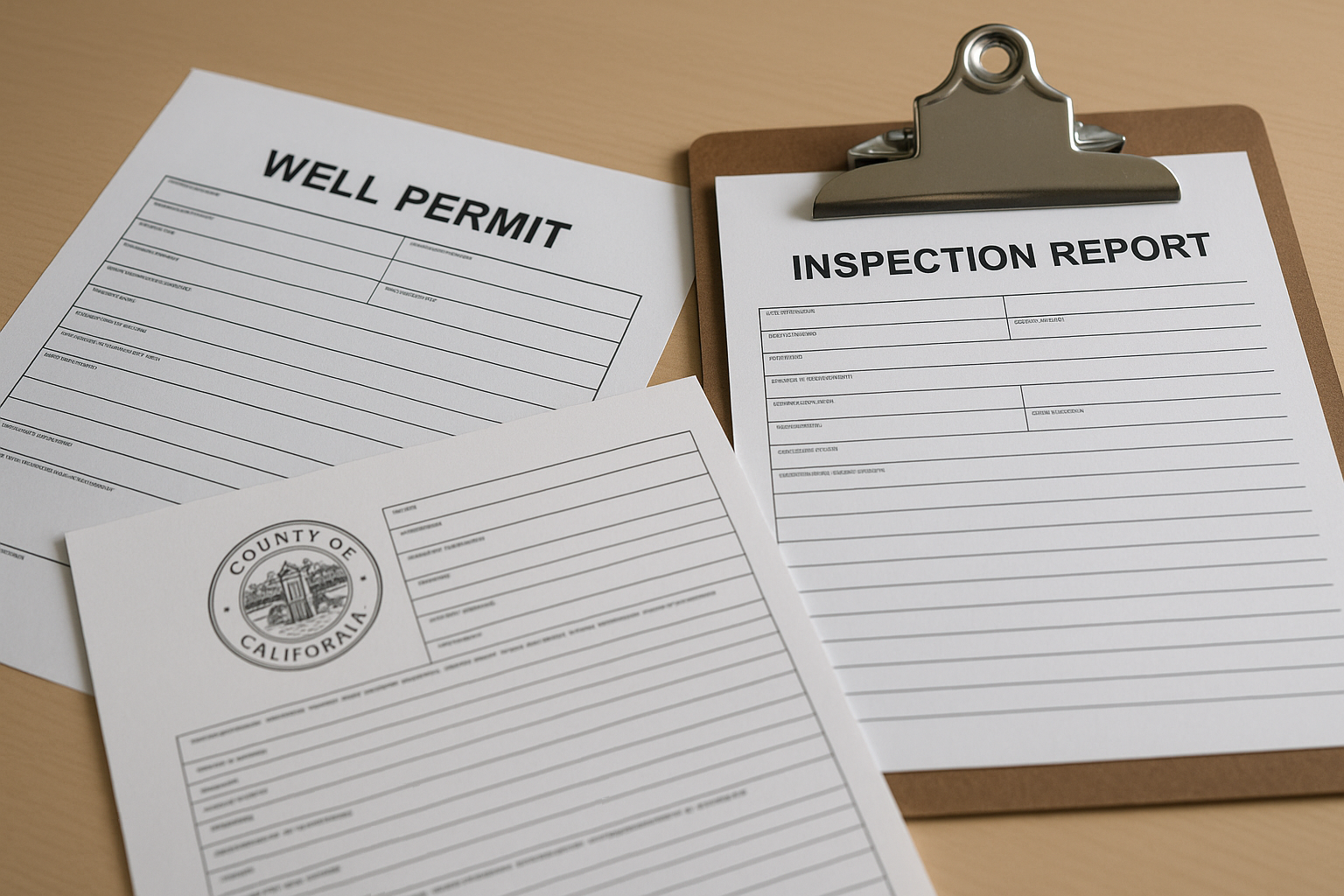
Before any drilling begins, you need a permit from the San Diego County Department of Environmental Health. Start this process early—it often takes longer than expected. Required information includes property address and APN, proposed well location (must meet setback requirements from septic systems, property lines, and other features), intended use, and estimated depth. The county reviews applications for compliance with local regulations, which vary by area. Some locations require additional review—environmentally sensitive areas, properties near contamination sites, or locations within certain water districts may have additional requirements. Permit fees vary but typically run $400-800 for residential wells. SCWS has navigated San Diego County permitting for decades and can help ensure your application is complete and compliant, avoiding delays from incomplete submissions.
Site Preparation and Access Requirements
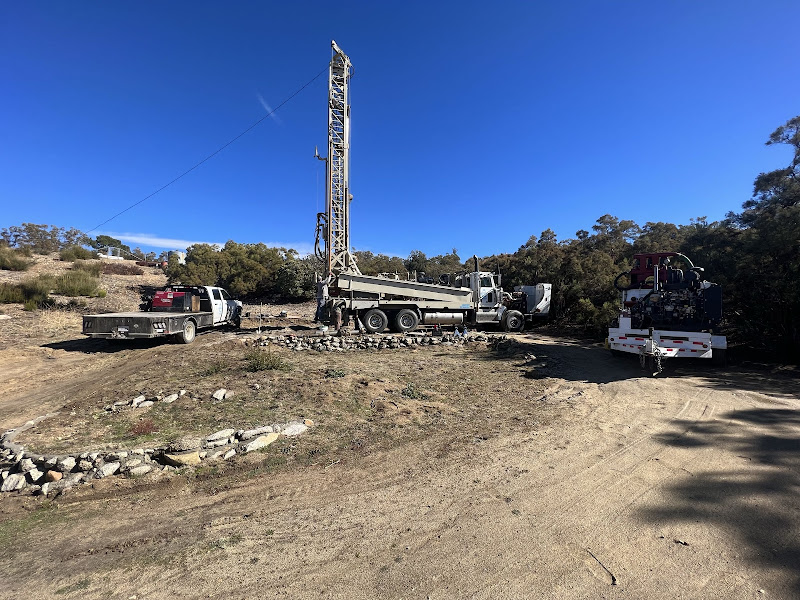
Drilling equipment is large and heavy—a typical truck-mounted rig weighs 40,000+ pounds. Your property must accommodate this equipment. The drill site itself needs roughly 30x40 feet of cleared, level ground. Access roads must handle heavy truck traffic; narrow, steep, or winding roads common in San Diego's backcountry may require improvement or alternative equipment. Overhead clearance for the drilling mast (30+ feet when raised) must be verified. Utilities must be marked. Water for drilling is needed—typically 500-1000 gallons. Seasonal considerations matter: a road passable in summer may become impassable after winter rains. Planning your project for late summer means access is reliable. SCWS conducts site evaluations before scheduling, identifying any access challenges that could affect timing or require preparation.
Weather Considerations and Scheduling Flexibility
Weather directly impacts drilling operations. Rain makes access difficult and can turn drill sites into mud pits. High winds affect safety when the mast is raised. Extreme heat exhausts crews and equipment. San Diego's weather is generally favorable, but winter storms and summer heat waves can cause delays. Properties in the mountains face more weather variability than coastal or urban sites. When scheduling, build in buffer time for weather delays—don't plan critical water needs around a precise drilling date. Conversely, our many pleasant weather days mean delays are usually brief. Some property owners prefer scheduling drilling during winter's slower season, accepting some weather risk in exchange for better availability and sometimes lower rates. SCWS monitors weather forecasts closely and communicates proactively about any schedule impacts.
Planning Your New Well Project
A well is a significant investment—$15,000-50,000+ for a complete residential system in San Diego County. Smart planning maximizes your investment. Start by understanding your water needs: household size, irrigation plans, any livestock or agricultural use. Research your area's typical well depths and yields—neighbors' experiences provide valuable insight, though geology varies even across short distances. Consult with SCWS before committing to property purchase if water is critical—we can review hydrogeological data for your area. Begin permitting early in your planning process. Get multiple quotes but understand the lowest price isn't always the best value; drilling company reputation, equipment quality, and warranty terms matter. Plan for the complete system: well drilling, pump, pressure tank, piping, electrical, and water treatment if needed. SCWS handles turnkey well projects from permit through final inspection.
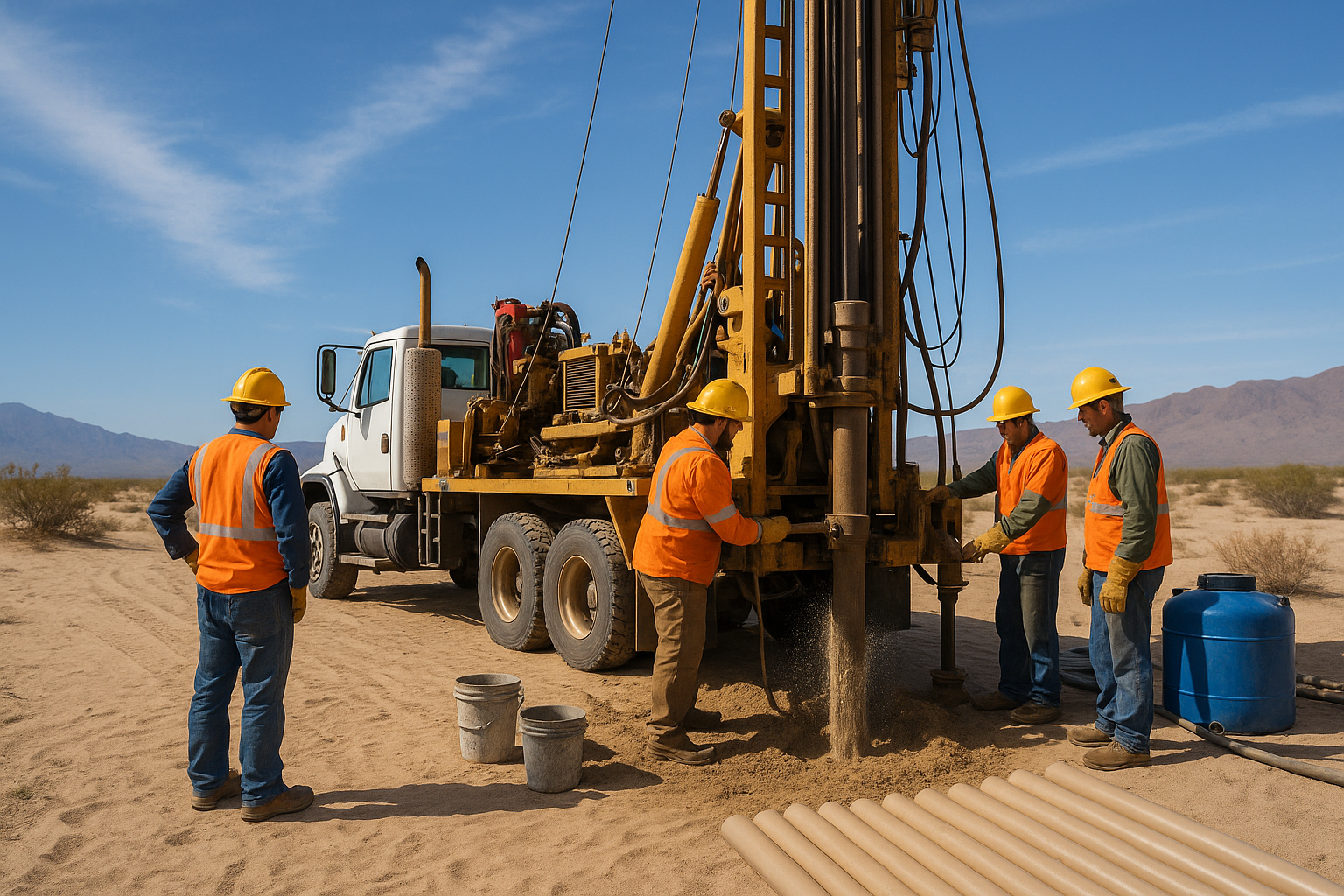
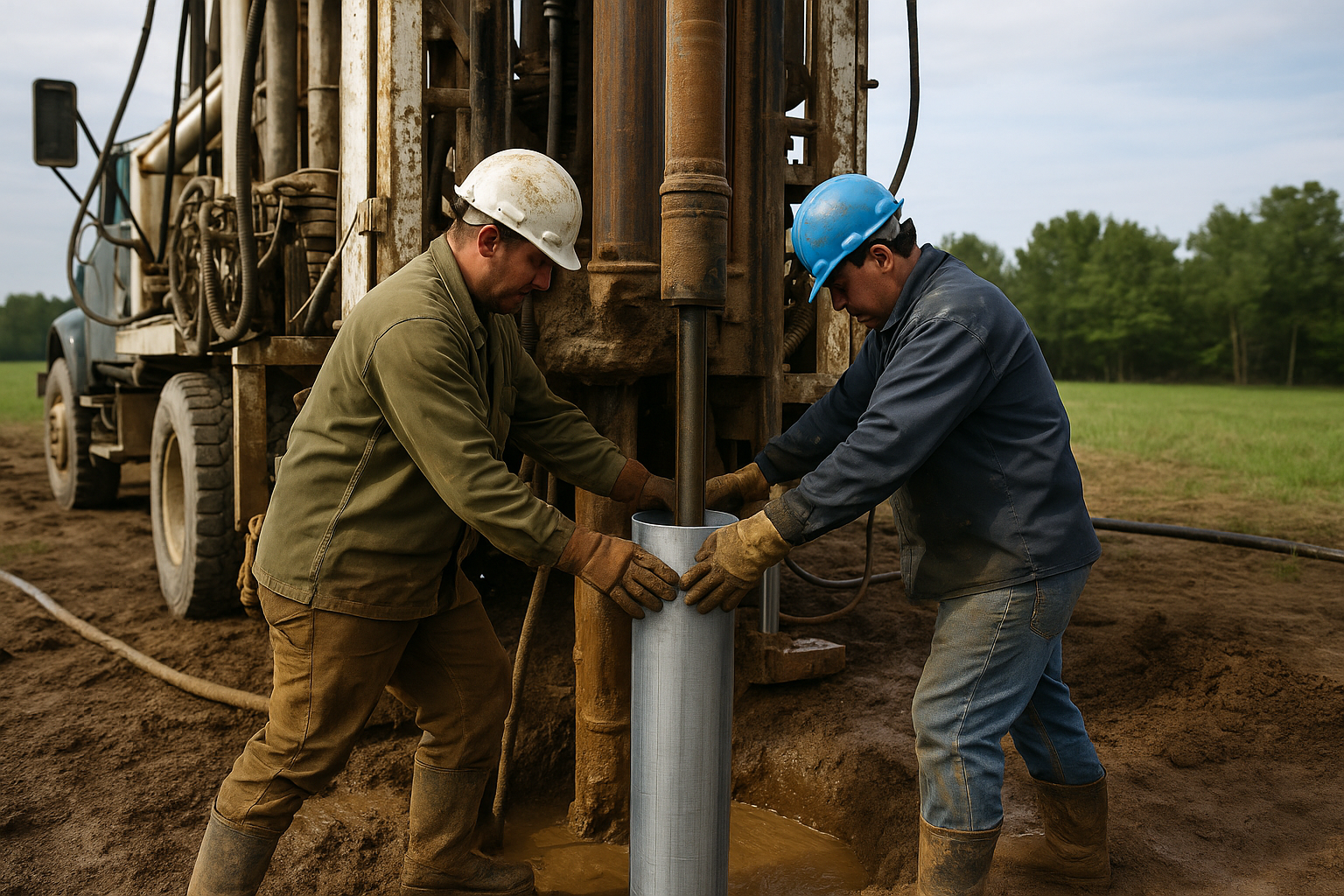
Our drilling fleet includes a Gefco rotary drill rig capable of drilling to 1,000+ feet. We use PVC and steel casing depending on well depth and geology, with gravel pack completion for optimal water production.
Frequently Asked Questions
What is the best season to drill a well in San Diego County?
Late summer through fall (August-November) is generally optimal for well drilling in San Diego County. The ground is dry and stable after months without rain, making site access easier for heavy drilling equipment. Groundwater levels are at their seasonal low, so your well depth accurately reflects dry-season yield. Weather is predictable, avoiding rain delays. However, this is also peak season, so book several months in advance. SCWS schedules new well projects throughout the year based on specific site conditions.
Can wells be drilled during San Diego's rainy season?
Yes, with some considerations. Rain events may cause delays if your property's access road becomes impassable or the drill site becomes muddy. Mountain properties are most affected. However, our rainy season is typically brief with many dry periods between storms. Some drilling companies offer lower rates during winter's slower season. If your project isn't urgent, scheduling flexibility during winter can save money. Coastal and urban properties with paved access are less affected by seasonal weather.
How far in advance should I schedule well drilling?
For San Diego County, schedule 2-4 months in advance for peak season (August-November) and 4-8 weeks during slower periods. The permitting process takes 2-4 weeks minimum through the County Department of Environmental Health. Quality drillers stay booked, especially during drought years when demand spikes. If you know you'll need a well—for new construction, for example—begin the process 6 months before you need water. SCWS can help coordinate permitting while you wait for your drilling slot.
Does the time of year affect how deep my well needs to be?
Indirectly, yes. If drilled at the end of dry season when water tables are lowest, your well depth will be calibrated for worst-case conditions—a good thing. Wells drilled after wet winters may hit water at shallower depths that aren't sustainable through dry summers. A competent driller accounts for seasonal variation regardless of when they drill, but late summer drilling removes the guesswork. They drill until reaching adequate yield, not just until hitting water. Discuss seasonal water table considerations with SCWS before your project.
How long does the well drilling process take?
Active drilling typically takes 1-3 days depending on depth and geology. A 300-foot residential well in typical San Diego County formations might take 2 days. However, the complete process is longer: permitting (2-4 weeks), scheduling (varies), drilling (1-3 days), pump installation (1-2 days), and final inspection. Plan for 6-12 weeks from starting the permit process to having water flowing. Rock formations in areas like Julian or Pine Valley may slow drilling and extend timelines.
Get Expert Help
Contact Southern California Well Service for professional assistance.
Call (760) 440-8520Serving San Diego, Riverside & San Bernardino Counties
Related Articles
Continue learning about well maintenance and troubleshooting