Desert Well Drilling: Borrego & Anza Guide | SCWS
Drilling wells in San Diego's desert regions presents unique challenges. Learn about Borrego Springs, Anza-Borrego, and Joshua Tree area geology, water depths, and what to expect from desert well projects.
📋 In This Guide
Need help? Call us:
(760) 440-8520Understanding Desert Geology
San Diego's desert regions feature complex geology that affects well drilling. Borrego Valley sits atop alluvial deposits that can yield good water but require drilling through layers of sand, gravel, and clay. Anza-Borrego's eastern mountains have fractured granite and metamorphic rock where water moves through cracks rather than porous material. Joshua Tree area features similar fractured rock systems with highly variable yields.
Borrego Valley Water Challenges
Borrego Springs draws from an aquifer that's been overdrafted for decades. The Borrego Water District and state regulators are implementing pumping reductions under SGMA. New wells face stricter permitting, and existing wells may need to reduce production. Understanding these regulations is crucial before investing in property or drilling projects in this area.
Drilling in Remote Desert Locations
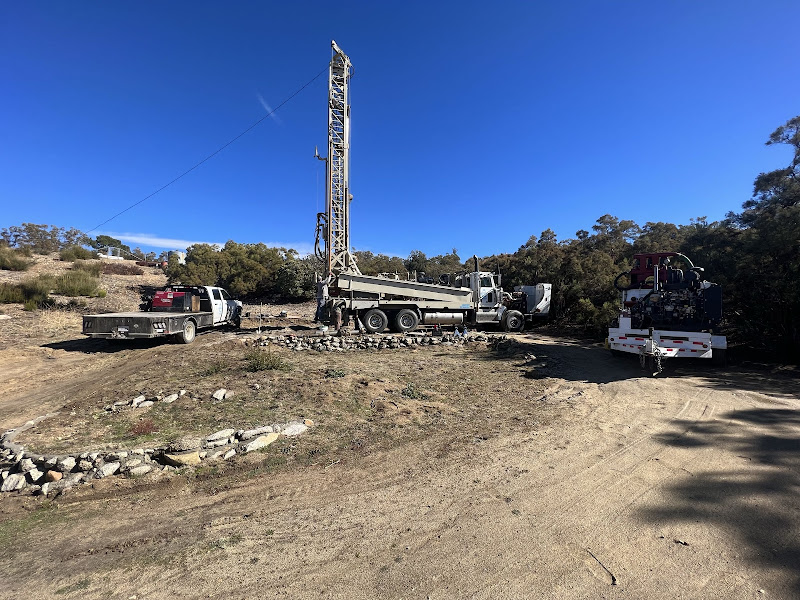
Remote desert sites add logistical challenges. Drilling rigs need road access capable of handling heavy equipment. Water for drilling operations must often be trucked in. Electrical service may require solar or generator systems rather than grid connection. Plan for these factors when budgeting and scheduling desert well projects.
Heat and Equipment Considerations
Desert heat affects both drilling operations and permanent equipment. Pump motors work harder in extreme temperatures, making proper sizing critical. Above-ground components need shade or insulated enclosures. Consider variable frequency drives that reduce motor stress. Schedule drilling during cooler months when possible to improve equipment performance and worker safety.
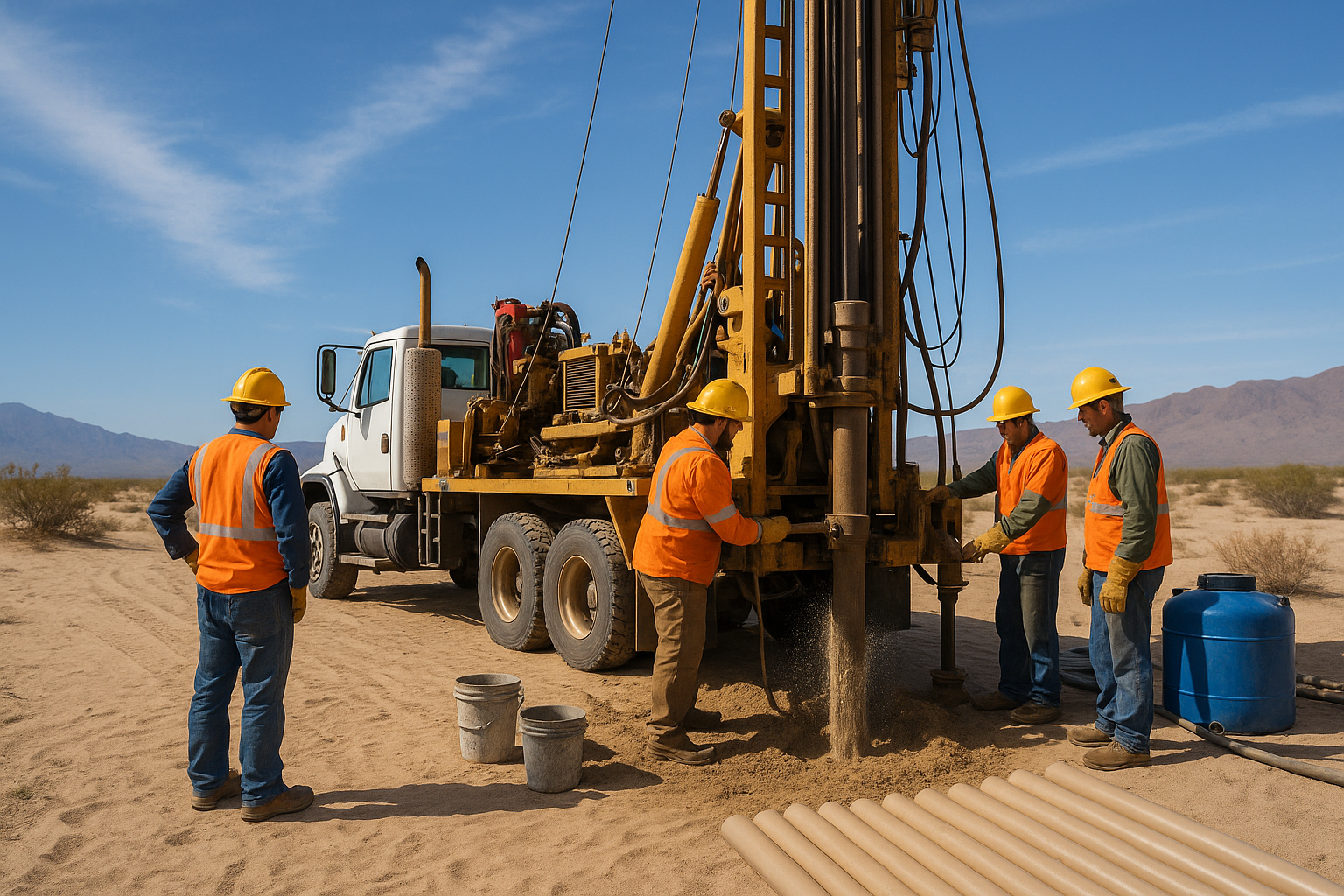
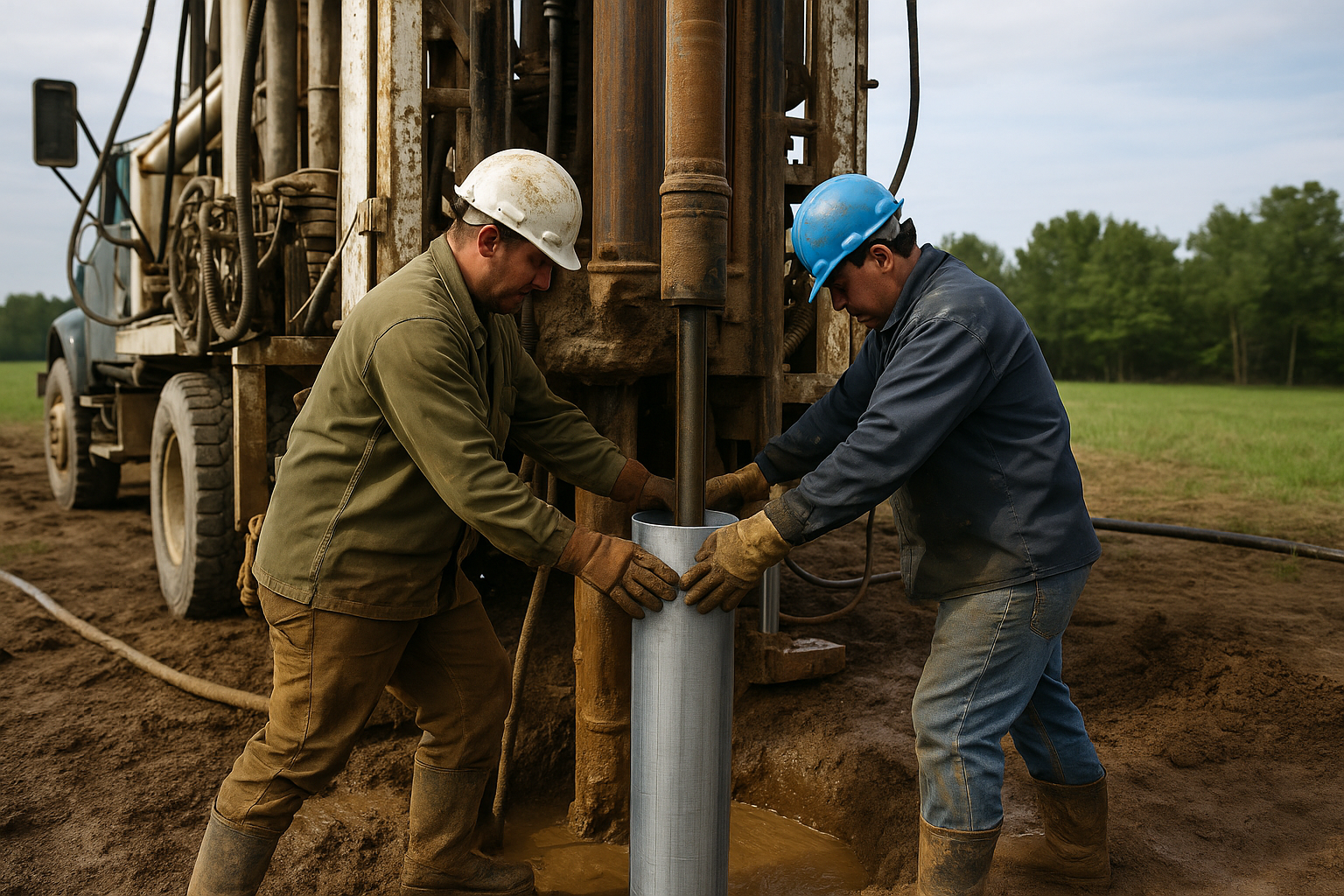
Our drilling fleet includes a Gefco rotary drill rig capable of drilling to 1,000+ feet. We use PVC and steel casing depending on well depth and geology, with gravel pack completion for optimal water production.
Frequently Asked Questions
How deep are wells in Borrego Springs?
Borrego Springs wells typically range from 200-600 feet, depending on location within the basin. The Borrego Valley aquifer has been declining, so newer wells often need to go deeper than older ones in the same area.
Is there enough water in the desert for a well?
Water exists but varies significantly by location. Borrego Valley has a substantial aquifer (though declining). Anza area draws from fractured rock systems with variable yields. Site-specific hydrogeological assessment is essential before drilling.
Why is desert well drilling more expensive?
Desert drilling costs more due to harder formations requiring specialized bits, deeper drilling depths, remote site access challenges, and the need for more powerful pumps to lift water from greater depths. Budget 20-40% more than valley wells.
Get Expert Help
Contact Southern California Well Service for professional assistance.
Call (760) 440-8520Serving San Diego, Riverside & San Bernardino Counties
Related Articles
Continue learning about well maintenance and troubleshooting