Low Water Pressure from a Well in Aguanga, CA: Complete Troubleshooting Guide
As seasoned well service experts familiar with the rugged beauty and unique challenges of rural Southern California, we understand that a reliable water supply is not just a convenience—it's the lifeblood of your home and property in Aguanga, CA. Nestled in the high desert chaparral, off the scenic Highway 371, residents here depend heavily on their private wells. So, when your well water pressure drops, it's more than an annoyance; it's a critical issue demanding immediate attention. This comprehensive guide, crafted with our deep understanding of Aguanga's specific geography, geology, and groundwater conditions, will equip you with the knowledge to diagnose and fix low water pressure from your well.
The Aguanga area, characterized by its rolling hills, sandy soils, and reliance on groundwater from local aquifers, presents a distinct set of circumstances for well owners. Whether your property is near the Anza-Borrego Desert State Park boundary or closer to the Cahuilla Mountain, your well system operates within a sensitive ecological and hydrological context. Our goal is to demystify the complexities of your well system and empower you to restore consistent, strong water pressure to your Aguanga home.
Understanding Your Aguanga Well System: The Basics
Before we dive into troubleshooting, let's briefly review the core components of a typical well system found in Aguanga. Understanding these parts is crucial for diagnosing issues:
- The Well Bore: The hole drilled into the ground, cased to prevent collapse, reaching the water-bearing aquifer. Depths vary significantly in Aguanga, from shallower wells tapping into perched water tables to deep wells drawing from more substantial, underlying formations.
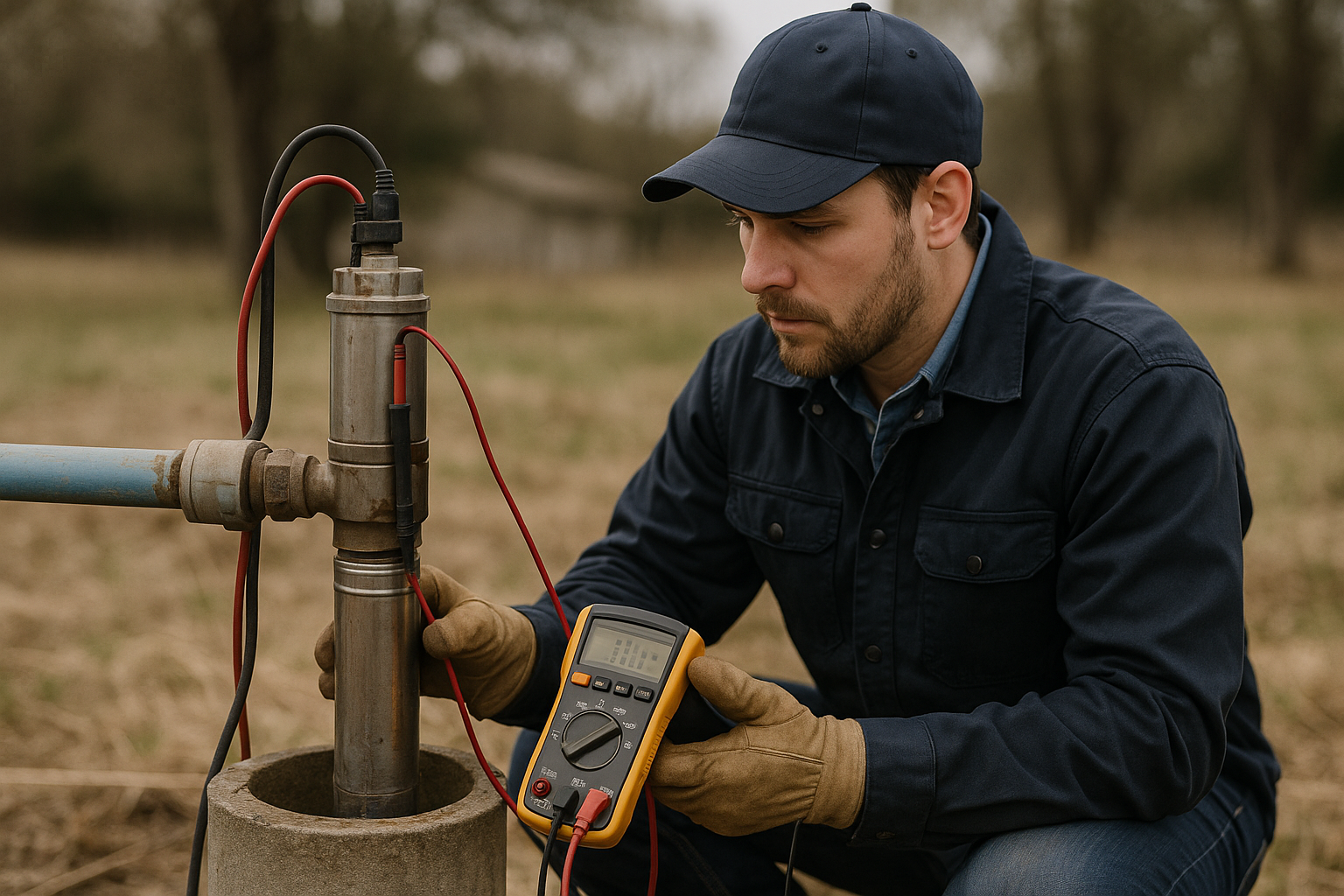
- Well Pump: The heart of your system, typically a submersible pump located at the bottom of the well, or a jet pump located above ground (less common for deeper Aguanga wells).
- Drop Pipe: Carries water from the submersible pump to the surface.
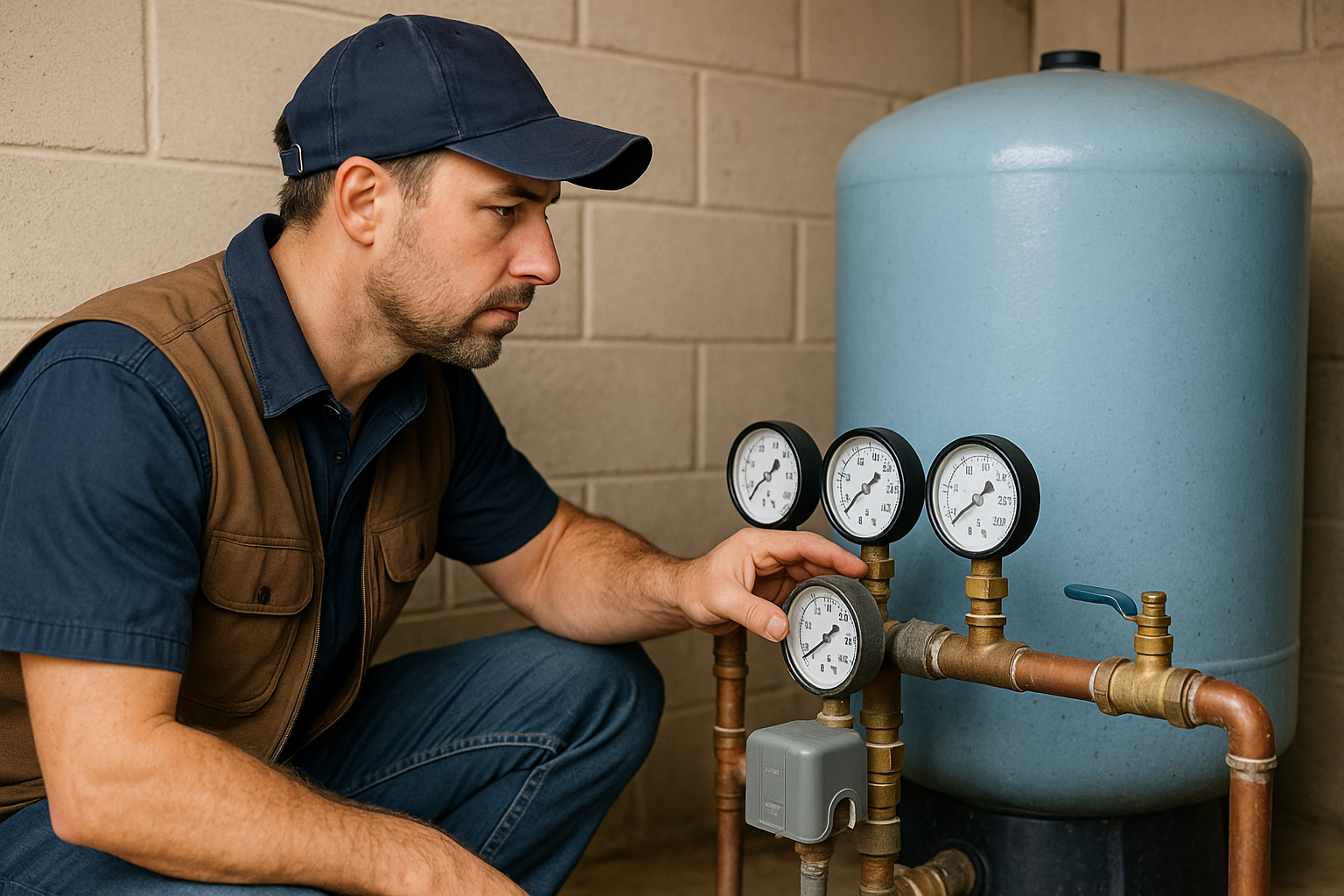
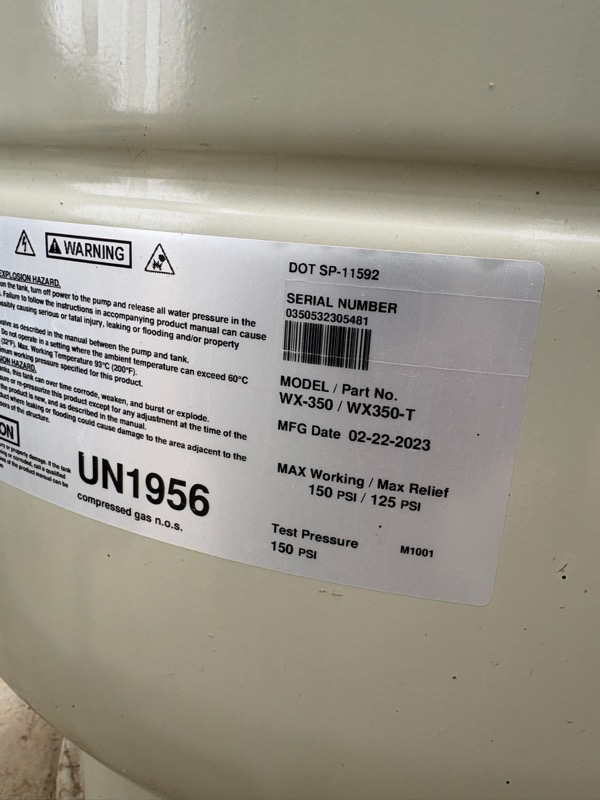
- Pressure Tank: A crucial component that stores water under pressure, providing a reserve supply and preventing the pump from cycling on and off constantly. It has an air bladder or diaphragm that separates water from a cushion of compressed air.
- Pressure Switch: An electrical device that senses the water pressure in the system. When pressure drops to a preset low point (e.g., 40 PSI), it turns the pump on. When pressure reaches a preset high point (e.g., 60 PSI), it turns the pump off.
- Check Valve: Prevents water from flowing back down into the well when the pump is off, maintaining pressure in the system.
- Sediment Filters: Installed to remove sand, silt, and other particulates common in Aguanga's groundwater, protecting your plumbing and appliances.
- Electrical Controls: Including a control box (for 3-wire submersible pumps) and circuit breakers.
Why is My Well Pressure Low in Aguanga? Common Causes Explored
When your shower dwindles to a trickle or your faucets lose their vigor, it's time to investigate. Here are the most common culprits behind low well water pressure in Aguanga, often exacerbated by our specific environmental conditions:
1. Pressure Switch Malfunctions
The pressure switch is the brain of your well system, dictating when your pump turns on and off. If it's faulty, corroded, or clogged with sediment (a common issue with Aguanga's sandy groundwater), it might not be sending the correct signals to your pump. This can result in the pump not turning on at the right pressure, or turning off too soon, leading to low system pressure. We frequently see switches gummed up with fine sand and mineral deposits from the local aquifer.
- Symptoms: Pump short-cycling, pump not turning on, inconsistent pressure, or constant low pressure.
- Real Numbers: Most residential pressure switches in Aguanga are set to a 20 PSI differential, commonly 30/50 PSI or 40/60 PSI. A switch set to 30/50 PSI means the pump turns on at 30 PSI and off at 50 PSI.
2. Pressure Tank Problems
The pressure tank is designed to maintain a consistent pressure and reduce pump cycles. If your pressure tank is failing, it can't perform this crucial function. The most common issue is a "waterlogged" tank, meaning the internal air bladder has lost its charge or is ruptured, allowing water to fill the entire tank. Without the air cushion, the pump will short-cycle rapidly, and you'll experience wildly fluctuating or consistently low pressure.
- Symptoms: Pump short-cycling (turning on and off every few seconds), sudden drops in pressure, water hammer, or a constant low flow.
- Real Numbers: Residential pressure tanks in Aguanga typically range from 20 to 86 gallons, with 44-gallon tanks being very common for standard homes. The pre-charge pressure (air pressure in an empty tank) should be 2 PSI below the pump's cut-in pressure (e.g., 38 PSI for a 40/60 PSI system).
3. Clogged Filters & Sediment
This is a particularly prevalent issue in Aguanga. The region's geology, with its decomposed granite, sandy loam, and chaparral soils, means that well water often carries a significant amount of fine sediment, silt, and sometimes even iron or manganese. Over time, these particles can accumulate in sediment filters, water softeners, and even within your plumbing pipes, restricting water flow and causing a dramatic drop in pressure.
- Symptoms: Gradual decrease in pressure over time, especially noticeable after a period without filter changes. Pressure may be good right after a filter change, then slowly diminish.
- Aguanga Context: Due to the nature of our local aquifers, we often recommend more frequent filter changes than in other regions, sometimes as often as every 1-3 months depending on well production and water quality.
4. Failing Well Pump
The well pump is arguably the most expensive component of your well system. If it's failing, it may not be able to deliver water at the required volume or pressure. This could be due to a worn motor, damaged impellers, electrical issues, or simply old age. Submersible pumps, common in Aguanga's deeper wells, are robust but not immortal.
- Symptoms: No water at all, very weak flow from all fixtures, pump running constantly without building pressure, or unusual noises coming from the well head or control box.
- Aguanga Context: Deeper wells in Aguanga require more powerful pumps, and these work harder, potentially shortening their lifespan if not properly sized or maintained.
5. Low Water Table / Drought Conditions
Aguanga, like much of Southern California, experiences periods of drought. Prolonged dry spells can significantly lower the groundwater table, meaning your well pump has to work harder to lift water from a greater depth. If the water level drops below the pump's intake, the pump will "run dry," leading to no water or very low pressure. Even if it doesn't run dry, the increased lift can reduce overall system pressure and flow.
- Symptoms: Gradual decrease in water availability, pump running for extended periods without building pressure, or the well running dry after heavy water usage.
- Aguanga Context: Our local aquifers are recharged by rainfall, which can be sporadic. Monitoring local drought conditions and practicing water conservation is vital for well owners here.
6. Leaky Plumbing or Fixtures
While not strictly a well system issue, a significant leak anywhere in your plumbing system—from a burst pipe underground to a constantly running toilet or dripping faucet—can cause a substantial drop in overall system pressure. The pump may struggle to keep up with the constant demand.
- Symptoms: Unexplained high electricity bills (due to pump running frequently), damp spots in your yard, or the sound of running water when no fixtures are in use.
7. Undersized System Components
Sometimes, the issue isn't a malfunction but a mismatch. If your well pump, pressure tank, or even the diameter of your well pipe is undersized for your household's water demand, you'll perpetually experience low pressure, especially during peak usage. This can happen after home additions or changes in water usage patterns.
- Symptoms: Consistent low pressure, particularly when multiple fixtures are in use, or when irrigating large areas of chaparral landscaping.
The Expert's Step-by-Step Troubleshooting Guide for Aguanga Wells
Before you call in the cavalry, follow these steps to narrow down the problem. Remember, safety first! Always turn off power to the well pump at the breaker before inspecting electrical components.
Step 1: Safety First!
- Electricity: Always disconnect power to your well pump at the circuit breaker before touching any electrical components, including the pressure switch or control box.
- Water: Be mindful of potential water leaks or sprays when opening components.
Step 2: Check the Pressure Gauge and Switch Settings
Locate your pressure gauge, usually found near the pressure tank. What does it read?
- Observe the Gauge: Watch the gauge as water is used. Does the pressure drop steadily? Does the pump kick on at the expected cut-in pressure (e.g., 40 PSI)? Does it cut off at the expected cut-out pressure (e.g., 60 PSI)?
- Inspect the Pressure Switch: With power OFF, remove the cover of the pressure switch. Look for any visible corrosion, insect nests, or sediment buildup around the contacts or the small tube leading to the switch. Gently clean if necessary (again, power OFF!). If the contacts are pitted or burned, the switch is likely failing.
- Adjusting Settings (Caution): While you can adjust the differential on some switches, we generally advise against it without professional guidance. A common setting for Aguanga homes is 40/60 PSI, providing a good balance of pressure and pump longevity. If your system is set to 30/50 PSI and you desire more pressure, a professional can assess if your pump and well can handle the higher demand.
Step 3: Inspect the Pressure Tank
This is a critical step for diagnosing pump short-cycling or wildly fluctuating pressure.
- Drain the Tank: Shut off power to the pump. Open a faucet somewhere in the house (preferably the lowest one) and let water run until it stops. This empties the pressure tank.
- Check Air Pre-Charge: Locate the Schrader valve (looks like a tire valve) on top of the pressure tank. Use a tire pressure gauge to check the air pressure.
- Ideal Reading: The air pressure should be 2 PSI below your pump's cut-in pressure. So, if your pump turns on at 40 PSI, your tank's pre-charge should be 38 PSI.
- Low Reading: If the pressure is significantly low (e.g., 10-20 PSI) or zero, the tank has lost its air charge. You can try to add air with an air compressor (slowly, to avoid over-pressurizing).
- Water Comes Out: If water comes out of the Schrader valve when you press it, your tank's internal bladder is ruptured, and the tank needs replacement.
- Waterlogged Tank Test: With the power off and tank drained, tap the side of the tank with your knuckles. A healthy tank will sound hollow on top and solid at the bottom. If it sounds solid all the way up, it's waterlogged, indicating a failed bladder.
Step 4: Examine Sediment Filters
Given Aguanga's sandy soils, this is often a quick and easy fix.
- Locate Filters: Identify all sediment filters in your system (whole-house filters, under-sink filters, etc.).
- Inspect and Replace: Turn off the water supply before the filter housing. Open the housing and inspect the filter cartridge. If it's discolored, sludgy, or visibly clogged with sand and sediment, it's time for a replacement.
- Test Pressure: After replacing the filter, turn the water back on and check the pressure. A significant improvement indicates this was the primary issue.
- Frequency: For many Aguanga wells, we recommend checking and potentially replacing filters every 1-3 months, especially after heavy rains which can stir up more sediment in the aquifer.
Step 5: Listen to Your Well Pump
While you can't see a submersible pump, its control box (for 3-wire systems) at the surface can provide clues.
- Control Box: For 3-wire submersible pumps, the control box contains a starting capacitor and relay. If you hear buzzing, clicking, or smell burning from this box, it indicates an electrical issue or a failing component within the box.
- Pump Cycling: Does the pump run continuously without shutting off? Or does it short-cycle rapidly? (If short-cycling, revisit Step 3: Pressure Tank). If it runs continuously, it could indicate a deep well issue, a leak, or the pump struggling to build pressure.
- No Sound: If the pump isn't coming on at all, check your circuit breaker. If the breaker is tripped, reset it. If it trips again immediately, there's a serious electrical problem or pump fault.
Step 6: Check for Leaks
Even small leaks can cumulatively affect pressure.
- Indoor Leaks: Check all faucets, toilets, and appliances. Listen for running water when everything is off.
- Outdoor Leaks: Walk your property. Look for unusually green or damp spots, especially near irrigation lines or the well head. Listen for hissing sounds. Pay attention to the supply line from the well to the house, which can be prone to leaks due to shifting Aguanga soils or gopher activity.
Step 7: Measure Well Drawdown (If Suspected Low Water Table)
This requires specialized equipment (a water level meter) and is often best left to a professional, but understanding the concept is useful.
- Static Water Level: The water level in your well when the pump is not running.
- Pumping Water Level (Drawdown): The water level in your well when the pump is running. If the pumping water level drops significantly below the static level, or worse, below the pump intake, it indicates a low-producing well or a low water table. This is a critical concern in drought-prone Aguanga.
Step 8: When to Call a Professional
If you've gone through these steps and still can't identify or resolve the issue, it's time to call in the Southern California well experts. Specifically, you should call us if:
- The pump isn't running at all, and the breaker isn't tripped.
- The pump runs constantly but produces no water or very little pressure.
- You suspect a problem with the submersible pump itself (e.g., electrical issues, motor failure).
- You have a confirmed ruptured pressure tank bladder.
- You suspect a low water table or well yield issue.
- You've checked everything and are still experiencing low pressure.
- You're uncomfortable performing any of the troubleshooting steps yourself.
Aguanga's Unique Well Challenges & Considerations
Our experience serving the Aguanga community has given us invaluable insights into the specific nuances of well ownership in this beautiful, yet demanding, environment.
Deep Wells vs. Shallow Wells in Aguanga
The depth of your well significantly impacts its performance and the types of issues you might encounter.
- Shallow Wells (typically < 200 feet): Some older wells or those in specific localized areas of Aguanga may be shallower, tapping into perched water tables or shallow alluvial deposits. These are more susceptible to seasonal fluctuations and drought conditions, as their water source is often less reliable. They might use jet pumps, which are above-ground and easier to access for repair, but less efficient for deeper lifts.
- Deep Wells (200+ feet, often 400-800+ feet): The majority of modern wells in Aguanga are deeper, designed to access more stable, underlying aquifers. These wells almost exclusively use submersible pumps, which are highly efficient but costly and complex to service as they require pulling the pump from the well. While generally more reliable, deep wells can still be affected by long-term drought, and their pumps work harder, potentially leading to earlier wear and tear.
- Aguanga's Aquifers: The groundwater resources in Aguanga are primarily found in fractured crystalline bedrock and unconsolidated alluvial deposits in valleys. The specific characteristics of your well's aquifer (e.g., transmissivity, storage coefficient) will dictate its yield and how quickly it recovers after pumping. Sandy formations are common, contributing to the filter clogging issues we discussed.
Groundwater Recharge & Aquifer Characteristics
The health of Aguanga's groundwater relies heavily on local rainfall. The high desert environment means that surface water infiltration into the aquifers can be slow and limited. This makes understanding your well's specific characteristics, including its static water level and yield, paramount. We often conduct flow tests to determine a well's sustainable pumping rate, ensuring you're not over-pumping your resource.
Drought Preparedness & Conservation
In Aguanga, living with a well means living with an intimate connection to the water cycle. During drought years, conservation isn't just a suggestion; it's a necessity. Simple measures like fixing leaks, installing low-flow fixtures, and being mindful of outdoor irrigation can significantly reduce the strain on your well and extend its productive life, especially during dry periods when the water table along Highway 371 and surrounding areas naturally drops.
Real Numbers & Cost Estimates (Southern California Context)
Understanding potential costs can help you budget for repairs. These are approximate ranges for Aguanga, CA, and can vary based on specific equipment, labor rates, and the complexity of the job.
- Pressure Switches:
- Part Cost: $30 - $100
- Professional Installation: $150 - $350 (including part and labor)
- Pressure Tanks:
- Tank Cost (e.g., 44-gallon): $300 - $800
- Professional Installation: $600 - $1,500 (including tank, labor, and disposal of old tank)
- Sediment Filters:
- Cartridge Cost: $15 - $50 (depending on micron rating and type)
- Whole-House Housing (if needed): $50 - $200
- Professional Replacement: $50 - $150 (for cartridge, often done during a service call)
- Well Pump Replacement (Submersible): This is the big one.
- Pump Cost (e.g., 1 HP for deep well): $800 - $2,500+ (depending on HP, brand, and well depth)
- Professional Installation: $2,500 - $7,000+ (includes pulling old pump, installing new pump, drop pipe, wiring, control box, and labor. Deeper wells naturally cost more due to increased labor and materials.)
- Well Pump Replacement (Jet Pump - less common for deep Aguanga wells):
- Pump Cost: $300 - $1,000
- Professional Installation: $600 - $1,800
- Professional Service Calls:
- Diagnostic Fee: $150 - $300 (often applied towards repair if performed)
- Hourly Labor Rate: $80 - $150 per hour
These figures are estimates. Always get a detailed quote from a reputable Aguanga well service company.
Preventative Maintenance for Optimal Well Pressure in Aguanga
An ounce of prevention is worth a pound of cure, especially with your critical well system. Regular maintenance can save you significant headaches and expenses.
- Annual Professional Inspection: Have a well expert inspect your entire system annually. They can check pump performance, pressure tank pre-charge, electrical components, and overall system health.
- Regular Filter Replacement: Based on your water quality and usage, establish a consistent schedule for replacing sediment filters. For many Aguanga wells, this means every 1-3 months.
- Check Pressure Tank Air Charge: Every 6-12 months, check the air pressure in your pressure tank (as described in Step 3 of troubleshooting).
- Water Testing: Periodically test your well water for contaminants, especially if you notice changes in taste, odor, or clarity. This can also indicate issues within the well itself.
- Monitor Water Usage: Be mindful of your water consumption, especially during dry periods. Avoid unnecessary irrigation or prolonged high-volume use.
- Listen to Your System: Pay attention to unusual noises from your pump, frequent cycling, or any changes in water pressure or quality. Early detection can prevent minor issues from becoming major problems.
Frequently Asked Questions (FAQs)
How often should I check my well pressure?
You should ideally observe your pressure gauge periodically, perhaps once a month, to ensure the pump is cycling within its normal range (e.g., 40-60 PSI). If you notice any changes, that's when a more detailed check is warranted.
What PSI is normal for an Aguanga well?
Most residential well systems in Aguanga are set to a 40/60 PSI range (pump turns on at 40 PSI, off at 60 PSI) or sometimes 30/50 PSI. The 40/60 PSI range generally provides a more satisfying shower and overall water experience.
Can I fix a well pump myself?
For minor issues like a pressure switch adjustment or filter replacement, yes, if you're comfortable and follow safety precautions. However, anything involving pulling the pump from the well, major electrical work, or diagnosing complex pump failures should always be handled by a licensed and experienced well service professional. The risks of electric shock, damaging expensive equipment, or contaminating your well are too high.
How long do well pumps last?
The lifespan of a well pump varies greatly. Submersible pumps in Aguanga's deep wells typically last 10-25 years, depending on water quality, pump usage, and proper system sizing. Jet pumps generally have a shorter lifespan, often 5-15 years. Regular maintenance and proper installation contribute significantly to longevity.
What's the difference between a shallow and deep well in Aguanga?
A shallow well (generally less than 200 feet deep) accesses water closer to the surface, often from alluvial deposits. A deep well (hundreds of feet deep) taps into deeper, more stable aquifers. Most modern wells in Aguanga are deep wells due to the geology and the need for a reliable water source. Deep wells require submersible pumps, while shallow wells might use jet pumps.
Does drought really affect my well in Aguanga?
Absolutely. Drought directly impacts the groundwater table, which is the source for your well. Prolonged drought periods in Aguanga can cause the water level in your well to drop, making your pump work harder, reducing its efficiency, and potentially leading to the well running dry. Conservation is key during these times.
My pressure fluctuates, what could it be?
Fluctuating pressure is a classic symptom of a failing or waterlogged pressure tank. It can also indicate a faulty pressure switch, a partially clogged filter, or a pump that's struggling to keep up with demand due to low well yield.
What's the role of Highway 371 in Aguanga's water infrastructure?
While Highway 371 itself doesn't directly carry water, it's the main artery connecting Aguanga's rural residences. Properties along and off this scenic route are almost entirely reliant on private wells. The highway serves as a geographical reference point for the diverse well depths and aquifer conditions found throughout the region, from the flatter areas to the more mountainous terrains. It's a constant reminder of the rural independence that defines Aguanga, where every homeowner is their own water utility.
Should I install a constant pressure system?
Constant pressure systems, which use a variable frequency drive (VFD) to control the pump motor speed, are an excellent upgrade for many Aguanga well owners. They eliminate pressure fluctuations, provide consistent water pressure regardless of demand, and can extend pump life by reducing start/stop cycles. While a larger initial investment, many find the benefits worthwhile, especially for larger homes or properties with high water demands.
Conclusion: Your Aguanga Well, Our Expertise
Dealing with low well water pressure in Aguanga can be frustrating, but with the right knowledge and a systematic approach, many issues can be diagnosed and resolved. Whether you're battling the notorious sandy sediment of our local aquifers, an aging pressure tank, or the challenges of a fluctuating water table, understanding your well system is the first step towards a solution.
Remember, your well is a sophisticated system, and while some troubleshooting is homeowner-friendly, complex problems often require the specialized tools and expertise of a professional. As your trusted Southern California well service experts, we are intimately familiar with the unique geological and hydrological conditions of Aguanga, CA. From the high desert chaparral along Highway 371 to the quietest rural homesteads, we're here to ensure your well continues to provide the reliable, strong water pressure you depend on. Don't hesitate to reach out to us for expert diagnosis, repair, or preventative maintenance. We're committed to keeping the water flowing smoothly for your Aguanga home.