
Monthly Well Operating Costs: What to Budget
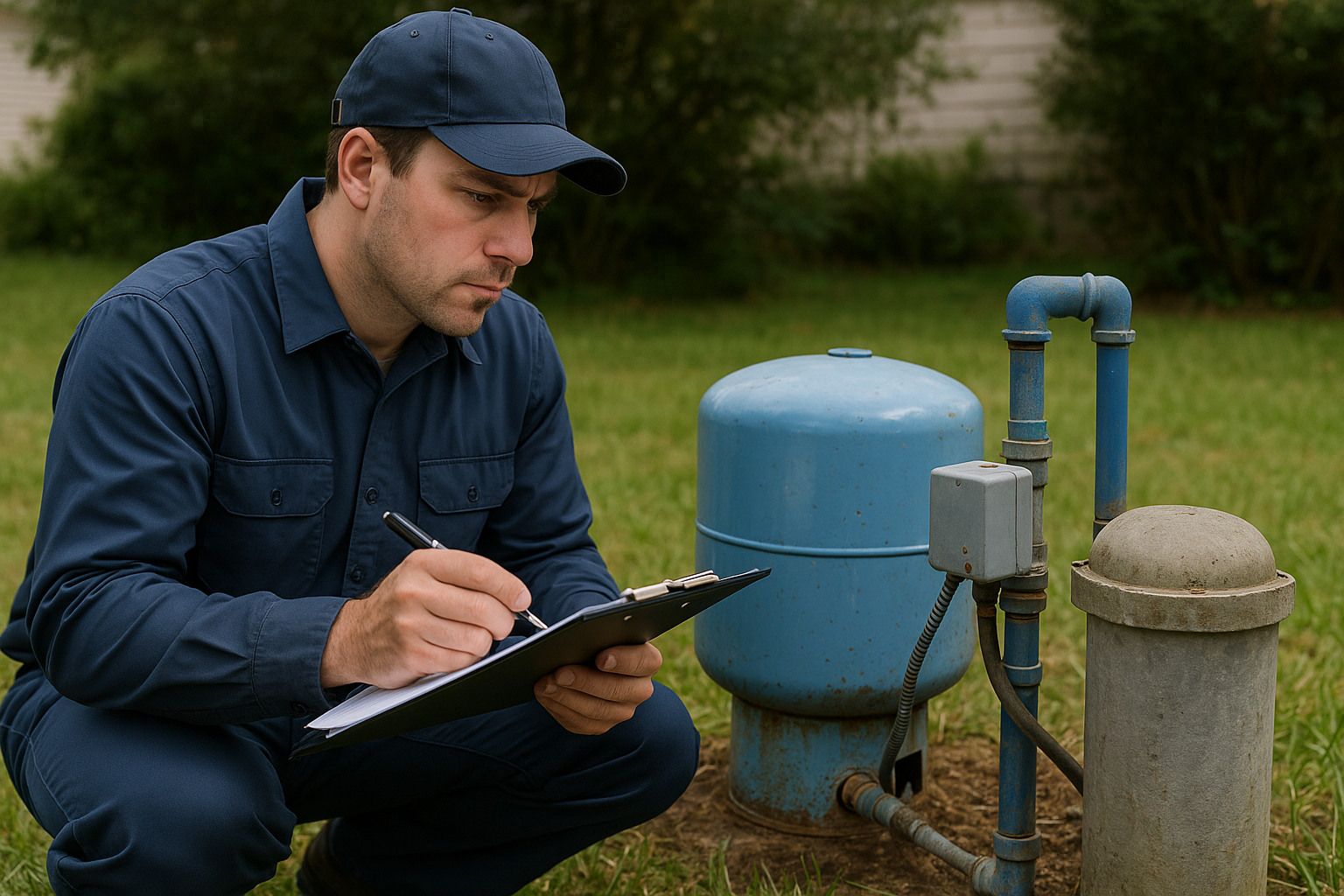
Understanding ongoing well expenses. Electricity, maintenance, testing, and typical monthly costs.
📋 In This Guide
Need help? Call us:
(760) 440-8520The True Cost of Well Ownership
One of the greatest advantages of well ownership is the elimination of monthly water bills—but wells aren't completely free to operate. Understanding ongoing costs helps you budget accurately and appreciate the long-term savings wells provide. Monthly operating expenses for a typical San Diego County residential well run $30-$75 when you factor in electricity, maintenance reserves, and periodic testing. Compare this to municipal water rates that often exceed $150/month for moderate use (and continue rising annually), and the economics of well ownership become clear. The key is budgeting appropriately so maintenance and repairs don't catch you by surprise.
Electricity: Your Primary Operating Cost
Electricity powers your well pump and is the main ongoing expense. A typical 1 HP submersible pump running 2-3 hours daily costs approximately $25-$35/month at current SDG&E rates. Larger pumps (1.5-3 HP) for deeper wells or higher demand run $40-$60 monthly. Pressure tank systems reduce pump cycling, lowering electrical costs and extending pump life. Variable speed or constant pressure systems use more sophisticated electronics but can reduce overall energy consumption by 30-40%. Solar-powered well systems, while expensive to install ($10,000-$20,000), eliminate electricity costs entirely and provide water security during grid outages.
Maintenance and Testing Budgets
Responsible well owners budget for annual maintenance and testing. Comprehensive water quality testing covering bacteria, nitrates, minerals, and contaminants runs $150-$250 annually—essential for ensuring safe drinking water. Basic bacterial testing alone costs $50-$75 and should be done at least yearly. System inspection by a qualified contractor every 2-3 years costs $200-$400 and can identify developing problems before they become emergencies. Budget $200-$400 annually for routine maintenance expenses, even in years when everything runs smoothly. This creates reserves for when attention is needed and ensures consistent water quality monitoring.
Building Your Emergency Repair Fund
Wells don't fail gradually with warning—pumps can stop working overnight, leaving you without water. Smart well owners maintain an emergency fund of $2,000-$5,000 specifically for well repairs. If you're just starting out, set aside $50-$100 monthly until you reach your target amount. This fund covers unexpected pump failures (average cost $3,500), pressure tank replacements ($500-$800), electrical issues ($200-$600), and other surprises. With this cushion in place, a midnight pump failure becomes an inconvenience rather than a financial crisis. Think of it as self-insurance—much cheaper than the stress of emergency repairs without funds available.
Comparing Total Cost of Ownership
Over the life of a well, operating costs are remarkably low compared to municipal water. A conservative estimate: $50/month operating costs ($600/year) plus one pump replacement ($4,000) every 20 years averages $800/year in total well expenses. Municipal water at $150/month equals $1,800/year—and that rate increases regularly. Over 30 years, well ownership typically saves $25,000-$40,000 versus city water, even accounting for the initial drilling investment. For properties with irrigation needs where municipal rates can exceed $300/month in summer, savings are even more dramatic. SCWS helps customers understand their complete cost picture, including realistic maintenance projections.
Frequently Asked Questions
How much does it cost to run a well pump per month?
Well pump electricity costs in San Diego County typically run $15-$50 monthly for residential use, depending on pump size, well depth, and water usage. A standard 1 HP submersible pump running 2-3 hours daily at current SDG&E rates costs approximately $25-$35/month. Higher usage for irrigation or larger homes increases costs proportionally. Overall, electricity remains a minor expense compared to municipal water bills.
What annual maintenance does a private well require?
Recommended annual maintenance includes water quality testing ($100-$250 for comprehensive panels), visual inspection of wellhead and equipment, pressure tank and switch check, and general system review. Budget $200-$400 annually for routine maintenance. Many homeowners skip testing in years with no issues, but annual bacterial testing at minimum is strongly recommended for health safety.
How do well operating costs compare to municipal water?
Monthly well operating costs average $30-$75 including electricity and maintenance reserves, compared to $100-$250+ for municipal water in many San Diego County areas. Over 20 years, a well typically saves $15,000-$50,000 versus city water, even accounting for pump replacements and repairs. The savings are even greater for high-usage households or properties with irrigation needs.
What unexpected costs should well owners budget for?
Smart well owners maintain an emergency fund of $2,000-$5,000 for unexpected repairs. Pump replacements ($2,500-$5,500), pressure tank failures ($400-$800), and electrical repairs ($200-$600) can occur without warning. Water treatment system maintenance or replacement may also be needed if water chemistry changes. Building this fund gradually—$50-$100/month—prevents financial strain when repairs are needed.
Do well systems require any permits or ongoing fees?
San Diego County doesn't charge annual fees for most residential wells, unlike some jurisdictions. However, certain situations require permits: deepening or modifying wells, adding water treatment systems, or changes affecting septic systems. Some homeowners in groundwater management districts may face monitoring or reporting requirements. Check with San Diego County's Department of Environmental Health for your specific situation.
Get Expert Help
Contact Southern California Well Service for professional assistance.
Call (760) 440-8520Serving San Diego, Riverside & San Bernardino Counties
Related Articles
Continue learning about well maintenance and troubleshooting
