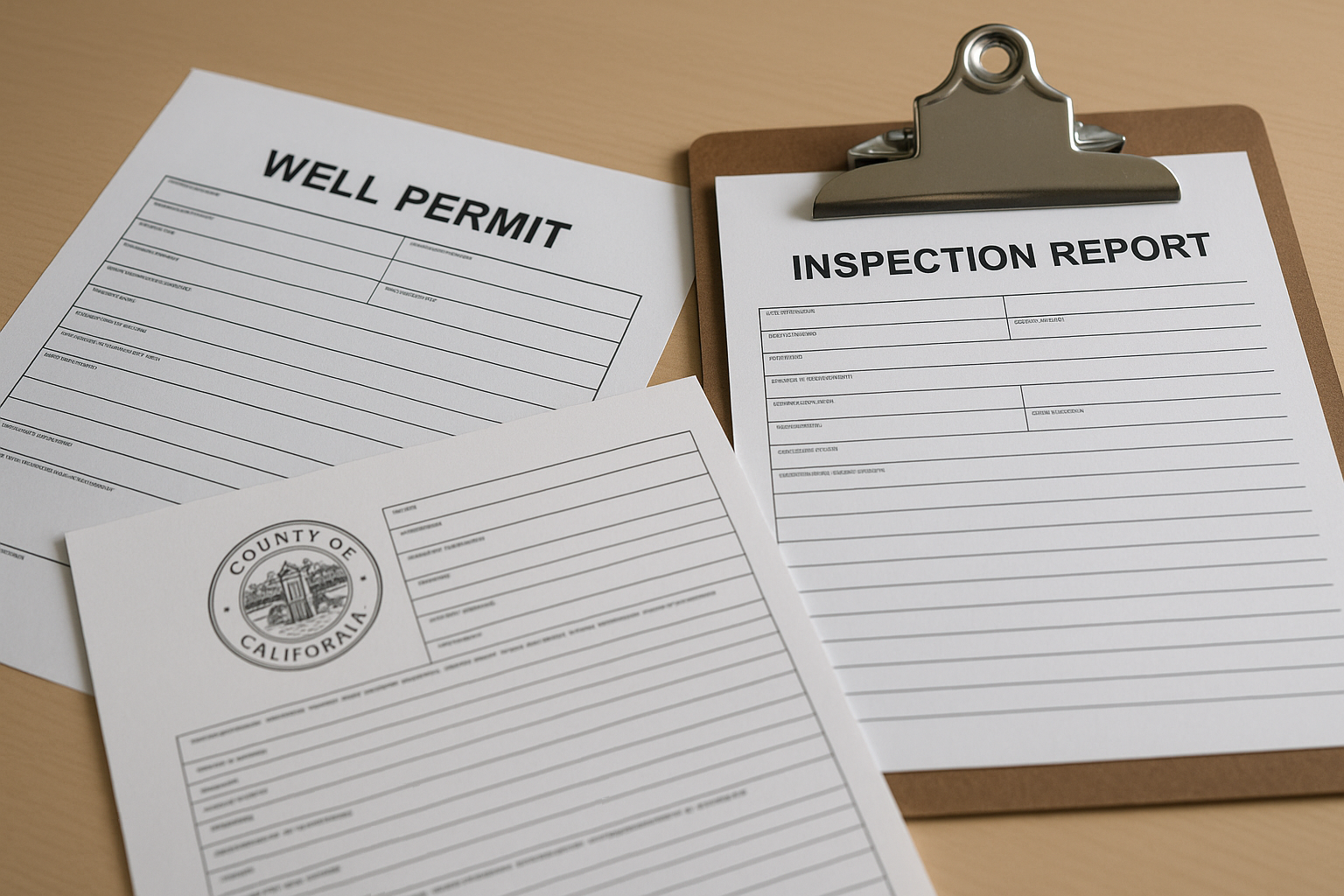
Well Abandonment Requirements in California
Legal requirements for properly abandoning a well. Permits, procedures, and costs.
📋 In This Guide
Need help? Call us:
(760) 440-8520California Well Abandonment Regulations
California comprehensively regulates well abandonment through the California Water Code, DWR Bulletin 74 (Well Standards), and county ordinances. These regulations exist because improperly abandoned wells threaten groundwater resources that millions of Californians depend upon for drinking water. Abandoned wells without proper sealing become conduits for surface contamination—agricultural chemicals, septic system effluent, or surface runoff—to reach aquifers. They may also allow poor-quality water from shallow zones to mix with deeper, cleaner aquifers. Property owners bear legal responsibility for wells on their property regardless of who drilled them or how long they've been abandoned. Compliance with abandonment requirements protects both public resources and individual property owners from liability.
When Well Abandonment Is Required
Several situations trigger abandonment requirements. Wells permanently out of service—whether due to low production, contamination, or property development—must be abandoned. Wells replaced by municipal water connections should be abandoned unless maintained for backup or irrigation use. Properties undergoing development may need to abandon wells conflicting with building footprints or potentially damaged during construction. Some jurisdictions require abandonment of unused wells during property transfers. Wells posing imminent contamination hazards may require emergency abandonment. Before abandoning, consider future water needs carefully. Once properly abandoned, a well cannot be reactivated—new drilling would be required at substantially higher cost than maintaining an existing well.
The Abandonment Process
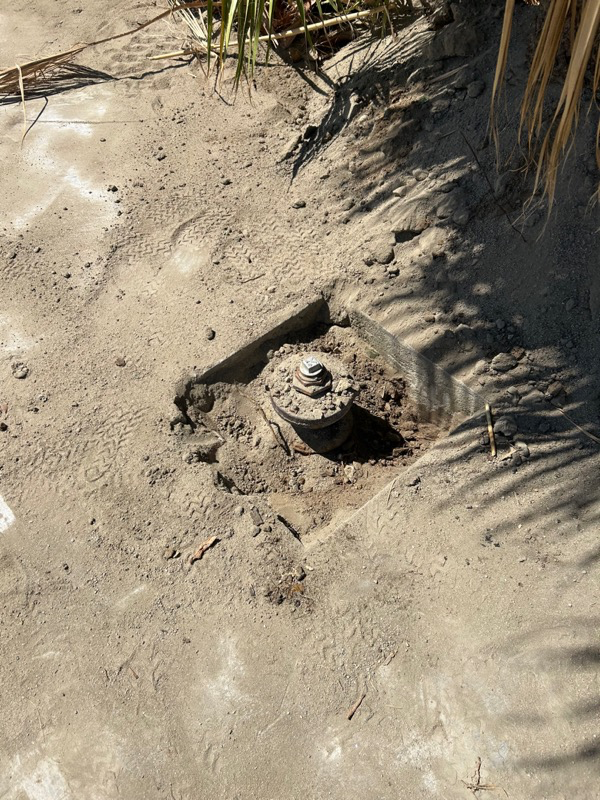
Proper abandonment follows specific procedures. First, obtain required county permits, providing well location and proposed methods. Licensed well contractors perform the actual work in most jurisdictions. The process begins with removing pumps, piping, and any other equipment from the well. The contractor then fills the well with approved sealing materials—typically neat cement grout, sand-cement grout, or bentonite clay—placed from the bottom up using a tremie pipe to ensure complete filling without voids. Multiple sealing stages may be required for wells penetrating multiple aquifer zones. The casing is cut at least two feet below ground surface and capped. Finally, completion reports documenting the abandonment are filed with the county and state DWR within required timeframes. SCWS manages the entire process from permit application through final documentation.
Costs and Timeframes
Abandonment costs vary considerably based on well characteristics. Simple, shallow residential wells might be abandoned for $1,500-2,500. Deeper wells or those with larger diameters require more sealing material and labor time, potentially reaching $5,000 or more. Complications like stuck equipment, casing damage, or artesian conditions requiring special procedures increase costs further. Agricultural and industrial wells may exceed $10,000. Permits typically require 1-2 weeks for approval. The physical abandonment work usually completes in one day for standard residential wells. Documentation filing adds additional time. SCWS provides detailed estimates after evaluating specific well conditions, ensuring no surprises during the abandonment process.
Consequences of Improper Abandonment
Improper well abandonment creates serious legal and environmental consequences. Property owners may face enforcement actions from county health departments or state water boards, including orders to properly abandon wells and civil penalties. If contamination results from improperly abandoned wells, owners may be liable for remediation costs potentially reaching hundreds of thousands of dollars, plus damages to affected parties. Properties with improperly abandoned wells face disclosure requirements during sale, potentially affecting value and marketability. Some buyers and lenders require proof of proper abandonment before closing transactions. The modest cost of proper abandonment protects against these far larger potential liabilities while fulfilling environmental responsibility to protect shared groundwater resources.
We service all major pump brands including Franklin Electric, Grundfos, Goulds (Xylem), and Sta-Rite (Pentair). Our trucks carry common parts and components for same-day repairs.
Frequently Asked Questions
Why must wells be properly abandoned in California?
California law requires proper well abandonment to protect groundwater resources. Improperly abandoned wells create direct pathways for surface contamination to reach aquifers, potentially affecting drinking water supplies for entire communities. Old wells may also allow intermixing between water-bearing zones with different quality, degrading clean aquifers. Proper abandonment seals these pathways permanently. California Water Code and county ordinances mandate specific procedures, and property owners remain liable for contamination from wells on their property.
What does proper well abandonment involve?
Proper abandonment requires removing pumps and equipment, filling the well with approved sealing materials (typically cement grout or bentonite), sealing from bottom to surface to prevent any vertical water movement, cutting the casing below ground surface, and filing completion reports with the county and state. Licensed contractors must perform the work in most jurisdictions. The goal is permanently sealing the well to prevent any groundwater contamination or aquifer communication. SCWS handles complete abandonment including permits, procedure, and required documentation.
Do I need a permit to abandon a well?
Yes, most California counties require permits before well destruction. San Diego County requires permits from the Department of Environmental Health. Applications typically include well location, proposed abandonment method, and contractor information. Fees vary but typically range $150-400. Unpermitted abandonment violates regulations and may result in penalties. Worse, improper abandonment may require re-excavation and proper sealing at much greater expense. SCWS obtains required permits as part of our abandonment services.
How much does proper well abandonment cost?
Abandonment costs depend on well depth, diameter, condition, and accessibility. Typical residential well abandonment in San Diego County ranges from $1,500 to $5,000. Deeper wells, larger diameters, and difficult access increase costs. Wells with stuck equipment or casing damage requiring special procedures cost more. The cost includes permits, equipment removal, sealing materials, labor, and required documentation. SCWS provides abandonment estimates after evaluating specific well conditions.
What if I want to keep a well but not use it?
Inactive wells must be maintained to prevent contamination even if not in use. This means maintaining proper sanitary seals, ensuring caps are secure, and keeping wellhead areas properly graded. Some jurisdictions require periodic inspection of inactive wells. If the well won't be used for extended periods, abandonment may be more practical than ongoing maintenance liability. Consider future water needs before abandoning—new well drilling typically costs far more than maintaining an existing well.
Get Expert Help
Contact Southern California Well Service for professional assistance.
Call (760) 440-8520Serving San Diego, Riverside & San Bernardino Counties
Related Articles
Continue learning about well maintenance and troubleshooting