Does Well Depth Affect Water Quality?
📋 In This Guide
Shallow Wells (Under 100 feet)
Shallow wells draw water from unconfined aquifers — underground water zones that sit relatively close to the surface without a protective clay or rock layer sealing them off from above. Because these aquifers are recharged directly by rainfall percolating through the soil, the water quality in shallow wells tends to be more variable and responsive to what's happening on the surface.
In Southern California, many older residential wells — particularly in areas like Ramona, Lakeside, and parts of Fallbrook — were originally drilled as shallow wells. Some of these wells are only 50 to 80 feet deep. While they've served homeowners well for decades, their proximity to the surface makes them inherently more vulnerable to contamination from agricultural runoff, septic system leachate, and stormwater infiltration.
Quality Considerations
| Aspect | Shallow Well Tendency |
|---|---|
| Bacteria risk | Higher (less natural filtration between surface and water) |
| Nitrate risk | Higher (agriculture, septic system influence) |
| Pesticide risk | Higher (surface water influence) |
| Hardness | Often lower (less mineral contact time) |
| Iron/manganese | Variable depending on soil composition |
The biggest concern with shallow wells is bacterial contamination. Coliform bacteria and E. coli can enter a shallow aquifer after heavy rain events, particularly if the wellhead seal is degraded or if there's a septic system within 100 feet. The San Diego County Department of Environmental Health requires a minimum setback of 100 feet between wells and septic systems, but many older properties were built before these standards were enforced.
Nitrate contamination is another significant risk for shallow wells. In agricultural areas of eastern San Diego County and the Anza Valley in Riverside County, fertilizer applications can push nitrate levels above the EPA's maximum contaminant level of 10 mg/L. Nitrates are particularly dangerous for infants and pregnant women, which is why we recommend testing shallow wells at least twice per year in agricultural areas.
Advantages of Shallow Wells
- Often produce softer water with fewer dissolved minerals
- Lower initial drilling cost — typically $5,000 to $15,000
- Easier and less expensive to service pumps
- Faster recharge rates after pumping
Disadvantages of Shallow Wells
- More vulnerable to surface contamination
- May go dry during extended drought periods
- Water level fluctuates significantly with seasons
- Often require additional water treatment systems
- Lower yield during peak summer demand
Deep Wells (200+ feet)
Deep wells tap into confined aquifers — underground water-bearing formations that are sealed above and below by impermeable layers of clay, shale, or dense rock. This natural barrier acts like a protective shield, preventing surface contaminants from reaching the water. In many parts of San Diego and Riverside Counties, deep wells drilled into fractured granite or confined alluvial zones produce clean, reliable water that requires minimal treatment.
The trade-off with deep wells is mineral content. Water that has spent decades — sometimes centuries — in contact with rock formations dissolves calcium, magnesium, iron, and other minerals along the way. This is why deep well water tends to be harder and may have a higher concentration of dissolved solids. In some areas around Julian, Pine Valley, and the mountain communities east of San Diego, deep wells can also contain naturally occurring arsenic from the granite bedrock, which requires testing and potentially treatment.
Quality Considerations
| Aspect | Deep Well Tendency |
|---|---|
| Bacteria risk | Lower (confined aquifer provides natural protection) |
| Nitrate risk | Lower (protected from surface infiltration) |
| Hardness | Often higher due to extended mineral contact |
| Iron/manganese | Often higher — stains fixtures and laundry |
| Arsenic | Possible in granite formations |
| Sulfur (H₂S) | More common — causes rotten-egg smell |
Deep wells in Southern California typically range from 200 to 500 feet, though some properties in the mountain communities require wells exceeding 600 feet to reach a productive aquifer. The cost of a deep well is significantly higher — not only because of the additional drilling footage, but because deeper wells require more casing, more grout, and more powerful submersible pumps to push water up to the surface.
One major advantage of deep wells is water supply reliability. During California's frequent droughts, shallow wells often see their water levels drop dramatically or even go dry entirely. Deep wells drawing from confined aquifers are far less affected by seasonal and year-to-year rainfall variations. For homeowners who experienced water loss during the 2012–2016 drought, investing in a deeper well provided long-term peace of mind.
Advantages of Deep Wells
- Excellent protection from surface contamination and bacteria
- More reliable water supply during drought conditions
- Consistent water quality year-round
- Often higher yield and flow rates
Disadvantages of Deep Wells
- Higher drilling cost — typically $25,000 to $50,000+
- Water may be harder and contain more dissolved minerals
- Pump servicing is more expensive due to depth
- May have naturally occurring contaminants like arsenic or fluoride
- Longer wait times to drill (larger rigs, more complex permitting)
Local Geology Matters Most
If there's one thing we want every well owner to understand, it's this: geology matters more than depth. Two wells drilled to 300 feet in different locations can produce vastly different water. One might yield crystal-clear, low-mineral water from a clean fractured granite zone. The other might produce iron-stained, sulfur-smelling water from a decomposed rock formation at the exact same depth.
Water quality is ultimately determined by what rock and soil formations the water passes through on its journey from the surface to the aquifer and then up through your well. The type of rock, the minerals it contains, the presence of organic material, and the speed at which water moves through the formation all influence what ends up coming out of your tap.
Rock Type Effects on Water Quality
| Rock Type | Water Characteristics | Common Locations |
|---|---|---|
| Granite/Igneous | Often softer water, may have arsenic in some formations | Julian, Palomar Mountain, Pine Valley, Cuyamaca |
| Limestone/Metasedimentary | Hard water with good mineral content, typically good yield | Parts of Anza, Warner Springs |
| Sandstone/Alluvial | Variable quality, often good, depends on source material | Valley Center, Ramona valley floor, Temecula |
| Shale/Clay | May have sulfur, typically low yield, poor aquifer material | Some coastal and transitional zones |
Aquifer Zones
Many areas in San Diego and Riverside Counties have multiple aquifer zones stacked at different depths, each with its own water quality characteristics. An experienced driller doesn't just drill to a target depth — they monitor the geology as they drill, watching for changes in rock type, noting where fractures produce water, and testing the quality and yield of each water-bearing zone they encounter.
In some locations, the driller may intentionally skip a shallow aquifer with poor quality to reach a deeper zone known to produce cleaner water. In other cases, a shallow zone may produce excellent water and there's no reason to drill deeper. This is why local drilling experience is invaluable — a driller who has worked in your specific area for years knows what to expect at different depths and can advise on the optimal drilling strategy for both water quality and quantity.
San Diego County Geological Zones
Understanding the broad geological zones in our service area helps explain why water quality varies so much from one property to the next:
- Eastern mountain areas (Julian, Cuyamaca, Palomar): Fractured granite formations. Well depths vary from 100 to 500+ feet. Water is generally good quality but may contain arsenic in certain formations. Yields depend entirely on hitting fractures — some spots produce 30 gallons per minute while a well 200 feet away produces barely 1 GPM.
- Inland valleys (Ramona, Valley Center, Escondido): Alluvial fill over decomposed granite. Shallower wells are common (100–300 feet). Water quality is generally good but may have elevated hardness and some iron.
- Riverside County (Anza, Aguanga, Temecula east): Mixed geology with both alluvial and fractured rock zones. Some areas have excellent water; others have high mineral content. Well depths range widely from 100 to 600+ feet.
- Desert transition areas (Borrego, Shelter Valley): Deep alluvial basins. Wells can be relatively shallow (200–400 feet) but water may have elevated TDS (total dissolved solids) and hardness.
Water Quality Factors by Depth
Different water quality issues tend to correlate with well depth, though there are always exceptions based on local conditions. Understanding which contaminants are more likely at different depths helps you know what to test for and what treatment systems you might need.
Factors More Common in Shallow Wells
- Bacteria (Coliform, E. coli): The most common contaminant in shallow wells. Surface water can carry bacteria down to unconfined aquifers, especially after heavy rain or if the wellhead seal is compromised. Annual testing is essential.
- Nitrates: Primarily from agricultural fertilizers and septic system leachate. Nitrate levels above 10 mg/L are considered unsafe by the EPA, particularly for infants who can develop "blue baby syndrome" (methemoglobinemia).
- Pesticides and herbicides: Agricultural chemicals applied to fields and orchards can migrate through permeable soils into shallow groundwater. This is a particular concern in farming areas of Anza, Fallbrook, and De Luz.
- Turbidity: Shallow wells may produce cloudy water after heavy rainfall events as disturbed sediment enters the aquifer. This typically clears within a few days but can indicate that the well needs a better surface seal.
Factors More Common in Deep Wells
- Hardness (calcium and magnesium): Water that has spent years dissolving minerals from rock formations is typically much harder than shallow water. Hard water causes scale buildup in pipes and water heaters, and leaves spots on fixtures and dishes.
- Iron and manganese: Dissolved iron above 0.3 mg/L causes orange-brown staining on fixtures, laundry, and toilets. Manganese above 0.05 mg/L creates black staining. Both are common in deep wells throughout San Diego County.
- Hydrogen sulfide (sulfur): The familiar rotten-egg smell. Produced by sulfur-reducing bacteria in deep anaerobic zones or by the water passing through sulfide-containing rock. While generally not harmful, it makes water unpleasant to drink and can corrode copper pipes.
- Arsenic: A naturally occurring element found in certain granite formations. Some wells in the Julian and Palomar Mountain areas test above the EPA's 10 ppb limit. Arsenic is tasteless and odorless, so testing is the only way to know if it's present.
- Fluoride: Can be elevated in deep wells, sometimes exceeding the EPA's recommended limit of 4 mg/L. High fluoride levels can cause dental fluorosis in children.
- Radon: A radioactive gas that can dissolve in groundwater, particularly in granite areas. While radon in water is a lesser risk than radon in air, aeration or activated carbon treatment can remove it effectively.
Factors Independent of Depth
Some water quality issues have nothing to do with depth and everything to do with how the well was built and maintained:
- Well construction quality: A properly sealed well with adequate surface casing and an intact wellhead prevents contamination at any depth. A poorly constructed well — even a deep one — can allow surface water to migrate down the outside of the casing.
- Well maintenance: Regular inspection of the wellhead, cap, and seal prevents contamination pathways. Shock chlorination should be performed whenever the well is opened for pump service.
- Proximity to contamination sources: Septic systems, fuel storage tanks, animal pens, and chemical storage areas should all maintain proper setbacks from the well regardless of depth.
Protecting Your Well Water
Whether your well is 80 feet deep or 400 feet deep, proactive maintenance and testing are the best ways to ensure safe, clean drinking water for your family. California doesn't regulate private well water quality — that responsibility falls entirely on the well owner. Here's how to protect your investment and your health.
For All Wells — Regardless of Depth
- Test water annually: At minimum, test for bacteria (total coliform and E. coli) and nitrates every year. The San Diego County DEH recommends testing whenever there's a change in taste, odor, or appearance.
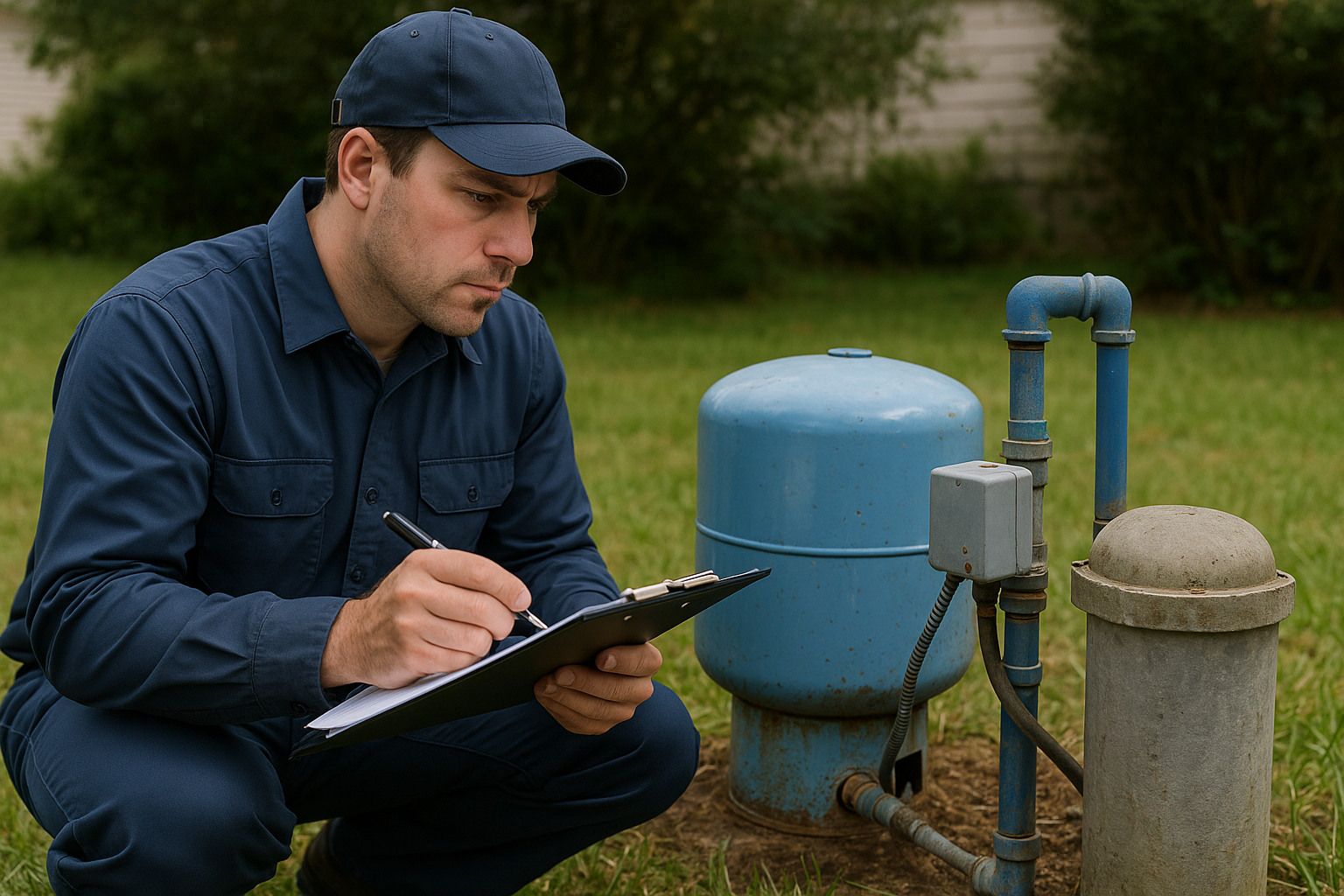
- Inspect the wellhead: Check that the well cap is securely fastened and the sanitary seal is intact. Cracks, gaps, or missing caps allow insects, rodents, and surface water to enter the well.
- Maintain proper setbacks: Keep septic systems at least 100 feet from the well. Fuel storage, animal pens, and chemical storage should be even farther away. Grade the land around the wellhead so surface water flows away from the well, not toward it.
- Keep records: Maintain a file with your well log, water test results, pump specifications, and service history. This information is invaluable for troubleshooting problems and for future property transactions.
- Shock chlorinate after service: Any time the well is opened — for pump replacement, camera inspection, or any other reason — it should be shock chlorinated before returning to service.
Additional Steps for Shallow Wells
Shallow wells require extra vigilance because they lack the natural protection of confining layers:
- Test for bacteria and nitrates at least twice per year, and after any major storm event
- Consider installing a continuous disinfection system (UV light or chlorination) if bacteria have been detected more than once
- Maintain an especially well-graded area around the wellhead — standing water near a shallow well is a contamination risk
- Be aware of any new land-use changes within 500 feet of your well (new septic systems, agricultural activity, construction)
- If your well is less than 50 feet deep in an area with known contamination risks, consider deepening the well or drilling a new, deeper well for long-term safety
Additional Steps for Deep Wells
Deep wells are naturally better protected from surface contamination, but they come with their own set of monitoring needs:
- Test for hardness, iron, manganese, and TDS to determine if treatment is needed for household comfort and appliance protection
- In granite areas (Julian, Palomar, Cuyamaca), test for arsenic at least once — if detected, retest annually
- Install appropriate treatment systems: water softeners for hardness, iron filters for staining, and aeration or activated carbon for sulfur
- Monitor water quality over time — sudden changes in a deep well (new odors, color changes, or sediment) can indicate a casing failure that's allowing shallow water to enter the well
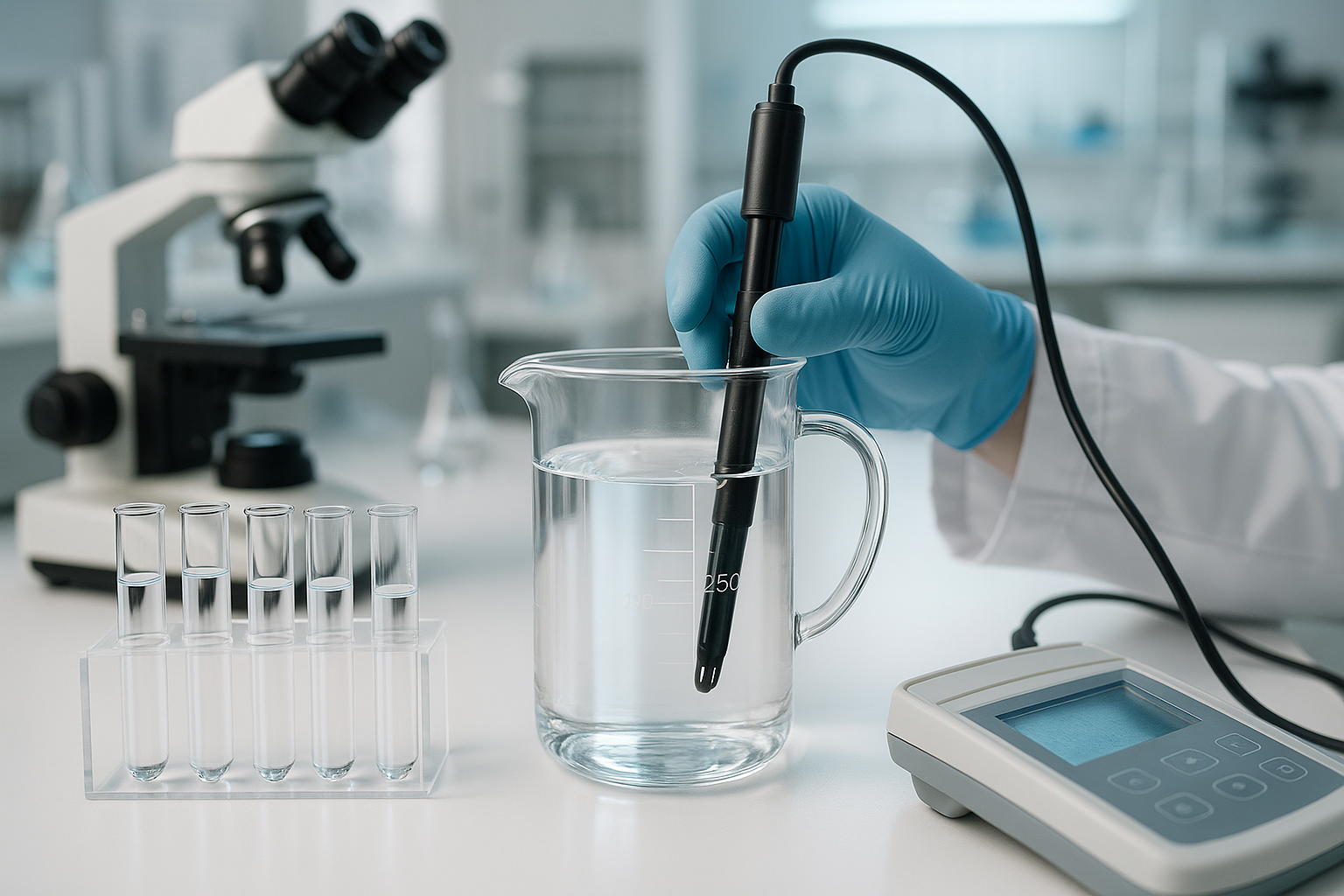
We use Hach and LaMotte professional water testing equipment for field analysis, with comprehensive lab testing through certified California laboratories.
Frequently Asked Questions
Does a deeper well mean better water quality?
Not necessarily. Deeper wells are typically better protected from surface contamination but may have more minerals. Best quality depends on local geology.
How deep should a well be for good water?
No universal answer—depends entirely on local conditions. Your driller knows what depths produce best water in your area.
Is deeper well water safer to drink?
Generally safer from bacteria and nitrates (surface contamination), but may have naturally occurring minerals or elements like arsenic. Always test.
Why is deep well water harder?
Water spends more time in contact with minerals in rock formations, dissolving calcium and magnesium (hardness).
Can I make my shallow well deeper?
Sometimes—depends on well construction and geology. May be better to drill new well in some cases.
Questions About Your Well Water?
We can test your water and recommend any needed treatment based on your specific situation.
Related Articles
Continue learning about well maintenance and troubleshooting