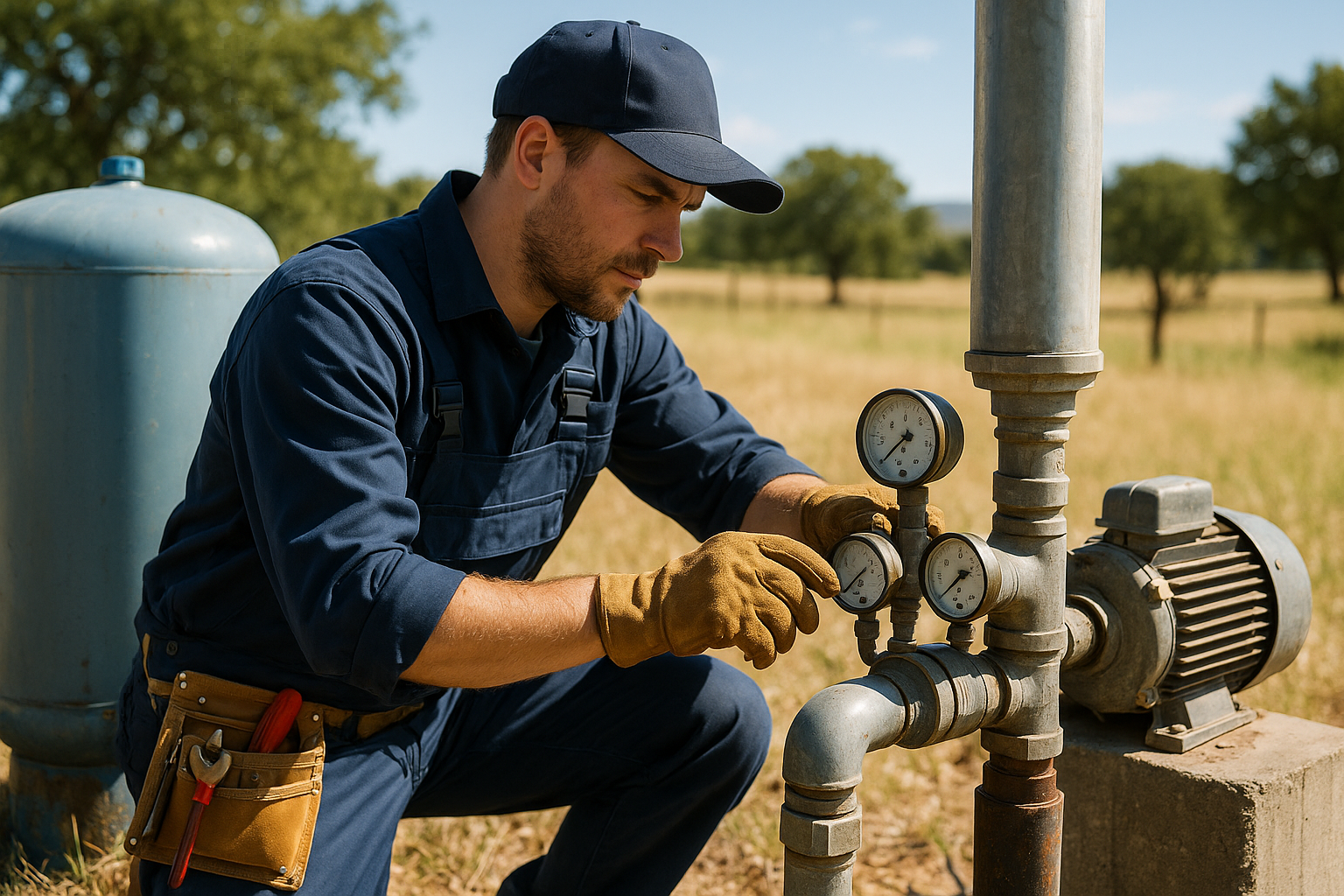
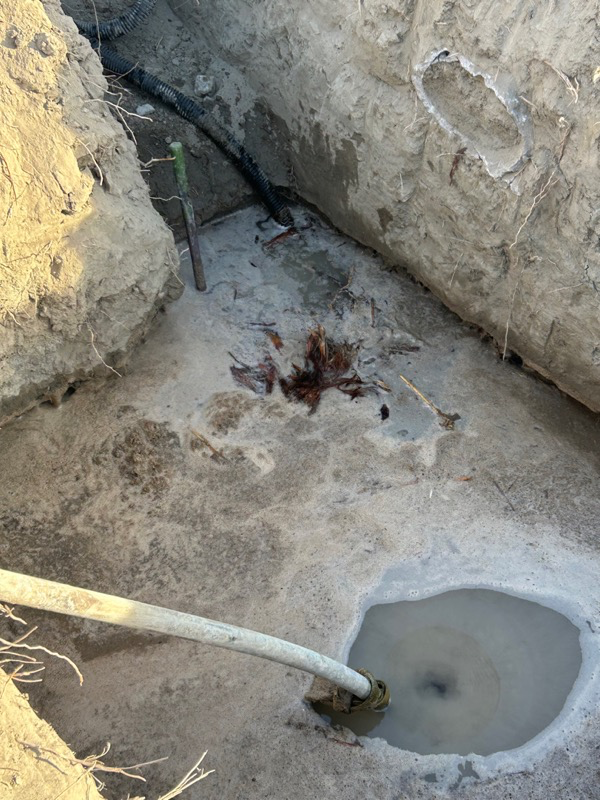
Well Inspection Services in Lake Gregory
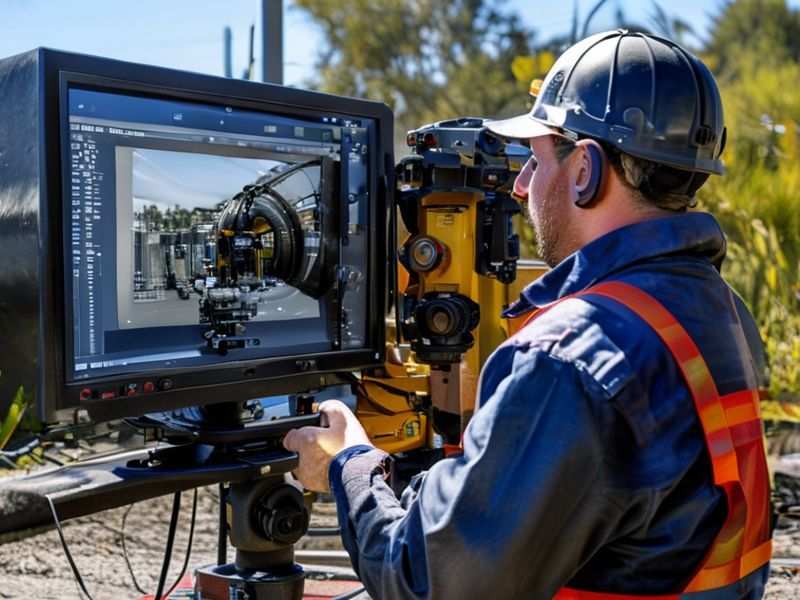
Buying a property with a well in Lake Gregory? Need an annual well checkup? Southern California Well Service provides thorough well inspections with detailed reports on well condition, water quality, and system performance.
📋 In This Guide
Need Well Inspection in Lake Gregory?
We serve Lake Gregory, Crestline, and the surrounding San Bernardino Mountains. Licensed C-57 contractor, founded in 2020 in the field.
Call: (760) 440-8520Mountain Wells in Lake Gregory
Lake Gregory sits high in the San Bernardino Mountains at the heart of the Crestline community, roughly 4,600 feet above sea level. That elevation defines almost everything about the water systems up here. This is not the deep alluvial valley aquifer that supplies the flatlands below; the ground beneath Crestline is fractured granitic and crystalline bedrock, and a mountain well does not draw from a broad, sandy reservoir so much as from a network of cracks, seams, and fractures in solid rock. Where those fractures happen to intersect the borehole determines whether a well is a strong producer or a marginal one, and two properties on the same street can have very different water pictures.
Because water moves through rock along fracture pathways rather than through porous sediment, hard-rock mountain wells around Lake Gregory typically produce lower yields than valley wells and recover more slowly after heavy use. That is normal for the geology, not a defect, but it means a Crestline well has to be managed with its true capacity in mind. Storage, pump sizing, and household demand all have to line up with what the fractures can actually deliver, especially during a dry summer or a busy holiday weekend when the cabins fill up.
Then there is winter. Lake Gregory sees real snow, hard freezes, and long cold stretches that lowland wells never face. Exposed pipe, pressure tanks in unheated pump houses, wellhead seals, and above-grade wiring all take a beating from freeze-thaw cycles. A well inspection in this forest terrain has to account for cold-weather wear that simply is not part of the conversation down the hill. When we evaluate a Lake Gregory well, we are reading both the rock and the climate.
What We Inspect on a Lake Gregory Well
Our inspection is a systematic walk through every component of the system. On a fractured-rock mountain well, the water-level and yield portion carries extra weight, because that is where the geology shows up. Here is what a full inspection covers:
Static Level, Pumping Level, and Recovery
- We measure the static water level with the pump idle, then the pumping (drawdown) level under load, and time how the well recovers afterward.
- On a hard-rock Crestline well, a slow recovery is expected up to a point; what we are looking for is whether the well can sustain the household through peak demand without the pump breaking suction.
Pump Performance
- Flow rate in gallons per minute (GPM) measured at the source, so you know the real delivery of the well rather than a filtered reading at the tap.
- Delivery pressure checked against the pump curve and the switch settings.
- Motor amperage read against the nameplate to catch a pump that is overworking against a low water column.
Pressure Tank and Switch
- We test the tank's air pre-charge and the pressure switch cut-in and cut-out points. Adequate tank storage matters even more on a low-yield mountain well, since the tank buffers demand the fractures cannot supply instantly.
Electrical, Control Box, and Wiring
- Control box, relays, capacitors, breaker, conduit, and grounding are inspected. In Crestline's damp, freezing pump houses, corroded connections and moisture intrusion are common findings.
Wellhead, Sanitary Seal, and Casing
- We check the wellhead, sanitary seal, cap, vent, and casing for cracks, corrosion, frost heave, and any route that surface water or snowmelt could take into the well.
Water Quality Sampling
- We collect samples for bacteria (total coliform and E. coli), nitrates, and a mineral panel covering hardness, iron, manganese, and total dissolved solids.
Water Testing for Crestline Properties
Water quality in fractured granitic bedrock tends to look different from valley water. Hardness and dissolved minerals leached from the surrounding rock are common, and iron or manganese can show up depending on which fractures a well taps. Bacteria testing is essential in a forested watershed, where snowmelt, seasonal runoff, and the region's abundant wildlife can introduce coliform if a sanitary seal is compromised. We run bacteria, nitrate, and mineral panels as our baseline, and we can add specific constituents such as metals or radon if a first round of results or the site history warrants it. Getting a documented baseline matters especially for seasonal cabins that sit idle for months, since standing water in a low-use system behaves differently than water in a home used every day.
Buying, Selling, and Annual Checkups
If you are purchasing a Lake Gregory cabin or home on a private well, a pre-purchase inspection is the single most important due-diligence step you can take. Mountain wells vary so much from parcel to parcel that a well serving the neighbor's place tells you nothing reliable about yours. Buyers get an honest read on yield and water quality; sellers get documentation that keeps escrow from stalling; and lenders and escrow officers get the written confirmation of a safe, adequate supply that they routinely require before funding a loan in these communities.
For homeowners who already own up here, an annual preventive inspection is the smart play, and the ideal time is before winter sets in. Catching a weak pressure tank, a corroded connection, or an unprotected run of pipe in the fall is a minor fix; discovering it when a January freeze leaves you without water is an emergency, and emergencies at 4,600 feet in the snow are neither quick nor cheap to resolve. A yearly checkup also lets us track a well's yield over time so a gradual decline gets noticed early rather than during the first hot, crowded weekend of summer.
Your Inspection Report
Every Lake Gregory inspection concludes with a written report you can use. It records our findings for each component, includes photographs of the wellhead, pump house, and any concerns we identified, and gives you clear, prioritized recommendations. When repairs are called for, you get itemized estimates up front, and the laboratory results from your water samples are added as soon as the lab returns them. Whether you are handing it to a lender, negotiating a purchase, or just building a maintenance history for your mountain property, the report gives you documentation you can stand behind.
When to Schedule an Inspection
Book an inspection when you are buying or selling a Crestline-area property on a well, ahead of loan funding or appraisal, once a year for preventive care (ideally in the fall), and any time the warning signs appear: dropping pressure, sputtering or air in the lines, cloudy or discolored water, a pump that cycles constantly, or a sudden climb in your electric bill. In freeze-prone terrain, a mid-winter loss of water is far more disruptive than anywhere in the valley, so acting early is worth it.
Cost of a Well Inspection in Lake Gregory
A full well inspection in the Lake Gregory area runs $150 to $400, depending on the depth of the well and how complex the system is. A standalone water quality test is $100 to $300 based on the constituents screened, and a flow and yield test is $150 to $350, an especially worthwhile check on a lower-yield mountain well. If we perform a targeted diagnostic to chase down a specific fault, the fee is $125 and is credited toward the repair if you hire us to complete the work. Our quotes are straightforward, with no invented problems.
When to Call a Professional
Resetting a tripped breaker, adjusting a pressure switch, or checking a tank's air charge are reasonable do-it-yourself tasks. Anything that means pulling the pump, opening the casing, or tracing an electrical fault should go to a licensed C-57 contractor. Mountain wells are often deep in hard rock, access can be tricky on steep forest lots, and a dropped pump or a damaged casing is an expensive mistake to make on a granite well. When you are unsure, a phone call costs far less than a recovery job.
Serving Lake Gregory and the Rim of the World
Southern California Well Service works throughout the Lake Gregory basin and the neighboring mountain communities, including Crestline, Lake Arrowhead, Twin Peaks, and Cedarpines Park, all along the Rim of the World corridor. We know the granitic terrain, the winter conditions, and the quirks of hard-rock wells that make this stretch of the San Bernardino Mountains its own kind of service area.
Mountain Expertise
We understand fractured-rock wells and Rim of the World conditions.
Fast Response
Same-day service across the Crestline and Lake Gregory area.
Fair Pricing
Honest quotes, diagnostic fee credited toward repairs.
Quality Work
CSLB #1086994 from mountain homeowners across the region.
Our Locations
We service all major pump brands including Franklin Electric, Grundfos, Goulds (Xylem), and Sta-Rite (Pentair). Our trucks carry common parts and components for same-day repairs.
Frequently Asked Questions
Why do mountain wells in Lake Gregory produce less water than valley wells?
Wells around Lake Gregory draw from fractured granitic and crystalline bedrock rather than a porous sand-and-gravel aquifer. Water reaches the borehole only through cracks and seams in the rock, so yields are naturally lower and recovery is slower. This is normal for the geology, and a properly sized pump and pressure tank are what make a modest-yield well serve a household comfortably.
When is the best time to have my Crestline well inspected?
Fall, before the first hard freeze, is ideal. Catching a weak tank, corroded wiring, or unprotected pipe in autumn is a small repair; finding it after a winter freeze leaves you without water is a genuine emergency at this elevation. A pre-winter inspection is the best insurance a mountain homeowner can buy.
Can freezing weather damage my well system?
Yes. At roughly 4,600 feet, Lake Gregory experiences snow and repeated freeze-thaw cycles that can crack exposed pipe, split pressure tanks in unheated pump houses, and compromise wellhead seals. Part of every inspection we do here is checking cold-weather vulnerabilities and recommending insulation or heat tape where it is needed.
Should I test the water on a seasonal cabin?
Absolutely. A well that sits idle for months behaves differently than one used daily, and standing water in a low-use system can develop bacteria. We recommend a bacteria, nitrate, and mineral panel before you reoccupy a seasonal Crestline property, and a fresh sanitary check of the wellhead.
Do lenders require a well inspection in the Lake Gregory area?
Most lenders and escrow companies financing mountain properties on private wells want written confirmation that the well delivers a safe and adequate supply before they fund the loan. Our reports are the kind of documentation those parties look for, and we deliver them promptly so escrow stays on schedule.
How much does a well inspection cost in Lake Gregory?
A full inspection is $150 to $400, a water quality test is $100 to $300, and a flow and yield test is $150 to $350. If we run a diagnostic on a specific problem, the $125 fee is credited toward the repair when you hire us to complete the work.
Get a Free Estimate
Call or text now for well inspection in Lake Gregory
(760) 440-8520Prefer to text? (760) 219-5877
Related Articles
Continue learning about well maintenance and troubleshooting