Well Inspection Services in Ocean Beach
Buying a property with a well in Ocean Beach? Need an annual well checkup? Southern California Well Service provides thorough well inspections with detailed reports on well condition, water quality, and system performance.
Need Well Inspection Near Ocean Beach?
We serve Ocean Beach and all of San Diego County. Licensed C-57 contractor (CSLB #1086994), founded 2020. Same-day emergency service available.
Call: (760) 440-8520Well Inspections in Ocean Beach and Across San Diego County
Ocean Beach is the laid-back coastal neighborhood at the very northwestern corner of the Point Loma peninsula, set right where the San Diego River empties into the Pacific just south of Mission Bay and about seven miles northwest of downtown San Diego. Like most of the urban coast, OB itself is served almost entirely by City of San Diego municipal water, so you will not find many active private wells on the cottage-lined streets between Newport Avenue and the pier. Where private wells genuinely matter to San Diego County homeowners is inland: across the unincorporated backcountry and East County, from the granite hills around Ramona, Julian, and Alpine out to the desert edges of Anza-Borrego. Southern California Well Service inspects wells across that entire footprint, and we work with OB-area buyers, sellers, and agents whose transactions involve property on well water elsewhere in the county.
That distinction matters because a well inspection is only as good as the inspector's understanding of the ground the well is drilled into. San Diego County's backcountry wells are typically drilled into the Peninsular Ranges batholith, a vast mass of granitic and metamorphic bedrock. These are fractured-rock wells: instead of drawing from a sandy aquifer that yields water freely, they depend on the network of cracks and fissures in hard rock to feed the borehole. They are commonly several hundred feet deep and are often lower-yield wells, measured in single-digit gallons per minute rather than tens of gallons. Closer to the coast and along river corridors like the San Diego River, you can also find shallower alluvial wells that tap sand and gravel deposits, and those bring their own concerns, chiefly salinity from seawater influence and elevated nitrates from historic agriculture and septic systems.
Southern California's long-running drought cycles make all of this more urgent. When regional groundwater levels drop, fractured-rock wells are the first to feel it: static levels fall, recovery slows, and a well that comfortably supplied a household five years ago may now struggle in the dry late-summer months. That is exactly why a yield and recovery test is the heart of any meaningful inspection here. Add in that many backcountry wells were drilled decades ago, with aging casings, original pumps, and pressure tanks well past their service life, and the case for getting eyes on the system before you buy, sell, or head into another dry season is strong.
What a Professional Well Inspection Covers
A complete inspection from Southern California Well Service is a full system evaluation, not a quick glance at the wellhead. Here is what our licensed technicians examine and document:
- Flow and yield testing. We measure how many gallons per minute the well actually produces and how quickly it recovers after sustained pumping. On a fractured-rock well in the Peninsular Ranges batholith, this is the single most important number, because it tells you whether the well can keep up with real household demand through a drought year.
- Static and pumping water levels. We record the resting (static) water level and the drawn-down (pumping) level. The relationship between the two reveals how hard the well is working and how much usable column of water remains above the pump.
- Water quality testing. We collect samples and advise on testing for bacteria (coliform and E. coli), nitrates, and total dissolved solids. For alluvial wells near the San Diego River or other coastal influence, we pay particular attention to salinity and chloride levels; for backcountry granitic wells we watch for hardness, iron, manganese, and occasionally naturally occurring elements common in granite formations.
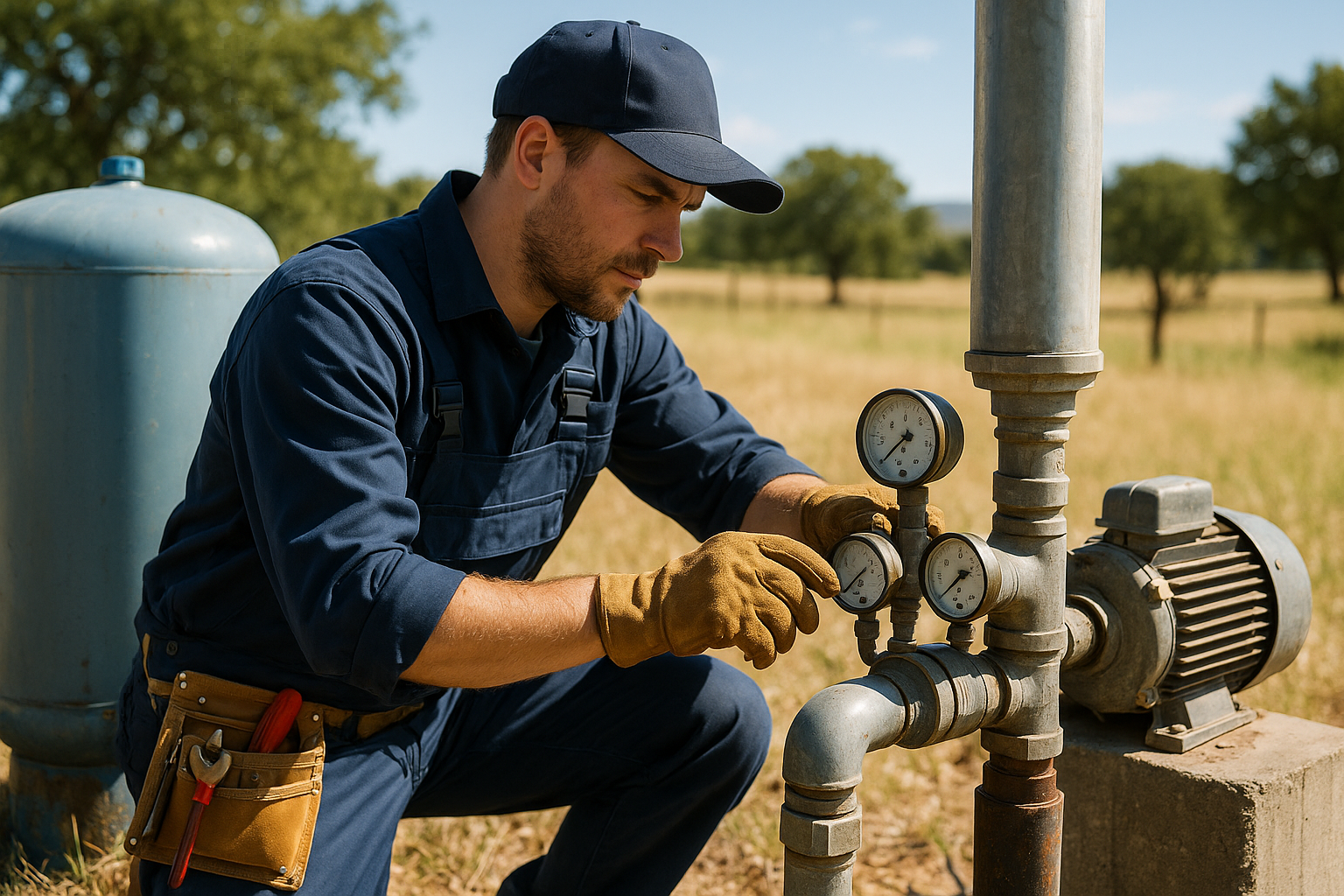
- Pump, pressure tank, and electrical. We assess the submersible or jet pump's condition and amperage draw, check the pressure tank's air charge and bladder, and inspect wiring, the pressure switch, the control box, and breakers for safety and proper operation.
- Wellhead and sanitary seal. We confirm the wellhead is sound, properly capped, and vented, and that the sanitary seal is intact to keep surface water, insects, and contaminants out of the borehole.
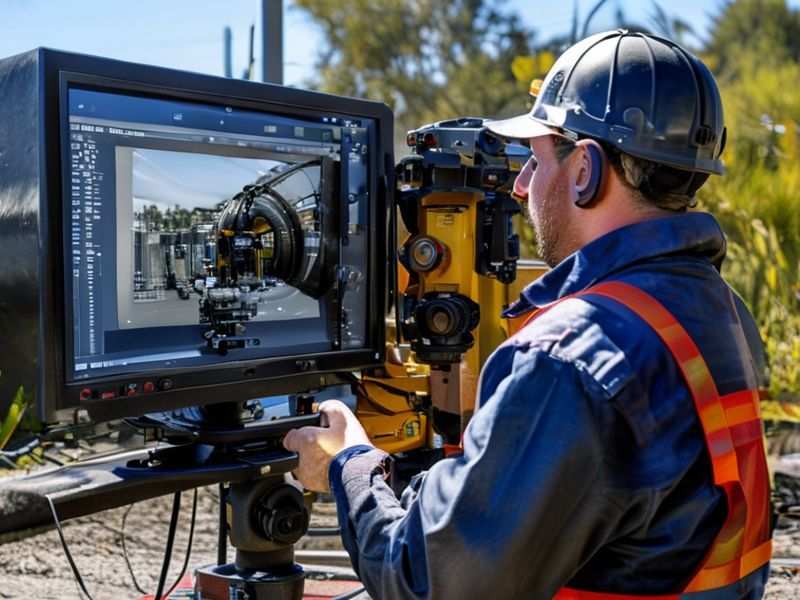
- Casing condition. We evaluate visible casing for corrosion, cracks, or misalignment, and where appropriate recommend a downhole video inspection to see the casing and screen condition below grade.
Every inspection ends with a written report you can hand to a lender, title company, buyer, or seller, including our findings, any concerns, and clear recommendations with estimates so there are no surprises.
When You Need a Well Inspection
Before buying or selling a home
A pre-purchase well inspection is the most common reason San Diego County buyers call us. A standard home inspection rarely covers the well in any depth, yet the well is the property's entire water supply. Before you commit to a backcountry home, you want to know the well's true yield, water quality, and the condition and age of the pump and pressure equipment. Our reports are written to be accepted by lenders and title companies, and sellers increasingly order an inspection up front to keep escrow moving and avoid last-minute renegotiation.
As routine annual maintenance
If you already own a property on well water, an annual checkup catches small problems before they become no-water emergencies. Pumps wear, pressure tanks lose their charge, and in drought years water levels shift. An annual inspection lets you plan repairs on your schedule rather than during a heat wave with a dry tap.
After a problem appears
Dropping pressure, sputtering faucets, sand or cloudiness in the water, a pump that short-cycles or runs constantly, or a sudden jump in your electric bill are all signs something is wrong. An inspection diagnoses the root cause so you repair the actual problem instead of guessing.
Simple DIY Checks Between Inspections
There are a few things you can safely monitor yourself between professional visits. Watch your water pressure and note any gradual decline. Listen to your pump: rapid on-off cycling or a pump that never seems to shut off both signal trouble. Keep an eye on water clarity and taste, and check for any sand or sediment collecting in fixtures or filters. Glance at the wellhead now and then to make sure the cap is secure and nothing has disturbed the seal, and keep landscaping, chemicals, and animals away from it. Finally, track your electric bill, since a struggling pump quietly drives up usage. What you should not attempt is pulling the pump or opening the well casing yourself; that requires specialized equipment and risks contaminating or damaging the well. Leave anything downhole to a licensed contractor.
Well Inspection Costs
A standard well inspection from Southern California Well Service typically runs $150 to $300, depending on the scope and the well's depth and configuration. Water quality testing varies by the panel of contaminants tested and the certified lab used. If your inspection turns into troubleshooting a specific failure, our diagnostic fee is $125, and we credit it toward any repair we perform.
For context on common repairs people often discover during an inspection: pump replacement generally falls between $2,500 and $5,500 depending on well depth and pump type, and pressure tank replacement typically runs $600 to $1,500. We always diagnose first and quote clearly before any work begins, so you can make an informed decision.
Our Service Area Around Ocean Beach and San Diego County
From Ocean Beach we serve the neighboring coastal communities of Point Loma, Sunset Cliffs, Pacific Beach, and Mission Beach, where most properties are on municipal water but the occasional legacy or irrigation well still needs professional attention. Our core well work, though, is inland across San Diego County's East County and backcountry, where private wells are a way of life: Ramona, Julian, Alpine, Lakeside, Jamul, Descanso, Santa Ysabel, Warner Springs, and the high country toward Anza. With offices in Ramona and Anza, our crews are positioned to reach the fractured-rock and desert-edge wells of the unincorporated county quickly, and we offer same-day emergency response when a household loses water.
Why Ocean Beach Chooses Southern California Well Service
✓ Local Expertise
We know San Diego County geology, from coastal alluvial wells to backcountry granite.
✓ Licensed & Experienced
Licensed C-57 contractor with founded in 2020 of well service in the region.
✓ Fair, Clear Pricing
Honest quotes and written reports, no surprises.
✓ Quality Work
CSLB #1086994 across hundreds of San Diego County reviews.
Our Locations
We service all major pump brands including Franklin Electric, Grundfos, Goulds (Xylem), and Sta-Rite (Pentair). Our trucks carry common parts and components for same-day repairs.
Frequently Asked Questions
Are there many private wells in Ocean Beach itself?
Very few. Ocean Beach and the surrounding Point Loma coast are served by City of San Diego municipal water, so active private wells are uncommon on the cottage-lined streets. Most of our well inspection work for San Diego County homeowners is inland, across the unincorporated backcountry and East County where private wells are the primary water source.
Why does a yield test matter so much for San Diego County wells?
Most backcountry wells here are drilled into the granitic and metamorphic rock of the Peninsular Ranges batholith. These fractured-rock wells draw from cracks in hard rock and are often lower-yield, so a flow and recovery test tells you whether the well can realistically meet household demand, especially through a dry, drought-affected summer.
What water-quality issues are common near the coast and the San Diego River?
Shallower alluvial wells along river corridors and near the coast can show elevated salinity and chloride from seawater influence, along with nitrates from historic agriculture and septic systems. We recommend testing for bacteria, nitrates, total dissolved solids, and salinity so you know exactly what is in the water before you rely on it.
Do I need a well inspection before buying a backcountry property?
Yes. A standard home inspection rarely evaluates the well in any depth, yet it is the property's entire water supply. A pre-purchase inspection documents true yield, water quality, and the condition and age of the pump and pressure equipment, and our written reports are accepted by lenders and title companies.
How much does a well inspection cost?
A standard inspection typically runs $150 to $300 depending on scope and well depth, and water quality testing varies by the lab and panel chosen. If we are diagnosing a specific failure, the diagnostic fee is $125 and is credited toward any repair we perform.
How quickly can you respond if we lose water?
We offer same-day emergency service for well and pump failures. With offices in Ramona and Anza, our crews can reach most of San Diego County's backcountry quickly. Call (760) 440-8520 or text (760) 219-5877 to get on the schedule.
Get a Free Estimate
Call or text now for a well inspection serving Ocean Beach and San Diego County
(760) 440-8520Prefer to text? (760) 219-5877
Related Articles
Continue learning about well maintenance and troubleshooting