Well Inspection Services in Pacific Beach
Buying a property with a well in Pacific Beach? Need an annual well checkup? Southern California Well Service provides thorough well inspections with detailed reports on well condition, water quality, and system performance.
Well Inspections in Pacific Beach and San Diego County
Pacific Beach, known to locals simply as "PB," is one of San Diego's classic coastal neighborhoods, tucked between Mission Bay to the south and La Jolla to the north, with the Pacific Ocean to the west and Interstate 5 and Clairemont rising to the east. Like nearly all of the city of San Diego, PB is served by municipal water from the city's Public Utilities Department, so you will not find many active drinking-water wells on the streets around Garnet Avenue or out on Crown Point. That said, well ownership in San Diego County is very real once you head inland, and Pacific Beach property owners regularly reach out to us for two reasons: they are buying or inheriting a backcountry property that runs on a private well, or they have an irrigation, monitoring, or older legacy well on a coastal parcel that needs a professional eye.
San Diego County is enormous and geologically diverse. Drive east from the coast and the granite begins almost immediately. The unincorporated backcountry that drives most of the private-well demand in this region—places like Ramona, Julian, Alpine, Jamul, Descanso, and the high desert toward Anza—sits squarely within the Peninsular Ranges batholith, a vast body of granitic and metamorphic bedrock. Wells drilled into that bedrock are fractured-rock wells: water does not sit in a sandy aquifer the way it does in a river valley, but instead collects in cracks, joints, and weathered seams within the granite. Success depends on intersecting productive fractures, which is why backcountry wells are commonly several hundred feet deep and why yields vary so dramatically from one parcel to the next.
Closer to the coast, the geology changes. Low-lying areas near Mission Bay, the San Diego River valley, and the coastal lagoons can host shallower alluvial wells—often a hundred to a couple hundred feet deep—that draw from sand and gravel rather than fractured rock. These shallower coastal wells come with their own concerns. Proximity to the ocean and to brackish bay water raises the risk of salinity and seawater intrusion, and historic land use can leave elevated nitrates in shallow groundwater. Whether your well is a deep granite well in the East County backcountry or a shallow coastal well closer to PB, an inspection tells you what you actually have before money changes hands or a problem becomes an emergency.
Three local realities make inspections especially worthwhile here. First, drought. Southern California cycles through multi-year dry spells, and when regional groundwater levels drop, fractured-rock wells that always ran fine can suddenly struggle to keep up—making an honest flow and yield test one of the most important things an inspection delivers. Second, fractured-rock yields are inherently unpredictable; a well that produces plenty for a single household may fall short for a property with livestock, landscaping, or a second dwelling. Third, many backcountry wells are decades old, with aging casings, original pumps, and sanitary seals that have quietly degraded. Catching those issues during an inspection is far cheaper than dealing with them after the pump quits.
What a Professional Well Inspection Covers
A complete inspection is far more than a quick glance at the wellhead. When our licensed technicians evaluate a well serving a Pacific Beach buyer or a San Diego County property owner, we work through every component of the system and document what we find in a written report you can hand to a lender, a title company, or simply keep for your records.
- Flow and yield testing. We measure how many gallons per minute the well sustainably produces and how quickly the water level recovers after drawdown. In drought-sensitive, fractured-rock country this is the single most telling number, because it reveals whether the well can actually meet the property's demand year-round.
- Water quality testing. We collect samples and test for the contaminants that matter in this region—bacteria (coliform), nitrates, and general mineral content (hardness, iron, manganese). For coastal and lower-elevation wells, we pay particular attention to salinity and signs of seawater or brackish intrusion. Annual testing is recommended for every private well.
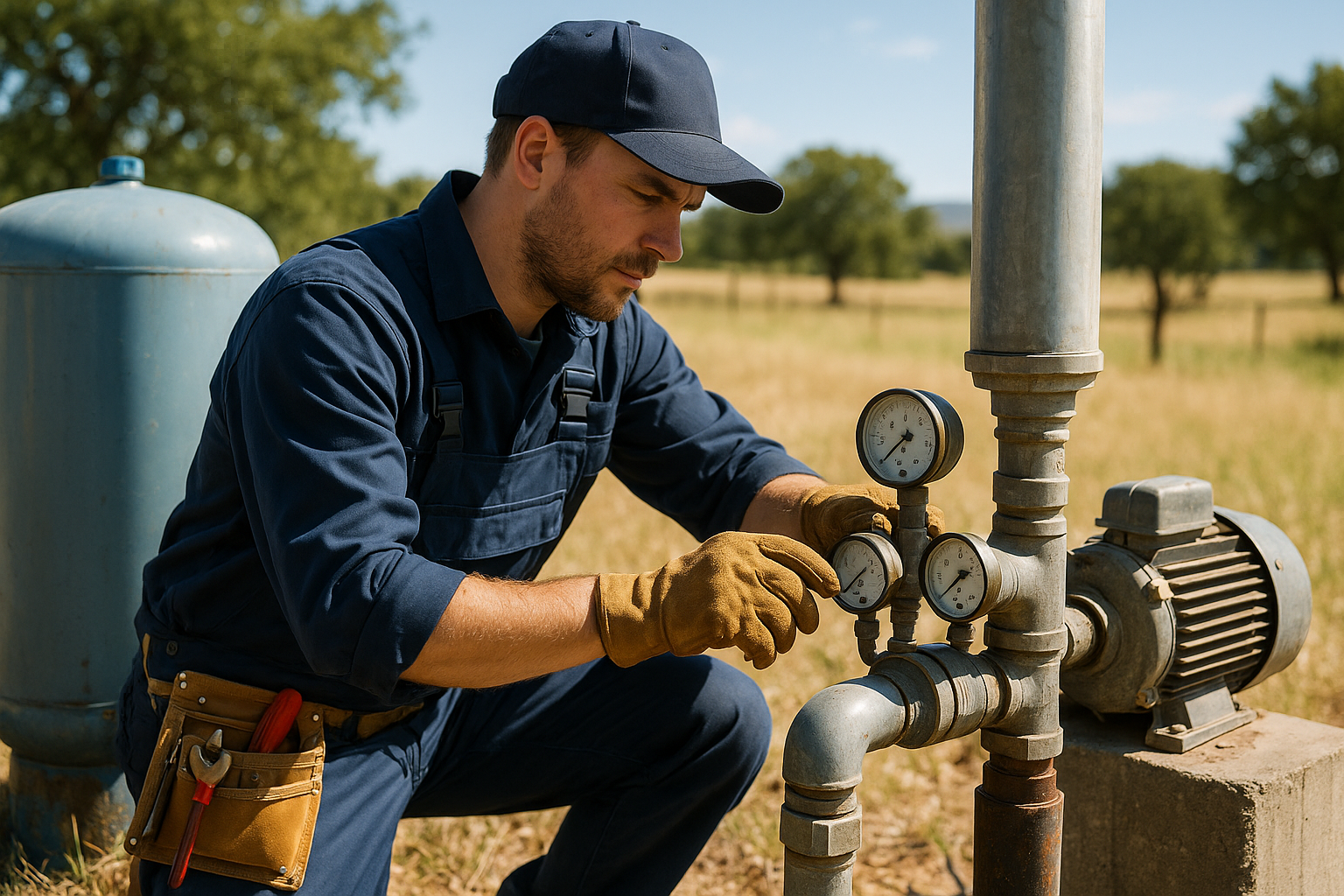
- Pump, pressure tank, and electrical. We inspect the submersible or jet pump, check the pressure tank for proper pre-charge and waterlogging, and examine wiring, the pressure switch, the control box, and breakers for safety and wear.
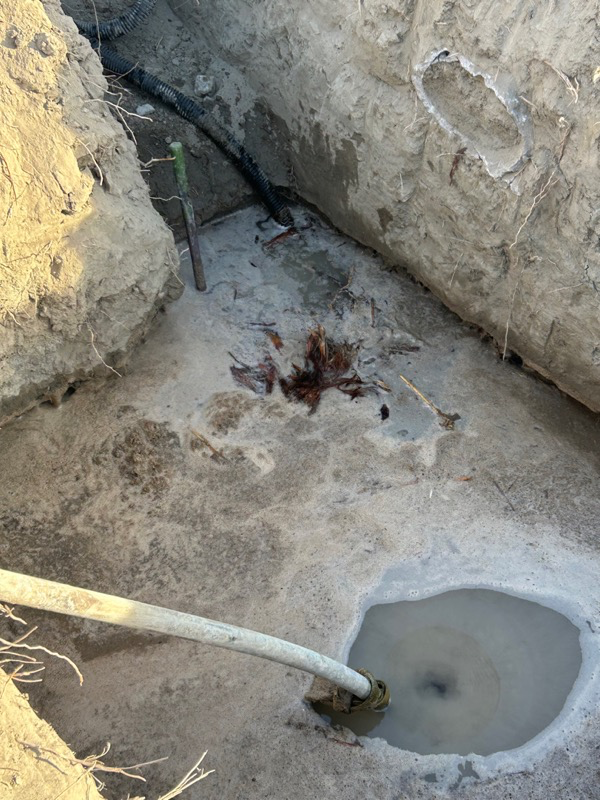
- Wellhead and sanitary seal. The wellhead must be properly sealed and above grade to keep surface contamination, insects, and runoff out of the water supply. Failed or missing seals are a common and serious finding on older wells.
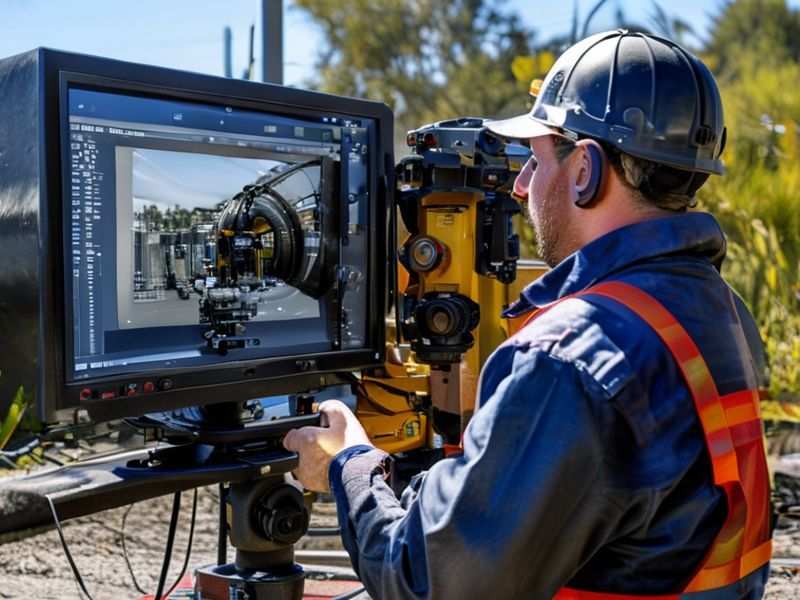
- Casing condition. We assess casing integrity for corrosion, cracking, or misalignment—critical in granite country where wells are deep and casing failures are expensive to remedy. Video inspection is available when a closer look downhole is warranted.
- Static and pumping water levels. Recording the resting (static) level and the level while pumping establishes a baseline, reveals how hard the pump is working, and shows whether the water table has dropped since the well was drilled.
When You Need a Well Inspection
There are three moments when a professional well inspection pays for itself many times over:
- Before a home purchase or sale. If you are a Pacific Beach resident buying a backcountry property, the well is one of the most important systems on the parcel and one of the easiest to overlook. A pre-purchase inspection protects your investment and gives you real leverage in negotiations. Our reports are accepted by major title companies and lenders.
- Annually, as routine maintenance. An annual checkup catches small problems—a tired pump, a slipping pressure tank, a creeping nitrate level—while they are still cheap to fix and long before they leave you without water.
- After a problem appears. Low pressure, sputtering faucets, sandy or discolored water, a pump that short-cycles, or a sudden jump in your electric bill all warrant an inspection. These symptoms rarely resolve on their own.
Simple Checks Well Owners Can Do Themselves
Between professional visits, a few DIY checks help you stay ahead of trouble. Glance at the wellhead periodically to make sure the cap is secure and nothing has disturbed the seal. Listen for unusual noises or rapid clicking from the pressure switch, which can signal short cycling. Watch your faucets for changes in pressure, color, or grit. Keep an eye on your power bill, since a struggling pump draws more electricity. And note any change in taste or odor, especially after heavy rain. Anything beyond these surface-level observations—particularly anything that involves pulling the pump from the well—calls for a licensed contractor and specialized equipment, both to protect your safety and to avoid damaging the casing.
Well Inspection Costs in San Diego County
A standard well inspection in the San Diego County area typically runs $150 to $300, depending on the property's accessibility and the scope of testing requested. Water testing is priced separately and varies with the panel of contaminants analyzed. If your inspection turns up a problem and you need a focused troubleshooting visit, our diagnostic fee is $125, credited toward any repair we perform. For planning purposes, the most common follow-up repairs fall in these ranges: pump replacement runs roughly $2,500 to $5,500 depending on well depth and pump type, and pressure tank replacement runs about $600 to $1,500. We always diagnose before we recommend, and we provide an honest written estimate before any work begins—no surprises.
We service all major pump brands including Franklin Electric, Grundfos, Goulds (Xylem), and Sta-Rite (Pentair). Our trucks carry common parts and components for same-day repairs.
Serving Pacific Beach and the Surrounding Region
From our offices in Ramona and Anza, Southern California Well Service covers all of San Diego County—from the coast to the backcountry. Around Pacific Beach we serve neighbors in La Jolla, Mission Beach, Mission Bay, and Clairemont, and we do the bulk of our private-well work out in the East County backcountry, including Ramona, Julian, Alpine, Jamul, Descanso, and the high country toward Anza. Whether you are a coastal PB homeowner with an irrigation well, a buyer under contract on a granite-country property, or a longtime well owner due for an annual checkup, we bring the same licensed, locally experienced crew and the same detailed reporting to every job.
As a licensed C-57 well drilling contractor founded in 2020, with 60+ years of family heritage, we know San Diego County geology, the quirks of fractured-rock and coastal alluvial wells, and the permitting standards enforced by the County's Land and Water Quality Division. Same-day emergency service is available when you are out of water and cannot wait.
Get a Free Estimate
Call or text now for well inspection in Pacific Beach and San Diego County
(760) 440-8520 Text UsFrequently Asked Questions
Are there many private wells in Pacific Beach itself?
Most of Pacific Beach is on municipal water from the City of San Diego, so active drinking-water wells are uncommon within the neighborhood. Demand for inspections from PB residents usually comes from backcountry properties they are buying or already own out in East County, or from older irrigation and monitoring wells on coastal parcels. We inspect all of them.
How deep are wells in San Diego County?
It depends on location. Backcountry wells drilled into the granitic Peninsular Ranges batholith are commonly several hundred feet deep, because water collects in fractures rather than a continuous aquifer. Shallower alluvial wells near the coast and river valleys may be only one to two hundred feet deep but can face salinity and nitrate concerns. An inspection establishes your well's actual depth, levels, and yield.
Why does drought matter for my well inspection?
When regional groundwater levels fall during multi-year dry periods, fractured-rock wells can lose yield even if nothing mechanical has failed. A flow and yield test during inspection shows whether your well still produces enough water to meet your property's demand, so you are not caught short during the next dry summer.
What should I have my well water tested for?
At minimum, test annually for bacteria (coliform) and nitrates, plus general mineral content like hardness, iron, and manganese. For coastal or low-elevation wells, add salinity testing to screen for seawater or brackish intrusion. We collect samples during the inspection and explain the results in plain language.
How much does a well inspection cost?
A standard inspection runs $150 to $300 depending on access and scope, with water testing priced separately. If you need a focused diagnostic visit, the $125 fee is credited toward any repair we perform. Common follow-up repairs include pump replacement ($2,500–$5,500) and pressure tank replacement ($600–$1,500).
Are your inspection reports accepted for real estate transactions?
Yes. Our written inspection reports are accepted by major title companies and lenders for property transactions throughout San Diego County. If you are a Pacific Beach buyer under contract on a well property, we can usually schedule promptly so your timeline stays on track.
Related Articles
Continue learning about well maintenance and troubleshooting