
Well Inspection Services in Redlands
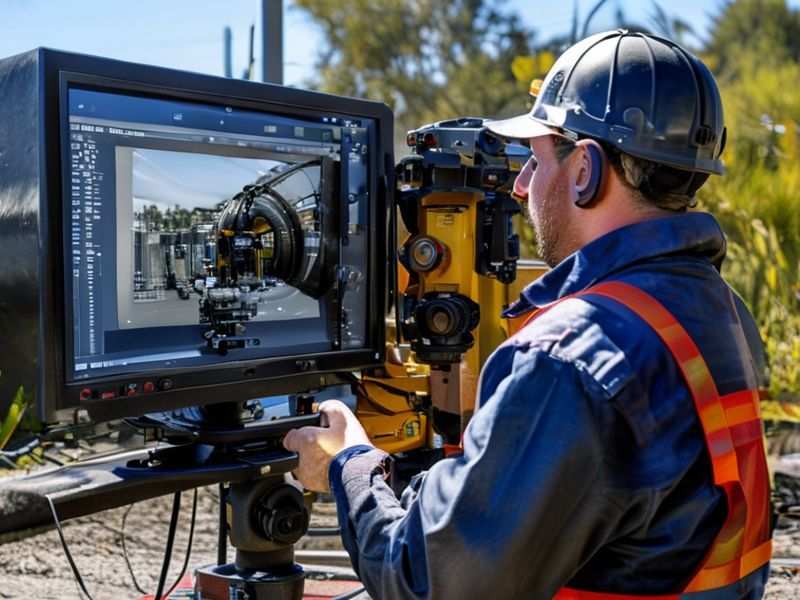
Well Inspection in Redlands, California
Redlands sits in the heart of San Bernardino County, in the San Bernardino Valley on the northern edge of the Bunker Hill groundwater basin. The valley floor here is built from deep alluvial deposits that washed down from the surrounding San Bernardino and San Timoteo highlands, layered over a crystalline basement of granitic and metamorphic bedrock. Those alluvial layers are what most Redlands wells draw from, and their thickness and productivity vary quite a bit from one part of town to another. According to California Department of Water Resources well completion reports, wells in the Redlands area average roughly 358 feet deep, with a very wide range of about 24 to 1,250 feet depending on where the property sits and how deep the good water-bearing zones lie.
Redlands also carries a long agricultural legacy. For more than a century this was navel-orange country, and the citrus groves that gave the city its identity relied on private wells for irrigation. Many of those older agricultural and domestic wells are still in service on properties throughout the area, and they bring their own inspection considerations: decades-old steel casing, dated wellheads, and groundwater that in some pockets still reflects the fertilizer and cultivation practices of the citrus era. Whether you are buying a home with an existing well, keeping tabs on the one you already own, or reactivating an old grove well, a professional inspection tells you exactly what you are working with.
Southern California Well Service is a licensed C-57 water well contractor with more than 30 years of experience serving Redlands and the surrounding San Bernardino County communities. We provide thorough, documented well inspections and back every visit with a written report you can hand to a buyer, a lender, or a title company.
How a Well Inspection Works
A proper well inspection is more than a quick look at the wellhead. When we arrive at a Redlands property, we start by reviewing whatever history is available, the original driller's log if it exists, the well completion report, past service records, and any water tests on file. That background tells us the well's depth, casing type, and original yield, which sets the baseline we measure the current system against.
From there the inspection moves through the physical components and the performance testing. We measure the static water level (the resting level in the well before the pump runs), then run the pump and monitor the pumping water level and drawdown, how far the water level falls under load. When the pump shuts off, we time the recovery, how quickly the water level climbs back. Together these numbers tell us whether the aquifer is keeping up with the pump and whether the well is being over-pumped. We also run a flow test to confirm the pump's actual gallons-per-minute output against what the household or property needs.
Every inspection ends with a written report. We document what we found, flag anything that needs attention, note what is performing well, and, where repairs are warranted, provide a clear estimate. For a real-estate transaction, that report is the document your agent, your lender, and the escrow company will rely on.
What We Check on a Redlands Well
A complete inspection covers both the water-production side of the system and the equipment that delivers water to the house. Here is what we evaluate on a typical Redlands well:
- Pump performance and flow (GPM): We measure actual output and compare it to the well's rated capacity and the property's demand. A drop in flow often points to a tiring pump, a fouled screen, or a declining water level.
- System pressure: We check that the pressure switch, gauge, and delivery pressure are all within a healthy range and that the pump cycles the way it should.
- Static and pumping water levels: Baseline resting level and the level under load, the core measurements for judging well health.
- Drawdown and recovery: How far the water level falls when pumping and how quickly it rebounds, which reveals how well the aquifer supports the pump.
- Water quality: We screen for the contaminants that matter locally. Coliform bacteria testing confirms the well is sanitary, and nitrate testing is especially important in Redlands, where decades of citrus fertilizer use have left elevated nitrates in some groundwater. We can also test for hardness, iron, and other common constituents on request.
- Wellhead, cap, and sanitary seal: A secure, vermin-proof cap and an intact sanitary seal keep surface contamination out of the well. On older grove wells these are frequently the first thing that needs upgrading.
- Casing integrity and corrosion: Many Redlands wells date to the citrus years and use steel casing that can corrode, perforate, or collapse with age. We look for signs of corrosion and, where needed, recommend a downhole camera survey.
- Pressure tank: We inspect the pressure tank for waterlogging, a failed bladder, or improper air charge, all of which cause short-cycling and shorten pump life.
- Electrical and controls: We check the control box, wiring, breakers, pressure switch, and any relays or safety devices for safe, correct operation.
Common Inspection Scenarios in Redlands
Pre-purchase and real-estate inspections
The most common reason people call us is a pending home purchase. When a Redlands property is served by a private well, that well is not covered by a standard home inspection, and neither the buyer nor the lender should assume it is sound. A pre-purchase well inspection confirms the well produces enough water, the pump and pressure system work, and the water is safe to drink. It is the difference between inheriting a reliable water supply and inheriting a five-figure surprise after closing.
Annual checkups
For existing owners, an annual inspection is cheap insurance. Catching a weakening pump, a waterlogged pressure tank, or a creeping nitrate reading early lets you plan a repair on your schedule instead of scrambling when the taps run dry on a hot Redlands afternoon. Annual water testing also protects the health of everyone in the household.
Decades-old citrus-era wells
Redlands has a large stock of older agricultural and domestic wells from its grove-farming heyday. These wells deserve extra scrutiny: aging steel casing, obsolete or missing sanitary seals, and pumps that were sized for irrigation rather than domestic use. An inspection tells you whether an old grove well can be safely brought into modern household service or whether it needs rehabilitation.
Sediment and sand
Sand or sediment in the water is a frequent complaint on valley wells. It can signal a worn pump, a compromised screen, or a dropping water level pulling from a sandier zone. We identify the source rather than just treating the symptom.
Inspection Reports and the San Bernardino County Escrow Process
In a San Bernardino County real-estate transaction, a private well is a material feature of the property, and buyers, lenders, and title companies increasingly want documentation before closing. Our written inspection reports are prepared to serve exactly that purpose. They spell out the well's measured yield, water levels, pump and pressure-system condition, and water-quality results in a format your real-estate agent and escrow officer can attach to the file.
Many lenders, particularly on government-backed loans, require a satisfactory well report and a passing water-quality test (typically coliform bacteria and nitrates) as a condition of funding. Because we perform the inspection and the testing together and deliver a single clear report, we help keep escrow moving instead of stalling it. If the report turns up a problem, you have the documentation you need to negotiate repairs or a credit before the deal closes rather than after.
When to Call a Professional
Some situations call for an inspection sooner rather than later. Reach out to us if you notice any of the following on your Redlands well:
- You are buying or selling a property served by a private well.
- Water pressure has dropped, or the flow at the tap is weaker than it used to be.
- The pump short-cycles, runs constantly, or makes unusual noises.
- You see sand, sediment, cloudiness, or a change in taste, color, or odor.
- The well has not been tested for bacteria or nitrates in the past year.
- The well is decades old and has never had a documented inspection.
- You are reactivating an old citrus-era grove well for household use.
Any one of these is a good reason to have the system evaluated by a licensed contractor who knows San Bernardino County wells.
What a Well Inspection Costs in Redlands
A standard well inspection in the Redlands area typically runs $150 to $400, depending on the scope of the visit, the water-quality panel selected, and the age and accessibility of the system. That fee covers the physical inspection, the performance testing, and your written report.
If you are calling us because something is already wrong, no water, low pressure, sand, or a pump that will not run, we charge a $125 diagnostic fee to pinpoint the problem, and that fee is credited toward any repairs you have us perform. You always know what the issue is, and what fixing it will cost, before we do the work. No surprises, and no pressure to buy repairs you do not need.
Serving Redlands and Nearby San Bernardino County Communities
Southern California Well Service inspects wells throughout Redlands and the surrounding San Bernardino County area. In addition to Redlands, we regularly serve Mentone, Loma Linda, Highland, Yucaipa, and Grand Terrace. Because we know the local geology, the Bunker Hill basin, the valley alluvium, and the older grove wells that dot the region, we bring context to every inspection that an out-of-area contractor simply cannot. We offer same-day emergency service when a well goes down, and our work is backed by a CSLB #1086994 reputation built since 2020 in the field.
Frequently Asked Questions About Well Inspections
How long does a well inspection take?
Most residential well inspections in Redlands take one to two hours on site, including the performance testing and water sampling. Laboratory results for bacteria and nitrates typically come back within a few business days, and we deliver the complete written report once those results are in.
Do I really need a well inspection before buying a home?
Yes. A private well is not covered by a standard home inspection, and it is one of the most expensive systems on a rural property to repair or replace. A pre-purchase inspection confirms the well produces enough safe water and the equipment is sound, protecting you from inheriting a costly problem after closing.
What water tests are included in an inspection?
Our standard screening covers coliform bacteria and nitrates, the two results most lenders and buyers require. Nitrates are especially worth checking in Redlands because of the area's long citrus-farming history. We can add tests for hardness, iron, manganese, arsenic, and other constituents on request.
How often should I have my well inspected?
We recommend a full inspection and water test once a year for an active domestic well. Annual testing catches bacterial or nitrate problems early, and a yearly performance check flags a weakening pump or pressure tank before it fails outright.
My well is from the old citrus-grove days. Is it worth inspecting?
Absolutely. Older grove wells often have aging steel casing, outdated sanitary seals, and irrigation-era pumps. An inspection tells you whether the well can be safely used for household water as-is, needs rehabilitation, or should be brought up to current standards, and it does so before you rely on it.
Will my inspection report be accepted for escrow or my loan?
Yes. Our written reports are prepared for real-estate use and include the yield, water-level, equipment, and water-quality data that San Bernardino County title companies and lenders look for. We perform the inspection and testing together so you get a single, complete document for your file.
Understanding Redlands Groundwater and Well Depth
The water beneath Redlands is stored in the alluvial fill of the San Bernardino Valley, part of the larger Bunker Hill groundwater basin that the region depends on. This basin is recharged by runoff from the San Bernardino Mountains and by the Santa Ana River system, and its water-bearing sands and gravels can be highly productive where they are thick and well sorted. That productivity is exactly why so many properties around Redlands were developed on private wells in the first place.
Because the alluvium varies in thickness and character across town, well depths vary widely, from shallow wells near active drainages to much deeper wells that must reach past finer or less productive layers to find a dependable zone. At an average of about 358 feet, a Redlands well is deep enough that measuring the static and pumping water levels accurately, and interpreting drawdown correctly, takes proper equipment and an experienced eye. A number that looks fine on the surface can hide a well that is being pumped too hard for the aquifer to sustain. Reading those signs is a core part of what we do on every inspection.
Groundwater levels in the basin also respond to drought and heavy-use years. A well that produced comfortably a decade ago may sit lower today, which is one more reason regular inspections matter: they establish a record of your well's behavior over time so you can see trends before they become emergencies.
Why Local Experience Matters
Not all well contractors are the same, and not all of them know Redlands. The value of a local inspection comes from context. We know which parts of the valley tend to produce sandy water, where older steel-cased grove wells are common, and how the citrus-farming legacy shows up in nitrate readings. That knowledge lets us tell the difference between a normal quirk of a particular well and a genuine warning sign.
As a licensed C-57 water well contractor, Southern California Well Service is held to California's contractor standards for well work, and our inspectors carry the tools to measure flow, pressure, and water levels correctly rather than estimating them. When we hand you a report, it reflects real measurements taken on your well, interpreted by people who have worked on hundreds of San Bernardino County systems just like it. That is the difference between a piece of paper and a document you can act on with confidence.
Schedule Your Redlands Well Inspection Today
Whether you are closing on a property, planning your annual maintenance, or worried about an aging citrus-era well, Southern California Well Service will give you a clear, honest picture of your well's condition. Licensed C-57, serving since 2020 San Bernardino County, and same-day emergency service when you need it. Call (760) 440-8520 or text us at (760) 219-5877 to schedule your Redlands well inspection.