Well Inspection Services in Rolando
Buying a property with a well in Rolando? Need an annual well checkup? Southern California Well Service provides thorough well inspections with detailed reports on well condition, water quality, and system performance.
Well Inspections in Rolando and East San Diego County
Rolando is a close-knit, hillside neighborhood in the eastern part of the City of San Diego, tucked between San Diego State University, the College Area, and the city of La Mesa. Mapped out in the 1920s and built out during the postwar boom of the 1940s and 1950s, Rolando is known for its bungalow-style homes, rolling streets, and the public "catwalks" that thread between properties. Inside the neighborhood itself, almost every home is connected to municipal water from the City of San Diego, so private wells are uncommon within Rolando's borders.
The demand for well inspection here is driven by what surrounds Rolando. Just east and south of the neighborhood, the landscape shifts quickly into the unincorporated communities of eastern San Diego County, where private wells are a way of life. Property owners in La Mesa's rural edges, Spring Valley, Lemon Grove, Casa de Oro, and the foothills toward El Cajon and Lakeside frequently rely on their own wells for household water, irrigation, and livestock. Whether you are a Rolando resident buying a backcountry getaway, an investor evaluating a rural East County parcel, or a longtime well owner who wants peace of mind, a professional inspection tells you exactly what condition your water system is in.
There are three local realities that make well inspections especially important across this part of San Diego County. First is geology: wells in the East County backcountry are typically drilled into the Peninsular Ranges batholith, a body of granitic and metamorphic bedrock. Water is not held in a forgiving sandy aquifer but in fractures, joints, and weathered zones within hard rock, so a successful well depends on intersecting productive fracture systems. These wells are commonly several hundred feet deep, and yields are often modest, frequently in the single digits to low tens of gallons per minute. Second is drought: years of below-average rainfall have lowered water tables throughout the region, and fractured-rock wells respond quickly to dry conditions. A well that produced comfortably a decade ago may now draw down faster than it recovers. Third is age: many East County wells and their pumps have been in the ground for decades, and components wear out long before owners notice a problem.
What a Professional Well Inspection Covers
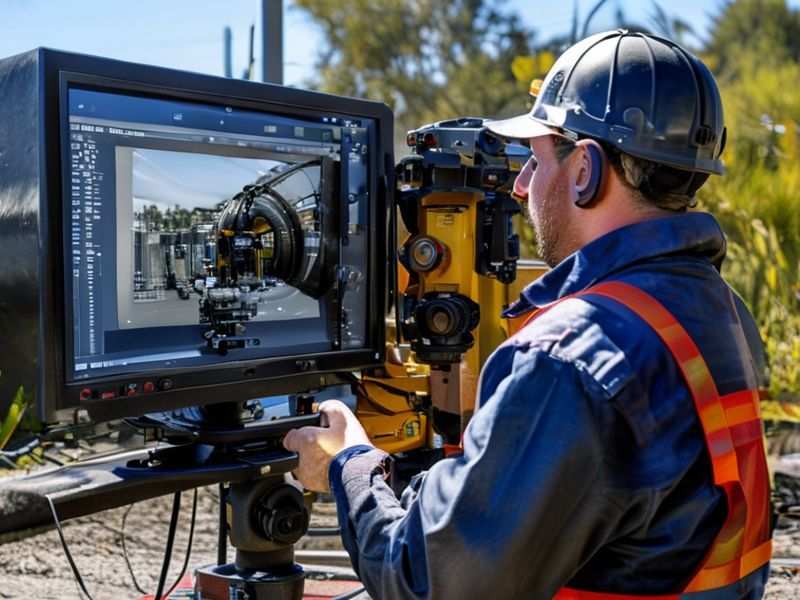
A complete inspection is far more than a quick look at the wellhead. When we inspect a well serving a property in or near Rolando, we evaluate the entire system from the aquifer to the pressure tank and document everything in a written report you can hand to a lender, title company, or buyer.
Flow and Yield Testing
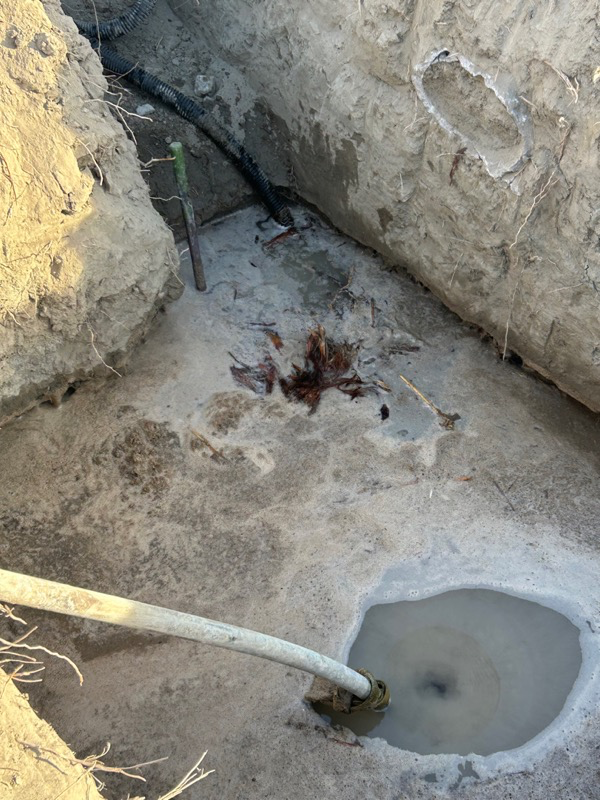
The single most important question for any fractured-rock well is how much water it can reliably deliver. We run a controlled flow test to measure the well's sustained yield in gallons per minute, watching how quickly the water level draws down and how fast it recovers afterward. In drought-stressed granite country, a well that meters well for two minutes but cannot sustain that rate over an hour is a very different asset than one that holds steady. Yield testing turns guesswork into a number you can plan around.
Water Quality Testing
Clear water is not the same as safe water. The San Diego County Department of Environmental Health and Quality considers a sample potable when it shows no total coliform or E. coli bacteria and nitrate (as nitrogen) at or below 10 mg/L. At minimum, owners should test annually for coliform bacteria and nitrates; real estate transactions usually call for a broader panel. Elevated nitrates are a known concern in San Diego's agricultural pockets, and bacterial contamination risk rises after intense rain events, especially where an older or damaged surface seal lets surface water reach the casing. We collect samples properly and route them through a certified laboratory so the results stand up.
Pump, Pressure Tank, and Electrical
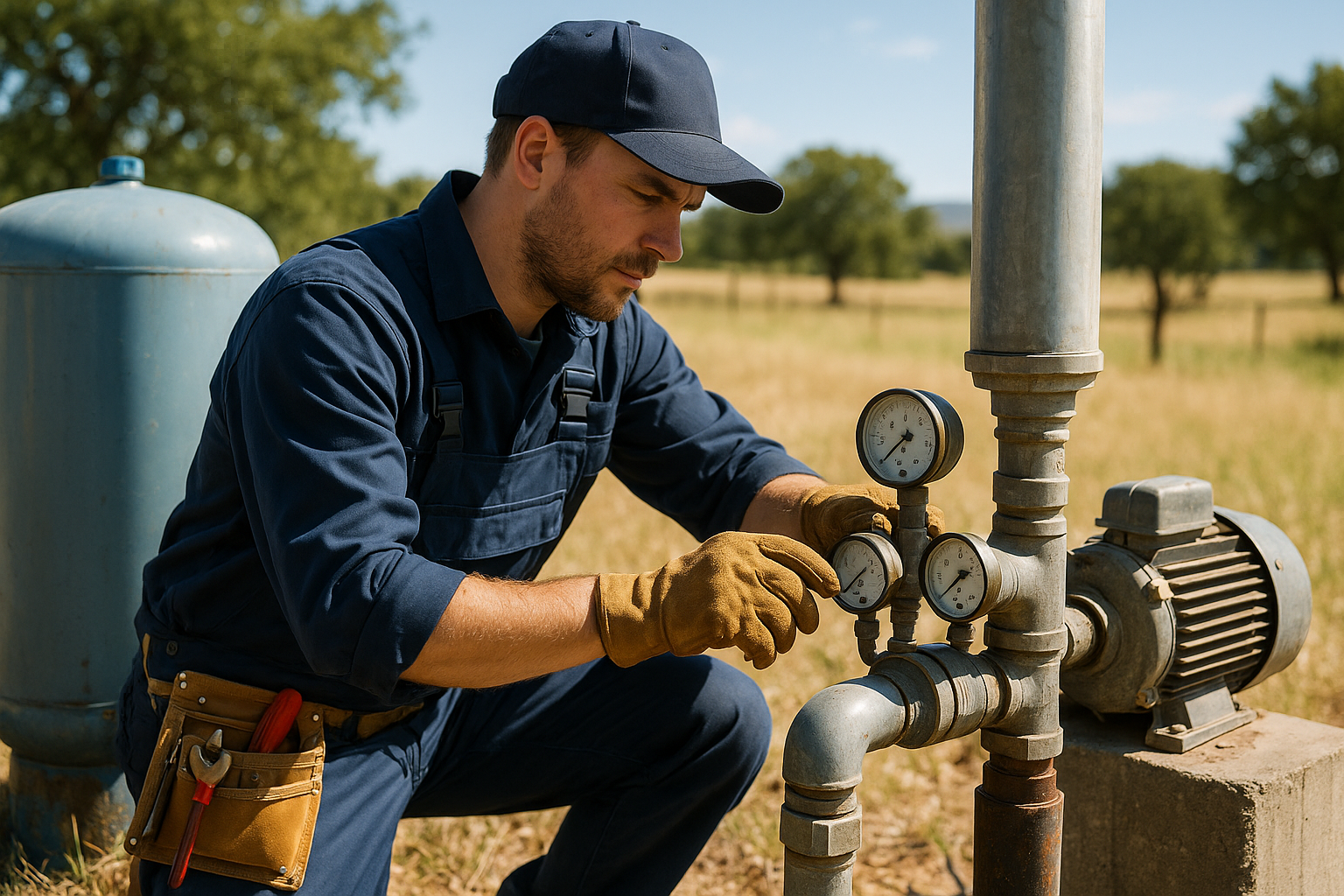
We assess the submersible or jet pump's performance, check the pressure tank's air charge and bladder condition, and inspect the pressure switch, wiring, control box, and breaker. Short cycling, weak pressure, tripped breakers, and unusually high electric bills all point to problems in this part of the system, and catching them early prevents a sudden no-water emergency.
Wellhead, Sanitary Seal, and Casing
We examine the wellhead for proper height and a secure, vermin-proof cap, verify the sanitary seal that keeps surface contaminants out of the borehole, and inspect the visible casing for corrosion, cracks, or damage. In deep granitic wells, casing integrity and a sound seal are critical because there is no second line of defense once contaminated surface water finds its way in.
Static and Pumping Water Levels
We measure the static water level (where the water sits at rest) and the pumping level (where it stabilizes while the pump runs). The difference between the two reveals how hard the well is working and whether the water table has dropped since the well was drilled. Tracking these levels over time is one of the best early-warning tools a well owner has in a drought.
When You Need a Well Inspection
There are three situations where an inspection pays for itself many times over:
- Before buying or selling. A pre-purchase well inspection protects buyers from inheriting a failing pump or a low-yield well, and it gives sellers documentation that supports their asking price. Our reports are accepted by title companies and lenders.
- Once a year. An annual checkup, paired with the recommended annual coliform and nitrate testing, catches small issues before they become expensive failures and keeps your water safe.
- After a problem. If you notice sputtering faucets, sand or cloudiness in the water, falling pressure, or a pump that runs constantly, an inspection diagnoses the cause before it cascades into a bigger repair.
DIY Checks Between Professional Inspections
A few simple checks help you stay ahead of trouble. Listen for your pump short cycling (switching on and off rapidly), which often signals a waterlogged pressure tank. Watch your water pressure and note any gradual decline. Keep an eye out for sand, grit, or cloudiness at the tap. Make sure the wellhead cap is intact and the area around it drains away from the casing. And review your electric bill for unexplained increases, which can mean the pump is straining. These observations are useful, but anything that involves pulling the pump or opening the well belongs to a licensed contractor with the right equipment, both to protect your safety and to avoid damaging the casing.
Inspection and Repair Cost Ranges
A standard well inspection generally runs between $150 and $300, depending on system complexity and the depth of the well. Water testing costs vary with the panel you choose, from a basic coliform-and-nitrate screen to a comprehensive real estate panel. If an inspection turns up a problem, a focused diagnostic visit is $125 and is credited toward any repair we perform. For budgeting purposes, pump replacement typically falls in the $2,500 to $5,500 range depending on depth and pump type, and a new pressure tank generally runs $600 to $1,500. We always diagnose the actual issue and give you an honest estimate before any work begins, so there are no surprises.
Serving Rolando and Surrounding East County Communities
Southern California Well Service inspects and services wells throughout eastern San Diego County. While Rolando itself is on municipal water, we are the team property owners turn to in the nearby communities where private wells are common, including La Mesa, Spring Valley, Lemon Grove, El Cajon, and Lakeside, as well as the rural stretches toward Casa de Oro, Jamul, and the backcountry beyond. We know the granitic geology of this region, the way drought affects fractured-rock yields, and the San Diego County requirements that govern well water. That local knowledge means a faster, more accurate inspection and recommendations that actually fit your property.
We are a licensed C-57 well contractor founded in 2020, with 60+ years of family heritage built on hundreds of reviews. We offer same-day emergency service when you have no water, and we back every inspection with a clear written report.
Frequently Asked Questions
Are there many private wells in Rolando itself?
Rolando is a built-out San Diego neighborhood served by municipal water, so private wells inside the neighborhood are rare. Most of our inspection work for Rolando-area clients involves properties in the surrounding unincorporated East County communities, or backcountry parcels that residents are buying or already own.
How deep are wells in the East San Diego County backcountry?
Wells in the granitic Peninsular Ranges batholith east of Rolando are commonly several hundred feet deep, since water in this fractured crystalline bedrock is found in fracture zones rather than a continuous sandy aquifer. Depth and yield vary considerably from one parcel to the next, which is exactly why a flow and yield test matters.
How often should I test my well water?
At minimum, test annually for total coliform bacteria and nitrates, which are the two basic potability indicators used by San Diego County. Test right away if you are buying or selling a property, after any flooding or heavy rain event, or if you notice a change in the taste, smell, or appearance of your water.
Why is yield testing so important in this area?
Fractured-rock wells in granite country can produce inconsistently, and years of drought have lowered water tables across the region. A yield test measures how much water the well can sustain over time and how quickly it recovers, so you know whether it can truly meet your household or irrigation needs before you commit.
How much does a well inspection cost?
A standard inspection typically runs $150 to $300 depending on the system. Water testing is priced separately based on the panel you choose. If we perform a focused diagnostic, it is $125 and is credited toward any repair we complete.
Do you offer same-day service if I have no water?
Yes. We provide same-day emergency service for no-water situations. Call (760) 440-8520 or text us at (760) 219-5877 and we will get to you as quickly as possible.
Get a Free Estimate
Call or text now for well inspection serving Rolando and East San Diego County
(760) 440-8520Related Articles
Continue learning about well maintenance and troubleshooting