Well Inspection Services in Silver Lakes
Buying a property with a well in Silver Lakes? Need an annual well checkup? Southern California Well Service provides thorough well inspections with detailed reports on well condition, water quality, and system performance.
Well Inspections in Silver Lakes and the High Desert
Silver Lakes is a planned lake community within Helendale, an unincorporated census-designated place in San Bernardino County. It sits in the Victor Valley region of the Mojave Desert, strung along historic Route 66 between Barstow to the north and Victorville to the south, just west of Interstate 15. The community is built around two man-made lakes, North Lake and South Lake, and a golf course, an unexpected splash of blue in a landscape defined by high-desert heat, wide skies, and very low rainfall. For the homes and ranch parcels around the lakes and out toward open desert, dependable groundwater is not a luxury; it is the foundation of daily life. That is exactly why a professional well inspection matters so much here.
The Mojave Desert climate puts unique stress on a private well system. Summer air temperatures regularly climb well past 100 degrees, and that heat is hard on pump motors, pressure tanks, wiring insulation, and above-ground plumbing. A pump that struggled along all winter can fail on the first triple-digit afternoon, precisely when household demand and irrigation needs peak. Cool winters and the wide day-to-night temperature swings of the high desert add expansion-and-contraction wear to fittings and seals. An inspection done before the worst of the summer heat gives you the chance to catch a tired motor, a waterlogged pressure tank, or a failing pressure switch while it is still a planned repair rather than an emergency call with no water in the house.
Beyond heat, the bigger picture in the Victor Valley is groundwater itself. Helendale and Silver Lakes draw on the alluvial aquifer of the Upper Mojave River Basin, fed historically by winter stormflows that recharge the floodplain sediments along the Mojave River, a river that runs mostly underground here rather than across the surface. The Mojave is a basin under real long-term pressure: decades of pumping, drought cycles, and groundwater overdraft have lowered water levels in parts of the region, and adjudication and management plans now govern how much can be extracted. For a private well owner, that translates into a practical question an inspection answers directly: is my well still producing the yield it used to, and how do my static and pumping water levels look compared with prior years? Declining levels do not always mean disaster, but they are something you want measured and tracked, not discovered the hard way.
Water quality is the other half of the story. Desert groundwater across the Mojave tends to be hard, and mineral content climbs as water moves down-gradient away from the mountain front. Independent studies of the Mojave River basin have documented elevated total dissolved solids, naturally occurring arsenic, and localized nitrate in portions of the basin, with some of the higher trace-element and TDS readings noted in the stretch between Helendale and Victorville and around Barstow. None of that means every Silver Lakes well has a problem, but it does mean water quality should never be assumed. Hardness scales up plumbing and appliances, arsenic and nitrate are health concerns that you cannot taste or see, and high TDS affects taste and corrosion. Many Silver Lakes wells are also decades old, and aging steel casing, worn seals, and outdated wiring all become more likely with age. A good inspection brings all of these factors into one clear report.
What a Well Inspection Covers
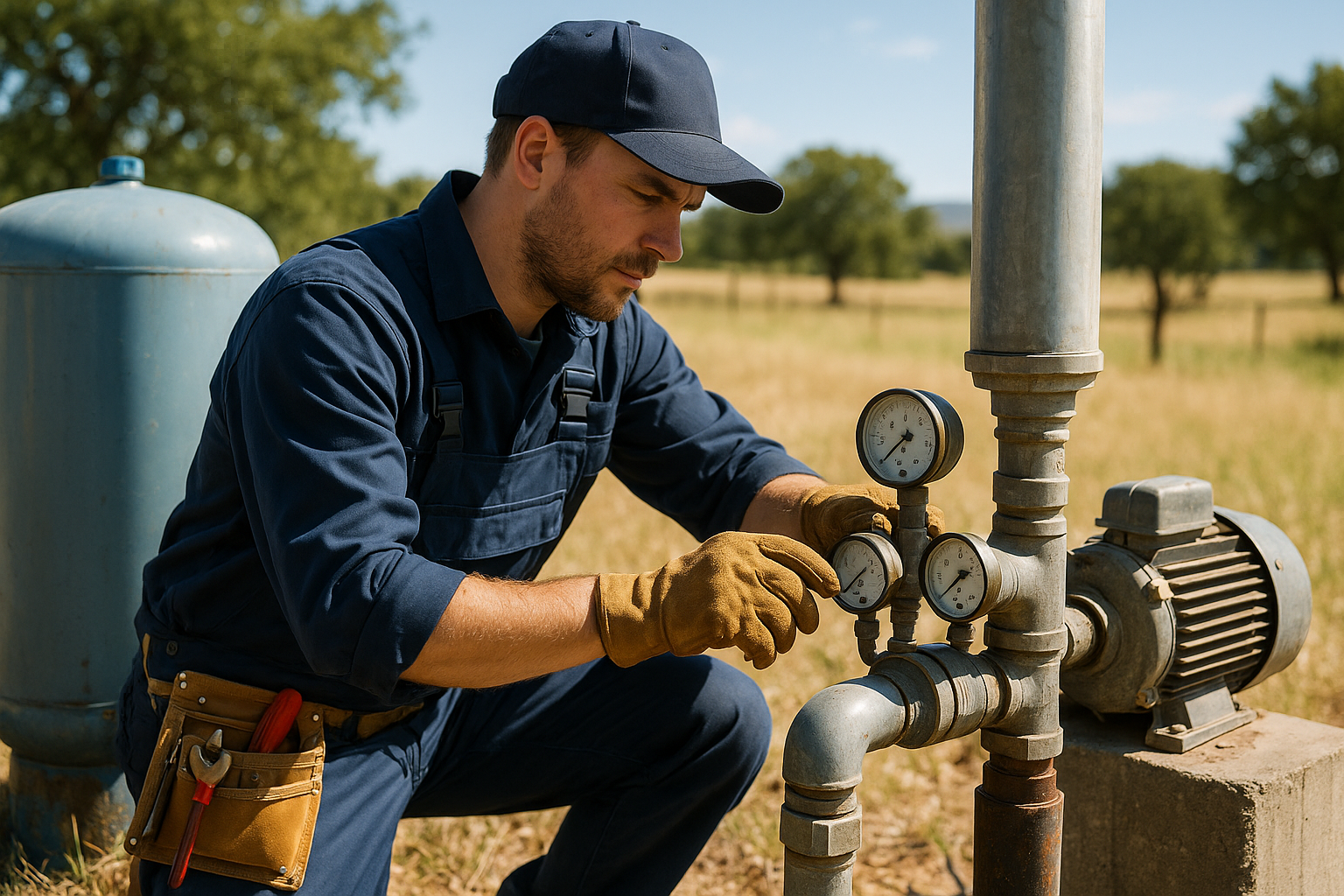
A complete inspection from Southern California Well Service evaluates the entire system from the wellhead down and from the pressure tank out. Here is what we check on a typical Silver Lakes property:
- Flow and yield test. We measure how many gallons per minute the well actually delivers and watch how it recovers, the single best indicator of whether your aquifer and pump are keeping up with demand in a region where overdraft is a real concern.
- Water quality testing. Given Mojave Desert groundwater, we focus on the constituents that matter here: hardness, arsenic, nitrate, and total dissolved solids (TDS), plus bacteria when a transaction or health concern calls for it. Results guide whether you need treatment such as softening, filtration, or reverse osmosis.
- Pump, pressure tank, and electrical. We assess pump performance and amp draw, check the pressure tank's air charge and bladder, test the pressure switch and controls, and inspect wiring, breakers, and connections for heat damage, a common issue in desert installations.
- Wellhead and sanitary seal. We verify the wellhead is properly capped and sealed against surface contamination, rodents, and the blowing sand and dust typical of the high desert.
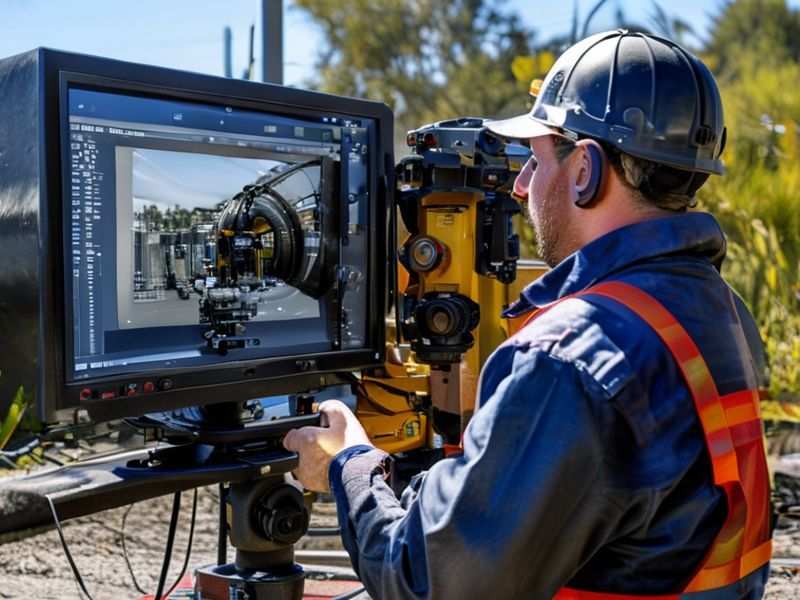
- Casing condition. We inspect the casing for corrosion, cracks, or breaches, with video inspection available when the situation warrants a closer look downhole.
- Static and pumping water levels. We record the resting (static) level and the drawdown under load (pumping level), giving you a baseline to compare against future readings and to gauge aquifer trends over time.
Every inspection ends with a written report you can hand to a buyer, seller, lender, or title company, along with clear recommendations and honest estimates for any work we find.
When You Need a Well Inspection
There are a few moments in a well's life when an inspection is especially worthwhile:
- Before buying or selling a home. A pre-purchase inspection protects buyers from inheriting a failing pump, a contaminated source, or a well that simply cannot keep up. For sellers in Silver Lakes and Helendale, a clean, current report builds trust and keeps escrow moving. Title companies and lenders routinely want documentation of well condition and water quality.
- On an annual basis. An annual checkup is the cheapest insurance a desert well owner can buy. It catches small problems, declining yield, a slipping pressure tank, early electrical wear, before the next 110-degree afternoon turns them into an emergency.
- After a problem appears. Sputtering faucets, sand or grit in the water, a pump that short-cycles, sudden pressure loss, a spike in your electric bill, or any change in taste, smell, or color all warrant an inspection. In the Mojave, dropping water levels can also pull air or sediment into a system that ran fine for years.
Simple DIY Checks Between Inspections
You do not need to be a technician to keep an eye on your well between professional visits. A few minutes now and then can tip you off early:
- Note your normal water pressure and listen for the pump cycling. Rapid on-off cycling (short cycling) often points to a pressure tank or switch problem.
- Watch for sand, grit, cloudiness, or a change in taste or odor at the tap, especially after heavy use or during the hottest part of summer.
- Glance at the wellhead and visible wiring. It should be capped, sealed, and free of standing water, ant or rodent intrusion, or sun-cracked insulation.
- Track your electric bill. An unexplained climb can mean a pump working harder than it should as it ages or as water levels drop.
- If you lose pressure, you can safely check the breaker and the pressure switch. Anything that requires pulling the pump from the well should always be left to a licensed contractor to avoid damaging the casing.
What a Well Inspection Costs
A standard well inspection generally runs $150 to $300, depending on the property and how much testing you want included. Water testing is priced separately and varies with the panel of constituents analyzed, in the high desert most owners test at least for hardness, arsenic, nitrate, and TDS. If your inspection turns up a problem, a focused diagnostic visit runs $125, which we credit toward any repair we perform.
For budgeting, common follow-up work in this area falls in these ranges: pump replacement typically runs $2,500 to $5,500 depending on well depth and pump type, and pressure tank replacement runs $600 to $1,500. We always diagnose before we recommend, and we give you an honest estimate up front so there are no surprises.
Serving Silver Lakes and the Surrounding High Desert
Southern California Well Service is a licensed C-57 well contractor founded in 2020, with 60+ years of family heritage built on honest, dependable work. We proudly serve Silver Lakes and the broader Victor Valley, including Helendale, Victorville, Adelanto, Barstow, Apple Valley, Hesperia, and Oro Grande. Whether you own a lakeside home in Silver Lakes, a ranch parcel out toward open desert, or a property along Route 66, we understand Mojave Desert wells, the alluvial aquifer they tap, and the heat, hardness, and groundwater pressures that make regular inspection so important here. Same-day emergency service is available when you have no water and cannot wait.
Frequently Asked Questions
How much does a well inspection cost in Silver Lakes?
A standard inspection runs about $150 to $300, with water testing priced separately based on the panel of constituents you choose. If a problem turns up, a focused diagnostic is $125, credited toward any repair we perform.
What should I test my Silver Lakes well water for?
In the Mojave Desert we recommend testing at least for hardness, arsenic, nitrate, and total dissolved solids (TDS), plus bacteria for real estate transactions. Studies of the Mojave River basin have documented naturally occurring arsenic, localized nitrate, and elevated TDS in parts of the region, so these are worth confirming rather than assuming.
How often should I have my desert well inspected?
An annual inspection is ideal in the high desert. Summer heat stresses pumps and electrical components, and tracking your yield and water levels year over year helps you spot declining production early, an important consideration given groundwater overdraft pressures in the Mojave.
Do I need a well inspection to buy or sell a home in Helendale?
Title companies and lenders routinely require documentation of well condition and water quality during a real estate transaction. A current, written inspection report from a licensed contractor protects buyers and helps sellers keep escrow on track.
Why does desert heat matter for my well?
High-desert summer temperatures regularly exceed 100 degrees, which strains pump motors, pressure tanks, and wiring at the very time household and irrigation demand peaks. A pre-summer inspection catches a tired pump or weak pressure tank before it fails on the hottest day of the year.
Can you tell if my well's water level is dropping?
Yes. We measure your static (resting) and pumping (drawdown) water levels and compare them with prior readings. Because the Upper Mojave River Basin faces long-term overdraft and drought cycles, tracking these levels over time is one of the most useful things an inspection provides.
Get a Free Estimate
Call or text now for well inspection in Silver Lakes and the Victor Valley
Call: (760) 440-8520 Text: (760) 219-5877Related Articles
Continue learning about well maintenance and troubleshooting