
Well Inspection Services in Temecula
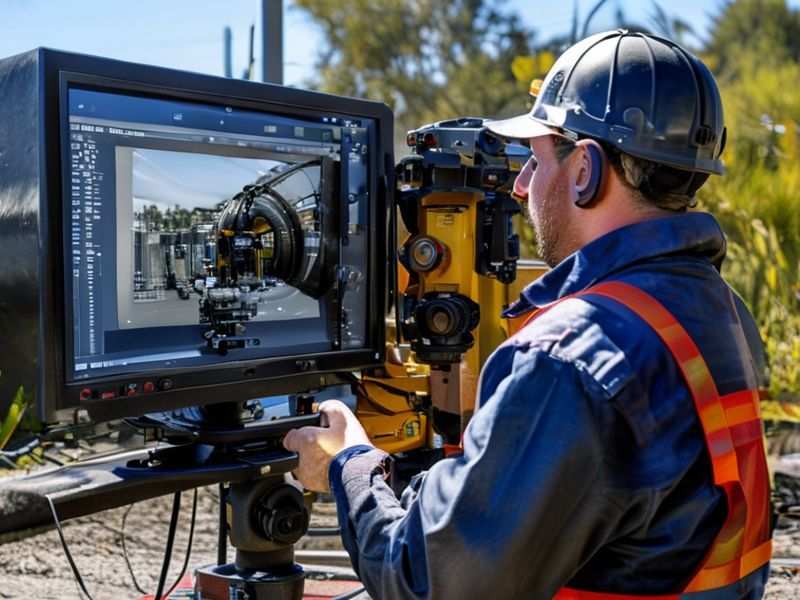
Buying a wine-country property with a well in Temecula, or overseeing an aging system on your own acreage? A professional well inspection tells you exactly what you are dealing with before money changes hands or a small problem turns into a dry tap. Southern California Well Service performs pre-purchase and annual well inspections across Temecula and all of Riverside County, delivering written reports on well condition, water quality, and system performance that title companies, lenders, and buyers rely on.
📋 In This Guide
Need a Well Inspection in Temecula?
We serve Temecula, De Luz, Wine Country, and all of Riverside County. Licensed C-57 contractor founded in 2020, with 60+ years of family heritage and same-day emergency availability.
Call: (760) 440-8520Why a Well Inspection Matters in Temecula
Temecula sits in Riverside County's Temecula Valley, and much of the rural residential land around De Luz, the Santa Rosa Plateau, and the vineyards of Temecula Wine Country depends on private wells rather than a municipal main. The valley's groundwater comes from two very different sources. Near the creeks and lower valley floor, wells tap younger alluvial deposits of sand, gravel, and silt that can yield water freely. Up on the granitic hillsides and along the Peninsular Ranges batholith, wells are drilled hundreds of feet into fractured granitic and metamorphic bedrock, where water production depends on hitting the right fracture zones.
That geologic split is exactly why an inspection matters here. A well that produced eight gallons per minute when the vineyard was planted twenty years ago may have declined as static water levels dropped, and a granitic-formation well that was never sealed properly can let surface runoff, fertilizer, or nitrate from nearby agriculture reach the water column. Whether you are closing on a hillside estate or maintaining a working ranch, an inspection gives you an objective baseline instead of a seller's word.
For buyers, the stakes are financial. A submersible pump replacement on a deep Temecula well runs $2,500 to $5,500, and few things sour a real estate deal faster than discovering after closing that the pump is failing or the casing is compromised. An inspection performed during the contingency period lets you negotiate repairs or price with hard data in hand.
How a Temecula Well Inspection Works
A typical visit takes two to four hours depending on well depth and the number of components. We begin with a walk-around of the wellhead and equipment, then move into functional testing. Because Temecula wells span such a wide depth range, we tailor the flow test to the well: a shallow alluvial well recovers quickly, while a deep granitic well may need a longer drawdown period to reveal its true sustained yield.
- Records and history review — driller's log, prior repairs, and any water test results the owner has.
- Static water level measurement — the resting depth to water before the pump runs.
- Pump and flow test — we run the pump and measure gallons per minute (GPM) and how far the water level draws down.
- Recovery test — after the pump stops, we time how quickly the water level rebounds, which reveals the aquifer's ability to keep up with demand.
- Pressure system and tank check — pressure switch settings, tank pre-charge, and cycling behavior.
- Water quality sampling — bacteria (total coliform and E. coli) plus common local concerns like nitrate and hardness.
- Written report — findings, photos, and clear recommendations you can hand to a lender or agent.
What We Check on a Temecula Well
Wellhead, Cap, and Sanitary Seal
The wellhead is your first line of defense against contamination. We confirm the casing stands the required height above grade, the sanitary cap is vermin-proof and vented correctly, and the annular seal is intact. On the decomposed-granite soils common around Temecula, a poorly sealed well can draw in surface water after the seasonal rains that sweep the valley.
Casing and Downhole Condition
We inspect the visible casing for corrosion, cracks, or deformation, and where the situation warrants it we can arrange a downhole video survey. Older steel-cased wells in the valley can develop rust perforations that let sediment and fine sand enter the water, a frequent cause of the gritty water Temecula owners report.
Pump Performance and Water Levels
We measure static and pumping water levels and calculate sustained yield in GPM. A drop in output compared to the driller's original figures often signals a worn pump, a dropping water table, or a partially clogged screen. On granitic wells, declining yield can also mean the productive fractures are drawing down faster than they recharge.
Pressure Tank, Switch, and Controls
We verify the pressure tank holds its correct air charge, the switch cuts in and out at proper settings, and the pump is not short-cycling. A waterlogged tank forces the pump on and off rapidly, wearing out the motor and driving up your electric bill.
Electrical and Sanitary Survey
We check the control box, wiring, breakers, and grounding for safety, and we walk the surrounding area for contamination sources — septic leach fields, livestock pens, chemical storage, and fertilizer application typical of vineyard and ranch properties — that should sit a safe distance from the wellhead.
Common Temecula Well Scenarios
The wine-country estate purchase. A buyer under contract on a De Luz vineyard property asks us to inspect a 30-year-old well before the contingency deadline. We find solid yield but a corroded pressure tank and an outdated pressure switch — modest repairs the buyer folds into the negotiation rather than a deal-breaker.
Sand in the water. A hillside homeowner near the Santa Rosa Plateau reports grit in faucets and appliances. Our inspection traces it to casing perforations and a pump set too low, pulling sediment from the bottom of the borehole. We recommend raising the pump and adding sediment filtration.
Declining pressure on a granitic well. An owner off Rancho California Road notices weaker showers each summer. Testing shows the static level has dropped and the aquifer recovers slowly — a signal to consider a lower pump setting and to monitor levels rather than simply replacing hardware.
Realistic Inspection and Repair Costs in Temecula
A standard well inspection in Temecula runs $150 to $400 depending on depth, access, and how much testing you need. If we are troubleshooting a specific problem, a diagnostic visit is $125 and is credited toward any repair we perform. Common follow-up work falls in these ranges:
- Pressure switch replacement: $150–$350
- Pressure tank replacement: $600–$1,500
- Submersible pump replacement: $2,500–$5,500 (deeper granitic wells trend higher)
- Sediment filtration system: $300–$900
- Water softener for hard Temecula water: $1,500–$3,500
- UV disinfection system: $800–$1,800
We quote every job in writing before we start, so there are no surprises. We diagnose the actual problem before recommending any replacement.
When to Call a Professional
Adjusting a pressure switch or resetting a breaker is a reasonable do-it-yourself task. But anything that involves pulling the pump, evaluating downhole casing, or interpreting a flow test on a deep granitic well calls for a licensed C-57 contractor with the right rig and experience. Call us if you notice no water or low pressure, rapid pump cycling, unusual noises, sandy or discolored water, or an unexplained jump in your electric bill.
Serving Temecula and Surrounding Riverside County Communities
Beyond Temecula proper, we inspect wells throughout southwestern Riverside County, including De Luz, the Santa Rosa Plateau, Wine Country, French Valley, and out toward Anza. Both of our offices — Ramona and Anza — put a technician within easy reach of Temecula for scheduled inspections and same-day emergencies alike.
Frequently Asked Questions
Do I need a well inspection to buy a home in Temecula?
While California does not mandate one statewide, most lenders and title companies require a well inspection and water potability test before closing on a property served by a private well. Even a cash buyer benefits from knowing the well's true condition before committing.
How often should an existing Temecula well be inspected?
We recommend a full inspection and water test annually, especially given the valley's agricultural setting where nitrate and bacteria can migrate. Annual checks catch a failing pressure tank or worn pump before it leaves you without water on a hot summer weekend.
What water quality problems are common in Temecula?
Hard water is widespread across the valley, and properties near vineyards and agriculture can show elevated nitrate. Bacteria can appear when a sanitary seal fails. Our inspection includes bacteria testing and screens for the local concerns that matter most.
Why does my Temecula well produce sandy water?
Sand usually means casing perforations, a worn pump, or a pump set too deep in the borehole. In granitic-formation wells, fine sediment can also enter through fractures. We diagnose the source and recommend filtration or a pump adjustment rather than guessing.
How long does a well inspection take?
Most Temecula inspections take two to four hours. Deeper granitic wells require a longer drawdown and recovery period to measure sustained yield accurately, so plan for the higher end of that range on hillside properties.
Can you inspect a well the same day I call?
For emergencies such as no water, we offer same-day service across Temecula. Standard pre-purchase inspections are usually scheduled within a day or two to fit your escrow timeline. Call (760) 440-8520 or text (760) 219-5877.