
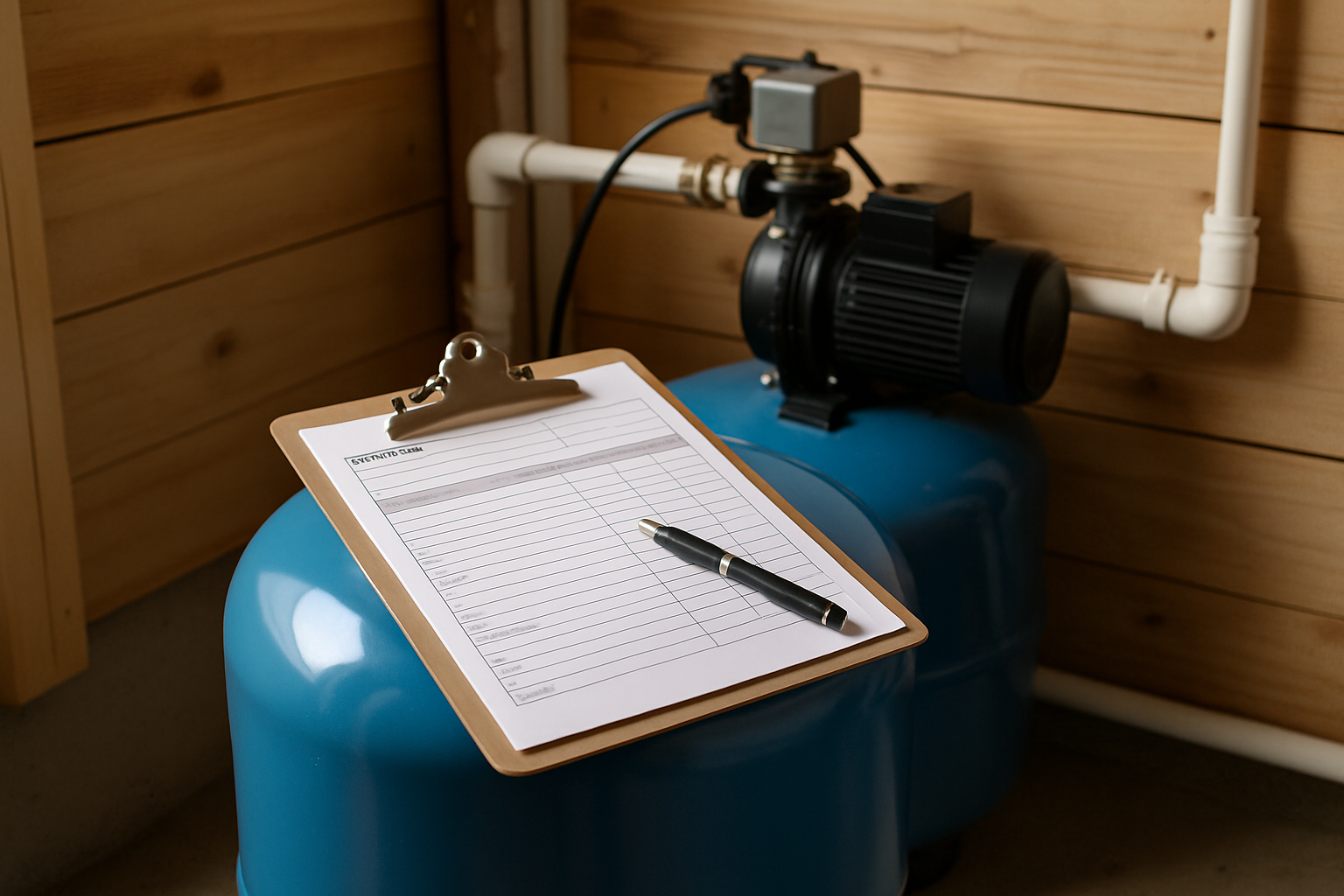
Well Pump Electricity Costs: Complete Guide
📋 In This Guide
- Table of Contents
- Understanding Pump Power Consumption
- Monthly Cost by Pump Size (2026)
- California Electricity Rates (2026)
- How to Calculate Your Costs
- Well vs City Water Costs
- Signs Your Pump Is Wasting Energy
- How to Reduce Pump Electricity Costs
- Energy-Efficient Upgrades
- Frequently Asked Questions
- Related Articles
- High Electricity Bills? We Can Help
Understanding Pump Power Consumption
How much electricity your well pump uses depends on three main factors: motor size, run time, and efficiency.
Pump Motor Sizes (Horsepower)
Residential well pumps typically range from 1/2 HP to 2 HP. The motor size determines how much power it draws:
| Motor Size | Running Watts | Startup Watts | Typical Application |
|---|---|---|---|
| 1/2 HP | 500-750W | 1,500-2,000W | Shallow wells, low demand |
| 3/4 HP | 750-1,000W | 2,000-3,000W | Most residential |
| 1 HP | 1,000-1,500W | 3,000-4,500W | Standard residential |
| 1.5 HP | 1,500-2,000W | 4,500-6,000W | Larger homes, deeper wells |
| 2 HP | 2,000-2,500W | 6,000-7,500W | High demand, irrigation |
Run Time
Your pump doesn't run constantly—it cycles on and off as you use water:
- Light use (1-2 people): 1-2 hours/day
- Average household (3-4 people): 2-3 hours/day
- Heavy use (5+ people, irrigation): 3-5 hours/day
Startup Power
When your pump starts, it draws 3-5 times its running wattage for a few seconds. This "inrush current" is why frequent cycling significantly increases energy costs—each start draws a surge of power.
Monthly Cost by Pump Size (2026)
These estimates use California's average electricity rate of $0.35/kWh:
Standard Usage (2 hours/day)
| Pump Size | kWh/Month | Cost @ $0.35/kWh | Cost @ $0.45/kWh |
|---|---|---|---|
| 1/2 HP | 37 kWh | $13 | $17 |
| 3/4 HP | 52 kWh | $18 | $23 |
| 1 HP | 75 kWh | $26 | $34 |
| 1.5 HP | 105 kWh | $37 | $47 |
| 2 HP | 135 kWh | $47 | $61 |
Heavy Usage (4 hours/day)
| Pump Size | kWh/Month | Cost @ $0.35/kWh | Cost @ $0.45/kWh |
|---|---|---|---|
| 1/2 HP | 74 kWh | $26 | $33 |
| 3/4 HP | 104 kWh | $36 | $47 |
| 1 HP | 150 kWh | $53 | $68 |
| 1.5 HP | 210 kWh | $74 | $95 |
| 2 HP | 270 kWh | $95 | $122 |
California Electricity Rates (2026)
California has some of the highest electricity rates in the nation. Here's what major utilities charge:
Average Residential Rates
| Utility | Baseline Rate | High-Use Rate | Average |
|---|---|---|---|
| SDG&E (San Diego) | $0.35 | $0.50+ | $0.40-$0.45 |
| SCE (Riverside/Imperial) | $0.28 | $0.42+ | $0.32-$0.38 |
| IID (Imperial) | $0.12 | $0.15 | $0.12-$0.14 |
Time-of-Use Considerations
Many California utilities have time-of-use (TOU) rates:
- Off-peak (night/early morning): Lower rates, sometimes 50% less
- Peak (afternoon/evening): Highest rates, up to $0.60+/kWh
- Strategy: Run irrigation and fill storage tanks during off-peak hours
How to Calculate Your Costs
The Formula
Monthly Cost = (Watts × Hours/Day × 30) ÷ 1,000 × Rate
Step-by-Step Example
Let's calculate costs for a 1 HP pump running 2.5 hours daily at $0.40/kWh:
- Watts: 1,200W (typical 1 HP running)
- Daily use: 1,200W × 2.5 hours = 3,000 Wh
- Monthly: 3,000 Wh × 30 days = 90,000 Wh
- Convert to kWh: 90,000 ÷ 1,000 = 90 kWh
- Cost: 90 kWh × $0.40 = $36/month
Finding Your Run Time
Don't know how long your pump runs? Here's how to estimate:
- Method 1: Listen for pump cycling over several hours and time it
- Method 2: Check your pressure tank drawdown (gallons between cycles) and divide daily water use by that number
- Method 3: Install an hour meter on the pump circuit (~$20)
Well vs City Water Costs
Even with pump electricity costs, well water is typically much cheaper than city water:
Cost Comparison (Per 1,000 Gallons)
| Source | Cost per 1,000 gal | 10,000 gal/month |
|---|---|---|
| City water (San Diego) | $10-$15 | $100-$150 |
| Well pump electricity | $0.50-$1.50 | $5-$15 |
| Savings with well | — | $85-$135/month |
True Cost of Well Water
However, factor in maintenance costs:
- Annual maintenance: $200-$500 (inspections, minor repairs)
- Pump replacement: $1,500-$4,000 every 10-15 years
- Pressure tank: $400-$800 every 10-15 years
- Water testing: $50-$200/year recommended
Even including these costs, well water typically saves $500-$1,500+ per year compared to city water for average households.
Signs Your Pump Is Wasting Energy
If your electricity bills seem high, these issues could be causing excessive pump operation:
Short Cycling (Most Common)
The pump turns on and off every few minutes instead of running longer cycles:
- Cause: Waterlogged pressure tank, failed bladder
- Energy impact: Each startup draws 3-5x running power
- Fix: Replace or recharge pressure tank ($400-$800)
Continuous Running
Pump runs constantly or far longer than it should:
- Causes: Plumbing leak, failed check valve, pump losing pressure
- Energy impact: 2-3x normal consumption
- Fix: Depends on cause; leak repair to pump replacement
Plumbing Leaks
Hidden leaks cause the pump to run more than necessary:
- A dripping faucet wastes 3,000+ gallons/year
- A running toilet can waste 200+ gallons/day
- Underground leaks may go unnoticed for months
Oversized Pump
A pump that's too large for your well:
- Pumps water faster than the well recharges
- Runs, stops (dry), runs again—very inefficient
- Also damages the pump over time
How to Reduce Pump Electricity Costs
Fix Leaks Immediately
- Check toilets (add food coloring to tank—if color appears in bowl, it's leaking)
- Inspect irrigation systems for broken heads or lines
- Look for unexplained wet spots in yard
- Monitor water meter when no water is being used
Optimize Pressure Tank
- Ensure correct pre-charge pressure (2 PSI below cut-in)
- Consider a larger tank to reduce cycling
- Replace waterlogged tanks promptly
Use Off-Peak Hours
- Fill water storage tanks during off-peak rates
- Schedule irrigation for early morning
- Run heavy water use (laundry, dishwasher) off-peak
Reduce Water Waste
- Install low-flow fixtures
- Shorter showers
- Full loads only for laundry/dishwasher
- Efficient irrigation (drip vs sprinkler)
Energy-Efficient Upgrades
Constant Pressure (VFD) Systems
Variable frequency drives adjust pump speed to match demand:
- Energy savings: 30-50% reduction in pump energy use
- How it works: Slows pump instead of stopping it, eliminating startup surges
- Cost: $1,500-$3,000 installed
- Payback: 5-10 years in energy savings
- Bonus: Also provides consistent water pressure
Larger Pressure Tank
Bigger tanks mean fewer pump cycles:
- Upgrade from 32 to 52 or 86 gallon
- Cost: $400-$1,000 installed
- Reduces cycling by 30-50%
- Also extends pump life
New High-Efficiency Pump
Modern pumps are significantly more efficient:
- Pumps over 15 years old may be 20-30% less efficient
- Newer motors run cooler and use less power
- Properly sized replacement may be smaller HP than original
Solar Power
For rural properties, solar can eliminate pump electricity costs:
- Direct solar pumping (daytime only) for irrigation
- Grid-tied solar offsets all home electricity including pump
- Battery backup for essential water during outages
Frequently Asked Questions
How much does it cost to run a well pump?
A typical 1 HP well pump costs $15-$40/month in California. At SDG&E rates ($0.40/kWh average), running 2 hours daily costs about $25-$35/month. Costs vary with pump size, usage, and local electricity rates.
Do well pumps use a lot of electricity?
Well pumps typically account for 3-10% of home electricity use when working properly. A 1 HP pump uses 1,000-1,500 watts while running. Problems like leaks or short cycling can double energy use.
Is it cheaper to have a well or city water?
Well water is usually cheaper. City water costs $10-$15 per 1,000 gallons in San Diego County. Well pump electricity costs about $0.50-$1.50 per 1,000 gallons. A typical household saves $500-$1,500/year with well water even after maintenance costs.
How can I reduce my well pump electricity costs?
Fix leaks promptly (biggest energy waster), ensure proper pressure tank sizing, consider a constant pressure VFD system (saves 30-50%), use off-peak hours for heavy water use, and replace inefficient old pumps.
Why is my well pump running constantly?
Common causes: plumbing leak, failed check valve, waterlogged pressure tank, or failing pump. This can double or triple energy costs. Have the system inspected promptly.
How long should a well pump run per cycle?
A properly sized system should run 1-2 minutes per cycle, cycling no more than 6 times per hour during normal use. Short cycles (under 30 seconds) indicate a problem.
Will a bigger pressure tank save electricity?
Yes. Larger tanks reduce pump cycling, which reduces startup power surges. Upgrading from 32 to 86 gallons can cut pump energy use by 20-30%.
Related Articles
Continue learning about well maintenance and troubleshooting

High Electricity Bills? We Can Help
We diagnose well pump efficiency issues and install energy-saving upgrades throughout San Diego, Riverside, and Imperial Counties.