Well Pump Hums But Won't Start: Capacitor & Motor Issues | SCWS
A humming well pump that won't start usually indicates a failed start capacitor or motor problem. Learn how to diagnose and fix this common issue before the motor burns out.
📋 In This Guide
Need help? Call us:
(760) 440-8520What That Humming Means
When you hear a hum from your well system but no running motor, electricity is reaching the motor but it can't turn. Single-phase motors (most residential well pumps) need a start capacitor to create the phase shift that starts rotation. If that capacitor has failed, the motor gets power but just sits and hums. This draws high amperage and generates heat—the motor can burn out in minutes. If you hear humming, immediately turn off power at the breaker. Repeated humming cycles destroy motors.
Diagnosing Capacitor Failure
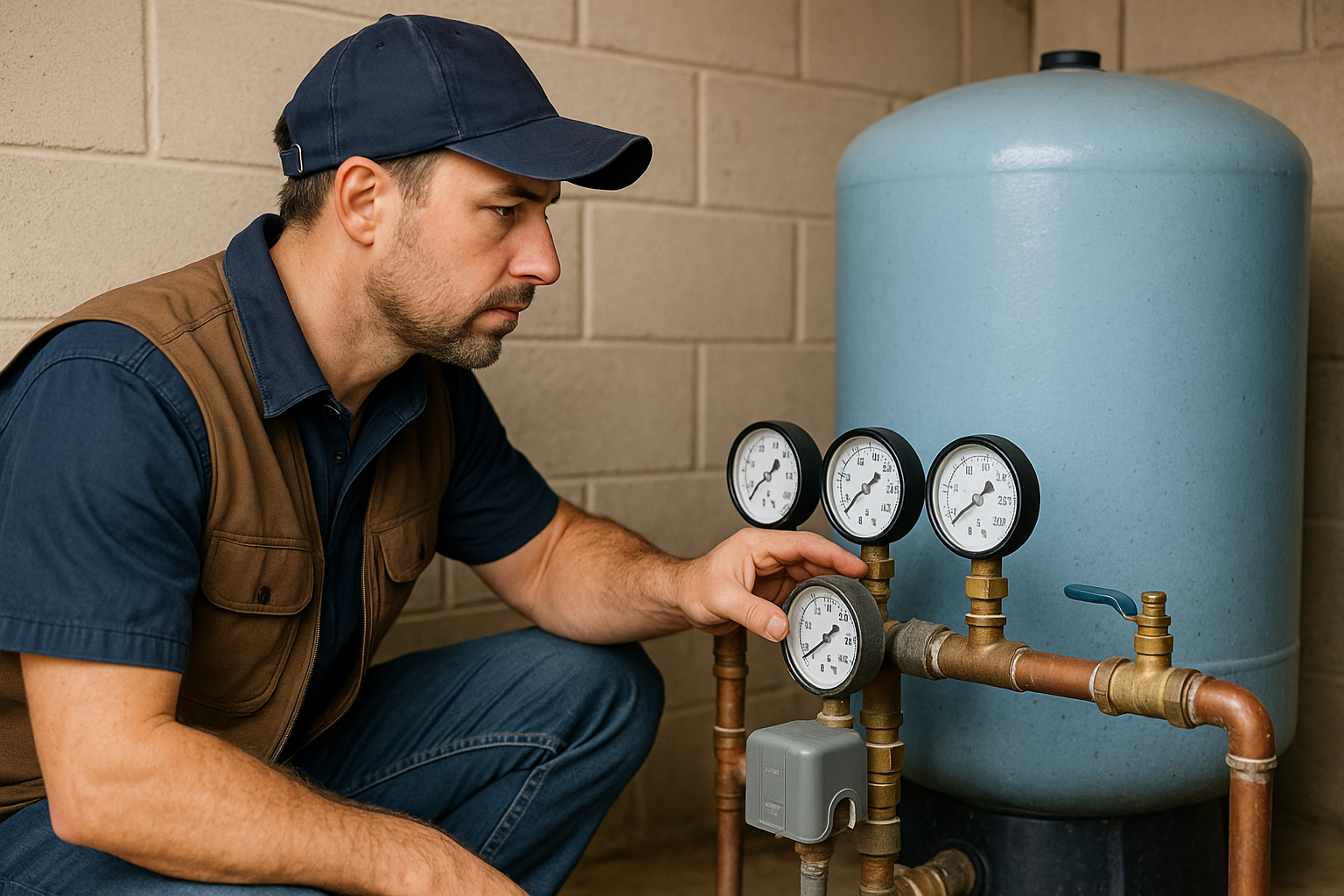
Start capacitors fail more often than run capacitors and are the first thing to check. Locate your control box—a gray electrical box near the pressure tank. Inside you'll find capacitors (cylinder-shaped components). Visually inspect for bulging, leaking, or scorch marks. To test properly: turn off power, discharge the capacitor safely, and use a multimeter with capacitance measurement. Compare the reading to the microfarad rating printed on the capacitor. A reading more than 10% below rating indicates failure. Start capacitors fail more often than run capacitors.
Other Motor Problems
If capacitors test good, the motor itself may be failing. Check voltage at the control box—low voltage prevents starting. Test motor windings for shorts or opens with a multimeter. A grounded winding (shorted to the motor housing) is a common failure mode. Run capacitors, if present, can also fail. For submersible pumps, you can't physically inspect the motor, but electrical tests at the control box reveal most problems. Some issues like seized bearings or stuck impellers can only be diagnosed by pulling the pump.
Professional Diagnosis and Repair
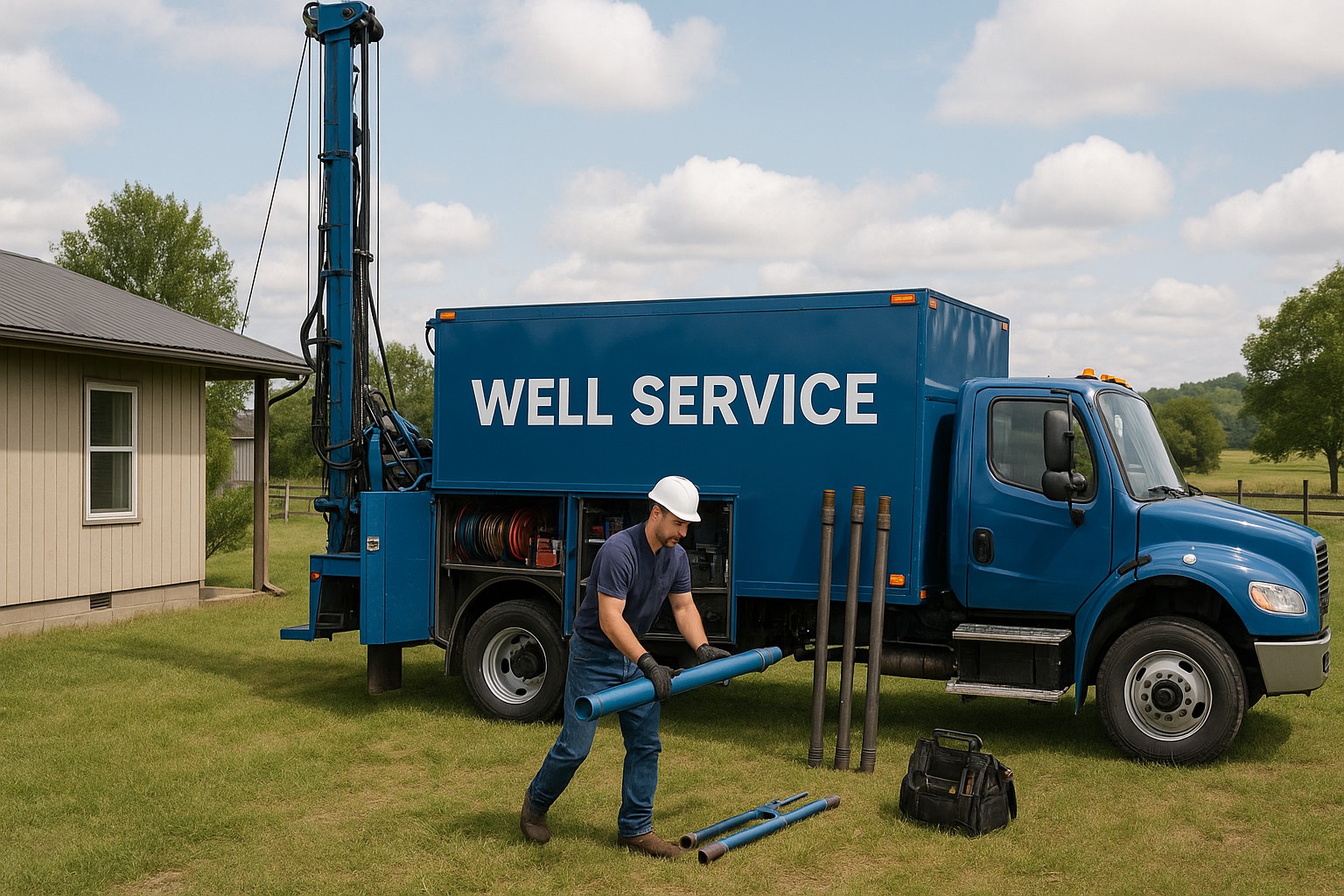
Control box repairs are DIY-friendly for those with electrical experience. Capacitors are inexpensive and easy to replace. However, if the motor windings are damaged, the pump needs replacement. Submersible pumps require a well service truck with pulling equipment—a significant service call. For above-ground jet pumps, motor replacement or rebuild is more accessible. Get a diagnosis before authorizing expensive repairs—sometimes pulling a pump reveals it just needed a new control box component.
We service all major pump brands including Franklin Electric, Grundfos, Goulds (Xylem), and Sta-Rite (Pentair). Our trucks carry common parts and components for same-day repairs.
Frequently Asked Questions
Why does my well pump hum but not run?
A humming pump is trying to start but can't turn the motor shaft. Most commonly: the start capacitor has failed (can't provide the boost to start rotation), the motor windings are damaged, or the pump is mechanically stuck. Less commonly: low voltage from the panel, a failing control box, or debris binding the pump. Don't let it hum for long—the motor can overheat and burn out.
What does a bad well pump capacitor look like?
Check for obvious signs: swelling or bulging on top, burn marks, oil leaking from the base, or visible cracks. A failed capacitor may look completely normal, though—internal failure isn't always visible. Test with a multimeter that measures capacitance, comparing to the rating printed on the capacitor. Most well pump start capacitors are 150-300 microfarads. A reading below rated value means replacement is needed.
Can I replace the well pump capacitor myself?
Yes, if you're comfortable with electrical work. Turn off power at the breaker and verify with a voltage tester. Capacitors store charge—discharge by shorting the terminals with an insulated screwdriver. Note wire connections before removing. Match the replacement capacitor's microfarad rating and voltage rating exactly. The capacitor is usually in the control box near the pressure tank. Cost is $15-40 for the part.
Get Expert Help
Contact Southern California Well Service for professional assistance.
Call (760) 440-8520Serving San Diego, Riverside & San Bernardino Counties
Related Articles
Continue learning about well maintenance and troubleshooting