Arsenic in Well Water: Testing & Treatment
📋 In This Guide
Why Arsenic Is Dangerous
Health Effects
- Cancer risk: Bladder, lung, skin cancer
- Cardiovascular disease
- Diabetes
- Neurological effects
- Skin changes/lesions
- Developmental effects in children
Why It's Sneaky
- No taste, color, or odor
- Can't detect without testing
- Chronic exposure = gradual effects
- May take years to show symptoms
Safe Level
| Level (ppb) | Status | Action |
|---|---|---|
| 0-5 | Low | Acceptable |
| 5-10 | Elevated | Monitor, consider treatment |
| 10+ | Exceeds MCL | Don't drink—treat or use alternative |
ppb = parts per billion. 10 ppb = 0.010 mg/L
Who's Most at Risk
- Children (developing bodies)
- Pregnant women (fetal exposure)
- Anyone with long-term exposure
Sources of Arsenic
Natural Sources
- Certain rock formations
- Volcanic areas
- Geothermal regions
- Some sedimentary deposits
Human-Made Sources
- Old pesticides/herbicides
- Mining operations
- Industrial waste
- Wood preservatives (old)
California Context
- Some areas have natural arsenic
- Central Valley, some desert areas
- San Diego County: Generally low but test anyway
- Every well is different
Risk Factors
- Certain geologic formations
- Deeper wells (sometimes higher)
- Near old agricultural areas
- Near mining activities
Testing for Arsenic
Lab Testing Required
- Can't detect arsenic without testing
- No taste, smell, or color
- Certified lab analysis needed
- Cost: $30-$75
How to Test
- Get sample container from lab
- Run water 3-5 minutes
- Collect sample (follow instructions exactly)
- Keep cold, deliver quickly
- Wait 1-2 weeks for results
Finding a Lab
- State-certified labs
- County health department may offer
- Private labs (online ordering)
When to Test
- When buying property
- If neighbor has arsenic
- Every 3-5 years if in risk area
- If conditions change
Home Test Kits
- Available but less accurate
- Good for screening
- Confirm with lab if positive
- Lab test is gold standard
Treatment Options
1. Reverse Osmosis (RO)
- Most common for drinking water
- Point-of-use (under sink)
- Removes 90-95%+ of arsenic
- Cost: $200-$500
- Requires filter changes
2. Adsorption Media
- Whole-house treatment
- Special media (iron-based or alumina)
- Very effective for arsenic
- Cost: $1,500-$4,000
- Media replacement needed
3. Distillation
- Very effective
- High energy use
- Low output
- Rarely practical
4. New Well
- Different depth or location
- May find clean water
- No guarantee
- Most expensive option
What Doesn't Work
- Boiling (concentrates arsenic)
- Standard carbon filters
- Water softeners
- Sediment filters
Arsenic Forms
- Arsenic III (arsenite): Harder to remove
- Arsenic V (arsenate): Easier to remove
- Some systems oxidize III to V first
- Lab can specify which form
Short-Term Solution
- Use bottled water for drinking/cooking
- Bathing in arsenic water is lower risk
- Get treatment system installed
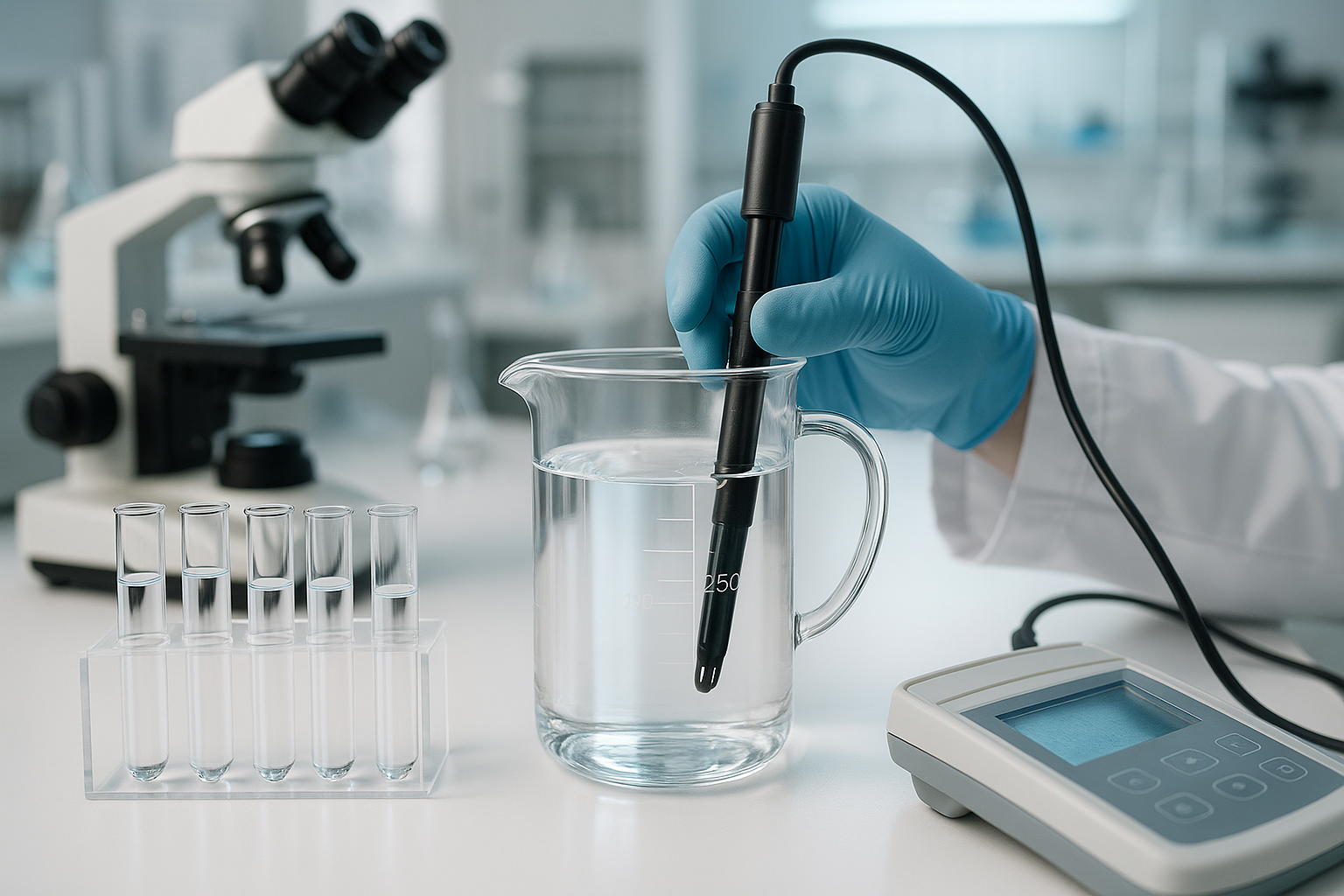
We use Hach and LaMotte professional water testing equipment for field analysis, with comprehensive lab testing through certified California laboratories.
Frequently Asked Questions
What is the safe level of arsenic in well water?
EPA limit is 10 ppb. Above this, don't drink the water without treatment. Even below 10, lower is better.
How do I test my well water for arsenic?
Lab testing required—arsenic is undetectable by senses. Cost $30-$75, results in 1-2 weeks.
Can I shower in water with arsenic?
Generally yes—skin absorption is minimal. Main concern is drinking/cooking. But treat for peace of mind.
Will boiling remove arsenic?
No—boiling concentrates arsenic. Use RO or adsorption media treatment.
How common is arsenic in California wells?
Some areas have natural arsenic. San Diego generally low risk but every well should be tested.
Need Arsenic Testing?
We test for arsenic and install treatment systems to keep your water safe.
Related Articles
Continue learning about well maintenance and troubleshooting