Well Water Nitrate Testing: Safe Levels & Treatment
📋 In This Guide
Quick Answer: Safe level: under 10 mg/L (ppm) nitrate-nitrogen. Above this is unsafe, especially for infants. Causes: fertilizers, septic systems, animal waste. Treatment: reverse osmosis, ion exchange, or new deeper well. Test annually if at risk.
Why Nitrates Are Dangerous
Blue Baby Syndrome
- Methemoglobinemia (medical term)
- Affects infants under 6 months
- Nitrates convert to nitrites in gut
- Nitrites bind to hemoglobin, block oxygen
- Symptoms: blue skin, difficulty breathing
- Can be fatal without treatment
Who's at Risk
- Infants under 6 months: Highest risk
- Pregnant women: Risk to fetus
- Nursing mothers: Passes to milk
- Adults: Lower risk but still concerns
Safe Level
| Level (Nitrate-N) | Status | Action |
|---|---|---|
| 0-5 mg/L | Safe | None needed |
| 5-10 mg/L | Elevated | Monitor, consider treatment for infants |
| 10+ mg/L | Unsafe | Don't use for drinking, treat or find alternative |
Boiling Doesn't Help
- Boiling concentrates nitrates
- Makes it worse, not better
- Don't use for infant formula
Sources of Nitrates
Agriculture
- Fertilizers are main source
- Nitrogen applied to crops
- Excess leaches to groundwater
- Higher near farming areas
Septic Systems
- Human waste contains nitrogen
- Leach field introduces to soil
- Can reach shallow wells
- Worse if too close to well
Animal Waste
- Livestock operations
- Pet waste accumulation
- Feedlots, dairies
Natural Sources
- Some natural nitrogen in soil
- Decaying organic matter
- Usually low levels
Risk Factors
- Shallow well (under 50 feet)
- Sandy or permeable soil
- Near agriculture
- Old or damaged well casing
- Well too close to septic
Testing for Nitrates
When to Test
- Annually if near agriculture or septic
- Before new baby arrives
- When buying property
- After flooding or well work
Testing Options
Lab Testing
- Most accurate
- Certified results
- Cost: $20-$50
- Results in 1-2 weeks
Home Test Kits
- Quick results
- Less accurate
- Good for screening
- Confirm positives with lab
Sample Collection
- Use clean container
- Run water 3-5 minutes first
- Keep cold
- Deliver within 48 hours
Understanding Results
- Nitrate-Nitrogen (NO3-N): MCL is 10 mg/L
- Nitrate (NO3): MCL is 45 mg/L
- Same thing, different measurement
- Labs report either way
Treatment Options
1. Reverse Osmosis (RO)
- Most common for drinking water
- Removes 85-95% of nitrates
- Point-of-use (under sink)
- Produces limited gallons per day
- Cost: $200-$500
2. Ion Exchange
- Whole-house treatment possible
- Special resin for nitrates
- Not a standard water softener
- Requires regeneration (salt)
- Cost: $1,000-$3,000
3. Distillation
- Very effective
- Low output
- High energy use
- Rarely practical
4. New Well
- Drill deeper well
- May find cleaner water
- Not always possible
- Cost: $15,000-$50,000
What Doesn't Work
- Boiling (makes it worse)
- Standard water softeners
- Carbon filters
- Sediment filters
- UV treatment
Short-Term Solutions
- Use bottled water for drinking/cooking
- Especially for infant formula
- Can use well water for bathing
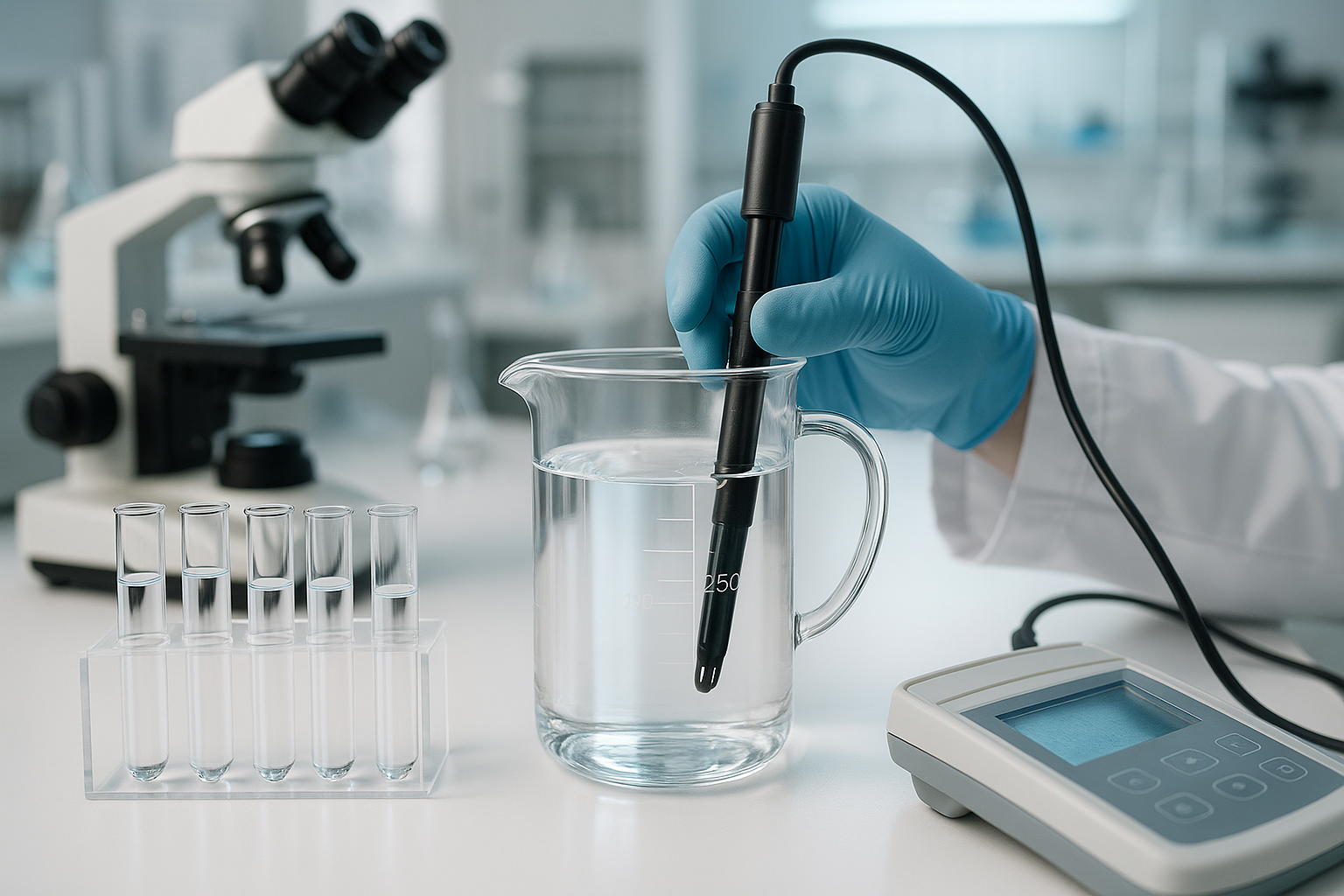
We use Hach and LaMotte professional water testing equipment for field analysis, with comprehensive lab testing through certified California laboratories.
Frequently Asked Questions
What is a safe nitrate level in well water?
Under 10 mg/L nitrate-nitrogen (or 45 mg/L nitrate). Above this is unsafe, especially for infants.
What causes high nitrates in well water?
Fertilizers, septic systems, animal waste. Shallow wells near agriculture are highest risk.
Can I boil water to remove nitrates?
No—boiling concentrates nitrates. Use RO, ion exchange, or bottled water.
Is it safe to shower in high-nitrate water?
Yes—nitrates are only dangerous when ingested. Bathing is safe.
Will nitrates go away on their own?
Usually not—source continues. Address contamination source if possible, or treat water.
Need Nitrate Testing?
We test well water and can recommend treatment options for high nitrates.
Related Articles
Continue learning about well maintenance and troubleshooting