Well Water Smells Like Cabbage: Sulfur Odor Diagnosis & Treatment
Understanding vegetable-like odors in well water and how to eliminate them
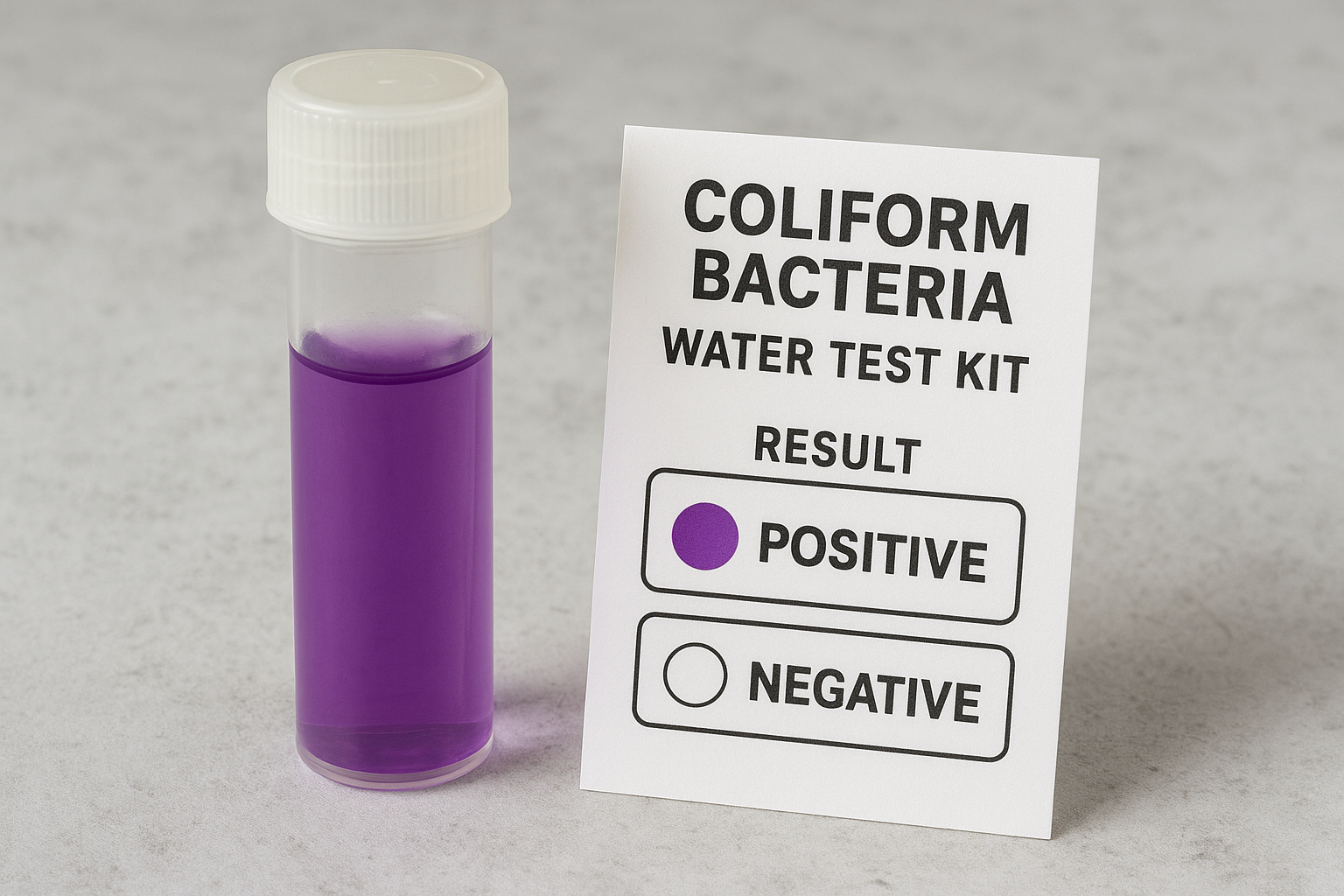
Your well water smells like cabbage, cooked vegetables, or rotting plants — but not quite like the classic "rotten eggs" smell you've heard about. This vegetable-like odor is a variation of the sulfur smell problem, caused by different sulfur compounds than hydrogen sulfide.
While less common than the rotten egg smell, cabbage-like odors have similar causes and treatments. Understanding the difference helps you identify the source and choose the right solution.
What Causes Cabbage Smell in Well Water?
The Chemistry: Different Sulfur Compounds
Not all sulfur smells are alike. Different compounds produce different odors:
| Compound | Chemical Formula | Smell Description | Odor Threshold |
|---|---|---|---|
| Hydrogen sulfide | H₂S | Rotten eggs | 0.5 ppb |
| Methyl mercaptan | CH₃SH | Cabbage, garlic | 0.07 ppb |
| Dimethyl sulfide | (CH₃)₂S | Cooked vegetables, cabbage | 1 ppb |
| Dimethyl disulfide | (CH₃)₂S₂ | Rotting vegetables, garlic | 0.1 ppb |
Note the extremely low odor thresholds — these compounds are detectable at parts per billion. Even tiny amounts produce noticeable smells.
Source 1: Sulfate-Reducing Bacteria
The most common cause. These bacteria live in low-oxygen environments (wells, water heaters, pipes) and convert sulfate minerals into sulfur compounds.
- Where they thrive: Water heaters, well casing, stagnant pipes, sediment buildup
- What they produce: Hydrogen sulfide plus various organic sulfur compounds
- Signs: Smell may be stronger in hot water; black slime in fixtures; smell varies with usage
Source 2: Decaying Organic Matter
Decomposing plant material, dead organisms, or organic debris in or near the well can produce sulfur compounds.
- Where it comes from: Shallow wells near surface, wells with poor seals, organic-rich aquifers
- Characteristics: May have earthy/musty undertones; can fluctuate seasonally
- Risk factors: Flooded wells, poor sanitary seal, nearby wetlands
Source 3: Natural Geological Sources
Some aquifers naturally contain sulfur compounds from:
- Petroleum deposits and oil-bearing formations
- Coal seams and organic-rich shale
- Marine sediments in ancient seabeds
- Hot springs and geothermal activity
In San Diego County, geological sulfur sources are less common than in coastal or oil-producing regions, but they do occur in some areas.
Source 4: Water Heater Problems
If the cabbage smell is primarily in hot water, the water heater is likely the culprit:
- Magnesium anode rod: Reacts with sulfate bacteria to produce sulfur compounds
- Sediment buildup: Creates environment for bacteria growth
- Low temperature setting: Warmer (not hot) water favors bacteria
See our hot water sulfur smell guide for specific water heater solutions.
Is Cabbage-Smelling Water Safe?
However, you should test your water if:
- The smell is new or has changed recently
- The smell is very strong (may indicate high bacterial load)
- Water color or clarity has changed
- Anyone in the household has GI symptoms
- You haven't tested the water in over a year
The smell itself may be harmless, but it can indicate conditions that allow bacterial growth — some of which could include harmful bacteria.
Health Considerations
| Compound Level | Health Effect | Action |
|---|---|---|
| Trace (barely detectable) | None; aesthetic only | Optional treatment |
| Moderate (noticeable) | Possible GI irritation in sensitive individuals | Recommended treatment |
| High (very strong) | Nausea possible; indicates bacterial problem | Test water; treat well |
Diagnosing the Source
Before treating, identify where the smell originates:
Test 1: Hot vs. Cold Water
- Run cold water for 2 minutes, smell it
- Run hot water for 2 minutes, smell it
- Compare the intensity
Result:
- Smell stronger in hot: Water heater issue
- Smell equal in both: Well or aquifer source
- Smell only in cold: Rare; may be specific fixture or pipe
Test 2: First Draw vs. Flushed Water
- Smell water first thing in the morning (before use)
- Run water for 5 minutes, smell again
- Compare the intensity
Result:
- First draw smells worse: Bacteria in pipes or tank
- Smell persists after flushing: Well or aquifer source
Test 3: Single Fixture vs. Whole House
- Check multiple faucets in different areas
- Note which fixtures have the smell
Result:
- One fixture only: Problem in that fixture's supply line
- All fixtures: System-wide (well, tank, or water heater)
Treatment Options
1. Shock Chlorination (First-Line Treatment)
For bacterial sources, shock chlorinating the well kills sulfur-producing bacteria throughout the system.
Process:
- Calculate chlorine dose based on well volume
- Add chlorine (typically 1-3 gallons household bleach)
- Recirculate to distribute chlorine
- Run all faucets until you smell chlorine, then stop
- Wait 12-24 hours
- Flush thoroughly until chlorine smell clears
Cost: $20-50 DIY, $200-400 professional
Effectiveness: Often solves the problem; may need repeating annually
See our complete shock chlorination guide.
2. Water Heater Treatment
If the smell is primarily in hot water:
- Flush the water heater: Drain and flush to remove sediment
- Replace anode rod: Switch from magnesium to aluminum/zinc ($50-150)
- Raise temperature: Temporarily set to 160°F for 24 hours to kill bacteria (then return to 120°F)
- Powered anode: Electric anode eliminates reaction ($200-400)
See our water heater maintenance guide.
3. Aeration Systems
Aeration exposes water to air, allowing volatile sulfur compounds to escape (off-gas).
Types:
- Spray aeration: Water sprayed into tank; air contact releases gases
- Diffused aeration: Air bubbles through water column
- Packed tower: Water trickles through media while air blows up
Cost: $800-2,500 installed
Best for: Moderate to high sulfur levels from geological sources
4. Oxidation Systems
Oxidizing agents convert sulfur compounds into removable particles.
Options:
- Chlorine injection: Continuous low-level chlorination ($800-1,500)
- Hydrogen peroxide injection: Chemical-free oxidation ($1,000-2,000)
- Ozone treatment: Powerful oxidation, no chemicals ($1,500-3,000)
- Air injection (AIO) filter: Simpler option for lower levels ($800-1,500)
5. Activated Carbon Filtration
Carbon filters can remove low to moderate levels of sulfur compounds.
- Point-of-use: Under-sink filter for drinking water ($100-300)
- Whole-house: Larger carbon filter ($400-1,000)
- Limitations: Less effective for high levels; requires regular replacement
Treatment Comparison
| Treatment | Best For | Cost | Maintenance |
|---|---|---|---|
| Shock chlorination | Bacterial sources | $20-400 | Annual or as needed |
| Water heater service | Hot water only smell | $50-400 | Annual flushing |
| Aeration | Moderate sulfur | $800-2,500 | Low; periodic checks |
| Chlorine injection | Consistent removal | $800-1,500 | Refill chemical |
| Ozone | Chemical-free option | $1,500-3,000 | Low |
| Carbon filter | Low levels, taste | $100-1,000 | Replace media/cartridge |
Prevention Strategies
Well Maintenance
- Ensure sanitary well cap is properly sealed
- Keep area around wellhead clear of debris and organic matter
- Address any surface water intrusion
- Test water annually for bacteria
System Care
- Flush water heater annually to remove sediment
- Replace water heater anode before it fails completely
- Use water regularly (stagnation promotes bacteria)
- Consider periodic preventive chlorination if odors recur
When Smell Returns
If odors return after treatment:
- Bacteria may have survived in protected areas (biofilm, sediment)
- Source may be continuous (geological)
- May need more aggressive or continuous treatment
- Consider well inspection for biofilm or sediment buildup
When to Call a Professional
DIY shock chlorination works for many homeowners, but call a professional if:
- Smell persists after proper shock treatment
- You can't identify the source (hot vs. cold, etc.)
- Smell is extremely strong or has changed dramatically
- You want to install continuous treatment equipment
- Water quality has other issues (color, particles, etc.)
- You suspect the well needs cleaning or rehabilitation
Cabbage Smell in Your Water?
SCWS can test your water, identify the source, and recommend the right treatment.
Call SCWS: (760) 440-8520
Water testing • Odor treatment • Well service • San Diego County
Frequently Asked Questions
Why does my well water smell like cabbage?
Cabbage-like smells in well water are typically caused by sulfur compounds, particularly methyl mercaptan and dimethyl sulfide, which smell more like vegetables than the classic rotten egg odor. These compounds come from decaying organic matter, sulfur bacteria activity, or natural geological sources in the aquifer.
Is cabbage-smelling well water safe to drink?
Low levels of sulfur compounds are generally not harmful, though the smell is unpleasant. However, the odor can indicate bacterial activity or organic contamination that warrants testing. If the smell is new, strong, or accompanied by other water quality changes, get the water tested before continuing to drink it.
What's the difference between cabbage smell and rotten egg smell?
Both are caused by sulfur compounds, but different ones. Rotten egg smell is pure hydrogen sulfide (H₂S). Cabbage, vegetable, or garlic-like smells come from other sulfur compounds like methyl mercaptan, dimethyl sulfide, or dimethyl disulfide. Treatment is similar for all.
How do I remove cabbage smell from well water?
Treatment options include: shock chlorination to kill odor-causing bacteria, aeration systems to off-gas sulfur compounds, oxidizing filters (chlorine injection, ozone), and activated carbon for low-level odors. The best treatment depends on the concentration and source of the compounds.
Can my water heater cause cabbage smell?
Yes. If the smell is stronger in hot water, bacteria in the water heater may be producing sulfur compounds. The magnesium anode rod can fuel sulfate-reducing bacteria. Solutions include replacing the anode with aluminum/zinc, flushing the tank, or temporarily raising the temperature to kill bacteria.
Will the smell go away on its own?
Usually not. Bacterial populations tend to stabilize rather than disappear, and geological sources are permanent. Treatment is typically needed. The smell may vary seasonally or with usage patterns, but it rarely resolves without intervention.
How often should I shock chlorinate if the smell returns?
If shock chlorination solves the problem but it returns within months, you may need to treat annually (usually spring) or consider continuous treatment. Recurring odors may also indicate biofilm buildup in the well that requires professional cleaning.
Related Articles
Continue learning about well maintenance and troubleshooting