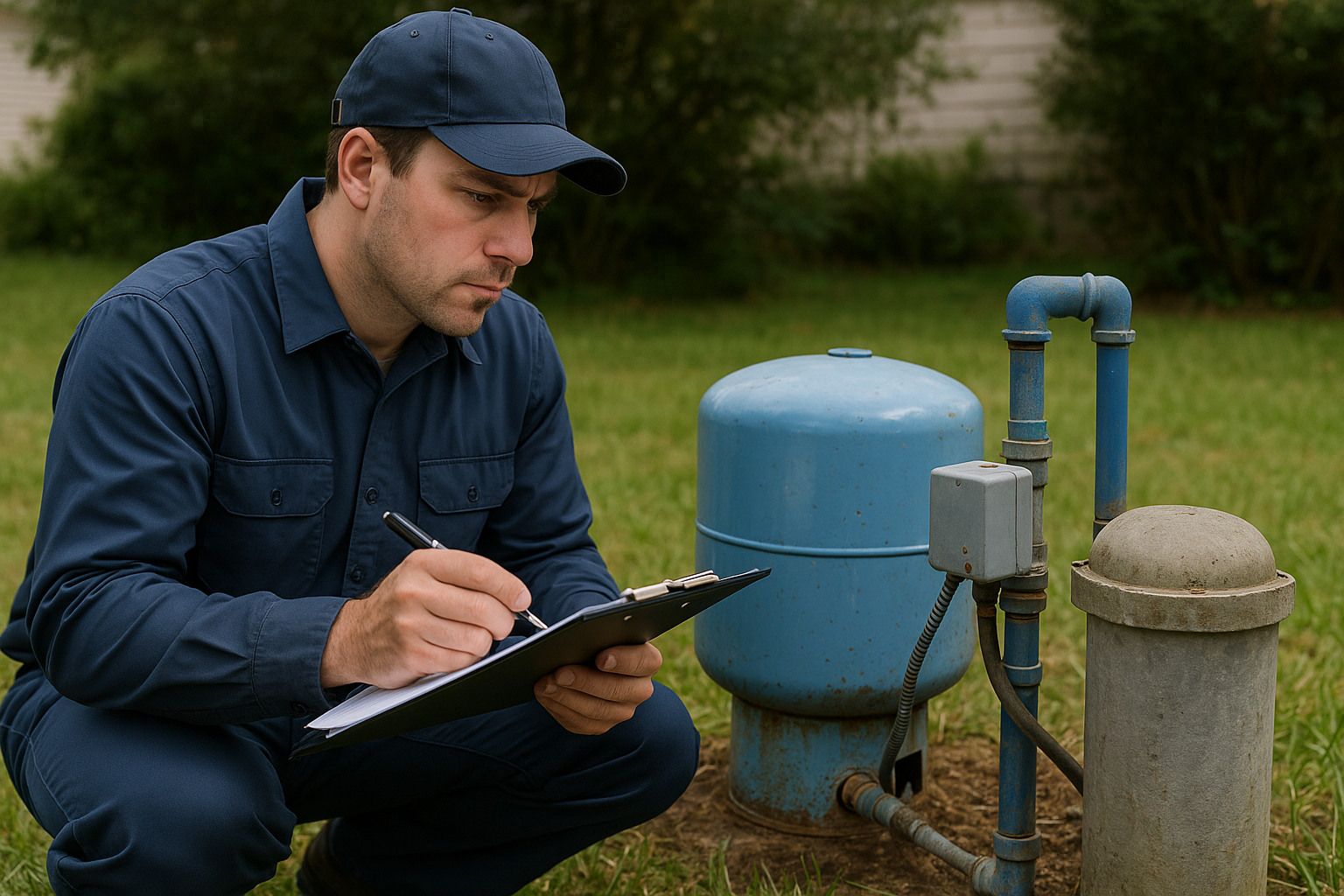
Well Water Smells Musty or Earthy - Causes & Treatment
Well Water Smells Musty or Earthy: What's Causing It?
If your well water smells like dirt, mold, damp basement, or has an earthy "wet soil" odor, you're experiencing one of the more challenging water quality issues. Unlike the distinctive rotten egg smell of hydrogen sulfide, musty odors can be subtle but persistent—and unpleasant enough to make your water unappealing for drinking, cooking, or bathing.
What Causes Musty Smells in Well Water
Geosmin and MIB Compounds
The primary culprits behind musty water odors are organic compounds called geosmin and MIB (2-methylisoborneol). These are produced by:
- Actinomycetes bacteria: Soil bacteria that thrive in water and produce earthy-smelling compounds
- Blue-green algae (cyanobacteria): Can grow in wells with light exposure
- Other organic matter decomposition: Leaves, plant material, or other organics breaking down
Remarkably, humans can detect geosmin at concentrations as low as 5 parts per trillion—that's why even tiny amounts create noticeable odor.
Surface Water Infiltration
Musty odors often indicate surface water entering your well, bringing with it organic matter and bacteria. Entry points include:
- Damaged or poorly sealed well cap
- Cracks in well casing
- Inadequate surface grout seal
- Shallow well construction
Stagnant Water in the System
Water that sits unused can develop musty odors from bacterial growth:
- Dead-end pipe runs rarely used
- Vacation home wells sitting dormant
- Water heater that hasn't been flushed
Is Musty-Smelling Water Safe?
While the smell is unpleasant, geosmin and MIB themselves are not toxic at levels found in water. However, musty odors often indicate conditions that could harbor harmful bacteria. The presence of these compounds suggests:
- Possible bacterial contamination
- Surface water infiltration that could carry pathogens
- Organic contamination that should be addressed
Testing for coliform bacteria is recommended whenever musty odors appear.
⚠️ When Musty Smell Is Serious
If musty odor is accompanied by any of these symptoms, stop using the water and call for testing:
- Visible cloudiness or particles
- Color changes (brown, green tint)
- Multiple odors (musty plus rotten egg or chemical)
- Gastrointestinal symptoms in household members
- Odor appeared suddenly after heavy rain
Diagnosing the Source: A Step-by-Step Process
Before spending money on treatment, it's worth 10 minutes of detective work to narrow down where the musty smell originates. This can save you hundreds of dollars by targeting the right fix.
Step 1: The Outdoor Spigot Test
Go to an outdoor faucet as close to the wellhead as possible. Run water for 30 seconds, fill a clean glass, and smell it. If the outdoor water smells musty, the problem is in your well or groundwater — not your plumbing.
Step 2: Hot vs. Cold Water Test
Run only cold water at a kitchen faucet and smell it. Then run only hot water. If only the hot water smells musty, the problem is likely bacterial growth in your water heater — not the well itself. This is especially common in homes where the water heater is set below 120°F, allowing bacteria to colonize the tank.
Step 3: Check All Fixtures
If only one or two drains smell musty, you may have a plumbing issue rather than a well issue. Bacterial biofilm in P-traps, rarely-used drains, or corroded pipes can produce musty odors. Run water in all fixtures and note which ones smell.
Step 4: Professional Water Testing
If the outdoor water smells musty, get a professional water test. At minimum, test for:
- Total coliform and E. coli bacteria: $30-$50 per test
- Iron bacteria: Can contribute to musty/earthy odors
- Total dissolved solids (TDS): High TDS can indicate surface infiltration
- pH: Low pH water is more susceptible to organic contamination
In Southern California, we see musty water issues most often in shallow wells (under 200 feet) in areas like Ramona, Julian, and Valley Center where seasonal water table fluctuations bring surface organics into the aquifer.
Treatment Options: What Works, What It Costs
Treatment depends on the severity and source of the odor. Here's what actually works, from simplest to most comprehensive:
1. Shock Chlorination ($200-$500)
The first thing to try for any musty odor. A one-time heavy chlorine treatment kills odor-causing bacteria and disinfects the entire system. This involves:
- Adding concentrated chlorine solution to the well (typically 200 PPM)
- Circulating chlorinated water through the entire plumbing system
- Allowing 12-24 hours of contact time
- Flushing the system until chlorine dissipates
Shock chlorination solves the problem about 60% of the time for musty odors. If the smell returns within a few weeks, you have a recurring source that needs ongoing treatment.
2. Activated Carbon Filtration ($800-$2,500 installed)
Carbon filters are the gold standard for removing geosmin and MIB compounds. They're highly effective and relatively affordable for long-term treatment. Options include:
- Whole-house carbon filter ($1,200-$2,500): Treats all water entering the home. Uses granular activated carbon (GAC) media that needs replacement every 3-5 years ($200-$400 for media).
- Point-of-use carbon filter ($150-$400): Under-sink units for drinking water only. Filters last 6-12 months ($30-$80 per replacement).
- Carbon pre-filter ($800-$1,500): Installed before other treatment equipment (water softener, UV) to handle odor first.
We recommend Pentek and Filtrex whole-house carbon systems for SoCal well owners — they handle the high sediment loads common in our area without clogging prematurely.
3. Aeration Systems ($2,000-$4,500 installed)
Aeration works by exposing water to air, allowing volatile organic compounds to off-gas. It's moderately effective for musty odors but better suited for hydrogen sulfide (rotten egg) problems. Consider aeration when you have multiple water quality issues — it can address odor, iron, and low pH simultaneously.
4. Ozone Treatment ($3,000-$6,000 installed)
Ozone (O3) is a powerful oxidizer that destroys odor-causing compounds and disinfects water simultaneously. It's the most effective single treatment for persistent musty odors but also the most expensive. Best suited for homes with recurring bacterial contamination where shock chlorination isn't holding.
5. Continuous Chlorination ($1,500-$3,000 installed)
A chlorine injection system adds a small amount of chlorine continuously. The water passes through a contact tank, then a carbon filter removes the chlorine before it reaches your fixtures. This is the nuclear option — it handles virtually any biological contamination but requires ongoing chemical costs ($10-$20/month).
Treatment Cost Comparison
| Treatment | Install Cost | Annual Maintenance | Effectiveness |
|---|---|---|---|
| Shock Chlorination | $200-$500 | $200-$500/yr if repeated | Good (60%) |
| Carbon Filter (whole-house) | $1,200-$2,500 | $100-$200 | Excellent (95%+) |
| Aeration | $2,000-$4,500 | $50-$150 | Moderate (70%) |
| Ozone | $3,000-$6,000 | $100-$300 | Excellent (98%+) |
| Continuous Chlorination | $1,500-$3,000 | $150-$300 | Excellent (99%) |
Addressing the Root Cause
Treatment removes the symptom, but preventing the odor from coming back requires fixing what's causing it. In our experience servicing wells across San Diego and Riverside counties, here are the most common root causes and their fixes:
Well Cap and Seal Issues
A damaged or poorly sealed well cap is the #1 cause of musty water we see in the field. Rain, insects, and surface runoff enter through cracked or missing caps, introducing organic matter and bacteria. A proper sanitary well cap costs $75-$200 and takes 30 minutes to install — one of the cheapest fixes for one of the most common problems.
Casing Integrity Problems
Cracks, corrosion, or joint failures in the well casing allow shallow groundwater and surface water to mix with deeper, cleaner water. This is especially common in older steel-cased wells (15+ years) in areas with corrosive soil. A well video inspection ($250-$500) can identify casing damage without pulling the pump.
Inadequate Surface Grout Seal
California requires at least 20 feet of grout seal between the well casing and borehole to prevent surface water infiltration. Older wells or wells drilled before current standards may have inadequate seals. Re-grouting is possible but expensive ($2,000-$5,000) — often it makes more sense to drill a new well if the existing one has multiple integrity issues.
Seasonal Water Table Fluctuations
In parts of Ramona, Julian, Fallbrook, and the mountain communities, water tables rise significantly during wet season. Shallow wells (under 150 feet) can pull in water that has filtered through organic-rich topsoil, carrying those earthy-smelling compounds. If your musty odor appears every winter/spring and fades in summer, this is likely your culprit. The permanent fix is deepening the well or installing casing seals at the shallow zone.
Well Cleaning and Rehabilitation
Over time, biological fouling — iron bacteria, slime-forming bacteria, and mineral deposits — builds up on well screens and casing walls. This biofilm can produce musty odors even in otherwise clean wells. Professional well cleaning ($500-$1,500) uses chemicals and agitation to remove buildup and restore flow. We recommend cleaning every 5-7 years for preventive maintenance.
Musty Well Water in Southern California: What We See in the Field
After servicing thousands of wells across San Diego, Riverside, and San Bernardino counties, we've noticed clear patterns with musty water complaints:
- Ramona/Julian/Valley Center: Most musty odor calls come from wells under 250 feet in decomposed granite formations. Surface water infiltration during rain season is the typical cause.
- Anza/Aguanga/Mountain Center: Higher-elevation wells with seasonal springs nearby. Geosmin from decaying organic matter in the aquifer is common.
- Fallbrook/Bonsall/De Luz: Agricultural areas where irrigation runoff can affect shallow well water quality.
- Borrego Springs/Desert areas: Musty odors are less common in deep desert wells but can occur from iron bacteria, which produces a distinct earthy-metallic smell.
If you're on well water anywhere in Southern California and notice a sudden musty change, don't ignore it — seasonal changes are normal, but sudden onset often indicates a new problem like a cracked cap or casing failure.
Prevention: Keeping Musty Odors from Coming Back
Once you've treated the immediate odor, these preventive measures keep it from recurring:
- Annual shock chlorination: Even if your water smells fine, an annual chlorine treatment ($200-$500) prevents bacterial buildup before it becomes noticeable.
- Inspect your well cap yearly: Takes 5 minutes. Look for cracks, gaps, missing bolts, or insect entry points. A vermin-proof sanitary well cap is worth the $150 investment.
- Maintain proper drainage: The ground around your wellhead should slope away in all directions for at least 10 feet. Standing water near a wellhead is a guaranteed odor problem waiting to happen.
- Don't let water sit: If you have a vacation home or guest house on well water, run all fixtures for 5 minutes every 2 weeks to prevent stagnation.
- Change carbon filters on schedule: Don't wait until the odor returns. Mark your calendar for filter replacement based on manufacturer recommendations.
- Water heater maintenance: Flush your water heater annually and keep it set to at least 120°F to prevent bacterial colonization.
When to Call a Professional
Some musty water situations need professional attention. Contact a licensed well contractor when:
- Musty odor persists after shock chlorination
- You need comprehensive water quality testing beyond basic bacteria
- Well inspection is needed to check for surface water intrusion or casing damage
- You want help selecting and installing the right treatment system
- Odor returns repeatedly within weeks of treatment
- Other water quality issues appear alongside the odor (color changes, particles, taste changes)
- Your well is older than 20 years and has never been inspected
Musty well water? Get to the source of the problem.
Water testing and well inspection services
Frequently Asked Questions
Why does my water smell musty only sometimes?
Seasonal variations in water table, temperature, and rainfall affect bacterial activity and surface water infiltration. Musty odors often worsen in warm weather when bacteria are more active, or after heavy rain that brings surface water into the well.
Can a water softener remove musty smell?
No, water softeners are designed to remove hardness minerals and don't address organic compounds or odors. You need activated carbon filtration or oxidation treatment for musty odors.
How do I know if the smell is from my well or my drains?
Fill a glass from an outdoor spigot close to the well and smell it. If the outdoor water smells musty, it's coming from the well. If only indoor fixtures smell but outdoor water is fine, check your drains—they may have bacterial buildup creating the odor.
How long does a carbon filter last for musty odor?
Carbon filter lifespan depends on usage and contamination level, typically 6-12 months for whole-house filters. When you notice odor returning, it's time to replace the carbon media.
We use Hach and LaMotte professional water testing equipment for field analysis, with comprehensive lab testing through certified California laboratories.
Related Articles
Continue learning about well maintenance and troubleshooting