Agricultural Well Service in Fontana
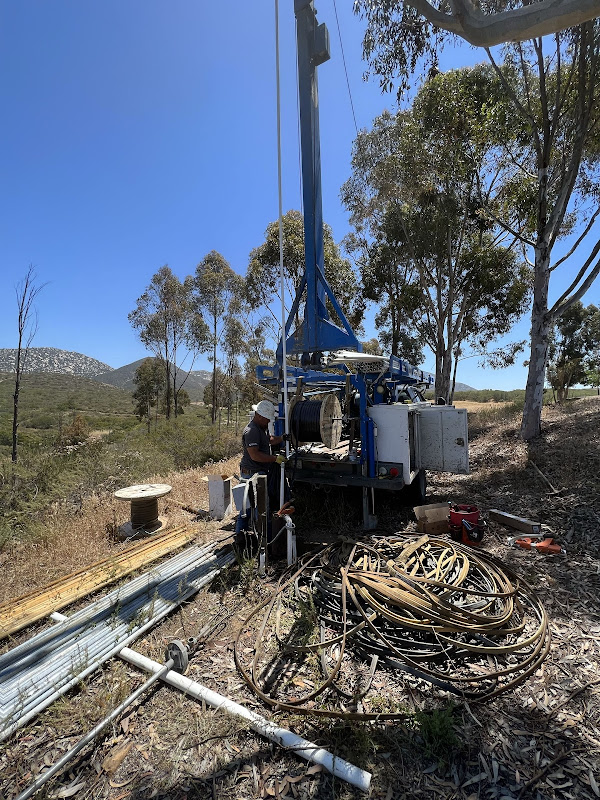
Southern California Well Service provides complete agricultural well services to Fontana farmers, ranchers, and growers. From irrigation wells to livestock watering systems, we have the expertise and equipment to keep your operation running.
📋 In This Guide
Need Agricultural Well Service in Fontana?
We serve Fontana and all of San Bernardino County. Licensed C-57 contractor (CSLB #1086994), founded 2020.
Call: (760) 440-8520Our Agricultural Well Services
- Agricultural well drilling
- Irrigation well installation
- High-capacity pump systems
- Variable frequency drives (VFDs)
- Well rehabilitation for increased yield
- Water quality testing for crops
- Livestock watering systems
- 24/7 emergency agricultural service
From Vineyards to Today: Agriculture and Wells in Fontana
Fontana sits in the western San Bernardino Valley, in the inland country between the San Gabriel and San Bernardino Mountains. Long before it became a center of industry and housing, Fontana was farmland — a planned agricultural colony founded in the early twentieth century and known for vineyards, citrus groves, poultry ranches, and hog and dairy operations spread across the valley floor. While the city has urbanized dramatically, that agricultural heritage survives on rural-residential parcels, equestrian properties, remaining groves and vineyards, and hobby farms around Fontana's edges and in the adjacent foothill and wash country. These operations still rely on groundwater, and a well remains the most economical and dependable water source for working rural land in this region.
The hydrogeology beneath Fontana is shaped by the alluvial fans descending from the San Gabriel Mountains — thick deposits of sand, gravel, and cobbles washed down over geologic time and recharged by mountain runoff and the washes that cross the valley. These alluvial fans form productive aquifers, which is part of why the area supported intensive agriculture in the first place. The Chino and Rialto-Colton groundwater basins underlie the broader area, and both have been actively managed and adjudicated, reflecting how heavily this groundwater has been used. Well depth and yield vary with position on the fans, so siting and sizing benefit from knowledge of how the local aquifers behave.
What a Fontana-Area Agricultural Well Needs
Water needs around Fontana are varied — equestrian and livestock properties, remaining citrus and vineyard blocks, irrigated pasture, and hobby-farm row crops each demand something different. We size every Fontana agricultural pump to the well's tested yield and the use at hand: pasture and grove irrigation may call for higher sustained flow, while a small drip-irrigated planting runs on steady, moderate delivery. The western San Bernardino Valley brings hot summers and high evapotranspiration, so wells here must be sized for dependable warm-season pumping, not just light, intermittent use.
A sound Fontana setup pairs a properly sized submersible pump with a pressure tank or storage, sediment filtration, and controls suited to the property. Storage is often the most valuable addition where a well produces a modest but reliable yield: a tank or pond lets the well run steadily and deliver a stronger burst to the field, grove, or pasture during the irrigation window. For equestrian and livestock properties, reliable year-round stock watering is essential, and we design those systems for dependability through the hottest stretches when animals drink the most. Variable frequency drives are a frequent upgrade, holding steady pressure and reducing energy costs on properties that irrigate regularly.
- Use-matched sizing: pumps tuned to grove, pasture, or stock-watering demand and tested yield.
- Storage: tanks and ponds so a modest well meets peak summer demand efficiently.
- Livestock reliability: dependable stock watering through the hottest months.
- Efficient controls: VFDs and pressure tanks for steady pressure and lower power bills.
Common Well Problems in the Fontana Area
Declining flow is the most common complaint. A well that comfortably served a pasture or grove years ago now struggles, and the owner assumes the aquifer is gone. More often the cause is scale and bacterial buildup on the screen and gravel pack, which rehabilitation can reverse. Falling water levels are a genuine consideration as well, given the long, heavy use of the underlying managed basins; the first step is always to measure the actual water level before deciding on a fix.
Sediment is the next recurring issue — older or overpumped wells begin drawing fines that wear pump impellers and clog drip systems and trough valves — and wellhead filtration protects the entire setup. Pump and pressure problems round out the calls: short-cycling, a motor tripping on overload, or pressure that swings usually points to a failing pump, a waterlogged pressure tank, or a control fault. As everywhere in this hot inland region, failures tend to strike during summer heat waves, when demand peaks and equipment is under the most stress, which is exactly why preseason maintenance pays for itself.
Maintenance Every Fontana Property Owner Should Do
- Log static and pumping water levels twice a year to spot trends in the managed basin.
- Track flow and motor amperage; rising amps with falling flow warns of scale or wear.
- Service sediment filters and check trough valves and drip emitters for fines.
- Inspect the pressure tank, check valve, and wellhead seal before summer arrives.
- Test water quality periodically, especially for livestock and sensitive plantings.
Well Rehabilitation and When to Call a Professional
Many Fontana-area wells have been pumping the valley's alluvial aquifers for decades, and rehabilitation is frequently the smartest first move on a slowing well. Over years of pumping, scale and bacterial growth narrow the screen openings and the gravel pack, choking the path water takes into the casing even though the formation still holds water. We evaluate the well downhole, then use surging, brushing, chemical treatment, and redevelopment to recover much of the lost yield — typically for a fraction of the cost of drilling new. Call a licensed contractor when flow drops, when the motor trips repeatedly, when you see sand, when pressure will not hold, or when a well quits. Pulling a deep-set submersible pump is not a job for improvised equipment, and Founded in 2020, with a C-57 license (CSLB #1086994), we carry the right rig, the diagnostic tools, and the parts to put a well back in service, often the same day.
What Agricultural Well Service Costs in Fontana
A submersible pump replacement typically runs $2,500 to $5,500, with deeper or higher-capacity installations higher. A pressure tank runs $600 to $1,500, and sediment filtration $300 to $900. A new turnkey well generally falls between $18,000 and $42,000 depending on depth and completion, with high-capacity systems above that. Our diagnostic visit is $125, credited toward any work performed, so you get a clear, tested answer before spending on equipment.
Serving Fontana and the Western San Bernardino Valley
From our Ramona and Anza offices, our crews serve Fontana, Rialto, Bloomington, Rancho Cucamonga, and the rural and equestrian country across the western San Bernardino Valley. We understand the area's productive alluvial-fan aquifers, the managed basins that underlie them, and the demands of grove, pasture, and livestock watering in a hot inland climate. From a backyard citrus block to a working equestrian property, our C-57 license (CSLB #1086994) reflects reliable, honest work and getting water flowing again.
Why a Private Well Still Makes Sense Near Fontana
In a rapidly urbanized area like Fontana, owners of rural-residential, equestrian, and small-farm parcels sometimes wonder whether a private agricultural well is still worth maintaining when a municipal connection is available nearby. For most working rural properties, the answer is a firm yes. Municipal water priced for irrigation and livestock can be expensive, and the volumes a pasture, grove, or equestrian operation uses add up quickly. A well that the owner controls outright turns that recurring cost into a fixed asset, and it provides independence from rate increases, usage restrictions, and the drought-year cutbacks that periodically tighten supply across Southern California.
There is also the matter of suitability and control. Animals and many plantings do well on properly managed groundwater, and a private well lets the owner irrigate on the schedule the property actually needs rather than within the constraints of a metered municipal account. The productive alluvial-fan aquifers beneath the Fontana area have supported agriculture for over a century, and a well built and maintained correctly remains a long-term, dependable foundation for rural land. We help property owners weigh the economics honestly, keep existing wells healthy through rehabilitation and timely service, and design new wells that comply with the area's basin-management rules while serving the property for decades.
Fontana Agricultural Well FAQ
How deep are wells around Fontana?
It depends on position on the alluvial fans. Wells vary in depth and yield across the valley, so we test each site to size the well and pump correctly rather than relying on an area average.
My well lost flow — do I need a new one?
Usually not first. Declining flow on an established Fontana well is most often scale and bacterial plugging on the screen, which rehabilitation can frequently reverse. We test before recommending replacement.
Are the groundwater basins here regulated?
Yes. The basins underlying the Fontana area are managed and adjudicated, and a new agricultural well requires permitting. We handle the permitting and build to code so your well is compliant.
Can you set up reliable livestock and horse watering?
Yes. We design dependable stock-watering systems with storage so troughs stay full through the hottest months, and we can add solar pumping for remote parts of a property.
What size pump do I need for a grove or pasture?
It depends on acreage, irrigation method, and the well's tested yield. We size the pump to what the well can sustain and add storage when peak demand exceeds the well's steady flow.
Do you offer same-day service in Fontana?
Yes, same-day emergency service when our schedule allows. Call (760) 440-8520 or text (760) 219-5877.
Dependable Wells for Fontana Farms and Ranches
New wells, pump replacement, livestock watering, and rehabilitation across the western San Bernardino Valley. Diagnostic visits credited toward your repair.
Call (760) 440-8520Our Locations
Related Articles
Continue learning about well maintenance and troubleshooting