Agricultural Well Service in Valley Center
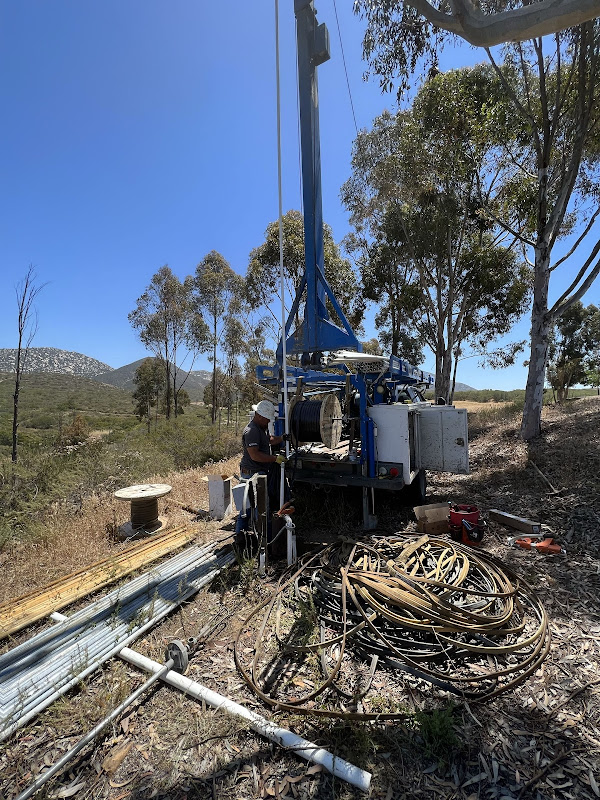
Southern California Well Service provides complete agricultural well services to Valley Center farmers, ranchers, and growers. From irrigation wells to livestock watering systems, we have the expertise and equipment to keep your operation running.
📋 In This Guide
Agricultural Wells in Valley Center's Grove Country
Valley Center is one of the most well-dependent farming communities in San Diego County. Spread across the hills northeast of Escondido and reaching toward Hidden Meadows, Pauma, and the Rincon area, this is classic grove country, where avocado and citrus orchards share the slopes with horse ranches, commercial nurseries, and a scattering of small specialty farms. Many of these properties sit beyond the reach of affordable district water, so a private well is not a luxury here, it is the backbone of the operation.
Southern California Well Service works throughout Valley Center year-round, and we know how much rides on a grove well staying healthy through the long Inland dry season. With more than 30 years of experience and a C-57 license, we drill, repair, and rehabilitate agricultural wells with an eye toward what actually grows here, sizing every pump and pressure system to the crop, the slope, and the well's tested yield rather than installing one-size-fits-all equipment.
Valley Center Well Data and Geology
574'
Average Depth
17–2130'
Depth Range
1,021
Wells on Record
San Diego
County
Based on California DWR well completion reports. Valley Center's average well depth of 574 feet runs about 124 feet deeper than the San Diego County average of 450 feet.
Valley Center has more than 1,000 wells on record, one of the highest counts in the county, which reflects just how many properties here rely on groundwater. The average depth of 574 feet tells the geologic story: this is the heart of the Peninsular Ranges batholith, where water is held in fractures and joints within granitic and metamorphic bedrock rather than in a deep, forgiving sand aquifer. Decomposed granite blankets much of the surface, and the most productive wells are the ones that happen to intersect a good network of water-bearing fractures, which is why two wells a few hundred feet apart can yield very differently.
How Grove and Ranch Wells Work Here
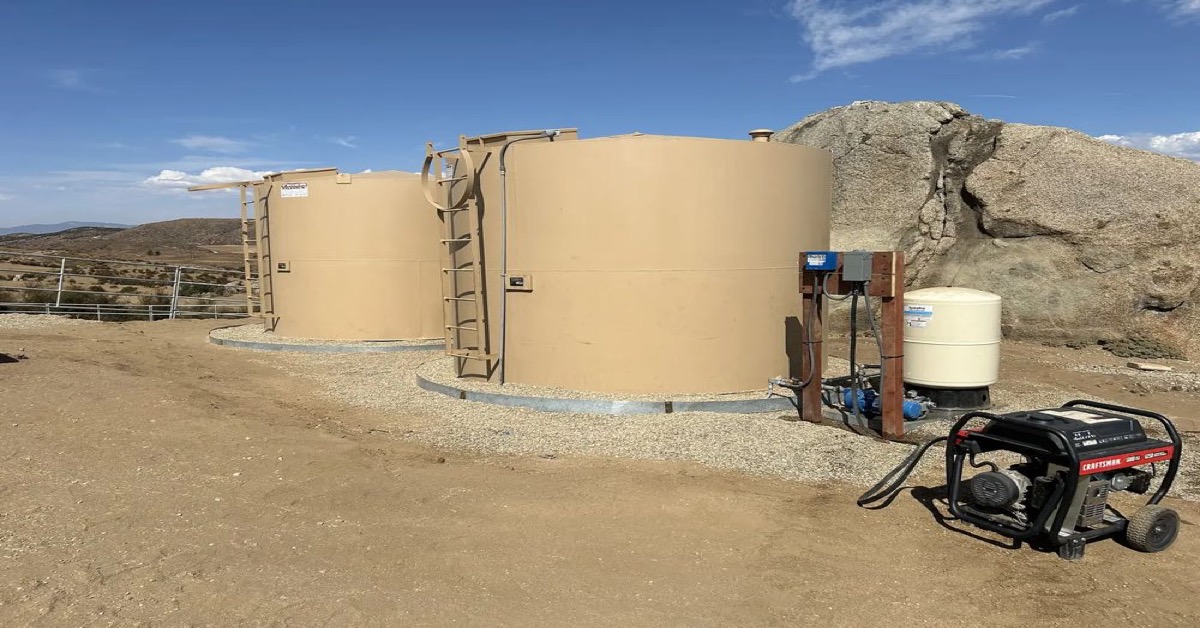
A typical Valley Center agricultural system starts with a submersible pump set deep in the bedrock well, controlled at the surface and often paired with a variable frequency drive to protect a fracture-fed well from being drawn down too aggressively. Because many wells in the area produce a moderate 10 to 30 gallons per minute, growers lean heavily on storage. Pumping steadily into a 2,500- to 10,000-gallon tank and then irrigating in concentrated cycles lets a modest well support acres of trees that direct pumping never could.
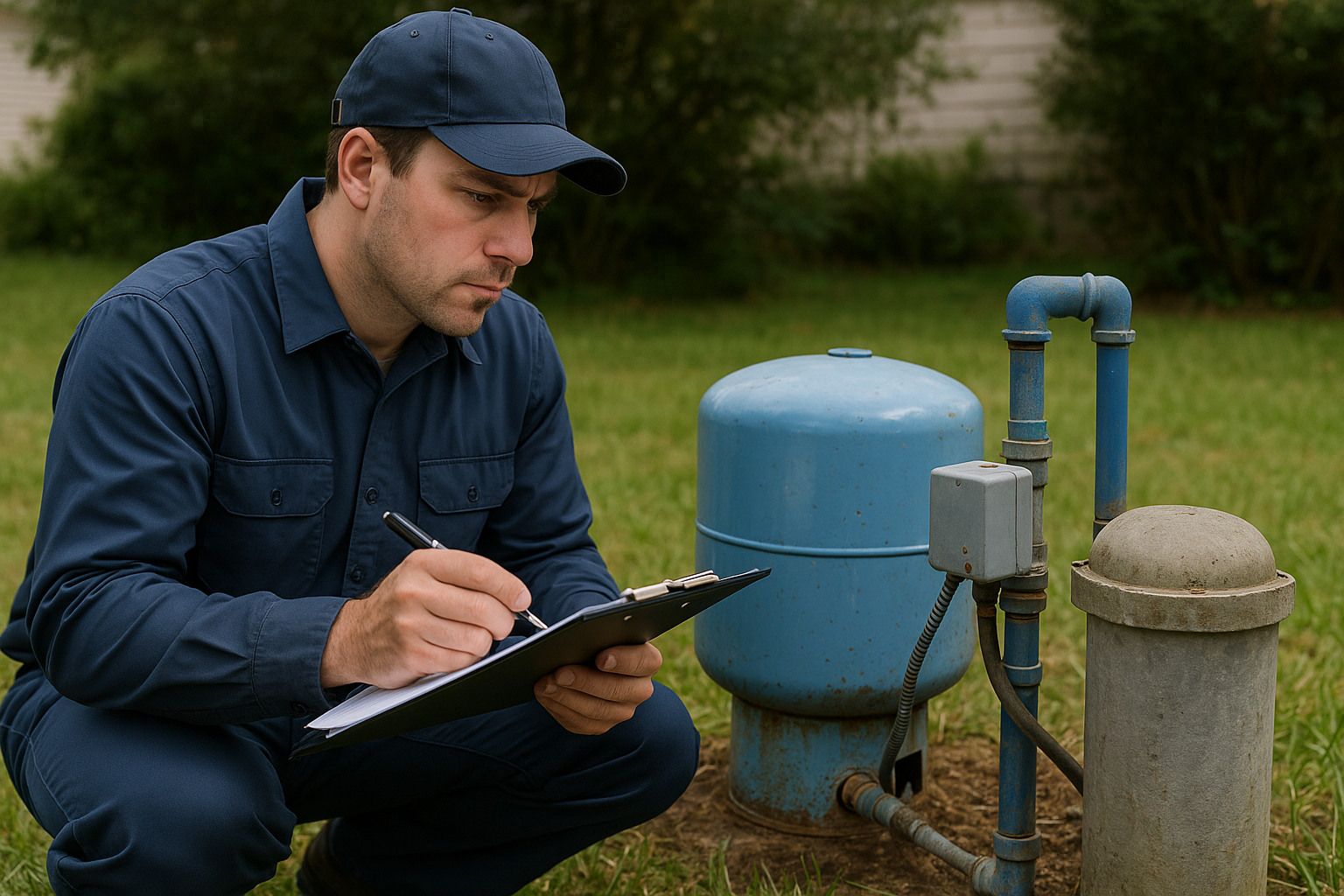
From storage, a booster or constant-pressure system delivers the even 40 to 60 PSI that drip lines and micro-sprinklers need to perform across uneven terrain. On horse properties and nurseries we also size systems for the steadier daily demand of stalls, wash racks, and greenhouse benches. Getting that match right is the difference between a system that hums along for years and one that short-cycles itself to an early failure.
Common Well Issues in Valley Center
The conditions that suit avocados also produce a recognizable set of well problems across Valley Center:
- Seasonal yield decline. Fracture-fed wells often drop in output by late summer, just when the trees are thirstiest.
- Sand from decomposed granite. Fine grit wears impellers and plugs the small emitters that drip irrigation depends on.
- Iron, manganese, and hardness. Bedrock water here frequently stains and scales, fouling filters and clogging lines over time.
- Short-cycling pumps. A waterlogged tank or worn pressure switch hammers the motor with constant starts.
- Aging wells and pumps. With so many decades-old wells in the area, original pumps and steel casings are reaching the end of their service life.
What to Check Before Calling
If your Valley Center well is misbehaving, run through these quick checks first:
- Verify the breaker or pump-panel disconnect hasn't tripped, reset it once, and listen for the pump.
- Read the pressure tank gauge; rapid swings or a pump that cycles every few seconds points to a tank or switch problem.
- Watch the water for sudden sand or air, which can mean the level has dropped below the pump.
- Determine whether the whole property or just one irrigation zone is affected to separate a well issue from a line break.
Don't keep resetting a breaker that trips repeatedly or run a pump that's pulling air; either can destroy a motor quickly.
When to Call a Professional
Reach out when the pump won't restart, when yield has fallen enough to threaten your trees or stock, when sand or staining persists, or when anything smells hot at the control panel. We provide same-day emergency service throughout Valley Center because a down well during a heat wave can damage a grove within days. Our diagnostic visit is $125 and is credited toward any repair we complete.
We also help longtime Valley Center families plan ahead, whether that means rehabilitating a tired well, adding storage to stretch a low yield, or permitting and drilling a new bore through San Diego County before replanting. Doing it right protects both the harvest and the value of the land.
Agricultural Well Costs in Valley Center
Actual pricing depends on depth and conditions, but these ranges help Valley Center growers budget:
- Pressure switch replacement: $150–$350
- Pressure tank replacement: $600–$1,500
- Submersible pump replacement: $2,500–$5,500
- Sediment / sand filtration: $300–$900
- Iron, manganese, or softening treatment: $1,500–$3,500
- Constant-pressure / booster system: $2,000–$4,500
- Hydrofracturing to restore yield: $3,000–$8,000
- New agricultural well, turnkey: $18,000–$42,000
For an older Valley Center well that has lost production, hydrofracturing is often worth trying first. Using high-pressure water to reopen clogged fractures can revive a well for a fraction of the cost of drilling new.
Serving Valley Center and Nearby Areas
From our Ramona and Anza offices we serve Valley Center and the surrounding grove and ranch communities of San Diego County, including:
Water Quality and Long-Term Planning in Valley Center
Water quality is a recurring theme on Valley Center wells. Granitic groundwater here is often moderately hard and can carry enough iron and manganese to stain equipment and gradually plug the fine emitters that drip irrigation relies on. For groves, that means a slow loss of uniformity that shows up as uneven tree vigor; for nurseries and horse operations, it means scale on fixtures and clogged valves. We test each well and recommend only the treatment a property actually needs, from a simple sediment filter to iron and manganese removal or softening, rather than overselling a treatment train.
We also encourage Valley Center owners to think a few seasons ahead. A well that comfortably supplied a young orchard may fall behind as the trees mature and demand climbs, and the cheapest time to add storage or upsize a pump is before a hot September forces an emergency. Periodic water-level checks, a flow test every few years, and attention to rising energy bills, often the first sign a pump is working harder than it should, all help you stay ahead of a failure.
When a new well is the right move, we handle the process end to end, from siting and the San Diego County permit through drilling, casing, and the final pump and pressure installation, and we leave you with documentation of depth, yield, and equipment for your records.
Frequently Asked Questions
How deep are wells in Valley Center?
They average about 574 feet, deeper than the county average of 450, with records ranging from 17 to more than 2,100 feet. Because water sits in bedrock fractures, depth and yield can vary sharply from one parcel to the next.
Why does my Valley Center well yield change with the season?
Fracture-fed granitic wells draw on a limited stored volume that recharges in winter and draws down through summer, so output commonly dips in late season. Lowering the pump, adding storage, or hydrofracturing can help carry you through.
Can you size a well system for a horse ranch or nursery?
Yes. We design for the steady daily demand of stalls, wash racks, and greenhouse benches as readily as for orchard irrigation, matching pump, storage, and pressure equipment to your actual usage.
My water stains everything orange—what can be done?
That's typically iron and often manganese from bedrock groundwater. We test the water and install targeted treatment so staining stops and your filters and drip emitters stay clear.
Is it cheaper to fix an old well or drill a new one?
Usually it's cheaper to rehabilitate or hydrofracture an existing well first. We assess the casing and yield and give you an honest comparison before recommending a new bore.
How quickly can you get to Valley Center?
We offer same-day emergency response to Valley Center and prioritize agricultural calls during heat waves. The $125 diagnostic fee is credited toward any repair we perform.
Our Locations
Related Articles
Continue learning about agricultural wells and water systems