
Well Services for Aguanga Avocado Groves
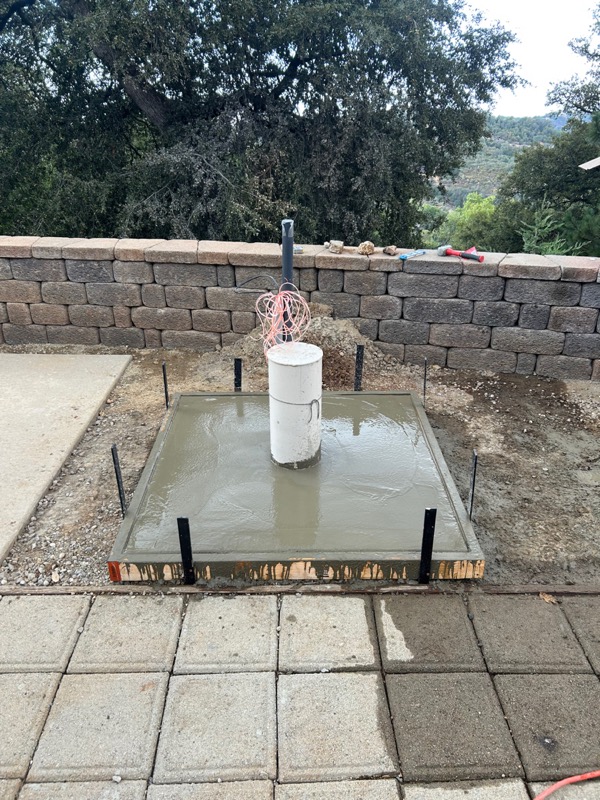
Growing avocados in Aguanga? These water-loving trees need reliable, high-quality well water for healthy production. Southern California Well Service supports Riverside County avocado growers with specialized well services.
📋 In This Guide
- Avocado Water Demands
- Well Systems for Avocado Groves
- Chloride Sensitivity
- Partnering with Aguanga Avocado Growers
- Related Articles
Avocado Water Demands
Avocados are thirsty trees:
- Mature tree: 40-70 gallons per day in summer
- Per acre: 4-6 acre-feet per year
- Critical periods: Fruit set and sizing
A reliable well is essential for profitable avocado production in Riverside County.
Well Systems for Avocado Groves
- High-capacity agricultural wells
- Storage tanks for peak demand periods
- Drip irrigation systems for efficiency
- Micro-sprinklers for young trees
- Pressure regulation for uniform coverage
Chloride Sensitivity
Avocados are highly sensitive to chloride in irrigation water. If your Aguanga well has elevated chloride:
- Blending with lower-chloride water source
- Leaching irrigation to flush salts
- Rootstock selection for salt tolerance
- Regular soil and leaf testing
We test well water for avocado-critical parameters.
Partnering with Aguanga Avocado Growers
Avocados are a major crop in Riverside County, and reliable water is essential for success. Contact us for well services designed for avocado production.
Need Help With Your Well in Aguanga?
Our expert technicians serve Aguanga and all of Riverside County with professional well services.
Related Articles
Continue learning about well maintenance and troubleshooting

Signs Your Well Pump Is Failing
Catch pump problems early before you lose water completely.
Low Water Pressure From Well
Diagnose and fix pressure problems before they get worse.

Well Maintenance Guide
Keep your well running smoothly with regular maintenance.
Our Locations
1077 Main St, Ramona, CA 92065
57174 US Highway 79, Anza, CA 92539
Avocado Grove and Ranch Well Service in Aguanga
Aguanga is true Riverside County backcountry, a rural community in the Aguanga Valley at roughly 1,955 feet, strung along Highway 79 between Temecula and Anza, with a hot-summer Mediterranean climate that runs dry from late spring well into fall. This is ranch and grove country: scattered horse properties, olive plantings (the area is well known for olive oil), vineyards toward Temecula, and a real, if modest, presence of avocado and citrus groves. Unlike the high desert, Aguanga's climate genuinely supports tree crops, so the avocado-well topic is credible here, with the honest caveat that summer heat and the occasional cold snap demand careful site and rootstock selection, and that everything depends on a reliable well.
Our Anza office sits just up Highway 79, which makes Aguanga one of our closest service areas. We have spent decades working the granite-and-alluvium terrain of this corner of Riverside County, and we understand how variable the groundwater can be from one parcel to the next.
How a Grove Irrigation Well Works in Aguanga
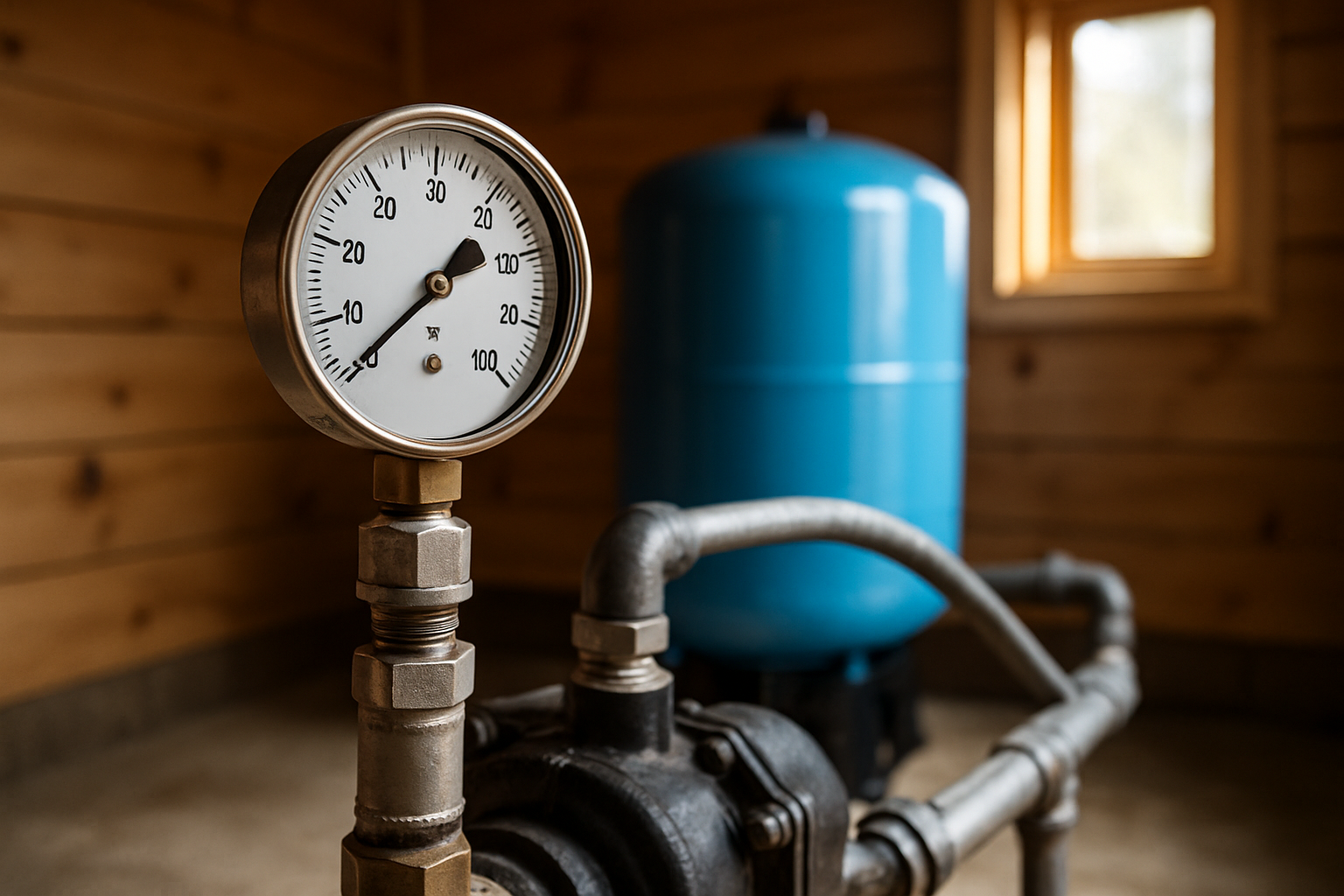
An avocado or mixed-tree grove needs sustained, dependable water through the dry season, and that starts with a well sized for agricultural demand. A high-capacity submersible pump, often 1 to 5 horsepower given the lift on a 400-foot-plus well, draws water to the surface. From there, a pressure tank and switch stabilize the system, and a storage tank is almost always part of a serious grove setup: it lets a moderate-yield well fill overnight so it can meet the heavy afternoon irrigation load without running dry. Drip lines and micro-sprinklers deliver that water efficiently to the trees, and pressure regulation keeps coverage uniform across sloping ground. Get any link in that chain wrong and a grove suffers fast in Aguanga's heat.
Common Local Scenarios We See in Aguanga
- Summer yield decline: Wells in mixed-alluvial and fractured-rock terrain often drop in output exactly when the grove needs water most, from May through October.
- Undersized storage: A perfectly good well can still run short in the afternoon if there is not enough storage to buffer peak demand.
- Mineral and iron content: Local groundwater can carry iron, manganese, and hardness that stain fixtures and clog drip emitters.
- Salinity and chloride: Avocados are sensitive to chloride; elevated levels call for blending, leaching, and the right rootstock.
- Aging pumps and pressure systems on long-established ranch wells.
Because Aguanga can see cold nights, some growers do consider frost-protection irrigation in marginal years, another reason a dependable, well-buffered water supply is worth investing in.
What to Check Before You Call
- Yield over a long irrigation run: Does the well keep up, or does flow taper as the day goes on?
- Storage level recovery: Is your tank refilling fully overnight?
- Pressure and cycling: Rapid on-off cycling usually means a waterlogged tank or bad switch.
- Water quality: Note iron staining, sulfur odor, sediment, or salty taste.
- Emitter performance: Plugged emitters and uneven tree vigor point to scale or sediment.
When to Call a Professional
Call us when yield drops during peak season, when you lose pressure or water entirely, when water quality shifts, or when you are planning a new grove and need a well evaluated first. Agricultural well work, including deep pumps, high-voltage controls, and hydrofracturing, requires a licensed C-57 contractor. We diagnose accurately and recommend the most cost-effective path, whether that is added storage, hydrofracturing, or a pump change.
Realistic Cost Ranges
For Aguanga grove and ranch work: pressure switch $150-$350; pressure tank $600-$1,500; sediment filtration $300-$900; iron, manganese, or softening systems $1,500-$3,500; constant-pressure or booster systems $2,000-$4,500; agricultural pump replacement $2,500-$5,500. Hydrofracturing to boost a low-yield well is $3,000-$8,000, and a new turnkey well runs $18,000-$42,000. Decommissioning an old well is $1,500-$5,000. The diagnostic visit is $125 and is credited toward the work.
Our Aguanga Service Area
From our Anza office at 57174 US Highway 79, we cover Aguanga, the Aguanga Valley, Anza, Sage, and the surrounding Riverside County backcountry, and from our Ramona office we reach into northern San Diego County. That two-office footprint means fast response and technicians who actually know this terrain.
Why Backcountry Expertise Matters in Aguanga
Aguanga's groundwater is as varied as its terrain. With hundreds of wells on record and depths recorded anywhere from shallow to well past a thousand feet, no two parcels behave the same way. The mix of alluvial fill and hard granite means a driller has to read the local formation rather than assume a single aquifer. A crew that knows this corner of Riverside County will anticipate where yield is likely to be strong, where storage will be essential, and which water-quality issues tend to appear. We have serviced these wells for decades from our Anza office just up Highway 79, so we arrive already understanding the ground beneath your grove.
That experience pays off most when a grower is establishing or expanding a planting. Before you commit trees to the ground, the well should be evaluated honestly for sustained yield through the dry season, not just a brief pump test. We help growers right-size the whole system, from pump horsepower to storage capacity, so the grove never outruns its water during the critical fruit-set and sizing window.
Managing Water Through Aguanga's Dry Summers
From May through October, Aguanga sees little rain, and that is precisely when avocado trees need the most water. A mature tree can draw 40 to 70 gallons a day in peak summer, and the cumulative demand across even a small grove is substantial. The growers who succeed here treat their water system as a buffer against that seasonal swing: a storage tank that refills overnight, a pump sized for the lift, and an efficient drip and micro-sprinkler layout that puts water at the root zone instead of losing it to evaporation. We also keep an eye on chloride and salinity, since avocados are quick to show leaf-tip burn when salts accumulate. Regular soil and leaf testing, leaching irrigation, and the right rootstock keep trees healthy. On colder nights, some growers run frost-protection irrigation, which makes a dependable, well-buffered supply even more valuable. Put together, this is how a fringe-climate grove stays productive year after year.
Full-Service Well Care from One Local Contractor
One advantage of working with a single licensed C-57 contractor is that we handle the entire well from the ground down, not just one piece of it. For Aguanga growers and ranchers that means drilling, pump installation and repair, pressure systems, storage, water treatment, hydrofracturing, and eventual decommissioning all come from the same team that knows your property. There is no finger-pointing between a driller, a pump installer, and a plumber when something goes wrong. We keep records of what we install, so the next service call is faster, and we stand behind the whole system. With more than 30 years in this region, a 4.9-star rating, and same-day emergency response from our nearby Anza office, we aim to be the well company you call once and keep calling. When water stops on a hot August afternoon and a grove is on the line, that local responsiveness is worth a great deal.
Frequently Asked Questions
Is Aguanga suitable for avocado groves?
Aguanga sits in Riverside County backcountry at about 1,955 feet with a hot-summer Mediterranean climate. It is on the fringe of where avocados can be grown, since the genuine avocado belt is to the west around Fallbrook and Bonsall, but small groves and ranch plantings do exist here. The main constraints are summer heat, occasional cold snaps, and the reliability of well water through a long dry season.
How deep are wells in Aguanga, and what yield can I expect?
Aguanga has a well-established history with hundreds of wells on record and depths ranging widely, from shallow to well over a thousand feet, reflecting varied terrain. Agricultural wells here average around 400-450 feet and need high-capacity pumps sized for real lift, commonly 1 to 5 horsepower depending on flow and total dynamic head.
How much water does an avocado grove in Aguanga need?
A mature avocado tree can use 40-70 gallons a day in summer, and a grove can require roughly 4-6 acre-feet per acre per year. In Aguanga's dry summers from May through October, that puts heavy, sustained demand on your well, which is why storage tanks and correctly sized pumps matter so much.
My grove's well yield is dropping during summer. What are my options?
Declining yield during peak demand is common in fractured-rock and mixed-alluvial terrain. Options include adding storage so the well can recover overnight, hydrofracturing to open up water-bearing fractures ($3,000-$8,000), lowering the pump, or deepening. We assess the well before recommending the most cost-effective fix.
What do grove well services cost in Aguanga?
A pressure switch is $150-$350, a pressure tank $600-$1,500, and an agricultural pump $2,500-$5,500. Constant-pressure or booster systems for uniform grove coverage run $2,000-$4,500. A diagnostic is $125, credited to the job. A new turnkey well ranges $18,000-$42,000.
Do you provide same-day service to Aguanga?
Yes. Our Anza office on US Highway 79 is just up the road, so we reach Aguanga quickly with same-day emergency service. We are a licensed C-57 contractor with 30-plus years of experience and a 4.9-star rating. Call (760) 440-8520 or text (619) 259-0410.