
Well Services for Alpine Avocado Groves
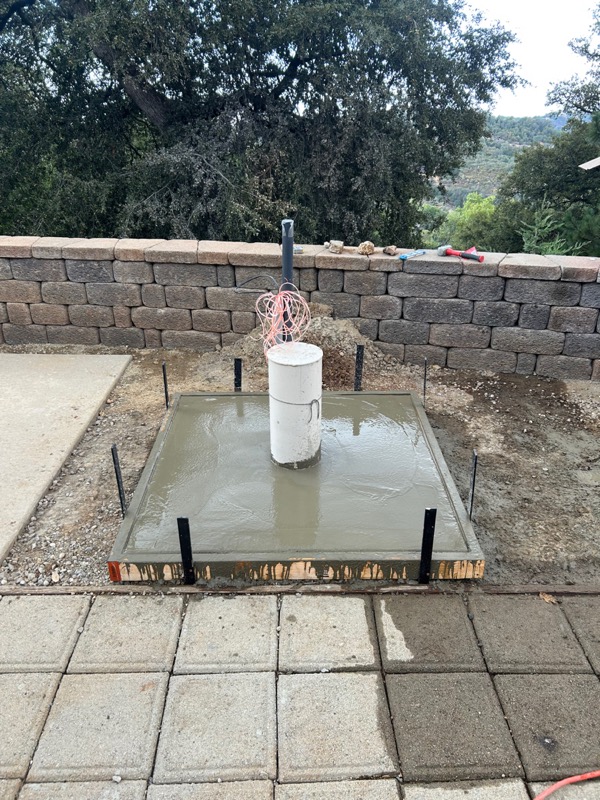
Growing avocados in Alpine? These water-loving trees need reliable, high-quality well water for healthy production. Southern California Well Service supports San Diego County avocado growers with specialized well services.
📋 In This Guide
- Avocado Water Demands
- Well Systems for Avocado Groves
- Chloride Sensitivity
- Partnering with Alpine Avocado Growers
- Related Articles
Avocado Water Demands
Avocados are thirsty trees:
- Mature tree: 40-70 gallons per day in summer
- Per acre: 4-6 acre-feet per year
- Critical periods: Fruit set and sizing
A reliable well is essential for profitable avocado production in San Diego County.
Well Systems for Avocado Groves
- High-capacity agricultural wells
- Storage tanks for peak demand periods
- Drip irrigation systems for efficiency
- Micro-sprinklers for young trees
- Pressure regulation for uniform coverage
Chloride Sensitivity
Avocados are highly sensitive to chloride in irrigation water. If your Alpine well has elevated chloride:
- Blending with lower-chloride water source
- Leaching irrigation to flush salts
- Rootstock selection for salt tolerance
- Regular soil and leaf testing
We test well water for avocado-critical parameters.
Partnering with Alpine Avocado Growers
Avocados are a major crop in San Diego County, and reliable water is essential for success. Contact us for well services designed for avocado production.
Need Help With Your Well in Alpine?
Our expert technicians serve Alpine and all of San Diego County with professional well services.
Related Articles
Continue learning about well maintenance and troubleshooting

Signs Your Well Pump Is Failing
Catch pump problems early before you lose water completely.
Low Water Pressure From Well
Diagnose and fix pressure problems before they get worse.

Well Maintenance Guide
Keep your well running smoothly with regular maintenance.
Our Locations
1077 Main St, Ramona, CA 92065
57174 US Highway 79, Anza, CA 92539
Avocado Grove Wells in Alpine
Alpine sits in the foothills of eastern San Diego County, climbing the slopes along Interstate 8 below Viejas Mountain and the edge of the Cleveland National Forest. At roughly 1,800 to 2,000 feet, it is higher and cooler than the inland valleys, a setting of oak woodland, chaparral, and rural ranch properties. Growers here raise avocados and citrus on carefully chosen slopes, and out beyond the water-district boundaries, those groves run on private wells drilled into the area's granitic bedrock.
Southern California Well Service has worked Alpine and the surrounding foothills for more than 30 years. We understand both the geology that controls Alpine well yields and the elevation-driven climate that shapes how avocados are grown here.
Fractured Granite and Foothill Wells
Alpine sits on the granitic rock of the Peninsular Ranges, decomposed granite near the surface giving way to harder crystalline bedrock threaded with fractures. As across most of inland San Diego County, groundwater collects and moves through those fractures rather than a uniform water table, so a well's yield depends on whether it crosses productive cracks. Alpine wells commonly run 200 to 500 feet deep, and output can vary dramatically between neighboring parcels. Higher-elevation sites can mean deeper drilling to reach reliable water, which is one reason local experience pays off when siting a new well.
For a grower, the practical takeaways are familiar but important: a house well rarely has the capacity to carry a grove, and the mineral content of granitic groundwater can affect a salt-sensitive crop like avocado.
Elevation, Frost, and Grove Siting
Alpine's elevation is the defining factor for avocado growing. Cooler nights and the occasional winter frost mean trees must be sited thoughtfully, on slopes with good cold-air drainage where chilled air flows downhill instead of pooling around the canopy. Many Alpine growers favor south- and west-facing slopes for the extra warmth. This careful siting succeeds only when paired with a water system that can irrigate uneven, sloping ground evenly, and that can deliver during frost-protection events when growers sometimes run water to shield trees on the coldest nights. A reliable, well-pressurized system is part of frost strategy, not just summer irrigation.
Meeting Peak Water Demand in Alpine
Even at elevation, Alpine summers are warm and dry, and a mature avocado can transpire 40 to 70 gallons a day, with a planted acre needing four to six acre-feet a year. Demand peaks during spring fruit set and the summer sizing window. We engineer Alpine grove systems around that peak day so the trees never go short when it matters.
Given the variable, often modest yields of foothill fractured-rock wells, storage is usually the key. A well that recovers overnight can fill a tank that a booster pump then draws from to deliver full irrigation flow by day. This shields the well from being over-pumped, smooths delivery to the trees, and creates a reserve for irrigation gaps, frost events, and emergencies. Pressure regulation across the slope keeps every tree watered uniformly.
Water Quality for Salt-Sensitive Avocados
Avocados handle chloride and salinity poorly, and granitic groundwater in the Alpine area can carry enough to cause leaf burn and reduced yield. We test grove wells for the parameters that matter to avocados and recommend a tailored response, leaching, blending, salt-tolerant rootstock for new plantings, or treatment, based on the well's real chemistry. Knowing your numbers before you plant or expand saves expensive mistakes.
Well Problems We See in Alpine
- Gradual yield loss as fractures clog with scale and sediment; rehabilitation often recovers much of the capacity.
- Pump failure from deep settings, hard water, and grove-scale run times.
- Short-cycling from a waterlogged pressure tank, which quickly burns out motors.
- Drought drawdown that drops static levels and can leave a high-set pump drawing air.
- Power instability in the foothills that damages unprotected pump equipment.
Straightforward Alpine Pricing
A diagnostic visit is $125, credited toward the work. A pressure switch runs $150 to $350, a pressure tank $600 to $1,500, and a replacement submersible pump generally $2,500 to $5,500 depending on depth and horsepower, deeper Alpine wells tend toward the higher end. Sediment filtration runs $300 to $900, and a constant-pressure or booster system $2,000 to $4,500. Hydrofracturing to revive a low-yield well runs $3,000 to $8,000, and a new turnkey well, when genuinely needed, ranges from $18,000 to $42,000.
Local Expertise, Same-Day When You Need It
As a licensed C-57 water well drilling contractor with offices in Ramona and Anza, we bring decades of foothill experience to Alpine and respond same-day when a grove or home loses water. Our 4.9-star reputation comes from honest assessments and durable work, if your well can be rehabilitated rather than replaced, we will tell you. Call (760) 440-8520 or text (619) 259-0410.
Planning Ahead and Building Drought Resilience
For Alpine growers, planning a well or a grove is a long-term decision, and the foothill setting makes it worth getting right the first time. We evaluate sustainable yield over a complete pumping cycle, map it against the grove's peak demand, and design storage and pumping to cover the gap, often recommending larger reserves here because higher-elevation wells can be slower to recover and drought cycles are a recurring reality. A deeper well, ample storage, efficient distribution, and water treatment matched to the aquifer all work together to keep a grove productive through dry years rather than just average ones. Thoughtful design at the outset is far cheaper than rescuing a struggling system after the trees are established.
Efficient Irrigation at Elevation
With water pumped from your own foothill well, efficiency is money saved and stress avoided. We outfit Alpine groves with drip and micro-sprinkler systems tuned to the trees' stage of growth, pressure regulation to water sloping ground evenly, and storage that supports cool-hour irrigation to reduce evaporation. That same storage doubles as a reserve for frost-protection events and emergencies. The payoff is uniform tree health, lower energy use, and a well that is not pushed beyond what the fractured rock can sustain.
Caring for an Established Alpine Grove
After the trees are planted, consistent well performance is what protects your investment. We provide scheduled maintenance to catch worn pressure tanks, early pump trouble, and rising sediment before they turn into an outage during peak demand or a frost night. Periodic water testing tracks any change in chloride and mineral content so irrigation and treatment can be adjusted before trees show stress. For a foothill grove riding on one well, this preventive care is far cheaper than an emergency, and it keeps the system ready when summer heat or a cold snap arrives.
Serving Alpine and the Surrounding Foothills
From quick pump repairs to full grove water-system design, we support Alpine and neighboring foothill communities with the full range of well services under one roof. Because we drill, repair, treat, and maintain, you are not juggling multiple contractors when something needs attention, one experienced local team handles the well from the rock to the rootzone.
Frequently Asked Questions
How deep are wells in Alpine?
Most Alpine wells reach fractured granitic rock between roughly 200 and 500 feet, and higher-elevation sites can require deeper drilling to find reliable water. Yield depends on intersecting water-bearing fractures and varies between neighboring parcels.
Does Alpine's elevation affect avocado growing?
Yes. At roughly 1,800 to 2,000 feet, Alpine has cooler nights and occasional frost, so growers plant on slopes with good cold-air drainage. A reliable, pressurized water system is part of frost strategy as well as summer irrigation.
How much water does an Alpine avocado grove need?
A mature tree can use 40 to 70 gallons on a hot summer day, and a planted acre needs four to six acre-feet per year, peaking during spring fruit set and summer sizing.
Should I add storage to my Alpine well?
Usually, yes. Foothill wells often have modest or variable yield, so letting the well fill a storage tank overnight and using a booster pump by day protects the well, evens out delivery, and provides a reserve for irrigation, frost events, and emergencies.
Is my well water safe for avocados?
Test first. Granitic groundwater in the Alpine area can carry chloride and salts that scorch avocado leaves and cut yields. We test for the parameters that matter and recommend leaching, blending, rootstock selection, or treatment.
Do you provide emergency well service in Alpine?
Yes. As a licensed C-57 contractor with offices in Ramona and Anza, we offer same-day emergency response to Alpine and the surrounding foothills. Call (760) 440-8520 or text (619) 259-0410.