

Well Service Realities for Arrowbear Lake at 6,000 Feet
Arrowbear Lake sits at roughly 6,086 feet in the San Bernardino Mountains, a forested cabin community along Highway 18 between Running Springs and Big Bear in San Bernardino County. If you arrived at this page expecting avocado-grove irrigation advice, here is the honest truth: avocados are a frost-sensitive subtropical crop, and they simply cannot survive the snowy, sub-freezing winters at this elevation. The real San Diego "avocado belt" lives far to the south and at much lower elevations in places like Fallbrook, Bonsall, Valley Center and Pauma Valley. What Arrowbear Lake property owners actually need is dependable, freeze-protected well water for mountain cabins, year-round residences and small recreational parcels carved out of granite. That is exactly the work Southern California Well Service has done across these mountains for more than 30 years.
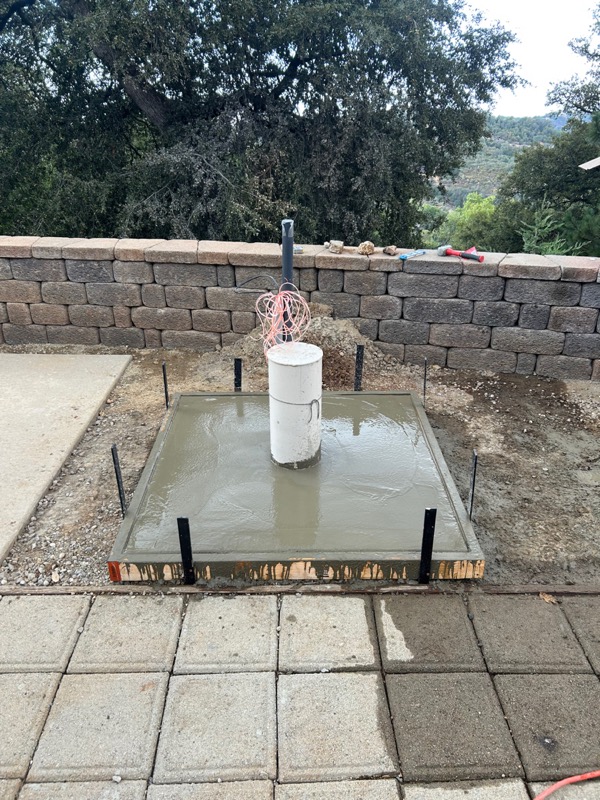
We are a licensed C-57 water well drilling contractor, not a general plumber, and that distinction matters when your well is bored into fractured crystalline rock at high elevation. Below we walk through how mountain wells behave here, the problems we see most often in Arrowbear Lake, what you can check yourself, and what realistic repairs and replacements cost.
How a Mountain Well System Works in Arrowbear Lake
Unlike the deep alluvial aquifers of the valleys, the San Bernardino Mountains store water in fractured granitic and crystalline bedrock. A well here does not tap a vast underground lake; it intercepts a network of cracks and seams that carry snowmelt and seasonal infiltration downward. That has several practical consequences for the way your system is built:
- Submersible pump: Most mountain cabins use a submersible pump set deep in the casing, pushing water uphill to the home. Because static water levels can be deep and variable, pump selection and setting depth are critical.
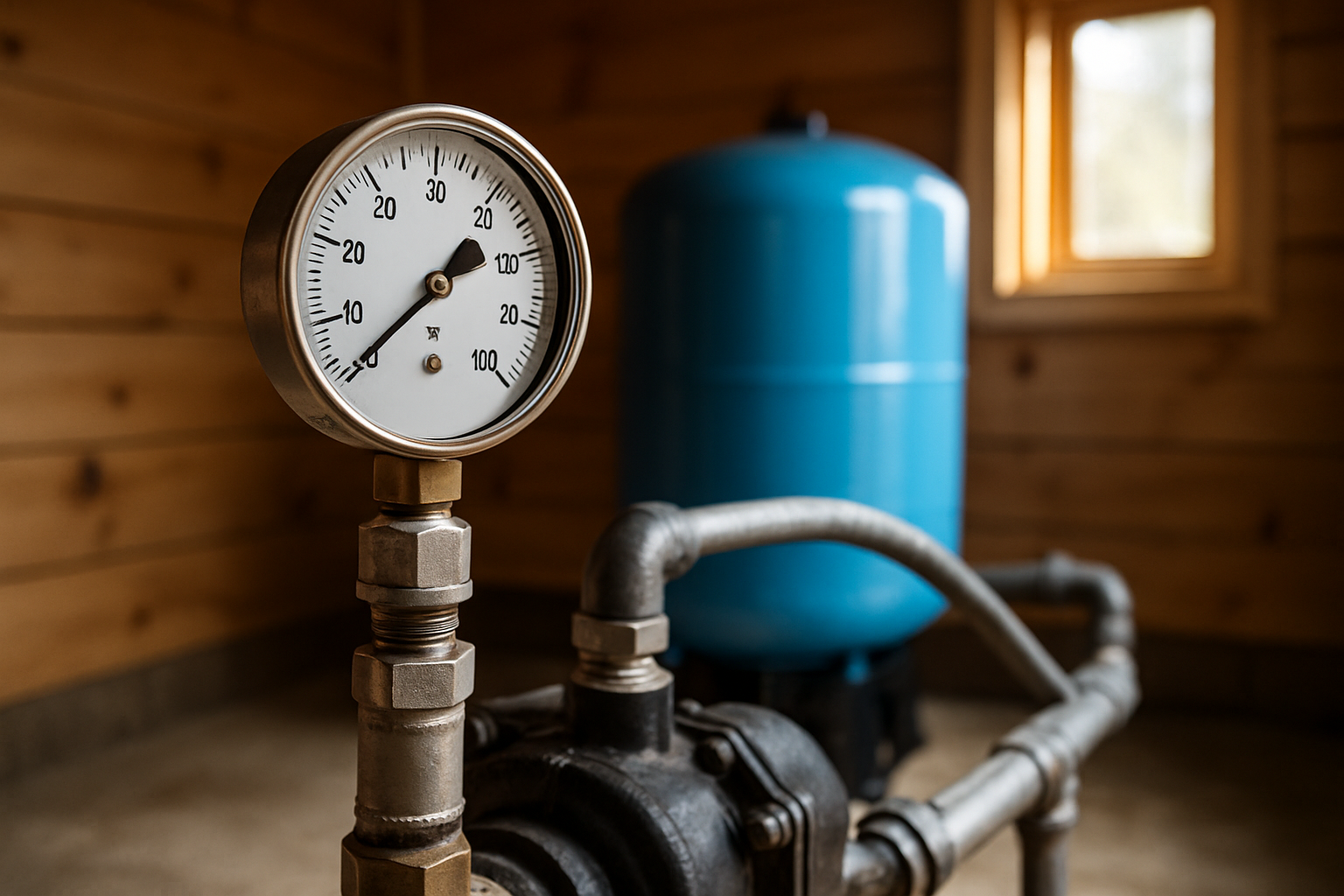
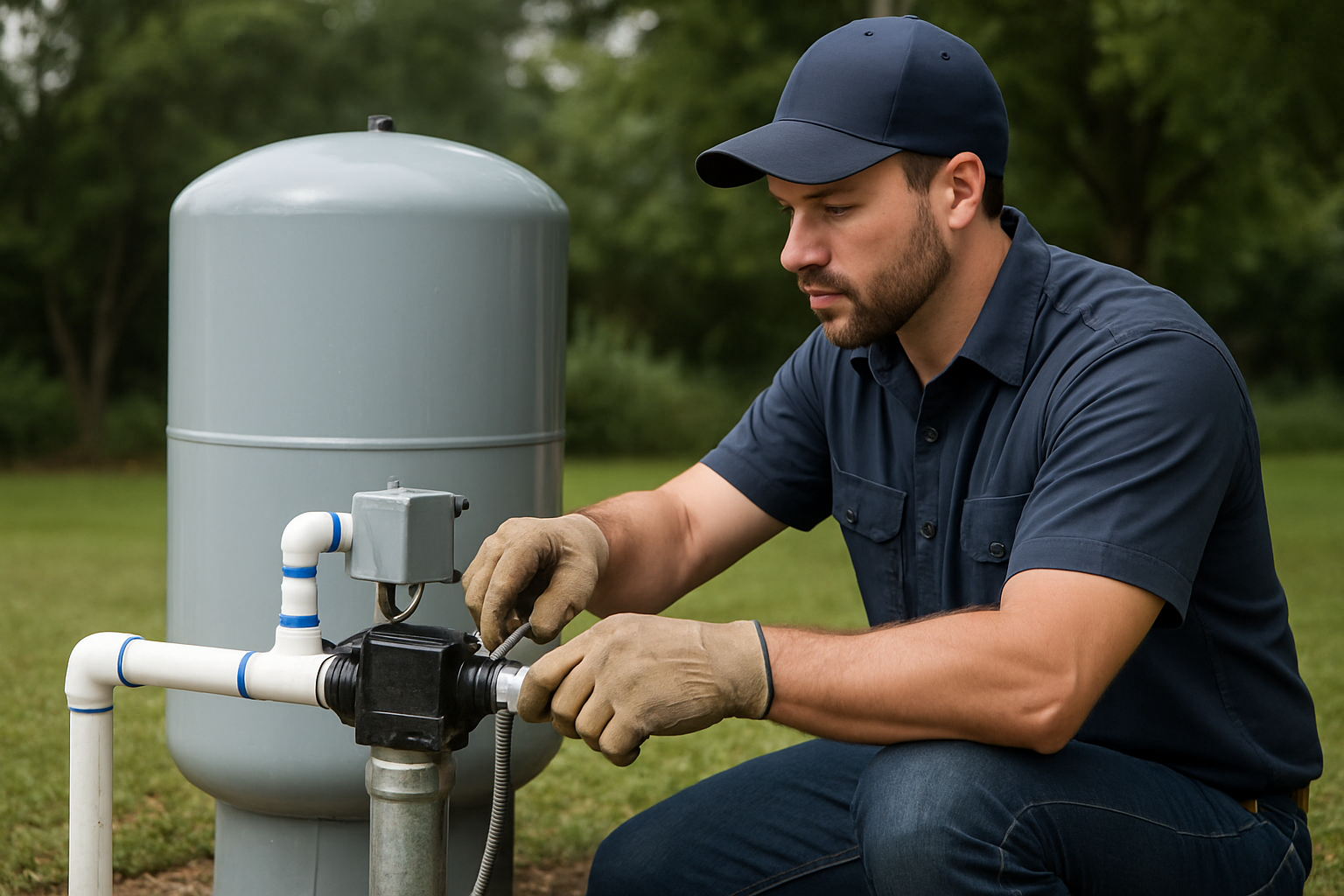
- Pressure tank and pressure switch: A bladder pressure tank stores water and smooths out demand so the pump is not cycling every time a faucet opens. The pressure switch tells the pump when to start and stop.
- Freeze protection: This is the defining feature of a mountain system. Wellheads, pressure tanks, pump houses and exposed lines must be insulated, heat-taped or buried below frost depth. A single hard freeze can split a pressure tank or crack a above-ground line while a cabin sits empty.
- Storage for low-yield wells: Many fractured-rock wells here produce only a modest flow. Pairing the well with a storage tank lets a slow well recover overnight and still deliver good pressure when the family arrives for the weekend.
The goal is not high-volume irrigation; it is steady, reliable household water that survives long stretches of cold weather and intermittent occupancy.
Common Well Scenarios We See in Arrowbear Lake
After decades serving the mountain communities, certain patterns repeat in Arrowbear Lake and neighboring Running Springs, Green Valley Lake and Big Bear:
- Frozen or burst components after a cold snap. A vacation cabin loses power, the heat tape stops, and the pressure tank or wellhead piping freezes and cracks. Owners often discover the damage only when they reopen the cabin.
- Declining yield in late summer and drought years. Fractured-rock wells depend on snowpack recharge. After a dry winter, the seams feeding the well carry less water and the well may draw down faster than it recovers.
- Sediment and turbidity. Decomposed granite produces fine grit that can clog screens, foul fixtures and shorten pump life. Sediment filtration is one of the most common upgrades we install here.
- Iron and manganese staining. Mineral-rich mountain water can leave rusty or black staining on fixtures and laundry, along with a metallic taste.
- Short-cycling pumps. A waterlogged pressure tank or failed switch makes the pump start and stop rapidly, which burns out motors fast at these elevations where service calls take longer to schedule.
- Pump failure from running dry. When a low-yield well draws down below the pump intake, the pump can overheat. A properly set pump and low-water cutoff prevent this.
What to Check Before You Call
A few simple checks can help you describe the problem accurately and sometimes resolve it without a service visit:
- Check the breaker. Mountain power is prone to flickers and outages. Confirm the well pump breaker has not tripped before assuming the worst.
- Look at the pressure gauge. A healthy system usually cycles between about 40 and 60 psi. A reading stuck at zero, or wild swings, points to a pump, switch or tank problem.
- Listen to the pump. Rapid clicking on and off (short-cycling) usually means a waterlogged tank or failing pressure switch.
- Inspect for freeze damage. After winter, look for cracked fittings, split tanks, or water pooling near the wellhead or pump house. Verify heat tape and insulation are intact and powered.
- Note any change in water quality. New cloudiness, grit, staining or odor tells us a lot about what is happening downhole.
- Check your storage tank level. If you have a storage tank and it is not refilling, the well or fill pump may be the culprit rather than the household pump.
When to Call a Professional
Call us right away if you have no water at all, if you see signs of a burst line or flooding, if the pump runs continuously without building pressure, or if the water suddenly turns muddy. These can signal a failed pump, a broken pressure tank, or a well that has dropped below its dependable yield. At high elevation, a small leak left over a freezing night can become a major repair by morning, so do not wait. We offer same-day emergency service and carry a 4.9-star reputation built on showing up when mountain customers actually need us.
Realistic Cost Ranges for Mountain Well Work
Every well is different, but these ranges reflect typical work in the San Bernardino Mountains. We start with a $125 diagnostic that is credited toward the repair if you move forward:
- Pressure switch replacement: $150–$350
- Pressure tank replacement: $600–$1,500
- Submersible pump replacement: $2,500–$5,500 (deeper settings and difficult access push toward the high end)
- Sediment filtration: $300–$900 — common given decomposed-granite grit
- Iron/manganese filtration or softening: $1,500–$3,500
- Constant-pressure or booster system: $2,000–$4,500 — helpful for uphill cabins
- Hydrofracturing to improve a low-yield well: $3,000–$8,000
- New well, turnkey: $18,000–$42,000, depending on depth and rock conditions
- Well abandonment/decommissioning: $1,500–$5,000
For a slow but otherwise sound well, hydrofracturing or adding storage is often far cheaper than drilling new, and we will tell you honestly which path makes sense.
Serving Arrowbear Lake and the Surrounding Mountains
Southern California Well Service supports Arrowbear Lake and the nearby communities of Running Springs, Green Valley Lake, Smiley Park, Big Bear and Lake Arrowhead, along with the rest of San Bernardino County. We work from two offices — our Ramona office at 1077 Main St, Ramona, CA 92065, and our Anza office at 57174 US Highway 79, Anza, CA 92539 — which lets us cover the mountain corridor and respond quickly. Because we live and work in this region, our technicians already understand fractured-rock wells, freeze protection and the access challenges that come with steep, forested lots.
Frequently Asked Questions
Can I really not grow avocados in Arrowbear Lake?
Not commercially. Avocados are damaged by frost and cannot tolerate the snow and freezing winters at 6,000 feet. The genuine avocado-growing country in San Diego County is at lower, frost-protected elevations. We would rather give you honest mountain-well advice than sell you irrigation for a crop that will not survive here.
Why does my mountain well slow down in late summer?
Fractured-rock wells depend on snowmelt and seasonal recharge. By late summer, especially after a dry winter, the cracks feeding your well carry less water. Storage tanks and proper pump settings help bridge those low periods.
How do I keep my well from freezing when the cabin is empty?
Insulate and heat-tape the wellhead, pressure tank and any exposed lines, keep them on a reliable power circuit, and consider draining vulnerable sections before extended absences. We can inspect and upgrade freeze protection during a maintenance visit.
My water has rusty stains and a metallic taste. What causes that?
That is usually iron and sometimes manganese dissolved in the groundwater. A targeted filtration or treatment system removes the staining and the taste; we test first so we treat the actual problem.
Is it worth fixing a low-yield well or should I drill a new one?
Often it is worth saving. Hydrofracturing can open additional fractures and improve flow, and adding storage smooths out demand — both usually cost far less than a new well. We assess your specific well before recommending replacement.
Do you offer emergency service in the mountains?
Yes. We provide same-day emergency response for no-water and burst-line situations in Arrowbear Lake and the surrounding communities.
Talk to a Local Mountain Well Expert
If your Arrowbear Lake well is losing pressure, running dry, staining fixtures, or recovering from a freeze, let an experienced local team take a look. Call (760) 440-8520 or text us at (619) 259-0410 for a fast, honest assessment. With 30+ years of experience, a C-57 license, two local offices and a 4.9-star track record, Southern California Well Service is ready to keep the water flowing at your mountain property.