
Well and Water Services in Barrio Logan: An Honest Local Picture
Barrio Logan is one of San Diego’s most distinctive neighborhoods — an urban, working-class, historically Chicano community wedged between downtown and the waterfront of San Diego Bay. It is home to Chicano Park and its famous murals beneath the Coronado Bridge, the NASSCO shipyard, a strong naval presence, and a tight mix of homes, storefronts, and industry. What it is not is avocado country. If you arrived here looking for a guide to running an avocado grove on a private well in Barrio Logan, the most useful thing we can tell you up front is this: almost no one in Barrio Logan has, needs, or should expect a private agricultural well. Nearly every property in the neighborhood is connected to municipal water supplied by the City of San Diego Public Utilities Department.
We believe in being straight with people. Southern California Well Service has worked across San Diego County for more than 30 years, and we would rather give you an honest picture than sell you a fantasy. Below we explain why city water dominates here, what the regional groundwater situation actually looks like, the rare cases where a well still makes sense, and where to look if you genuinely want to grow avocados. We also cover the legitimate well work we do perform for the handful of Barrio Logan property owners who still have a well on their land — and for the many clients we serve in the real avocado belt farther inland.
Why Barrio Logan Runs on City Water
Dense urban neighborhoods developed around a centralized water system for good reasons. When lots are small and packed together, when streets carry water mains, sewers, and storm drains, and when land use shifts between residential, commercial, and industrial within a single block, a municipal connection is simpler, safer, and cheaper than every parcel drilling its own well. Barrio Logan fits that description exactly. The City of San Diego treats and delivers water to the neighborhood, monitors it for regulatory compliance, and maintains the pressure and volume that homes and businesses depend on.
Private wells, by contrast, make economic sense mostly where parcels are large, rural, and far from a water main — the inland and north county areas where hauling in a municipal connection would cost a fortune. Barrio Logan is the opposite of that. So if you own property here, the overwhelming likelihood is that you are already on city water and do not have a well to maintain. That is normal, and it is the right setup for this kind of neighborhood.
San Diego’s Coastal Groundwater: Why Drilling Here Is Rarely Worth It
Even setting aside the convenience of city water, the groundwater beneath a bayfront, industrial neighborhood like Barrio Logan is generally poorly suited to serving as a clean private supply. There are a few reasons worth understanding:
- Brackish, saline water near the bay. Groundwater along the coast and close to San Diego Bay tends to be influenced by seawater. As you draw water from a shallow coastal aquifer, salty water can move in, leaving you with brackish water that is high in chlorides and dissolved salts — difficult and expensive to treat for everyday use, and especially hard on plants.
- Shallow, bay-influenced water tables. Near the waterfront the water table sits close to the surface and rises and falls with bay conditions. Shallow water is also more exposed to whatever is happening at ground level.
- Industrial-area contamination concerns. Barrio Logan has a long history of mixed industrial and commercial use. Soils and shallow groundwater in such areas can carry contaminants from past activity, which is exactly why thorough water testing matters so much before anyone relies on a well here.
The combination of salinity, shallow depth, and contamination risk means that drilling a brand-new private drinking or irrigation well in Barrio Logan is rarely practical. This is not us talking ourselves out of work — it is the honest engineering reality of the location.
How a Private Well and Irrigation System Works (for the Rare Owner Who Has One)
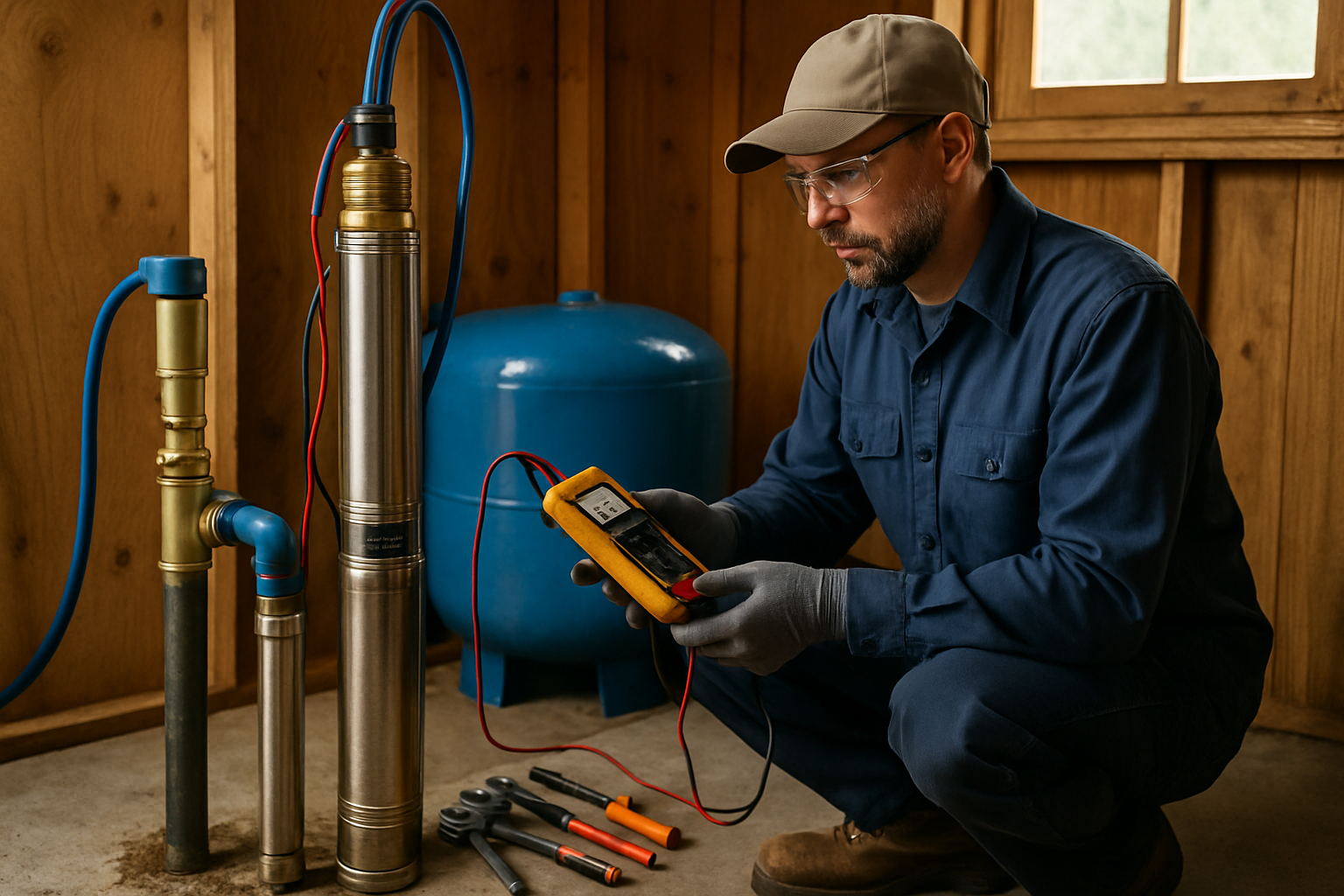
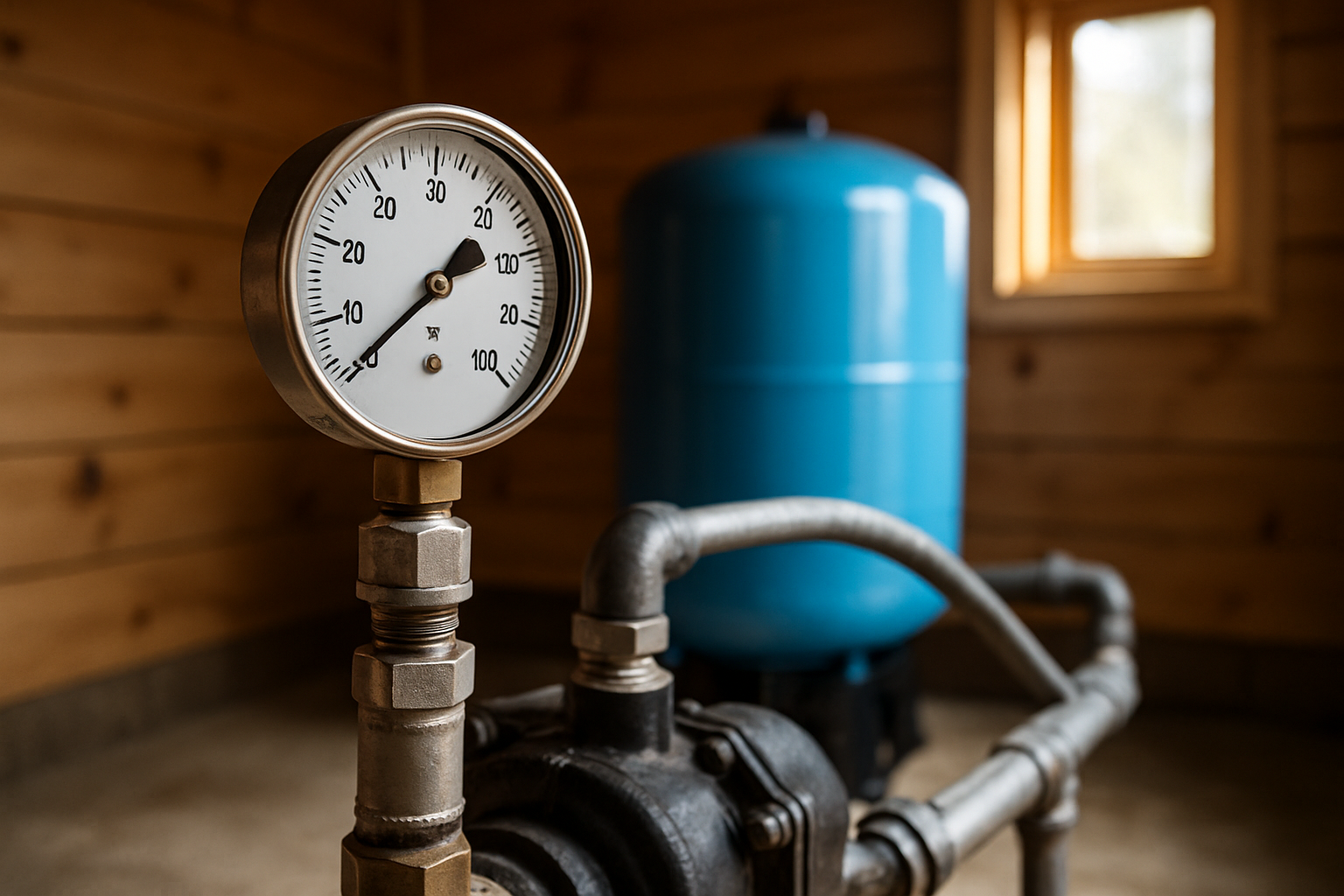
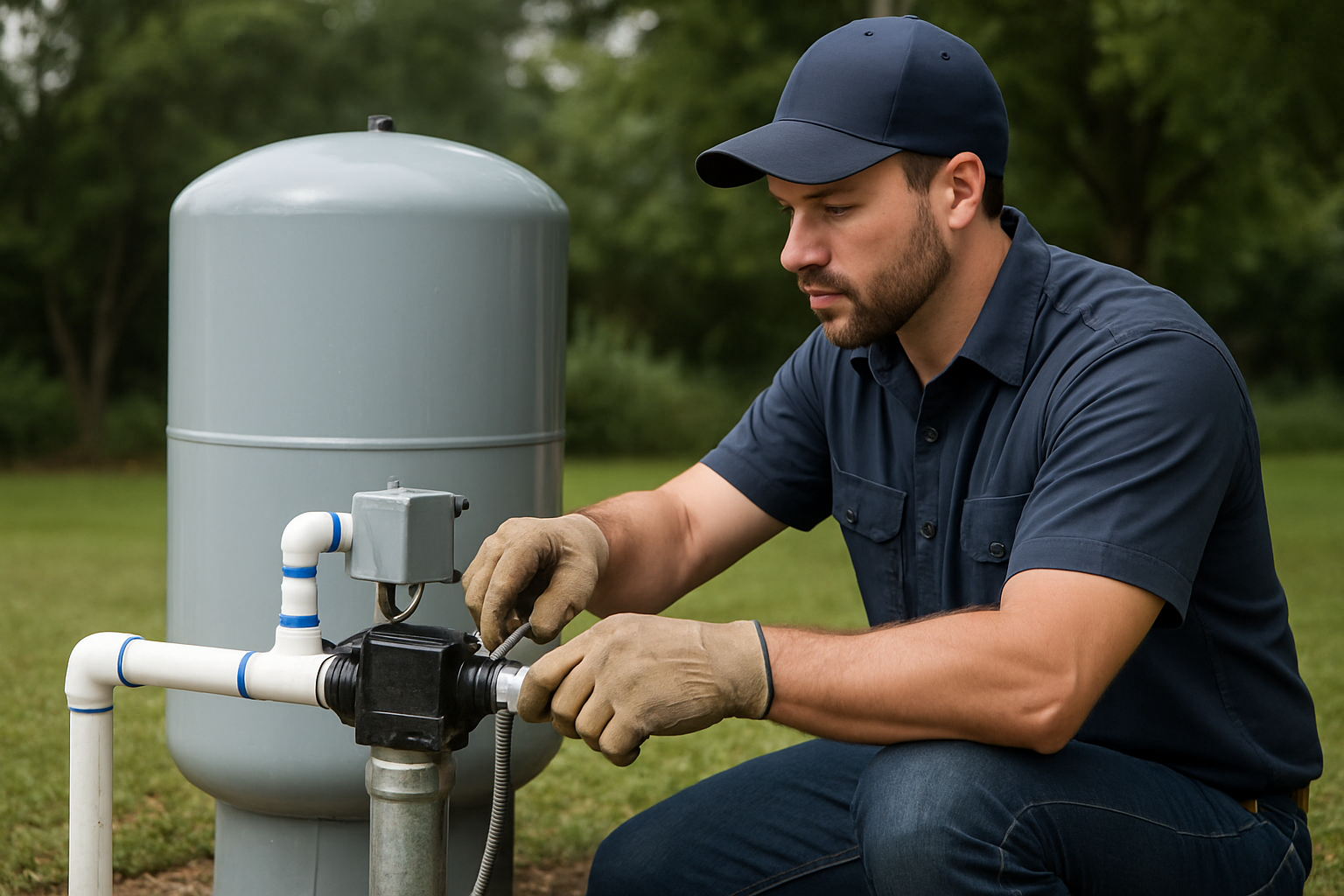
For the small number of properties anywhere in San Diego County that do run on a well, the basic system is the same whether you are in the backcountry or, in unusual cases, in town. A submersible or jet pump lifts water from the well casing. Water flows into a pressure tank, which stores a buffer and keeps household pressure steady so the pump is not switching on every time you open a tap. A pressure switch tells the pump when to start and stop based on tank pressure. From there, water passes through any filtration or treatment equipment — sediment filters, iron or manganese removal, softeners, or salinity treatment — before reaching the house or an irrigation manifold.
For landscape or irrigation use, the well typically feeds a network of valves and either drip lines or sprinklers. In a place like Barrio Logan, the realistic use case for a well is decorative or landscape watering on a larger parcel, not a commercial grove. City water remains the standard for drinking and most domestic use precisely because it is reliable, tested, and already at the property line.
Common Scenarios Where a Well Still Comes Up in an Urban Setting
Even in a city neighborhood, well-related questions do reach us. Here are the situations we actually encounter:
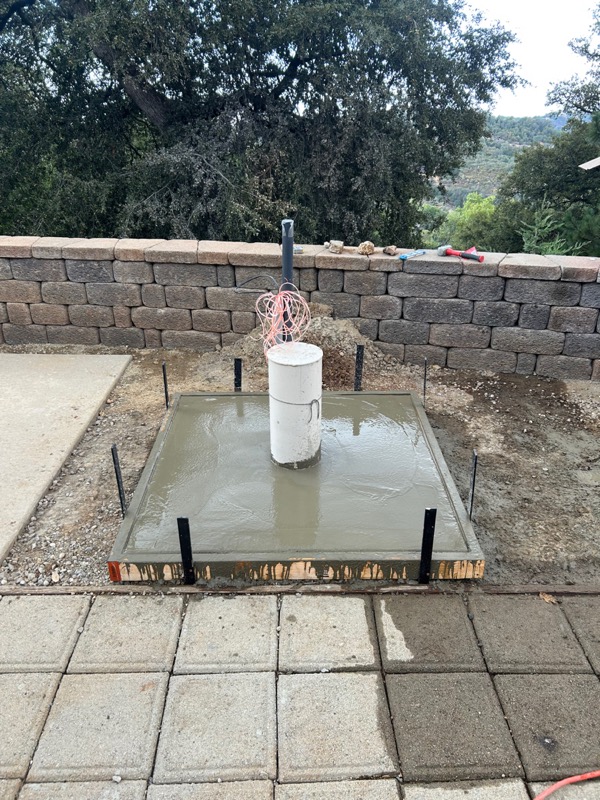
- Legacy and abandoned wells. Some older parcels still have a decades-old well that was drilled before the area was on city water. These wells are often unused, deteriorating, and a genuine liability — an open or improperly sealed well can be a safety hazard and a contamination pathway into groundwater.
- Decorative or landscape supply. A property owner with a larger lot may want a well purely for irrigating landscaping rather than paying metered city rates for outdoor water.
- Brackish or salty water complaints. Where a coastal well does exist, salinity is the number-one issue — corrosion, scale, poor taste, and plant stress.
- Iron, manganese, and sediment. Staining, discoloration, and gritty water are common on older or under-maintained wells anywhere in the county.
- Owners with land elsewhere. Plenty of Barrio Logan residents and business owners also own rural property inland — and that is where their actual well needs live.
What to Check If You Think You Have a Well
If you are unsure whether a property in Barrio Logan even has a well, a few practical steps help:
- Look for a well head, casing stub, or old pump house — often tucked into a corner of the lot or near an outbuilding.
- Check your water bill. If you are paying the City of San Diego for metered water, that is your supply.
- Review property records and county well-completion reports, which can reveal a historic well that should be properly documented.
- If you find an unused well, do not simply ignore it. An abandoned well needs proper decommissioning to county standards to protect groundwater and remove the liability.
- If a well is in use, get the water tested — for salinity and chlorides given the coastal setting, plus bacteria, nitrates, iron, and metals given the urban and industrial history.
When to Call a Professional
Call a licensed contractor when you discover an old or abandoned well, when an existing well shows pressure loss, sputtering, discolored or salty water, or when you simply want a clear assessment of what you have. Well work involves electrical components, confined spaces, and regulatory requirements that are not suited to do-it-yourself attempts. As a licensed C-57 water well drilling contractor, Southern California Well Service can legally and safely handle drilling, pump work, treatment, and — importantly in an urban setting like this — proper well abandonment.
Realistic Cost Ranges
Because Barrio Logan is a city-water neighborhood, the costs most relevant here are testing, treatment, and decommissioning rather than new drilling. General ranges across our San Diego County service work:
- Diagnostic visit: $125, credited toward any work we perform.
- Well abandonment / decommissioning: $1,500–$5,000 — often the most relevant service for an urban legacy well.
- Sediment filtration: $300–$900.
- Iron / manganese removal or water softener: $1,500–$3,500 — salinity and mineral treatment matter most for any coastal well.
- Pressure switch: $150–$350.
- Pressure tank: $600–$1,500.
- Pump replacement: $2,500–$5,500.
- Constant-pressure / booster system: $2,000–$4,500.
- Hydrofracturing to improve yield: $3,000–$8,000.
- New well, turnkey: $18,000–$42,000 — rarely advisable in Barrio Logan, far more common on inland acreage.
Every property is different, so we always provide a specific quote after an assessment.
If You Really Want to Grow Avocados, Look Inland
Avocados are a serious crop in San Diego County — just not in Barrio Logan. The genuine avocado belt sits inland and across north county, in communities like Fallbrook, Bonsall, De Luz, Valley Center, Pauma Valley, Rainbow, Escondido, and Vista. Those areas have the larger parcels, the better groundwater, and the agricultural setting that avocado groves need. If your goal is a productive grove, that is where to buy land and where a high-capacity agricultural well, storage, and drip irrigation actually make sense. We serve those communities every day and would be glad to help you plan a real grove water system there.
Our San Diego County Service Area
Southern California Well Service is a licensed C-57 contractor with more than 30 years of experience and a 4.9-star reputation. We operate from our Ramona office at 1077 Main St, Ramona, CA 92065, and our Anza office at 57174 US Highway 79, Anza, CA 92539, and we serve Barrio Logan along with the rest of San Diego County — including the inland avocado communities of Fallbrook, Bonsall, Valley Center, Pauma Valley, and beyond. Whether you need an old urban well safely decommissioned, water tested, or a full agricultural system designed for inland acreage, we offer same-day emergency service when you have no water.
Frequently Asked Questions
Does anyone in Barrio Logan actually use a private well?
Very few people do. Barrio Logan is a dense urban and industrial neighborhood almost entirely served by City of San Diego municipal water. Private agricultural wells — and avocado-irrigation wells in particular — are essentially nonexistent here. The occasional well is usually an old legacy well or a landscape-only supply on a larger lot.
Can I grow avocados on a well in Barrio Logan?
Realistically, no. The neighborhood is urban, the lots are small, and coastal groundwater here tends to be brackish and shallow. If you are serious about avocados, look to the inland belt — Fallbrook, Bonsall, Valley Center, Pauma Valley, and similar communities — where the land and water suit a grove.
Why is groundwater near San Diego Bay a problem?
Coastal and bayfront aquifers are influenced by seawater, so the water is often brackish and high in chlorides and salts. The water table is also shallow and can be affected by past industrial activity in the area. That combination makes a clean private supply hard to achieve, which is why testing is essential and why city water is the standard.
I found an old well on my property — what should I do?
Do not leave it open or ignore it. An unused well can be a safety hazard and a contamination pathway. The right step is professional decommissioning to county standards, which typically runs about $1,500–$5,000 depending on depth and condition. We can assess and properly seal it.
What does it cost to test or treat well water?
A diagnostic visit is $125 and is credited toward any work we do. Sediment filtration generally runs $300–$900, and iron, manganese, or salinity treatment and softening runs about $1,500–$3,500. We recommend testing for salinity, bacteria, nitrates, and metals before relying on any coastal well.
Do you serve Barrio Logan even though it is mostly on city water?
Yes. We serve all of San Diego County. In Barrio Logan that most often means decommissioning a legacy well, testing water, or advising owners who also hold inland property where they want a real well. Call us at (760) 440-8520 or text (619) 259-0410.
Talk to a Local Well Professional
Whether you have an aging well to retire, water you want tested, or grove ambitions that belong on inland land, Southern California Well Service gives honest, experienced guidance across San Diego County. Call (760) 440-8520 or text us at (619) 259-0410 for a straightforward assessment and a clear quote.