
Well Services for Borrego Springs Avocado Groves
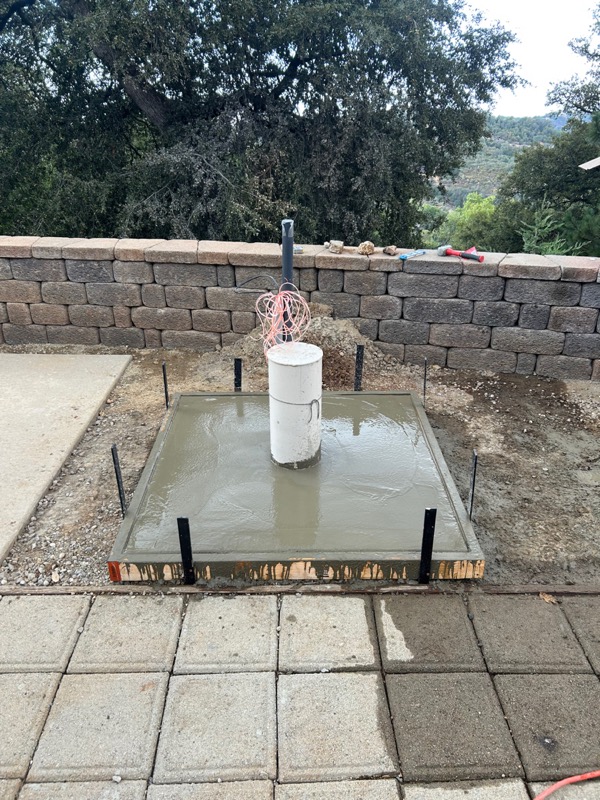
Borrego Springs is a small desert community in the northeastern corner of San Diego County, ringed by the Anza-Borrego Desert State Park. This is true low desert, not avocado country, and it would be misleading to pretend otherwise. Summers are blistering, water is scarce and entirely groundwater-dependent, and the local basin has been in serious long-term decline. What Borrego does grow, on its limited and shrinking irrigated acreage, is citrus, dates, and other heat- and salt-tolerant crops, all on deep desert wells. If you own or operate a well here, Southern California Well Service brings more than 30 years of experience with deep desert wells, declining water levels, and the salinity that comes with them.
📋 In This Guide
- Deep Desert, Declining Basin
- How a Desert Well System Works
- Common Local Scenarios
- What to Check First
- When to Call a Professional
- Realistic Cost Ranges
- Our Borrego Springs Service Area
- Frequently Asked Questions
Avocado Water Demands
Avocados are thirsty trees:
- Mature tree: 40-70 gallons per day in summer
- Per acre: 4-6 acre-feet per year
- Critical periods: Fruit set and sizing
A reliable well is essential where avocados are grown across Southern California.
Well Systems for Avocado Groves
- High-capacity agricultural wells
- Storage tanks for peak demand periods
- Drip irrigation systems for efficiency
- Micro-sprinklers for young trees
- Pressure regulation for uniform coverage
Chloride Sensitivity
Avocados are highly sensitive to chloride in irrigation water. If your Borrego Springs well has elevated chloride:
- Blending with lower-chloride water source
- Leaching irrigation to flush salts
- Rootstock selection for salt tolerance
- Regular soil and leaf testing
We test well water for avocado-critical parameters.
Partnering with Borrego Springs Well Owners
Reliable water is essential for success in San Diego County. Contact us for well services designed for your property.
Need Help With Your Well in Borrego Springs?
Our expert technicians serve Borrego Springs and all of San Diego County with professional well services.
Related Articles
Continue learning about well maintenance and troubleshooting

Signs Your Well Pump Is Failing
Catch pump problems early before you lose water completely.
Low Water Pressure From Well
Diagnose and fix pressure problems before they get worse.
Well Maintenance Guide
Keep your well running smoothly with regular maintenance.
Our Locations
1077 Main St, Ramona, CA 92065
57174 US Highway 79, Anza, CA 92539
Borrego Springs Is Deep Desert With a Declining Basin, Not an Avocado Belt
Let us be honest about Borrego Springs: avocados are not a viable crop here, and the water situation makes that doubly true. Borrego sits on the floor of a low-desert valley in northeastern San Diego County, surrounded by the Anza-Borrego Desert State Park, where summer temperatures soar and rainfall is minimal. The community has no imported water and no river; every drop comes from the underlying groundwater basin. That basin has been pumped far faster than it recharges for decades, and it is now under a state-mandated effort to bring extractions back into balance. Against that backdrop, the water-hungry, frost-free-but-mild requirements of avocados simply do not fit. Borrego's agriculture is citrus, dates, and other desert-adapted crops, and even that acreage is shrinking as the community manages its water future.
Hydrologically, the Borrego Valley is filled with alluvial sediments washed down from the surrounding mountains. Wells here are often deep, chasing a water table that has dropped substantially over the years, and deeper zones can bring higher salinity and different water chemistry. The two defining realities for any Borrego well owner are a declining water level and the risk of rising salinity, and both demand a contractor who understands desert basins rather than coastal or valley conditions. Designing and maintaining a well here is as much about adapting to a moving water table as it is about the pump itself.
How a Desert Well System Works
A Borrego well system uses a submersible or turbine pump set deep in the casing to lift water to the surface, feeding either a pressure tank for domestic use or storage tanks and distribution for irrigated acreage. Because the water table is deep and declining, pump setting depth is a critical and sometimes recurring decision: as the level drops, a pump that was once well below water can end up too shallow, drawing air and sand. Storage tanks help buffer demand and let a well that recovers slowly keep pace with irrigation or household needs.
Water quality drives much of the design. Deep desert groundwater commonly carries elevated total dissolved solids and hardness, and in some areas naturally occurring constituents require treatment to make water safe and palatable. Sediment filtration protects the system from grit, while softening or specialized treatment addresses hardness and salinity based on a current water test. For irrigated citrus and dates, a leaching fraction is built into the irrigation schedule so salts are pushed below the root zone rather than allowed to accumulate. Everything is designed for the heat, which is unforgiving on equipment that is not properly rated.
Common Local Scenarios We See in Borrego Springs
- Declining water level. The basin's long-term drop means pumps periodically need to be reset deeper or wells deepened.
- Rising salinity. Deeper or stressed zones can bring higher dissolved solids, stressing crops and corroding plumbing.
- Pump pulling air or sand. When the level falls below the pump, you get air, grit, and accelerated wear.
- Heat-stressed equipment. Extreme summer temperatures shorten the life of motors and controls.
- Scale and hardness. Mineral-rich desert water clogs emitters and damages water heaters and fixtures.
What to Check Before You Call
- Watch for air or sand. Spitting faucets or grit in the water strongly suggest a dropping water level relative to the pump.
- Test salinity and hardness. A salty taste or new scale points to water-quality change worth measuring.
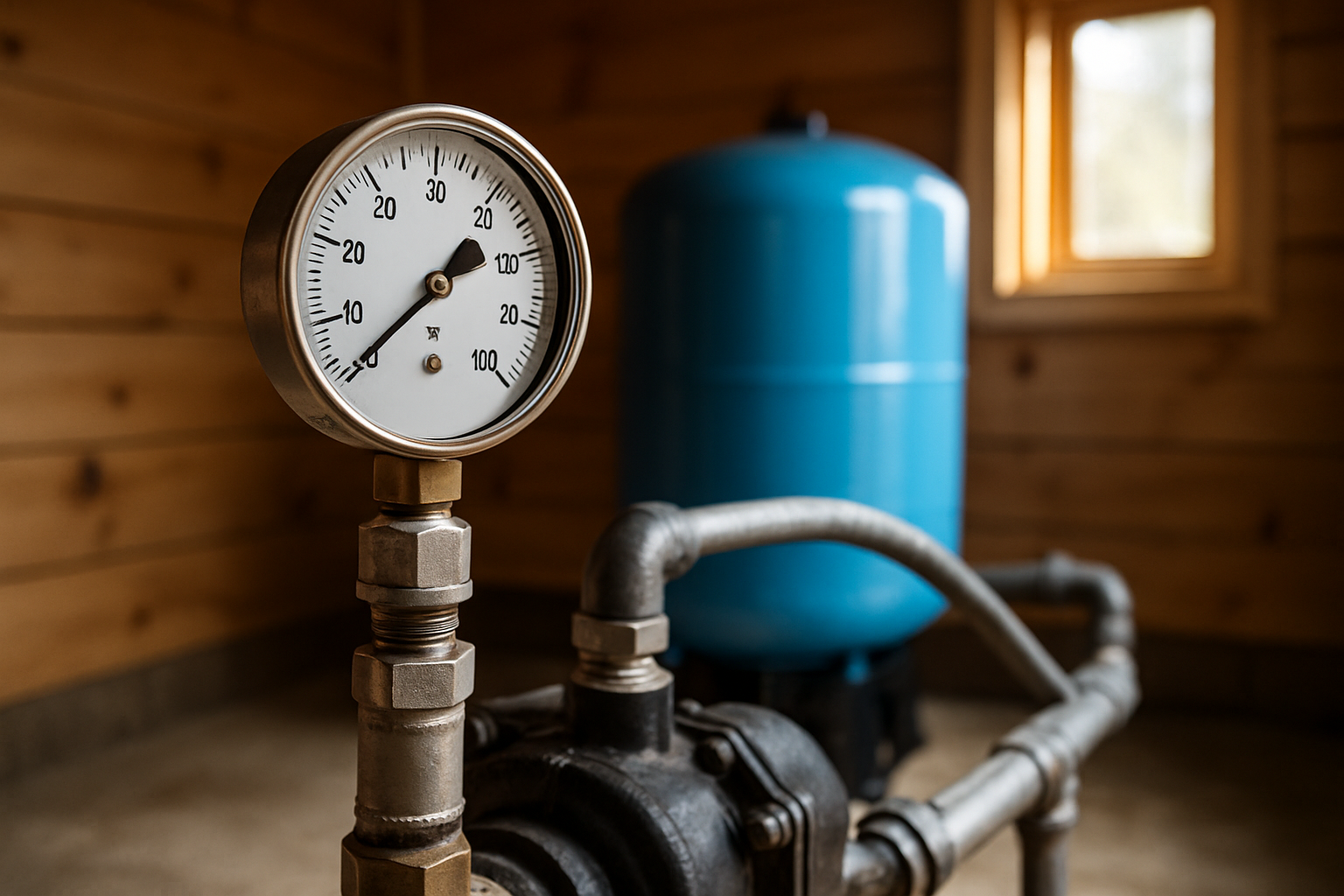
- Read the pressure gauge. An erratic on/off band usually means a pressure-tank charge problem.
- Note seasonal performance. A well that falls behind only in peak summer may be near the limit of its current capacity.
- Check electrical and controls. Desert heat is hard on contactors and starters.
Living With a Declining Desert Basin
The single most important thing a Borrego well owner can do is track the static water level over time. Because the basin is in long-term decline and under active management, your well's water level is a moving target, and knowing the trend lets us plan ahead rather than react to a sudden loss of water. Sometimes the right answer is lowering the pump; sometimes it is deepening the well or, where it makes sense, drilling a new one into a more reliable zone. We give honest, basin-aware advice, because spending money on the wrong fix in a declining aquifer helps no one. We also help owners think about efficiency, since every gallon saved through better irrigation design and leak-free systems is a gallon that does not have to be pumped from a stressed basin.
Salinity management goes hand in hand with water-level concerns. As levels drop and deeper water is tapped, dissolved solids often rise, and that affects both crops and household plumbing. Regular water testing tells us when treatment or a change in irrigation strategy is warranted, and proper leaching keeps salt-affected soils from ruining productive ground. This is exactly the kind of desert-specific knowledge an out-of-area contractor rarely brings.
Why Borrego Needs a Desert-Savvy Contractor
General well companies that work coastal or valley properties often misjudge Borrego entirely. They underestimate how deep the water sits, how aggressively the basin has declined, and how quickly heat and salinity wear out equipment that was specified for milder conditions. The result is undersized pumps, settings that are too shallow within a year, and treatment that does not match the actual water chemistry. Because we have worked the desert for three decades, we plan for a moving water table from the start, specify equipment rated for extreme heat, and base every recommendation on a real water test rather than assumptions. That is the difference between a system that serves you reliably for years and one that becomes a recurring headache in the worst of summer, when a failure is most costly and hardest to fix quickly.
When to Call a Professional
Deep desert wells, pump-setting decisions in a declining basin, salinity treatment, and well deepening or replacement all require a licensed contractor with desert experience. We hold a C-57 water well drilling license and have three decades of experience with exactly these conditions. If your water is sputtering, turning salty, or running short in the heat, or if you suspect the water table has dropped below your pump, call us. We offer same-day emergency service, and the $125 diagnostic is credited toward the repair.
Realistic Cost Ranges
- Pressure switch replacement: $150-$350
- Pressure tank replacement: $600-$1,500
- Submersible pump replacement: $2,500-$5,500 (deep desert sets trend higher)
- Sediment filtration: $300-$900
- Salinity / softening treatment: $1,500-$3,500
- Constant-pressure / booster system: $2,000-$4,500
- Well hydrofracturing: $3,000-$8,000
- New turnkey well: $18,000-$42,000
- Well abandonment / decommissioning: $1,500-$5,000
- Diagnostic visit: $125 (credited to the job)
Our Borrego Springs Service Area
We serve Borrego Springs and the surrounding northeastern San Diego County desert, including the rural acreage around the Borrego Valley and the gateway communities along the way from our Ramona office. With offices in Ramona and Anza, Southern California Well Service covers San Diego, Riverside, and San Bernardino counties. Our 4.9-star rating reflects honest, capable work, including the demanding deep desert wells that Borrego depends on.
Frequently Asked Questions
Can avocados be grown in Borrego Springs?
Realistically, no. Borrego is a low-desert community with extreme summer heat, scarce groundwater, and a basin in long-term decline. Avocados need far more water than the area can sustainably provide. Borrego's agriculture is citrus, dates, and other desert-adapted crops.
Why is my Borrego well water level dropping?
The Borrego Valley groundwater basin has been pumped faster than it recharges for decades and is now under active management to restore balance. As the regional water table falls, individual wells see lower levels, which is why tracking yours over time matters.
My faucets sputter and I see sand. What does that mean?
Air and grit usually mean the water level has dropped near or below your pump intake. The fix may be lowering the pump, deepening the well, or in some cases drilling a new one. We diagnose which is appropriate for your situation.
Why is my desert well water salty?
Deep desert groundwater often carries elevated total dissolved solids, and as deeper zones are tapped salinity can rise. A water test shows the level, and treatment or a revised irrigation strategy addresses it.
How deep are wells in Borrego Springs?
Wells here are often deep because the water table sits well below the surface and has been declining. Exact depth depends on your parcel and which zone provides reliable water, so a site evaluation is essential.
Do you offer emergency service in Borrego Springs?
Yes, same-day emergency service. Call (760) 440-8520 or text (619) 259-0410 and we will dispatch a technician to your desert property.