
Well Services for Del Mar Heights Avocado Groves
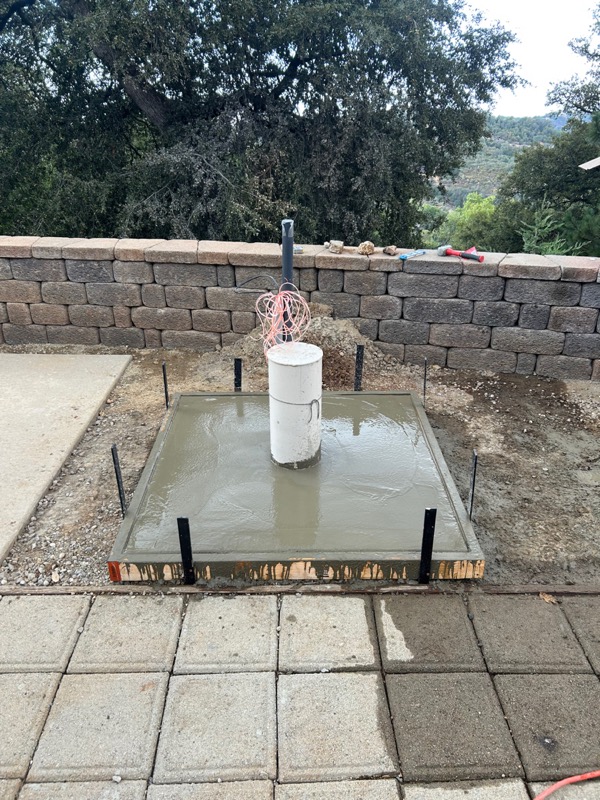
Growing avocados in Del Mar Heights? These water-loving trees need reliable, high-quality well water for healthy production. Southern California Well Service supports San Diego County avocado growers with specialized well services.
📋 In This Guide
- Avocado Water Demands
- Well Systems for Avocado Groves
- Chloride Sensitivity
- Partnering with Del Mar Heights Avocado Growers
- Related Articles
Avocado Water Demands
Avocados are thirsty trees:
- Mature tree: 40-70 gallons per day in summer
- Per acre: 4-6 acre-feet per year
- Critical periods: Fruit set and sizing
A reliable well is essential for profitable avocado production in San Diego County.
Well Systems for Avocado Groves
- High-capacity agricultural wells
- Storage tanks for peak demand periods
- Drip irrigation systems for efficiency
- Micro-sprinklers for young trees
- Pressure regulation for uniform coverage
Chloride Sensitivity
Avocados are highly sensitive to chloride in irrigation water. If your Del Mar Heights well has elevated chloride:
- Blending with lower-chloride water source
- Leaching irrigation to flush salts
- Rootstock selection for salt tolerance
- Regular soil and leaf testing
We test well water for avocado-critical parameters.
Partnering with Del Mar Heights Avocado Growers
Avocados are a major crop in San Diego County, and reliable water is essential for success. Contact us for well services designed for avocado production.
Need Help With Your Well in Del Mar Heights?
Our expert technicians serve Del Mar Heights and all of San Diego County with professional well services.
Related Articles
Continue learning about well maintenance and troubleshooting

Signs Your Well Pump Is Failing
Catch pump problems early before you lose water completely.

Low Water Pressure From Well
Diagnose and fix pressure problems before they get worse.

Well Maintenance Guide
Keep your well running smoothly with regular maintenance.
Our Locations
1077 Main St, Ramona, CA 92065
57174 US Highway 79, Anza, CA 92539
Well and Irrigation Water Solutions for Del Mar Heights Properties
Del Mar Heights sits on the bluffs above the Pacific in northern coastal San Diego County, a polished residential community where the lots are large, the landscaping is ambitious, and ocean views come with ocean-driven realities. Most homes here are connected to municipal water through local providers, so this is not avocado-grove country in the commercial sense. What we actually see in Del Mar Heights are private irrigation wells, legacy domestic wells on older estate parcels, and homeowners who want to take the sting out of triple-digit summer water bills by drawing on groundwater for lawns, ornamental gardens, fruit trees, and the occasional backyard avocado or citrus tree. Southern California Well Service has spent more than 30 years helping coastal and inland San Diego County property owners get reliable, good-quality water out of the ground, and we bring that same C-57 licensed expertise to the Heights.
How a Private Well and Landscape Irrigation System Works Here
A residential well in a coastal bluff community like Del Mar Heights is a complete system, not just a hole in the ground. A submersible pump set down in the casing lifts water from the water-bearing zone, pushes it up to a pressure tank, and a pressure switch tells the pump when to cycle on and off. From the tank, the water feeds your irrigation manifold, drip lines, micro-sprayers, and any hose bibs you use for the garden. On larger landscaped parcels we often add a storage tank so the well can recharge slowly overnight and then deliver a strong, steady flow during the early-morning irrigation window when your controller fires every zone at once.
The geology underneath this part of the coast is a mix of marine sedimentary formations, coastal terrace deposits, and the decomposed granite and fractured rock common across San Diego County backcountry farther inland. Near the coast, the single biggest water-quality question is salinity. Bluff-edge and low-lying wells can pull brackish or salt-influenced water, and dissolved salts are the enemy of avocados, citrus, and many ornamentals. That is why honest local testing matters more here than a sales pitch about gallons per minute.
Common Local Scenarios We Get Called For
Because Del Mar Heights is predominantly on municipal water, the well calls we get tend to fall into a few recognizable patterns:
- Irrigation-only wells losing pressure mid-season, usually a tired pump, a waterlogged pressure tank, or a failing pressure switch that makes sprinklers sputter.
- Salty or mineral-heavy water staining hardscape, burning leaf tips on avocados and roses, and leaving white scale on emitters.
- Older estate domestic wells that have not been serviced in years and need a pump pull, a flow test, or full rehabilitation.
- Sediment and cloudy water after a wet winter, when coastal soils shift and fines work into the casing.
- Decommissioning of an abandoned well on a parcel being redeveloped, which San Diego County requires be done to code.
What You Can Check Yourself Before Calling
A few quick observations help us help you faster, and sometimes save you a service call entirely:
- Listen to the pump. Short, rapid on-off cycling almost always points to a pressure tank that has lost its air charge or a failing pressure switch.
- Read your pressure gauge. Healthy residential systems usually run somewhere in the 40 to 60 psi band. A needle that swings wildly or never builds is a red flag.
- Check the breaker. Coastal moisture and salt air are hard on electrical connections; a tripped breaker or corroded contact is a common, cheap culprit.
- Look at the water. Note any new color, smell, grit, or staining and tell us when it started. That timeline narrows the diagnosis quickly.
- Walk your irrigation zones. If only some emitters are weak, the problem may be clogging or salt scale rather than the well itself.
When to Call a Professional
Anything that involves pulling the pump, opening the wellhead, handling 240-volt wiring, or interpreting a water-quality lab report is work for a licensed contractor. If you have lost water entirely, smell rotten-egg sulfur, see a sudden change in salinity, or your pump runs constantly without building pressure, call us rather than guessing. A wrong move on a submersible pump can drop equipment down the casing and turn a modest repair into a major one.
Realistic Cost Ranges
We give honest, itemized estimates, and our $125 diagnostic fee is credited toward any repair we perform. Typical Del Mar Heights ranges are:
- Pressure switch replacement: $150 to $350
- Pressure tank replacement: $600 to $1,500
- Submersible pump replacement: $2,500 to $5,500
- Sediment filtration: $300 to $900
- Iron, manganese, or softening / salt treatment: $1,500 to $3,500
- Constant-pressure or booster system: $2,000 to $4,500
- New well, turnkey: $18,000 to $42,000
- Hydrofracturing to improve a low-yield well: $3,000 to $8,000
- Well abandonment / decommissioning: $1,500 to $5,000
Serving Del Mar Heights and the San Diego Coast
From our Ramona office at 1077 Main St and our Anza office at 57174 US Highway 79, our crews reach Del Mar Heights and the surrounding coastal communities, including Del Mar, Carmel Valley, Solana Beach, and the Rancho Santa Fe area. We are a licensed C-57 water well contractor with a 4.9-star reputation, more than three decades in business, and same-day emergency availability when you have no water. Whether you run an irrigation-only well for a showpiece landscape or maintain an older domestic well on an estate lot, we treat your system honestly and recommend only what it actually needs.
Frequently Asked Questions
Can I even have a private well in Del Mar Heights?
Many parcels can, subject to San Diego County permitting and setback rules. Most homes here are on municipal water, but irrigation and legacy domestic wells exist throughout the bluffs. We can evaluate your lot and tell you honestly whether a well makes sense for your situation.
Is the water near the coast safe for avocados and citrus?
It depends on salinity and chloride. Avocados and citrus are sensitive to salt, and some coastal wells run brackish. We test before recommending anything, and where salts are high we discuss blending, leaching, or treatment rather than pretending the water is perfect.
Why does my irrigation pressure drop in summer?
The most common causes are a waterlogged pressure tank, a worn pump, or a well that recharges slower than your controller demands when every zone runs at dawn. A storage tank often solves the peak-demand squeeze.
How often should a residential well be serviced?
A general inspection every one to two years catches pressure-tank, switch, and water-quality issues early. Coastal salt air also accelerates electrical corrosion, so we pay extra attention to wiring and contacts here.
Do you handle decommissioning of an old well?
Yes. If you are redeveloping a Del Mar Heights parcel and have an abandoned well, we decommission it to San Diego County code, typically in the $1,500 to $5,000 range depending on depth and condition.
How fast can you respond to a no-water emergency?
We offer same-day emergency service. Call (760) 440-8520 or text (619) 259-0410 and we will get a technician headed your way.
Call Southern California Well Service
If your Del Mar Heights well or irrigation system needs attention, do not wait for a dry weekend to find out. Call (760) 440-8520 or text (619) 259-0410 for a straight answer and a fair estimate from a local, licensed team that knows San Diego County water.