
Well Services for Desert Edge Avocado Groves
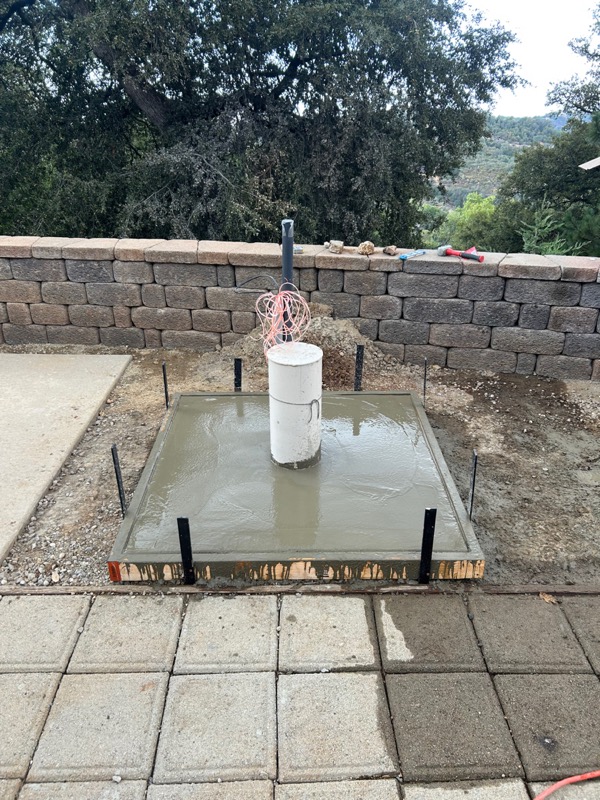
Growing avocados in Desert Edge? These water-loving trees need reliable, high-quality well water for healthy production. Southern California Well Service supports Riverside County avocado growers with specialized well services.
📋 In This Guide
- Avocado Water Demands
- Well Systems for Avocado Groves
- Chloride Sensitivity
- Partnering with Desert Edge Avocado Growers
- Related Articles
Avocado Water Demands
Avocados are thirsty trees:
- Mature tree: 40-70 gallons per day in summer
- Per acre: 4-6 acre-feet per year
- Critical periods: Fruit set and sizing
A reliable well is essential for profitable avocado production in Riverside County.
Well Systems for Avocado Groves
- High-capacity agricultural wells
- Storage tanks for peak demand periods
- Drip irrigation systems for efficiency
- Micro-sprinklers for young trees
- Pressure regulation for uniform coverage
Chloride Sensitivity
Avocados are highly sensitive to chloride in irrigation water. If your Desert Edge well has elevated chloride:
- Blending with lower-chloride water source
- Leaching irrigation to flush salts
- Rootstock selection for salt tolerance
- Regular soil and leaf testing
We test well water for avocado-critical parameters.
Partnering with Desert Edge Avocado Growers
Avocados are a major crop in Riverside County, and reliable water is essential for success. Contact us for well services designed for avocado production.
Need Help With Your Well in Desert Edge?
Our expert technicians serve Desert Edge and all of Riverside County with professional well services.
Related Articles
Continue learning about well maintenance and troubleshooting

Signs Your Well Pump Is Failing
Catch pump problems early before you lose water completely.
Low Water Pressure From Well
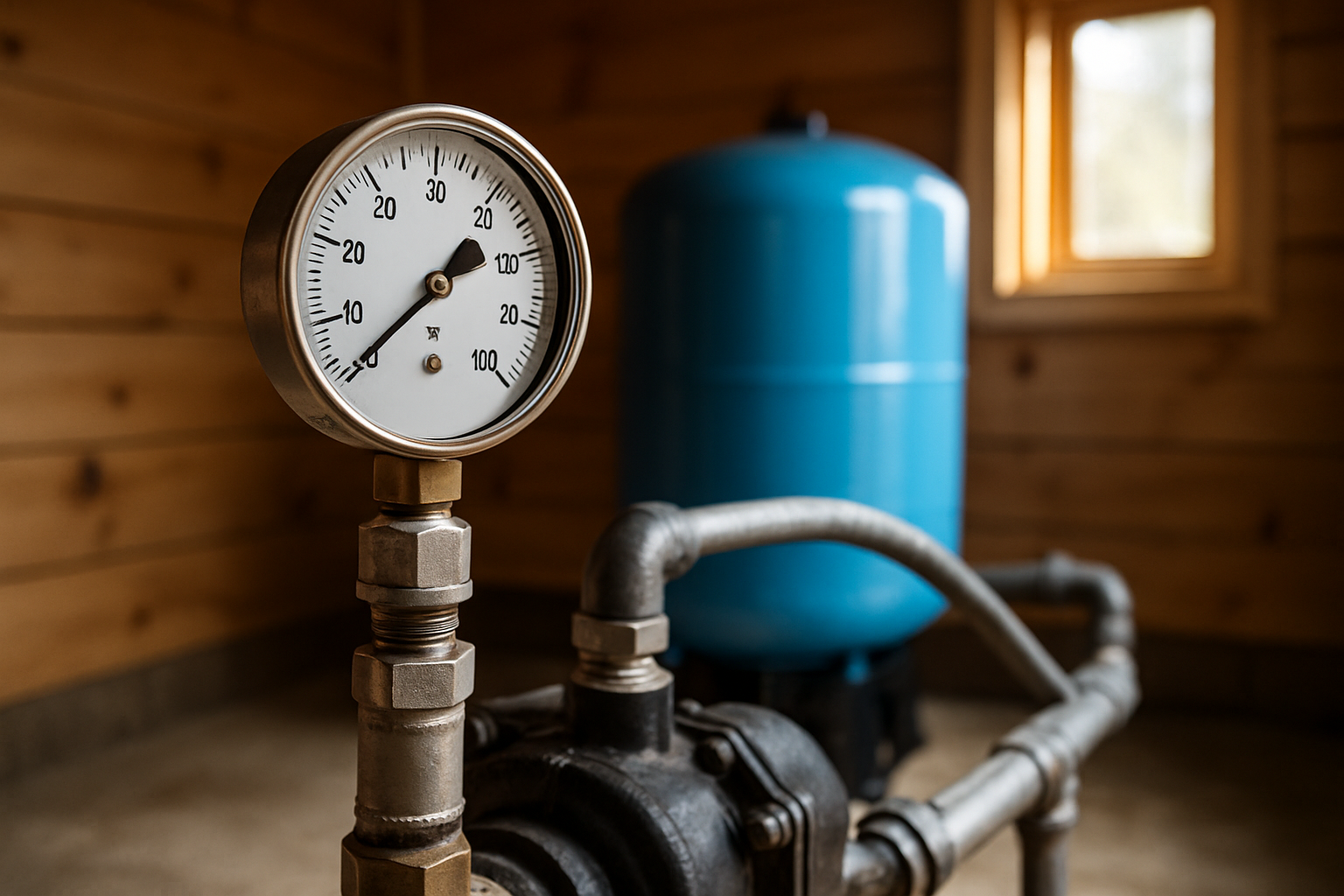
Diagnose and fix pressure problems before they get worse.
Well Maintenance Guide
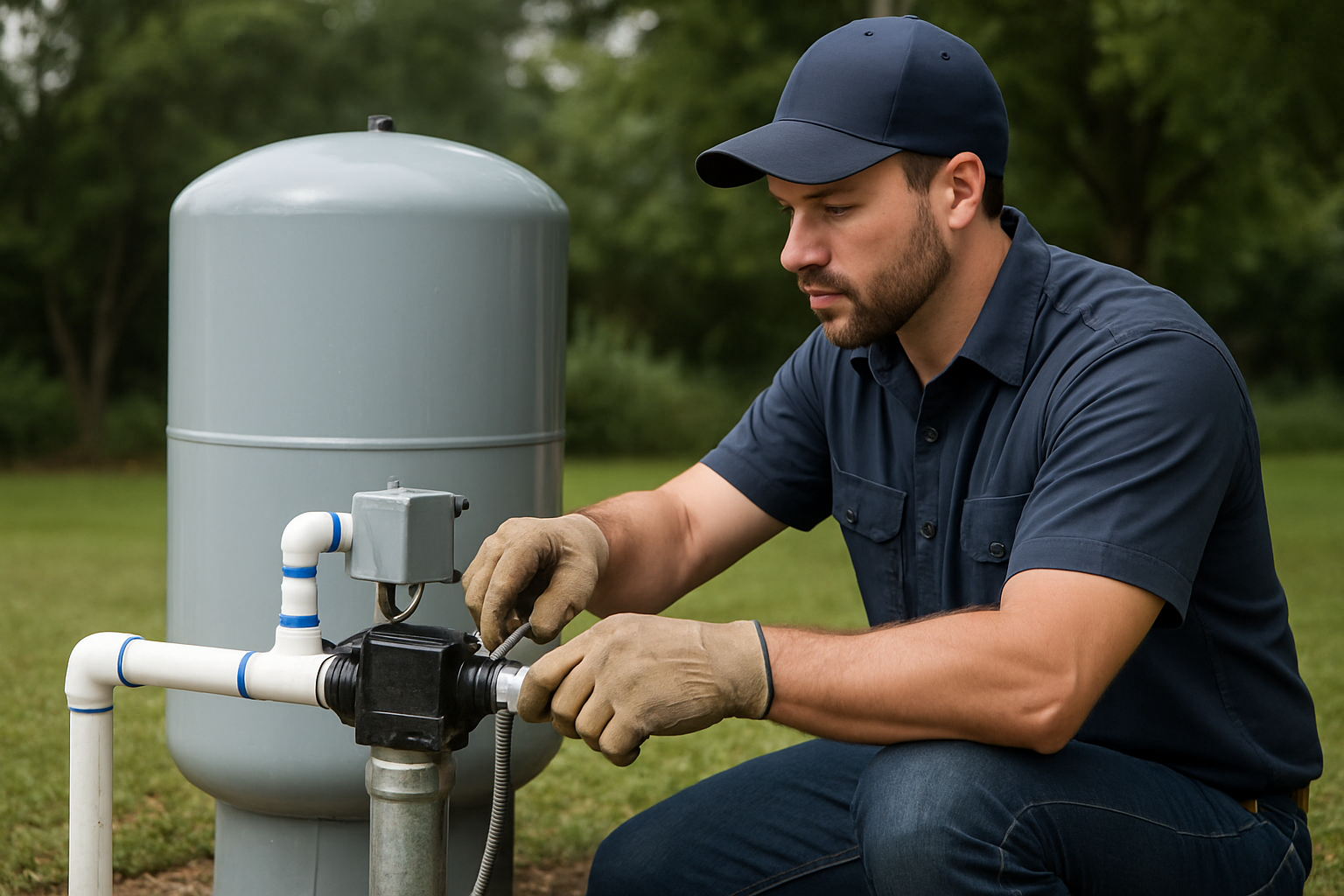
Keep your well running smoothly with regular maintenance.
Our Locations
1077 Main St, Ramona, CA 92065
57174 CA-371 (US Hwy 79), Anza, CA 92539
Well Water in Desert Edge: The Coachella Valley's Hot-Mineral Country
Desert Edge is a small unincorporated community in Riverside County, tucked into the low desert of the Coachella Valley immediately east of the city of Desert Hot Springs. Sitting at roughly 994 feet of elevation, it is about five miles and twenty minutes from Palm Springs and Palm Desert, surrounded by open desert, mobile-home neighborhoods, and the RV parks that fill each winter with snowbirds escaping colder states. The area is best known for one thing above all: naturally hot mineral water. The same geothermal-influenced aquifer that made the spas of Desert Hot Springs famous runs beneath Desert Edge, and that single fact shapes nearly every private-well decision a property owner here will ever make.
Let us be honest about the page title that brought some readers here. There are no avocado groves in Desert Edge. The climate is far too hot and arid for that kind of subtropical farming, and the realistic agricultural picture is desert landscaping, date palms, citrus, and the steady domestic demand of homes, mobile-home parks, spas, and RV resorts. What Desert Edge property owners actually need is dependable water from a desert well, and water that has been treated to deal with high mineral content, dissolved salts, and the heat that comes up with it. That is the work Southern California Well Service does across this corner of the Coachella Valley every week.
How a Desert Private Well and Treatment System Works in Desert Edge
A private well in Desert Edge is, at heart, a fairly simple chain of components, but the desert and the mineral-rich groundwater stress every link in that chain harder than they would in a milder climate. A submersible pump sits down in the well casing, below the water level, and pushes water up to the surface. From there water typically flows to a pressure tank, which holds a cushion of pressurized water so the pump is not forced to cycle on and off every time a tap opens. A pressure switch tells the pump when to run, and from the tank the water moves through whatever treatment the property needs before reaching the house, the irrigation lines, or the park's distribution system.
In Desert Edge that treatment step is rarely optional. The groundwater tied to the Mission Creek and Desert Hot Springs subbasin tends to be hard, high in total dissolved solids, and frequently warm from geothermal influence. Hard, mineral-laden water that is also hot is an aggressive scale-builder: calcium and other minerals drop out of solution and coat the inside of pipes, water heaters, pump components, fixtures, and irrigation emitters. Over months and years that scale narrows pipes, strains the pump, and shortens the life of every appliance the water touches. A typical Desert Edge treatment train therefore layers several stages. Sediment filtration catches sand and grit first. A water softener or a scale-control system tames the hardness that drives buildup. Where iron or manganese stain fixtures and laundry, dedicated filtration handles those. And for drinking water, a reverse-osmosis unit at the kitchen sink strips out the dissolved salts that softening alone does not remove. For irrigation feeding date palms, citrus, or hardy desert plantings, the priority shifts toward managing salts and protecting drip emitters from clogging.
Common Well Scenarios We See Around Desert Edge
Most service calls in this community trace back to a handful of recurring patterns rooted in the local geology and climate:
- Scale choking the system. Hot mineral water lays down mineral scale faster than almost anywhere we work. We see it constrict pipes, foul water heaters, and seize pump and pressure components well before their expected lifespan.
- Pressure tank and switch failures. Mineral fouling and the steady demand of a household or park wear out pressure switches and waterlog or rupture tank bladders, leading to short-cycling and inconsistent pressure.
- Sediment and turbidity. Desert formations can deliver sand and fine grit, especially as a well ages or its water level drops, clogging filters, fixtures, and irrigation emitters.
- Iron, manganese, and odor. Reddish or brown staining and a sulfur smell are common complaints that point to specific water-quality issues the right filtration can correct.
- Heat and salinity stress on landscaping. High dissolved salts can burn sensitive plants and accumulate in soil, so irrigation systems here need leaching strategies and salt-tolerant choices.
- Aging pumps in a demanding climate. Continuous summer demand and hot, mineral-rich water push pumps hard, and a pump that fails in July leaves a household or RV park without water in dangerous heat.
What to Check Before You Call
A few quick observations can help you describe the problem and sometimes save a service trip:
- Check the pressure gauge on your tank. Wildly swinging or stuck-low pressure points to a tank, switch, or pump issue.
- Listen to the pump. Rapid clicking on and off (short-cycling) usually means a waterlogged tank or a failing pressure switch.
- Look for visible scale or leaks at the tank, fittings, and water heater. White crusty buildup is the signature of this area's mineral water.
- Note any change in water clarity, color, smell, or taste, and whether it affects all fixtures or just one.
- Confirm power to the well. Tripped breakers and GFCI faults are common in rural desert service.
- Inspect irrigation emitters and filters for clogging if landscaping is suddenly underwatered.
When to Call a Professional
Some situations call for a licensed well contractor rather than guesswork. Reach out promptly if you have no water at all, a pump that runs continuously without building pressure, repeated breaker trips on the well circuit, a sudden surge of sand or cloudy water, or a noticeable drop in supply during the hottest months. Well work involves high-voltage wiring, heavy equipment lowered into a cased borehole, and pressurized systems, none of which are safe to improvise. As a licensed C-57 water well drilling contractor, Southern California Well Service is equipped to diagnose and repair the whole system safely, and to advise honestly on whether a repair or a replacement is the smarter investment.
Realistic Cost Ranges for Desert Edge Well Work
Every property is different, but these ranges reflect typical work in the Coachella Valley and give you a realistic planning baseline:
- Pressure switch replacement: $150 to $350
- Pressure tank replacement: $600 to $1,500
- Well pump replacement: $2,500 to $5,500
- Sediment filtration: $300 to $900
- Iron/manganese filtration or water softener: $1,500 to $3,500
- Constant-pressure or booster system: $2,000 to $4,500
- New well, turnkey: $18,000 to $42,000
- Hydrofracturing to improve yield: $3,000 to $8,000
- Well abandonment/decommissioning: $1,500 to $5,000
- Diagnostic service call: $125, credited toward the repair if you proceed with us
We give honest assessments and never upsell work you do not need. A clear diagnosis up front is almost always cheaper than reacting to a full failure later.
Serving Desert Edge and the Surrounding Coachella Valley
Southern California Well Service proudly serves Desert Edge along with neighboring Desert Hot Springs, the wider Coachella Valley, and the greater Palm Springs area. While Desert Edge and Desert Hot Springs are distinct communities, they share the same hot-mineral-water character of the Mission Creek and Desert Hot Springs subbasin, so the treatment and maintenance challenges are closely related. We work from two offices that let us respond quickly across the region: our Ramona office at 1077 Main St, Ramona, CA 92065 and our Anza office at 57174 CA-371 (US Hwy 79), Anza, CA 92539. With more than 30 years of experience, a 4.9-star reputation, and same-day emergency response, we are ready whenever a Desert Edge well needs attention.
Frequently Asked Questions
Why is my Desert Edge well water hot?
The Coachella Valley low desert sits over geothermally influenced groundwater, the same source that made nearby Desert Hot Springs famous for its hot mineral spas. Naturally warm, mineral-rich water is normal here, but it builds scale aggressively, which is why treatment and regular maintenance matter so much.
Do I really need a water softener or scale control in Desert Edge?
For most properties, yes. The hard, high-TDS water typical of this subbasin will scale up pipes, water heaters, fixtures, and pump components over time. Softening or a scale-control system, often paired with reverse osmosis for drinking water, protects your plumbing and extends equipment life.
Can I grow avocados on my Desert Edge well?
Realistically, no. Desert Edge is far too hot and arid for avocado groves. Well owners here have much better results with desert landscaping, date palms, citrus, and salt-aware irrigation, and we can help design a system suited to that.
How is Desert Edge different from Desert Hot Springs for well service?
They are separate communities, with Desert Edge being a small unincorporated area just east of the city of Desert Hot Springs. For groundwater purposes they share the same aquifer character, so the hot-mineral-water issues and treatment needs are very similar across both.
How fast can you respond to a Desert Edge emergency?
We offer same-day emergency service. Losing water in desert heat is a genuine hazard, so no-water and pump-failure calls in Desert Edge are a priority for our crews working out of Ramona and Anza.
What does a service call cost?
A diagnostic visit is $125, and we credit that amount toward the repair if you choose to move forward with us. It buys you a clear, honest assessment of exactly what your well system needs.
Get Your Desert Edge Well Back to Reliable
Whether you are fighting scale from hot mineral water, chasing inconsistent pressure, or planning a new well for a home or RV park, Southern California Well Service is your local, licensed partner in the Coachella Valley. Call (760) 440-8520, text (760) 219-5877, or request a free estimate, and let our team put more than three decades of desert well experience to work for you in Desert Edge.