
Well Services for Desert Hot Springs Avocado Groves
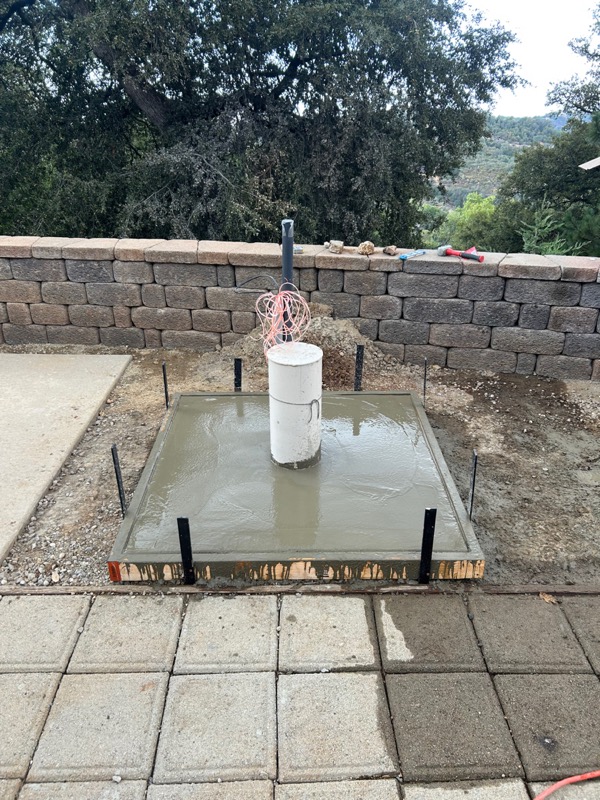
Growing avocados in Desert Hot Springs? These water-loving trees need reliable, high-quality well water for healthy production. Southern California Well Service supports Riverside County avocado growers with specialized well services.
📋 In This Guide
- Avocado Water Demands
- Well Systems for Avocado Groves
- Chloride Sensitivity
- Partnering with Desert Hot Springs Avocado Growers
- Related Articles
Avocado Water Demands
Avocados are thirsty trees:
- Mature tree: 40-70 gallons per day in summer
- Per acre: 4-6 acre-feet per year
- Critical periods: Fruit set and sizing
A reliable well is essential for profitable avocado production in Riverside County.
Well Systems for Avocado Groves
- High-capacity agricultural wells
- Storage tanks for peak demand periods
- Drip irrigation systems for efficiency
- Micro-sprinklers for young trees
- Pressure regulation for uniform coverage
Chloride Sensitivity
Avocados are highly sensitive to chloride in irrigation water. If your Desert Hot Springs well has elevated chloride:
- Blending with lower-chloride water source
- Leaching irrigation to flush salts
- Rootstock selection for salt tolerance
- Regular soil and leaf testing
We test well water for avocado-critical parameters.
Partnering with Desert Hot Springs Avocado Growers
Avocados are a major crop in Riverside County, and reliable water is essential for success. Contact us for well services designed for avocado production.
Need Help With Your Well in Desert Hot Springs?
Our expert technicians serve Desert Hot Springs and all of Riverside County with professional well services.
Related Articles
Continue learning about well maintenance and troubleshooting
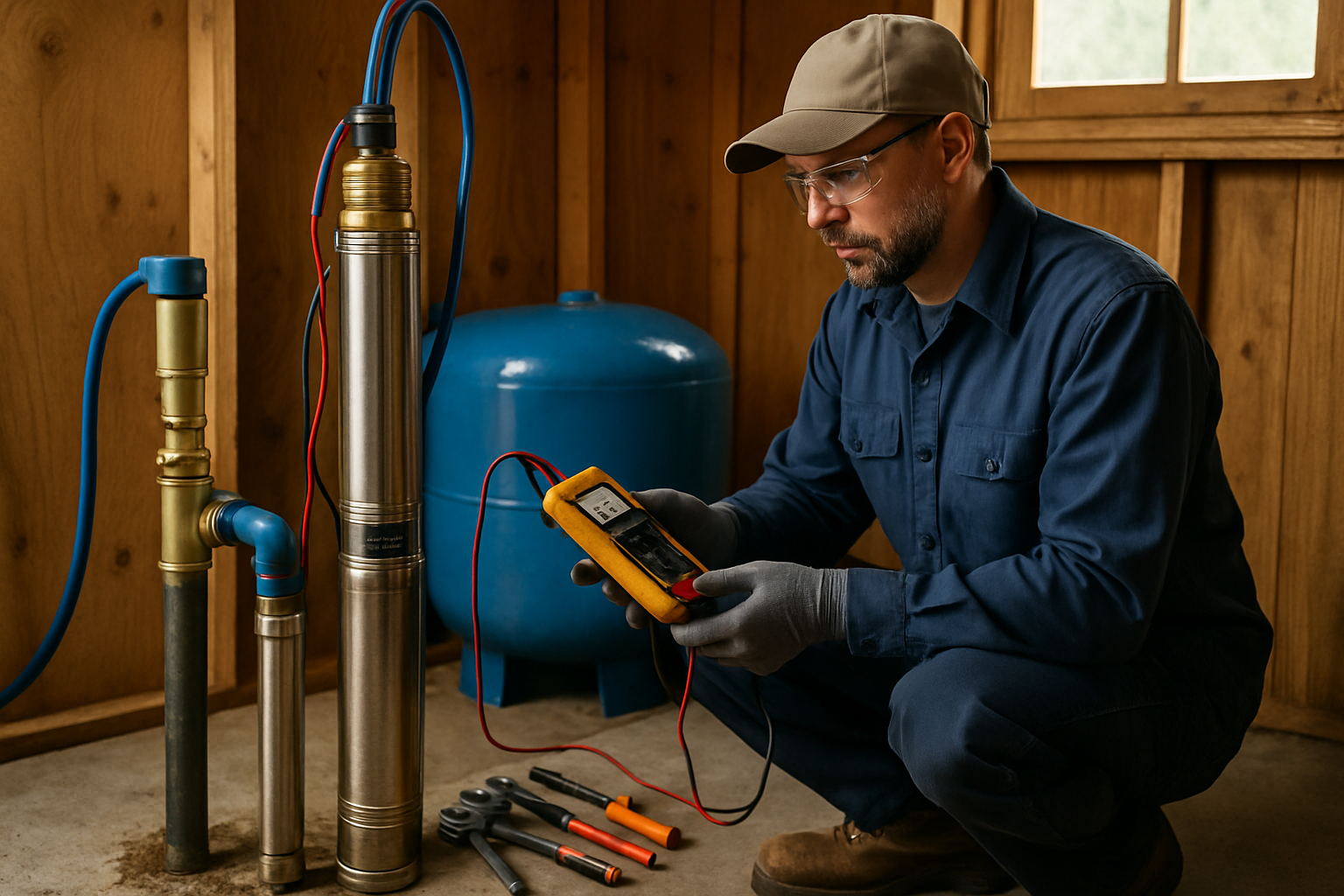
Signs Your Well Pump Is Failing
Catch pump problems early before you lose water completely.
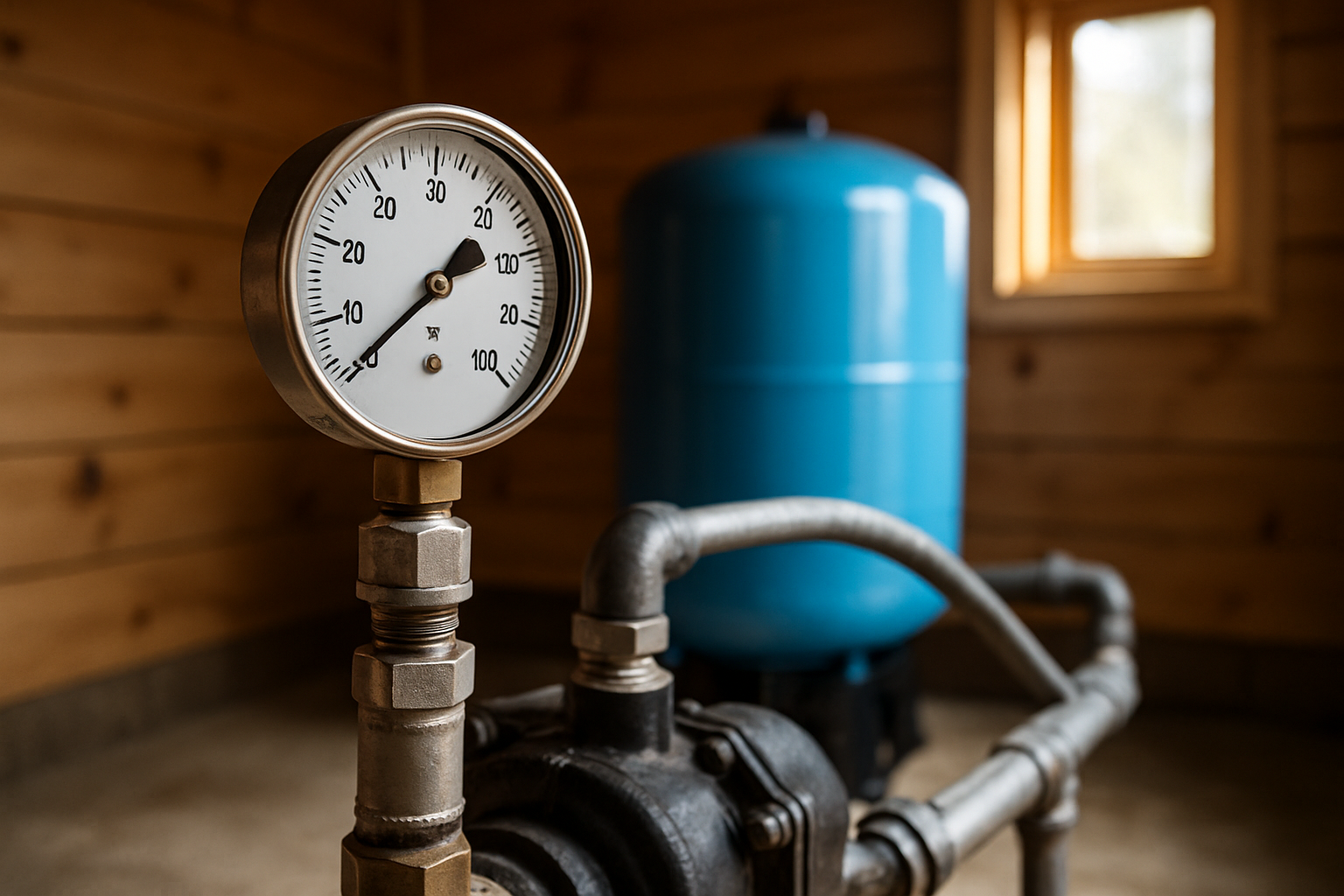
Low Water Pressure From Well
Diagnose and fix pressure problems before they get worse.
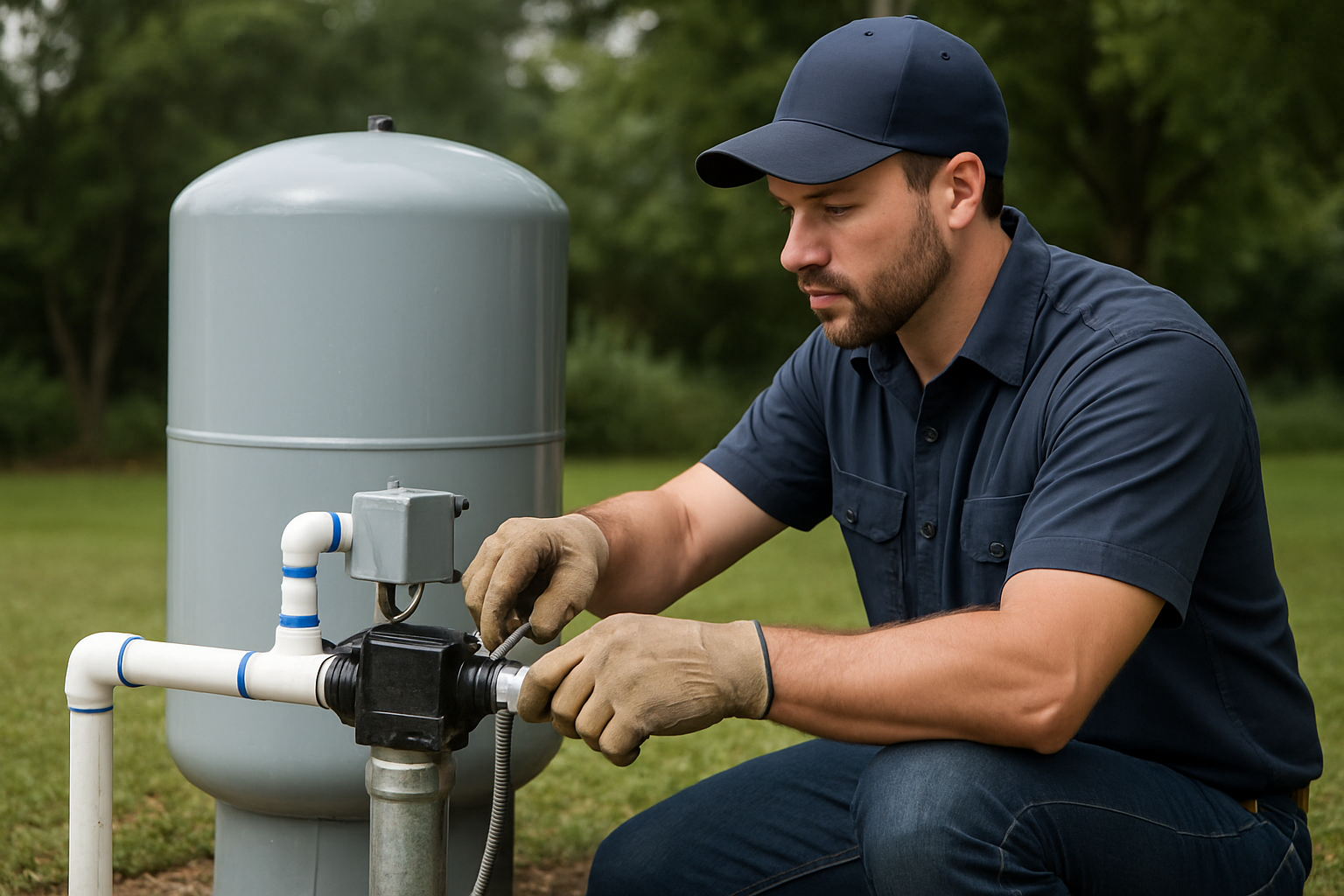
Well Maintenance Guide
Keep your well running smoothly with regular maintenance.
Our Locations
1077 Main St, Ramona, CA 92065
57174 US Highway 79, Anza, CA 92539
Private Well Service in Desert Hot Springs: Living Above One of the Desert's Most Unusual Aquifers
Desert Hot Springs is unlike anywhere else in the Coachella Valley. This incorporated Riverside County city sits in the low desert just north of Palm Springs, tucked against the foot of the Little San Bernardino Mountains, and it is famous around the world for one thing: naturally hot mineral water that rises from the ground already warm enough to fill a spa. Resorts and bathhouses built their reputations on it, and homeowners across the city share the same remarkable groundwater. If you own a property here with a private well, you are tapping into a hydrogeology that almost no other community in California can claim, and understanding it is the key to keeping clean, reliable water flowing.
The reason the water is so distinctive comes down to a fault line. The Mission Creek Branch of the San Andreas Fault runs straight through the area and acts like an underground wall. On one side lies the Desert Hot Springs subbasin, where geothermal heat warms deeply circulated water and loads it with dissolved minerals before it rises toward the surface as the celebrated hot mineral water. On the other side sits the Mission Creek subbasin, holding cooler, far purer water that locals often call crystal water. Two homes only a short distance apart can draw water with completely different temperature and chemistry simply because their wells reach opposite sides of the fault. Southern California Well Service has spent more than thirty years learning exactly how that boundary behaves, and that local knowledge shapes every recommendation we make.
How a Desert Private Well and Treatment System Works Here
A residential or resort well in Desert Hot Springs is a complete system, not just a hole in the ground. Water sits in the aquifer below your property, and a submersible pump set at depth pushes it upward whenever you open a tap or run irrigation. From there it flows into a pressure tank that stores water under air pressure so the pump does not have to cycle on every time you need a few gallons. A pressure switch tells the pump when to start and stop, holding your household pressure in a steady band.
In most of the country that is the whole story. In Desert Hot Springs, treatment is usually the most important stage of all. Because so much of the local groundwater carries high total dissolved solids along with calcium, sulfate, iron, and manganese, raw water often needs conditioning before it reaches your fixtures or your landscape. A typical local setup might include a sediment filter to catch fine grit, a softener or scale-control unit to tame hardness, iron and manganese treatment to stop staining and odor, and in some homes a reverse osmosis system at the kitchen tap for drinking water. For irrigation, the same well may feed a separate line sized for date palms, citrus, or low-water desert landscaping, where mineral-rich water is more forgiving than it is inside household plumbing. Building these stages in the right order, and sizing them to your actual water chemistry, is what separates a system that runs quietly for years from one that constantly clogs and stains.
Common Local Well Scenarios and What Causes Them
After decades of service calls across Desert Hot Springs and the wider Coachella Valley, certain problems show up again and again. Recognizing them early can save you a great deal of money and inconvenience.
- Scale buildup from hot mineral water. The same minerals that make the local water famous also crystallize as scale inside pipes, water heaters, pressure tanks, and pump components. Hot water accelerates the process. Over months and years scale narrows lines, chokes flow, and forces pumps to work harder than they should.
- Hard water throughout the house. Elevated calcium and dissolved solids leave spots on fixtures, crust on showerheads, and film on glassware, and they cut the life of appliances. Many homeowners assume their plumbing is failing when the real culprit is untreated hardness.
- Iron and manganese staining. Reddish or brownish stains in sinks and tubs, or a metallic taste, point to iron and manganese that are common on parts of the fault. These respond well to targeted treatment but rarely improve on their own.
- Sediment in the water. Fine sand and grit from the surrounding alluvial desert soils can reach the pump and abrade it, foul filters, and cloud the water. Proper screening and filtration keep it out of the house.
- Deep wells and pressure loss. Many local wells are drilled deep to reach a dependable supply. The deeper the pump, the more it works, and worn pumps or failing pressure tanks show up as weak flow, rapid pump cycling, or sputtering taps.
What to Check Before You Call
If your water is acting up, a few quick observations help you and your technician zero in on the cause. None of these require special tools.
- Note whether the problem affects every fixture or just one. Whole-house issues usually point to the well, pump, or pressure tank rather than a single faucet.
- Listen to your pump and pressure tank. Rapid, repeated clicking on and off often signals a waterlogged tank or a failing pressure switch.
- Look at the color and clarity of the water in a clean glass. Cloudiness, grit, or staining tells you whether sediment or minerals are involved.
- Check whether the water is unusually hot at the cold tap, which can indicate your well is drawing from the hot mineral side of the fault.
- Inspect visible scale or crust on showerheads and aerators as a sign of hardness that treatment can address.
- Find your well's records if you have them, including depth and pump installation date, so we can judge equipment age and expected life.
When to Call a Professional
Some situations should never wait. Call right away if you have lost water entirely, if your pump runs constantly without building pressure, if you see a sudden drop in flow, or if water quality changes abruptly with new color, odor, or grit. These can signal a failing pump, a compromised tank, or a problem down in the well itself, and quick action often prevents a far larger repair. Electrical issues at the well, anything involving the wellhead, and any work below ground call for a licensed contractor rather than a general handyman. As a licensed C-57 water well contractor, Southern California Well Service is equipped to diagnose and repair the whole system safely, from the pump at the bottom of the borehole to the treatment equipment in your garage.
What Local Well Work Typically Costs
Every property is different, but honest ranges help you plan. The figures below reflect common Desert Hot Springs jobs. We always confirm pricing after a hands-on diagnostic so there are no surprises.
- Pressure switch replacement: $150 to $350
- Pressure tank replacement: $600 to $1,500
- Pump replacement: $2,500 to $5,500
- Sediment filtration: $300 to $900
- Iron, manganese, or water softening system: $1,500 to $3,500
- Constant-pressure or booster system: $2,000 to $4,500
- New turnkey well: $18,000 to $42,000
- Hydrofracturing to improve yield: $3,000 to $8,000
- Well abandonment or decommissioning: $1,500 to $5,000
- Diagnostic visit: $125, credited toward any work we perform
Serving Desert Hot Springs and the Coachella Valley
Southern California Well Service proudly serves Desert Hot Springs along with the surrounding Coachella Valley, including Palm Springs, the neighboring community of Desert Edge, and the residences, spas, and resorts that depend on the area's remarkable groundwater. We work on wells for single-family homes, desert landscaping and date palm irrigation, and commercial spa properties that rely on consistent water around the clock. Our two offices keep our technicians close to you: one at 1077 Main St in Ramona, CA 92065, and one at 57174 US Highway 79 in Anza, CA 92539. With a 4.9-star reputation and same-day emergency response, we aim to be the local well partner you can count on whether you have a routine maintenance need or no water at all.
Frequently Asked Questions
Why is my Desert Hot Springs well water so hot, and is that normal?
In parts of Desert Hot Springs it is completely normal. The city sits over the Desert Hot Springs subbasin, where geothermal heat warms mineral water that emerges naturally hot, sometimes well above 100 degrees Fahrenheit. Whether your specific well taps hot mineral water or cooler water depends on which side of the Mission Creek Fault your property sits on. We can test your water and help you manage temperature, mineral content, and scale before it damages your pump or plumbing.
What is the difference between the hot mineral water and the cold water in Desert Hot Springs?
The Mission Creek Branch of the San Andreas Fault separates two distinct aquifers beneath the city. On one side lies the hot, highly mineralized water famous for the area's spa resorts; on the other side sits cooler, lower-mineral water often described as crystal-clear. Two neighboring properties can have completely different water chemistry depending on which subbasin their well reaches, which is why local knowledge matters so much when designing treatment.
Does the mineral-rich water hurt my pump and plumbing?
It can over time. High total dissolved solids, calcium, sulfate, iron, and manganese promote scale buildup inside pipes, pressure tanks, and on pump components. Left untreated, scale narrows lines, reduces flow, and shortens equipment life. Routine inspection, sediment filtration, and scale or softening treatment protect your investment and keep pressure consistent.
Can I grow a desert landscape, citrus, or date palms on Desert Hot Springs well water?
Yes, with the right setup. Date palms and many desert-adapted plants tolerate mineral-rich water well, while citrus and ornamentals usually benefit from sediment filtration and salt management. We design drip and irrigation systems sized to your well's yield and water chemistry so you can keep landscaping healthy through the hot, arid summers.
How much does well work typically cost in Desert Hot Springs?
It depends on the job. Common repairs like a pressure switch run $150 to $350, pressure tanks $600 to $1,500, and pump replacements $2,500 to $5,500. Treatment such as sediment filtration runs $300 to $900 and iron, manganese, or softening systems $1,500 to $3,500. A new turnkey well typically falls between $18,000 and $42,000. Our diagnostic visit is $125 and is credited toward any work we perform.
Do you offer emergency well service in Desert Hot Springs?
Yes. We provide same-day emergency response across Desert Hot Springs and the Coachella Valley. Call (760) 440-8520 or text (619) 259-0410 and a licensed C-57 technician will help you get water flowing again quickly.
Get Reliable Water in Desert Hot Springs Today
Your well sits above one of the most interesting aquifers in California, and with the right care it can deliver dependable water for decades. Whether you need treatment for hard, mineral-rich water, a pump or pressure tank repaired, a new well drilled, or simply an honest diagnosis, Southern California Well Service is ready to help. Call (760) 440-8520 or text (619) 259-0410 for same-day emergency service, and let our licensed, 4.9-star team keep the water flowing across Desert Hot Springs and the Coachella Valley.