
Well Services for Dulzura Avocado Groves
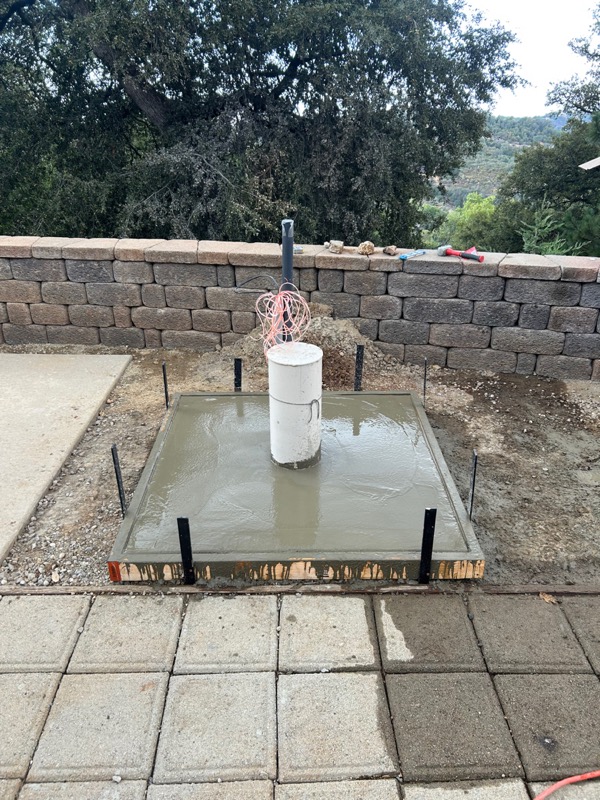
Growing avocados in Dulzura? These water-loving trees need reliable, high-quality well water for healthy production. Southern California Well Service supports San Diego County avocado growers with specialized well services.
📋 In This Guide
- Avocado Water Demands
- Well Systems for Avocado Groves
- Chloride Sensitivity
- Partnering with Dulzura Avocado Growers
- Related Articles
Avocado Water Demands
Avocados are thirsty trees:
- Mature tree: 40-70 gallons per day in summer
- Per acre: 4-6 acre-feet per year
- Critical periods: Fruit set and sizing
A reliable well is essential for profitable avocado production in San Diego County.
Well Systems for Avocado Groves
- High-capacity agricultural wells
- Storage tanks for peak demand periods
- Drip irrigation systems for efficiency
- Micro-sprinklers for young trees
- Pressure regulation for uniform coverage
Chloride Sensitivity
Avocados are highly sensitive to chloride in irrigation water. If your Dulzura well has elevated chloride:
- Blending with lower-chloride water source
- Leaching irrigation to flush salts
- Rootstock selection for salt tolerance
- Regular soil and leaf testing
We test well water for avocado-critical parameters.
Partnering with Dulzura Avocado Growers
Avocados are a major crop in San Diego County, and reliable water is essential for success. Contact us for well services designed for avocado production.
Need Help With Your Well in Dulzura?
Our expert technicians serve Dulzura and all of San Diego County with professional well services.
Related Articles
Continue learning about well maintenance and troubleshooting
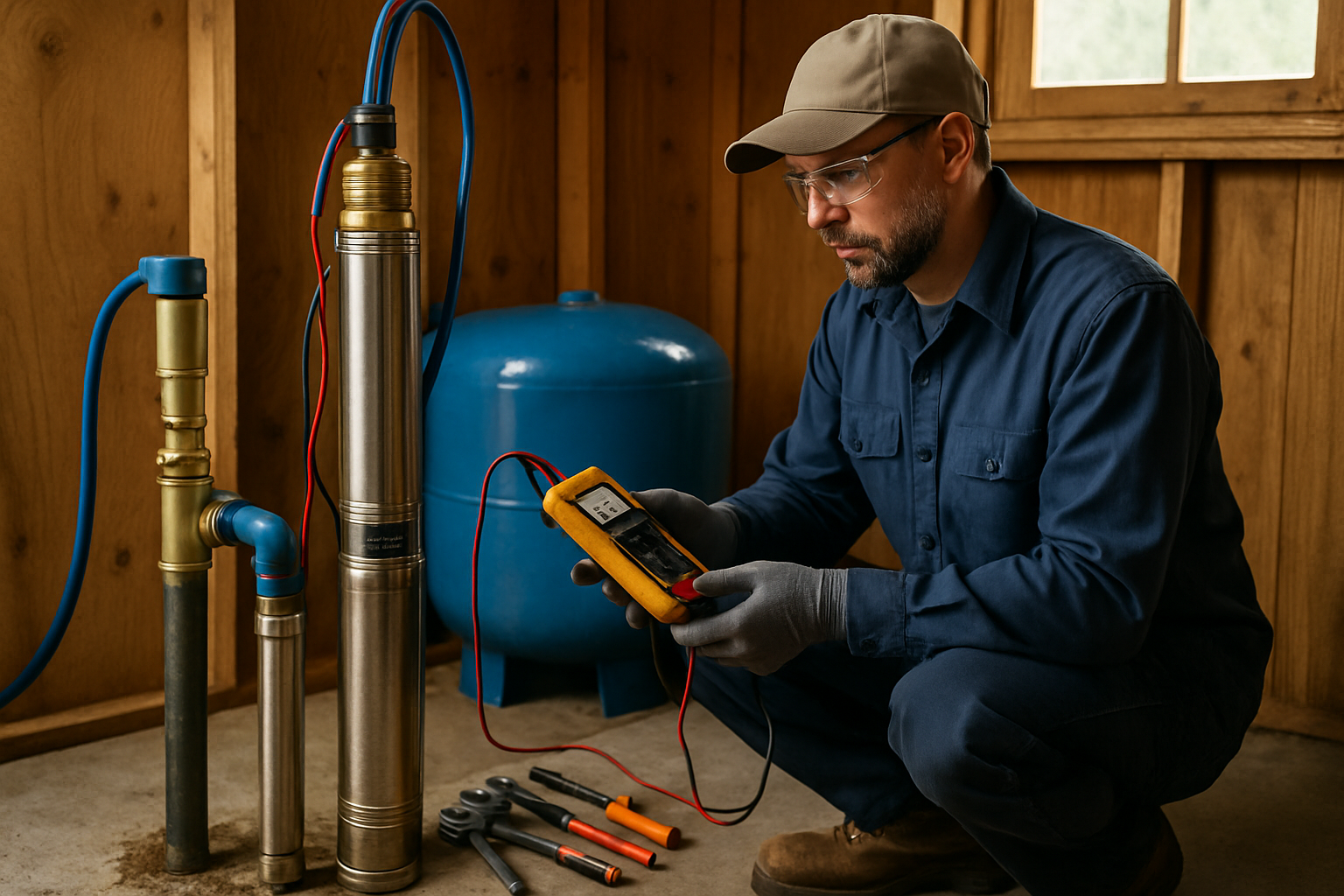
Signs Your Well Pump Is Failing
Catch pump problems early before you lose water completely.
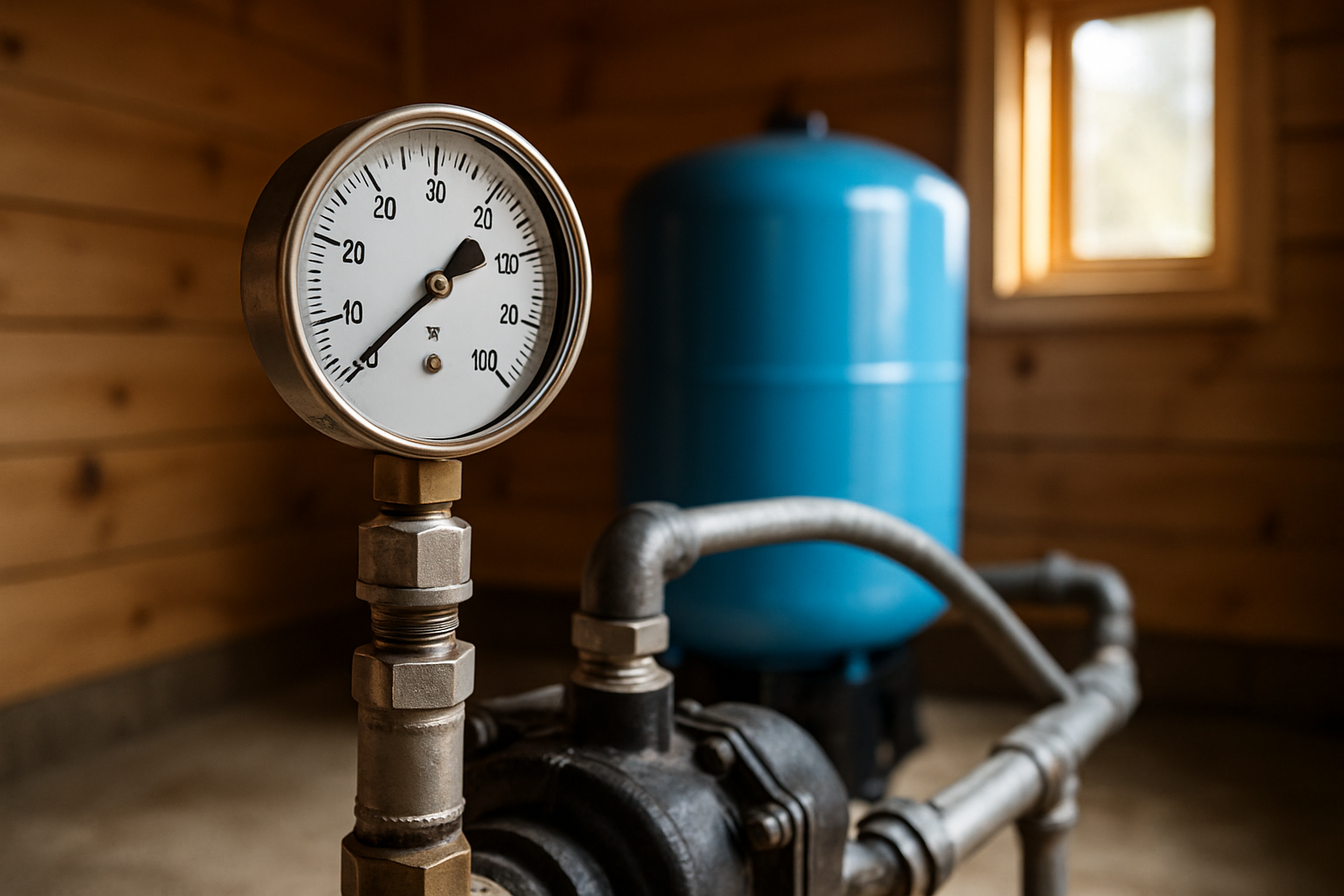
Low Water Pressure From Well
Diagnose and fix pressure problems before they get worse.
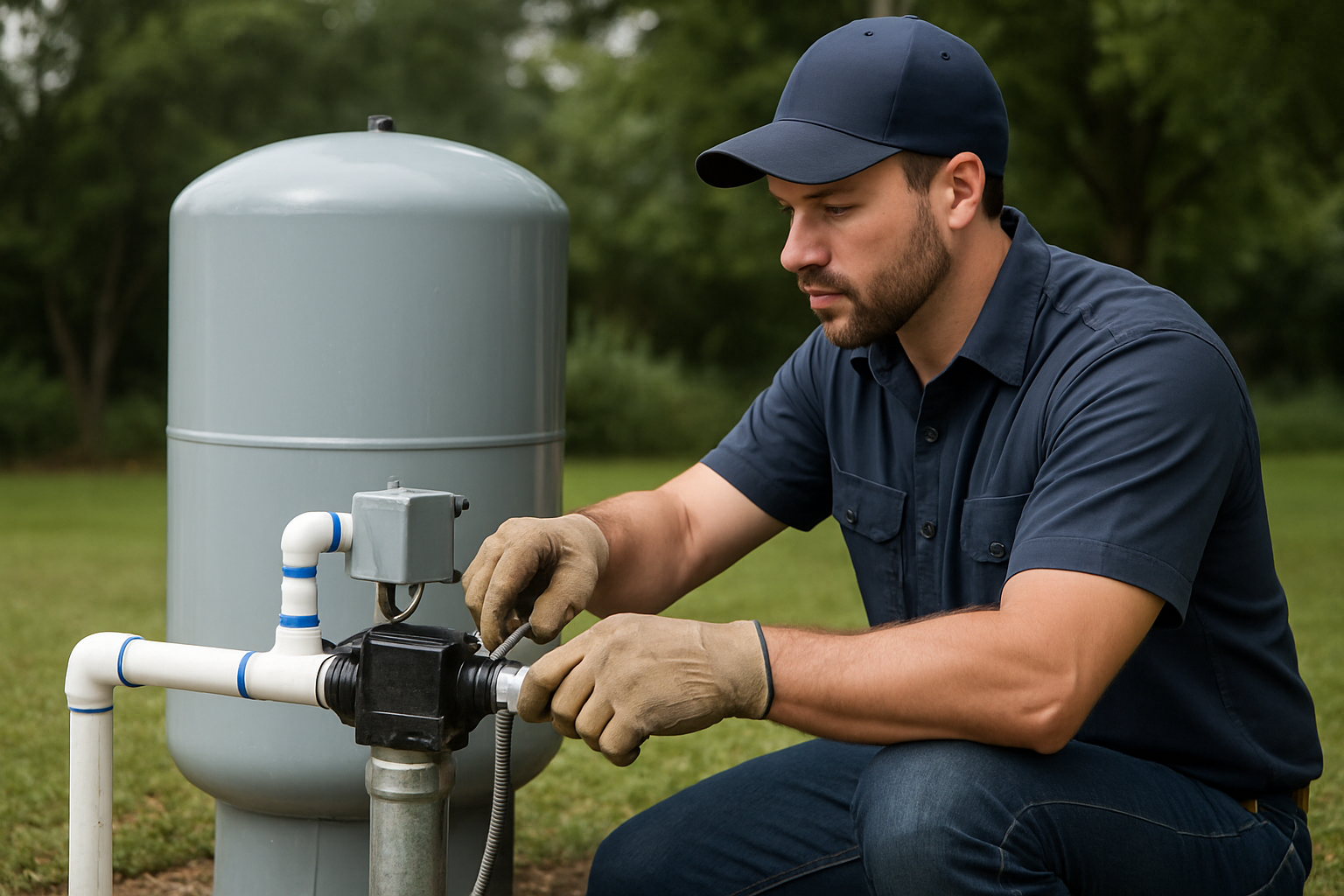
Well Maintenance Guide
Keep your well running smoothly with regular maintenance.
Our Locations
1077 Main St, Ramona, CA 92065
57174 CA-371 (US Hwy 79), Anza, CA 92539
Well-Water Strategy for Dulzura Avocado Growers
Dulzura sits in the rugged backcountry of southern San Diego County, strung along State Route 94 between Jamul and Tecate where Dulzura Creek winds through oak-shaded canyons and chaparral-covered hills. It is genuinely rural avocado and small-grove country: parcels here are large, the nearest municipal water main is often miles away, and almost every producing grove leans on a private well. At roughly 1,000 to 1,500 feet of elevation, growers benefit from gentle slopes that let cold air drain downhill on winter nights, which is exactly why Hass trees can hold on here when frost would damage them on the valley floor. The catch is that the water keeping those trees alive comes out of fractured granite, and the volume and quality of that water vary enormously from one ridge to the next.
Southern California Well Service has worked since 2020 drilling, rehabilitating, and maintaining wells across this corner of the county. We understand the difference between a well that simply produces water and a well that can carry a grove through a September heat wave without the trees dropping fruit.
How Much Water a Dulzura Grove Actually Needs
An avocado is mostly water, and so is the demand it places on your well. A mature Hass tree in the warm, dry Dulzura summer can transpire 40 to 70 gallons on a single day, and a planted acre typically consumes somewhere between four and six acre-feet across a full irrigation year. Those numbers spike during the two windows that matter most for your crop: spring fruit set and the summer sizing period from June through September. Miss water during either, and you do not just stress the tree, you lose the next harvest.
This is why we never look at a Dulzura grove well in isolation. We look at peak day demand. A well that yields a respectable 8 gallons per minute sounds adequate until you multiply it across a hot afternoon and realize the grove is asking for more than the aquifer will surrender in real time. The fix is almost never "drill deeper and hope." It is matching well yield, storage, and pump capacity so the system can meet demand at the worst possible moment, not the average one.
The Role of Storage Tanks
For most backcountry groves in Dulzura, a storage tank is the single most important upgrade we recommend. A modest well that recovers steadily overnight can fill a 5,000 to 20,000 gallon tank during off-peak hours, and a booster pump then delivers irrigation water at the pressure and flow the trees need during the day. This decouples your tree's appetite from the aquifer's slow recovery, protects the well from being pumped down and damaged, and gives you a buffer if the pump ever fails mid-week. We size and plumb these systems specifically for grove duty cycles, not household use.
Decomposed Granite, Fractured Rock, and What It Means for Your Well
The geology under Dulzura is classic Peninsular Ranges: weathered granitic rock, decomposed granite near the surface, and harder crystalline bedrock below, threaded with fractures that actually hold and move the water. Wells here generally run somewhere between 200 and 500 feet deep, and yield depends almost entirely on whether the borehole intersects productive fracture zones rather than on hitting some uniform water table. Two wells a few hundred yards apart can behave completely differently.
That fractured-rock setting has real consequences for a grower. Yields can decline gradually as fine sediment and mineral scale clog the fractures feeding the well. Static water levels drop during multi-year droughts, which Southern California sees regularly. And the mineral content of granitic groundwater tends to be high, which brings us to the issue that worries avocado growers more than any other.
Chloride and Salinity: The Avocado Grower's Real Enemy
Avocados are among the most salt-sensitive crops grown commercially, and chloride is the specific culprit. Where many backcountry wells carry chloride and total dissolved solids that a household would never notice in drinking water, an avocado tree shows it immediately as leaf-tip burn, reduced canopy, and shrinking yields. In Dulzura's granitic groundwater, salinity is a genuine risk worth testing for before you plant and monitoring once you are established.
When we test a grove well and find elevated chloride, we work through practical options rather than alarming you. Sometimes the answer is leaching irrigation, deliberately applying extra water to push accumulated salts below the root zone. Sometimes it is blending the well with a lower-salinity source. For new plantings, salt-tolerant clonal rootstocks make a measurable difference. And in the right situation, treatment equipment can bring problem water into range. The point is that you need accurate water chemistry before making any of these calls, and we provide that.
Common Well Problems We See in Dulzura
Across years of service calls along the 94 corridor, a handful of issues come up again and again on grove and rural-residential wells in this area:
- Declining yield from a clogging well screen or fractures. Mineral scale and fine sand slowly choke the inflow. Well rehabilitation, mechanical or chemical, often restores much of the lost capacity without the cost of drilling new.
- Pump failures from sediment and mineral wear. Granitic water is abrasive and hard. Submersible pumps running long grove duty cycles wear out faster than household pumps, especially when sized incorrectly for the well.
- Pressure-tank waterlogging and short-cycling. A failed tank bladder makes the pump start and stop rapidly, which is the fastest way to burn out a motor.
- Drought-driven drawdown. When static levels fall, a pump set too high starts sucking air. Lowering the pump or adjusting the system protects both the equipment and the trees.
- Power-quality issues. Rural Dulzura sees voltage sags and outages; we install controls and protection that keep pumps from being damaged by the grid.
What It Costs to Keep a Dulzura Grove Watered
Honest budgeting matters in the backcountry, so here is what these services typically run. A diagnostic visit is $125 and is credited toward any work we perform. A pressure switch replacement runs roughly $150 to $350, and a new pressure tank $600 to $1,500. A replacement submersible pump for a deeper grove well generally falls between $2,500 and $5,500 depending on depth and horsepower. Sediment filtration runs $300 to $900, and a constant-pressure or booster system for tank-fed irrigation typically lands between $2,000 and $4,500. If a well's yield has dropped, hydrofracturing to reopen fractures runs $3,000 to $8,000, far less than a new well. A complete new turnkey well, when it is genuinely needed, ranges from $18,000 to $42,000 depending on depth and the rock.
Why Growers Call Southern California Well Service
We are a licensed C-57 water well drilling contractor, not a general plumber, and that distinction matters when your livelihood depends on the system. With offices in Ramona and Anza, we reach Dulzura quickly, including same-day response when a grove suddenly has no water. Our reputation, reflected in CSLB #1086994 from local customers, rests on honest assessments: if your well can be rehabilitated rather than replaced, we will tell you. Reach us at (760) 440-8520, or text (760) 219-5877 to get a conversation started.
Frequently Asked Questions
How deep are wells in Dulzura?
Most wells in the Dulzura area are drilled into fractured granitic rock at depths between roughly 200 and 500 feet. Because yield depends on intersecting water-bearing fractures rather than a uniform water table, depth and production can vary significantly even between neighboring parcels.
Is well water safe for avocado trees in Dulzura?
It can be, but you should test first. Dulzura's granitic groundwater often carries elevated chloride and dissolved salts, and avocados are unusually salt-sensitive. We test for the parameters that matter to avocados and recommend leaching, blending, rootstock selection, or treatment when chloride is too high.
How much water does an avocado grove need?
A mature Hass tree can use 40 to 70 gallons on a hot Dulzura summer day, and a planted acre needs roughly four to six acre-feet per year. Demand peaks during spring fruit set and the June through September sizing period, which is when well capacity matters most.
Should I add a storage tank to my grove well?
For most backcountry Dulzura groves, yes. A storage tank lets a modest well recover overnight and fill the tank, then a booster pump delivers irrigation water at full flow during the day. It protects the well from being over-pumped and gives you a buffer if the pump fails.
Can a low-yield well be improved without drilling a new one?
Often, yes. Hydrofracturing reopens clogged fractures and frequently restores yield for $3,000 to $8,000, far less than a new well. Well rehabilitation to clear scale and sediment is another option. We assess the well before recommending replacement.
Do you offer emergency service to Dulzura?
Yes. From our Ramona and Anza offices we provide same-day emergency response to Dulzura when a grove or home loses water. Call (760) 440-8520 or text (760) 219-5877.