
Well Services for East Hemet Avocado Groves
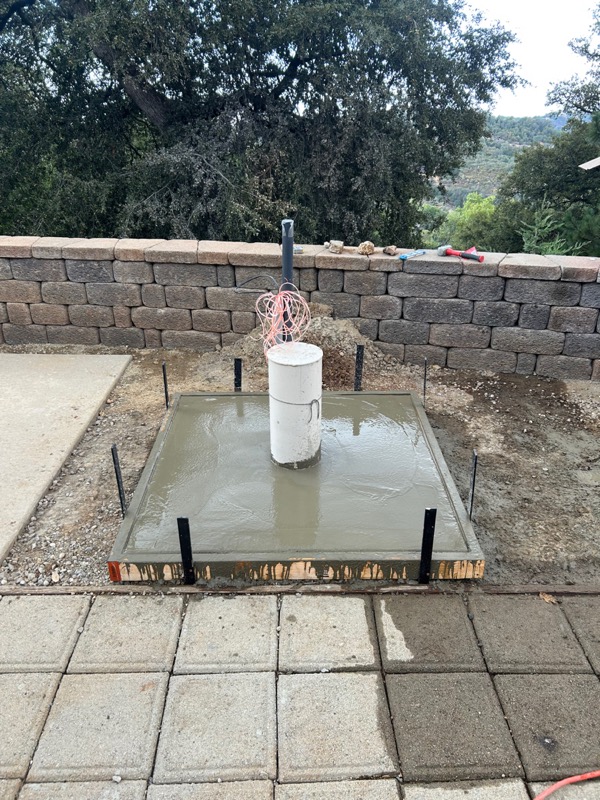
Growing avocados in East Hemet? These water-loving trees need reliable, high-quality well water for healthy production. Southern California Well Service supports Riverside County avocado growers with specialized well services.
📋 In This Guide
- Avocado Water Demands
- Well Systems for Avocado Groves
- Chloride Sensitivity
- Partnering with East Hemet Avocado Growers
- Related Articles
Avocado Water Demands
Avocados are thirsty trees:
- Mature tree: 40-70 gallons per day in summer
- Per acre: 4-6 acre-feet per year
- Critical periods: Fruit set and sizing
A reliable well is essential for profitable avocado production in Riverside County.
Well Systems for Avocado Groves
- High-capacity agricultural wells
- Storage tanks for peak demand periods
- Drip irrigation systems for efficiency
- Micro-sprinklers for young trees
- Pressure regulation for uniform coverage
Chloride Sensitivity
Avocados are highly sensitive to chloride in irrigation water. If your East Hemet well has elevated chloride:
- Blending with lower-chloride water source
- Leaching irrigation to flush salts
- Rootstock selection for salt tolerance
- Regular soil and leaf testing
We test well water for avocado-critical parameters.
Partnering with East Hemet Avocado Growers
Avocados are a major crop in Riverside County, and reliable water is essential for success. Contact us for well services designed for avocado production.
Need Help With Your Well in East Hemet?
Our expert technicians serve East Hemet and all of Riverside County with professional well services.
Related Articles
Continue learning about well maintenance and troubleshooting

Signs Your Well Pump Is Failing
Catch pump problems early before you lose water completely.
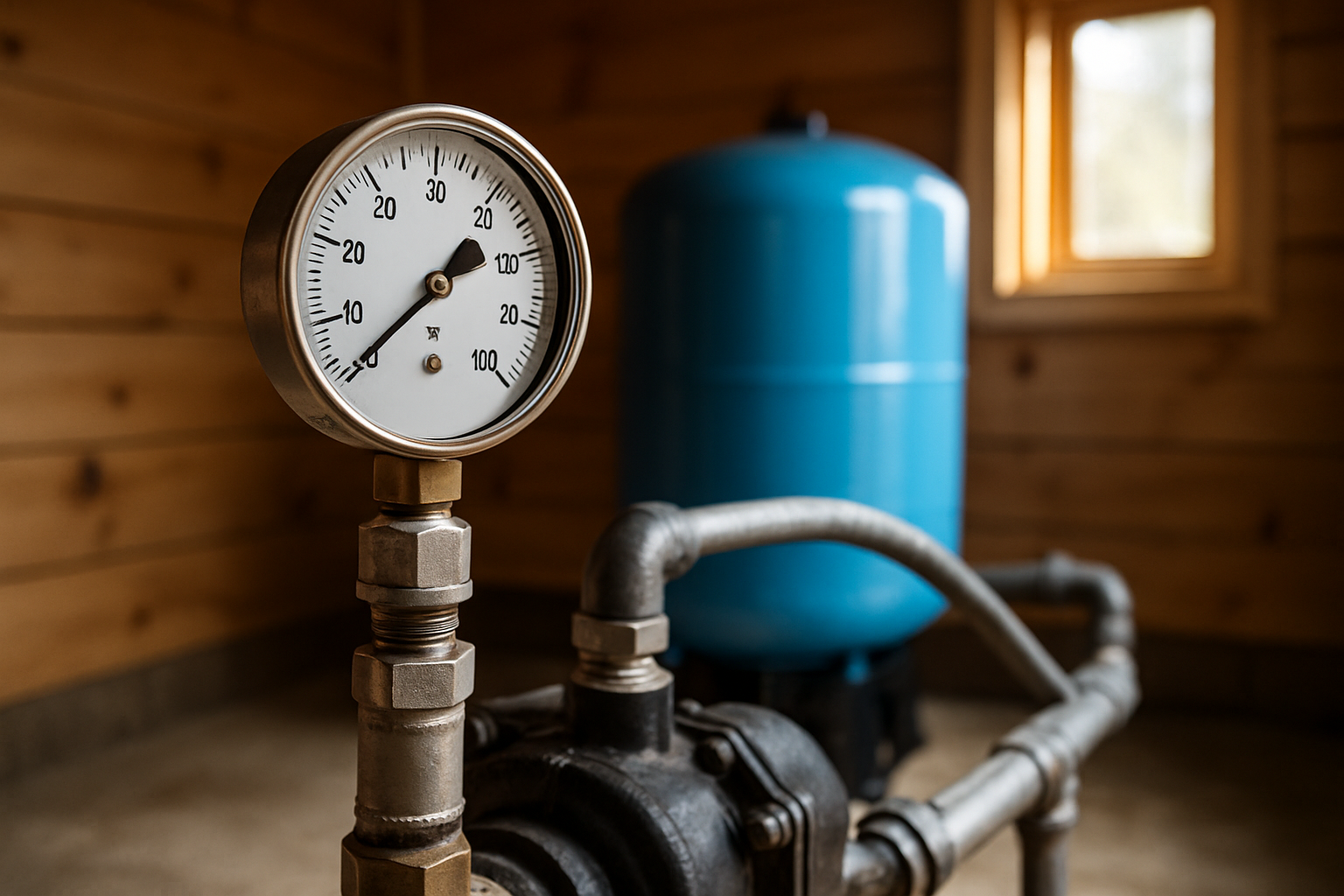
Low Water Pressure From Well
Diagnose and fix pressure problems before they get worse.
Well Maintenance Guide
Keep your well running smoothly with regular maintenance.
Our Locations
1077 Main St, Ramona, CA 92065
57174 US Highway 79, Anza, CA 92539
Well Water in East Hemet and the San Jacinto Valley
East Hemet is an unincorporated community in Riverside County, tucked into the eastern end of the San Jacinto Valley just past the city of Hemet, with the rugged San Jacinto Mountains rising to the northeast and the small communities of Valle Vista, Winchester, and San Jacinto close at hand. This valley has deep agricultural roots. For more than a century the warm, sunny basin floor here grew citrus, apricots, peaches, olives, and walnuts, along with row crops and pasture, and the warmer microclimates tucked against the foothills could ripen small plantings of avocados and other subtropicals. Many of those orchards have given way to rural-residential lots and small farms, but the demand for dependable groundwater never went away. Whether you irrigate a few citrus or avocado trees, run a small commercial grove, or simply need clean water for a home on acreage, your well is the heart of the property.
What makes East Hemet fortunate is geology. The San Jacinto Basin, including the Hemet, Canyon, and San Jacinto Upper Pressure subbasins, sits on thick beds of alluvial sand and gravel washed down from the surrounding mountains by the San Jacinto River and its tributaries. Those loose, water-bearing deposits make this one of the most productive groundwater basins in the inland region. A properly built valley well here typically reaches water in the range of roughly 150 to 350 feet, and yields commonly run from about 10 gallons per minute on a modest domestic well to 100 or more gallons per minute on a stout agricultural well. That is a very different picture from the hard-rock wells on the coast or in the high desert, and it shapes how we design, drill, and service every system in this area.
Because the basin has historically faced overdraft and declining levels, pumping here is managed. The Hemet-San Jacinto Watermaster, created under a 2013 Stipulated Judgment of the Riverside County Superior Court, coordinates groundwater among Eastern Municipal Water District, Lake Hemet Municipal Water District, the cities of Hemet and San Jacinto, and private pumpers. If you own a private well, it is worth understanding how your use fits into that framework, and we are happy to point you to the right resources.
How a Private Alluvial Well and Irrigation System Works
A modern East Hemet well is a coordinated system, not a single piece of equipment. Knowing the parts helps you spot trouble early and talk clearly with a technician.
- The well and casing. A steel or PVC casing lines the borehole, and a slotted or wire-wrapped screen spans the water-bearing sand and gravel. In alluvial ground the screen and the gravel pack around it are critical: they let water in while holding back the fine sand.
- The submersible pump. Most valley wells use a submersible pump set deep below the water level. It pushes water up the drop pipe toward the surface and is sized to match the well's safe yield and the irrigation demand.
- Pressure tank and switch. A bladder pressure tank stores a buffer of water and lets the pump cycle on and off within a set pressure band. The pressure switch is the small control that tells the pump when to start and stop.
- Storage and constant-pressure for agriculture. Trees and row crops draw a lot of water on hot afternoons. Rather than oversize the pump, many growers add a storage tank that fills steadily through the day, paired with a booster or constant-pressure system that delivers smooth, even pressure to drip lines and micro-sprinklers. This protects the well from being over-pumped and keeps emitters running uniformly across the grove.
- Treatment and filtration. Sediment filters, and where needed iron, manganese, or hardness treatment, keep both your household fixtures and your irrigation emitters clean.
Common Local Well Problems We See Around East Hemet
Decades of work in the San Jacinto Valley have taught us which issues come up again and again on alluvial wells. The most distinctive one in this basin is sand.
- Sand and fine sediment. Alluvial wells can pump sand, especially when a pump is oversized or the well is over-pumped and the water level is drawn down hard. Sand is abrasive: it grinds away pump impellers, scores valves, fills the bottom of the well, and clogs drip emitters and filters. The fix is rarely just a new pump. Proper screen design, gravel packing, and right-sizing the pump to the well's true yield is what keeps sand out for good.
- Worn pump impellers and falling output. When output slowly drops or pressure sags, abrasive wear from sand or simple age may have eroded the impellers. A flow and amperage test tells us whether to rebuild or replace.
- Hard and mineral-rich water. Valley groundwater is often hard, leaving scale on fixtures, water heaters, and irrigation hardware. Iron and manganese can stain and, over time, plug emitters.
- Declining water levels. In dry years and late summer the basin's levels drop, and a pump set too shallow can begin to draw air or break suction. Sometimes the answer is lowering the pump; sometimes it is rethinking demand and storage.
- Screen and casing wear. Older wells can develop incrustation on the screen or corrosion in the casing, both of which cut yield and can let in sediment.
- Pressure tank and switch failures. A waterlogged tank or a worn switch makes the pump short-cycle, which shortens its life and produces erratic pressure.
What You Can Check Before You Call
A few safe checks help you describe the problem and sometimes solve it outright:
- Look at your pressure gauge. Is it cycling normally, stuck low, or pinned high? Note the numbers where the pump kicks on and off.
- Check the breaker for the well pump. A tripped breaker that immediately trips again points to an electrical fault, not a quick reset.
- Run a hose into a clean bucket and watch for sand or cloudiness. Grit in the bucket is a strong clue you are pumping sediment.
- Listen at the pressure tank. Rapid clicking of the switch or the pump starting every few seconds means short-cycling, often a tank or switch issue.
- Tap the pressure tank near the top and bottom. A tank that sounds full of water all the way up has likely lost its air charge.
- Check filters. A plugged sediment filter can mimic a failing pump by starving your pressure.
Please stay away from the wellhead wiring and never remove a pump yourself. Submersible pumps and 230-volt circuits are genuinely dangerous, and an alluvial well can be damaged by improper handling.
When to Call a Professional
Call us when you have no water at all, when sand keeps coming back after a filter change, when pressure or output is steadily declining, when the breaker will not stay set, or when you smell or see a sudden change in water quality. These are signs of pump, screen, or aquifer issues that need diagnostic tools and a licensed contractor. The cost of waiting is usually higher: a sand-worn pump left running can fail completely, and a small screen problem can become a much larger rehabilitation job.
Realistic Cost Ranges for East Hemet Well Work
Every well is different, but these ranges reflect typical work in the San Jacinto Valley and help you budget. We always give a firm quote before any work begins.
- Pressure switch replacement: $150 to $350
- Pressure tank replacement: $600 to $1,500
- Submersible pump replacement: $2,500 to $5,500
- Sediment filtration system: $300 to $900
- Iron, manganese, or water softener treatment: $1,500 to $3,500
- Constant-pressure or booster system: $2,000 to $4,500
- New well, turnkey: $18,000 to $42,000
- Hydrofracturing to improve yield: $3,000 to $8,000
- Well abandonment and decommissioning: $1,500 to $5,000
- Diagnostic service call: $125, credited toward any repair we perform
Serving East Hemet and the San Jacinto Valley
Southern California Well Service proudly serves East Hemet along with Hemet, San Jacinto, Valle Vista, and Winchester, and the surrounding rural and small-agricultural properties throughout the valley. We work from two offices, our Ramona office at 1077 Main St, Ramona, CA 92065 and our Anza office at 57174 US Highway 79, Anza, CA 92539, which lets us reach the San Jacinto Valley quickly for both scheduled work and same-day emergencies. As a licensed C-57 water well contractor with more than 30 years of experience and a 4.9-star reputation, we handle the full job, from drilling and pump service to sand control, storage and constant-pressure systems, and water treatment.
Frequently Asked Questions
Why is my East Hemet well pumping sand?
Alluvial wells in the San Jacinto Valley draw from sand and gravel, so the well's screen and gravel pack have to hold back the fines. Sand usually shows up when a pump is oversized or the well is over-pumped, drawing the water level down hard and pulling sediment through the screen. The lasting fix is right-sizing the pump to the well's real yield and, if needed, addressing the screen, not just adding another filter.
How deep are wells in East Hemet?
Most valley wells in this area reach water somewhere in the range of about 150 to 350 feet, thanks to the thick alluvial deposits of the San Jacinto Basin. Your exact depth depends on your location within the basin and the subbasin you sit over.
How much water can a valley well produce?
Yields vary, but domestic wells here often produce around 10 to 30 gallons per minute, and well-built agricultural wells can deliver 100 gallons per minute or more. The productive alluvial aquifer is the reason this basin supports both homes and farms.
Do I need a storage tank for irrigating trees?
Often, yes. Trees and row crops demand a lot of water on hot afternoons. A storage tank fills steadily through the day and a constant-pressure or booster system delivers even pressure to drip lines, which protects the well from over-pumping and keeps emitters running uniformly.
Is my well water regulated by the watermaster?
Groundwater pumping in this basin is coordinated by the Hemet-San Jacinto Watermaster under a 2013 Stipulated Judgment, which includes public agencies and private pumpers. If you own a private well we can help you understand how your use fits in and point you to the right contacts.
What does a service call cost, and is it credited?
Our diagnostic service call is $125, and we credit that amount toward any repair we perform. You get a clear assessment and a firm quote before any work starts.
Call Southern California Well Service Today
If your East Hemet well is pumping sand, losing pressure, or simply due for a checkup, let an experienced local crew take a look. Call (760) 440-8520 or text (619) 259-0410 for same-day emergency service and honest, straightforward advice from a licensed C-57 contractor who knows the San Jacinto Valley.