
Well Services for Eastvale Avocado Groves
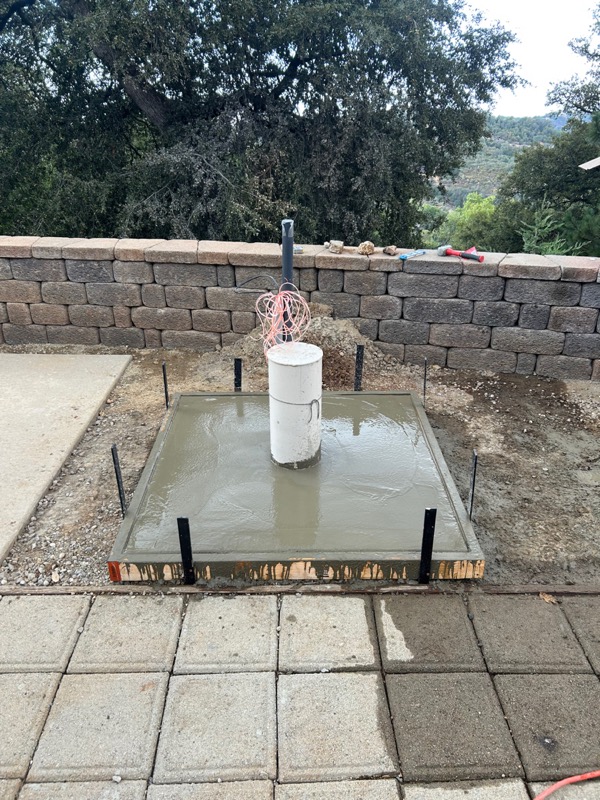
Growing avocados in Eastvale? These water-loving trees need reliable, high-quality well water for healthy production. Southern California Well Service supports San Diego County avocado growers with specialized well services.
📋 In This Guide
- Water in Eastvale, Riverside County
- How a Private Well and Irrigation System Works
- The Chino Basin and Why Testing Comes First
- Common Scenarios in the Eastvale Area
- What to Check Before You Call
- When to Call a Licensed Pro
- Realistic Cost Ranges
- Serving Eastvale and Northwest Riverside County
- Frequently Asked Questions
- Related Articles
This guide covers groundwater, wells, and irrigation for the Eastvale area. Jump to any section above, or call (760) 440-8520 for help now.
Need Help With Your Well in Eastvale?
Our expert technicians serve Eastvale and all of Riverside County with professional well services.
Related Articles
Continue learning about well maintenance and troubleshooting

Signs Your Well Pump Is Failing
Catch pump problems early before you lose water completely.
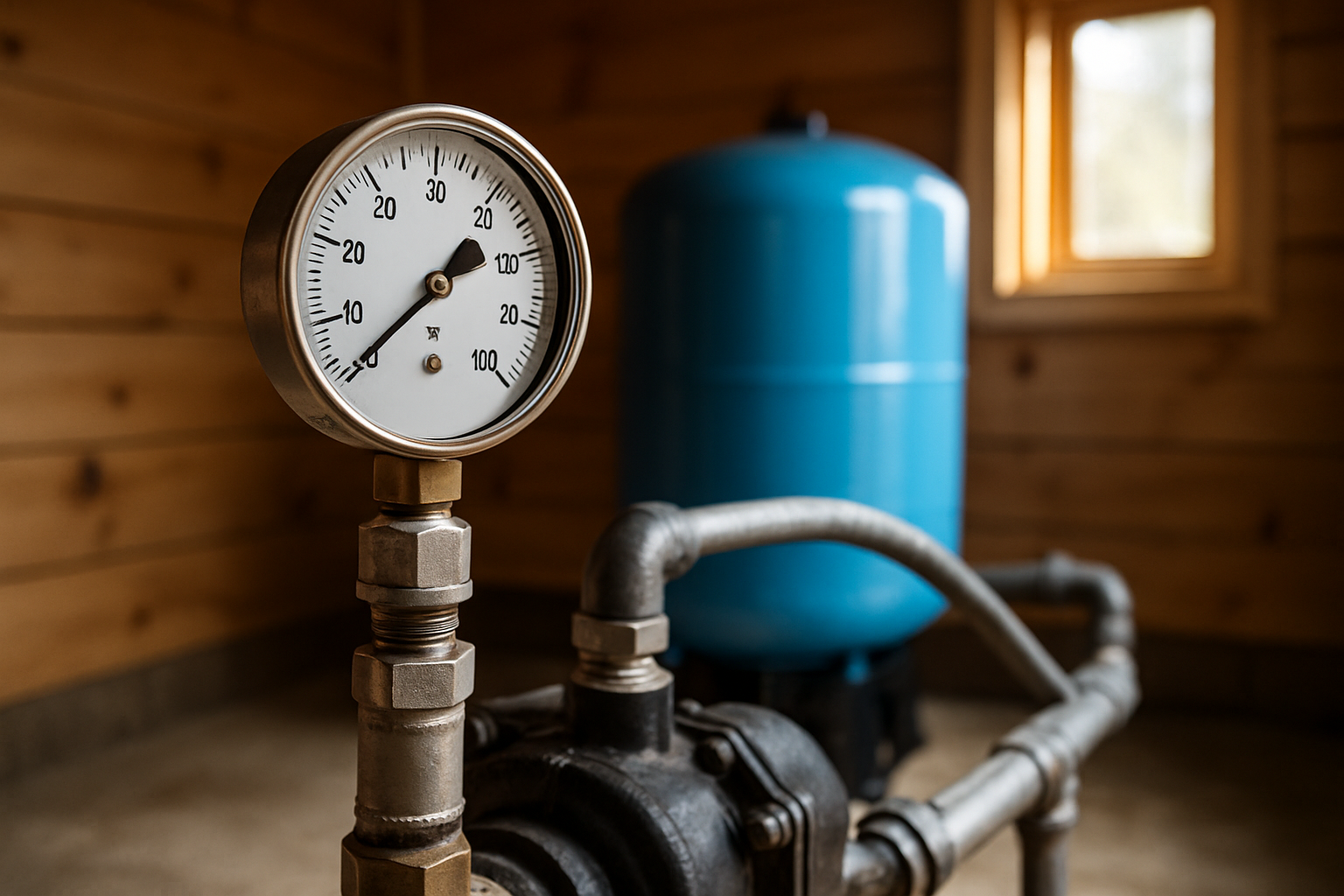
Low Water Pressure From Well
Diagnose and fix pressure problems before they get worse.
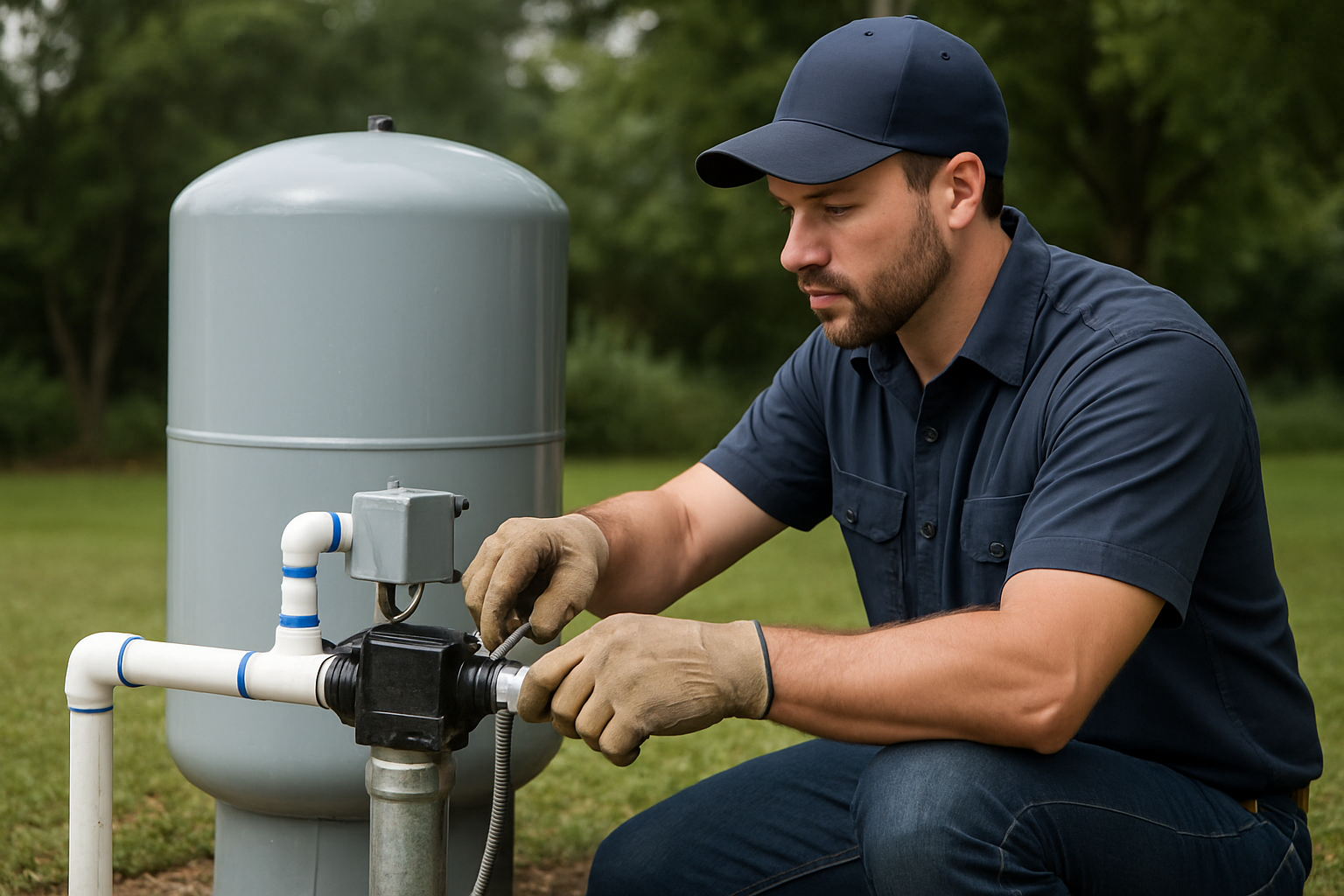
Well Maintenance Guide
Keep your well running smoothly with regular maintenance.
Our Locations
1077 Main St, Ramona, CA 92065
57174 CA-371 (US Hwy 79), Anza, CA 92539
Water in Eastvale, Riverside County
Eastvale is a young city in the far northwest corner of Riverside County, tucked against the Santa Ana River and the San Bernardino County line near Chino and Norco. For most of its history this was dairy country — part of the broad "Dairyland" of the Chino Valley, worked for generations by Dutch and Portuguese families — before it suburbanized rapidly in the late 1990s and 2000s and incorporated as a city in 2010. Today it is a community of master-planned neighborhoods, and the great majority of homes run on municipal water from the Jurupa Community Services District.
That dairy past is the key to understanding groundwater here. The flat Santa Ana River bottomlands sit over the Chino Basin, one of the larger and more closely managed groundwater basins in Southern California. Unlike the fractured-rock wells of the San Diego backcountry, Eastvale-area groundwater comes from deep alluvial sand and gravel — capable of good yields, but also historically loaded with nitrate from decades of dairy and agricultural activity. Southern California Well Service brings more than 30 years of drilling and pump experience to property owners who still rely on, or are considering, a private well in this part of Riverside County.
Picture the area a generation ago and you would see milking barns, feedlots, and hay fields stretching across the flats — Eastvale was one of the densest concentrations of dairies in the country. As Los Angeles and Orange County pushed inland in search of affordable housing, those dairies were sold off through the late 1990s and 2000s, and tracts of homes replaced them. The cows are gone, but their legacy lingers in the soil and the groundwater, which is the single most important fact for anyone using a well in this part of Riverside County.
On avocados: Eastvale is not an avocado-growing region and never really was — it was dairy and feed crops, not citrus or subtropical orchards. The realistic well and irrigation needs here are landscape, larger residential and ranchette lots, livestock, and agricultural support uses on the remaining open parcels rather than commercial groves. We will steer you toward what actually fits the ground rather than sell a grove fantasy.
How a Private Well and Irrigation System Works
A private well over the Chino Basin alluvium uses a submersible pump set down a cased borehole, lifting water to a pressure tank regulated by a pressure switch. Because the basin's sand-and-gravel aquifer can deliver healthy flow, many wells here run a straightforward pump-to-tank setup, though larger irrigation demands often justify a storage tank and booster for steady pressure across many zones.
It helps to understand how an Eastvale-area well differs mechanically from the hard-rock wells common in San Diego's backcountry. Because the Chino Basin is thick alluvium — layered sand, gravel, and clay deposited by the Santa Ana River over millennia — wells can be screened across productive sand zones and often deliver strong, steady yields. That is a genuine advantage over fractured rock. The trade-off is that the same permeable sediments that store and transmit water so well also let surface contaminants such as nitrate percolate down readily, which is why water quality, rather than quantity, dominates the conversation here.
The defining local consideration, then, is water quality, not supply. For domestic use, nitrate frequently means treatment (ion exchange or reverse osmosis) plus softening for the area's hard water; for irrigation, the priorities are hardness and sediment management to protect drip systems. Proper, tested treatment is what turns a basin well into a dependable supply.
The Chino Basin and Why Testing Comes First
The Chino Basin beneath Eastvale is an adjudicated, actively managed groundwater basin — meaning extractions are tracked and the basin is engineered to be desalted and cleaned up over time. For a private well owner, the practical takeaway is simple: never assume the water is safe to drink without testing it. Nitrate is colorless, odorless, and tasteless, but at elevated levels it is a genuine health risk, particularly for infants. A laboratory test for nitrate, total dissolved solids, and bacteria is inexpensive insurance, and it tells us exactly what treatment — if any — your household needs. For irrigation-only wells, the bar is different, but hardness and sediment still drive equipment wear and emitter clogging.
Common Scenarios in the Eastvale Area
On well-served properties in and around Eastvale, the issues we see most are:
- Elevated nitrate from the dairy and farming legacy, requiring testing and treatment for safe drinking water.
- Hard-water scale on pumps, tanks, fixtures, and emitters.
- Declining static levels tied to basin management and dry-year drawdown.
- Pressure tank and switch failures causing rapid pump cycling.
- Old agricultural wells on former dairy and feed-crop land that are aging or need to be properly retired as parcels are redeveloped.
What to Check Before You Call
Before scheduling service, a few safe checks:
- Power. Verify the well breaker and disconnect have not tripped.
- Pressure gauge. Confirm it is cycling in the normal band rather than pinned or erratic.
- Pressure tank. Tap it — a solid thud everywhere means it is waterlogged.
- Leaks. Look along the wellhead-to-tank run for wet spots.
- Water testing. If you have not tested for nitrate recently, do it — especially for any household drinking the water.
Do not attempt to pull the pump or open the control panel yourself; that is high-voltage, heavy-equipment work best left to a licensed crew.
When to Call a Licensed Pro
One note specific to a redeveloping community: as old dairy and farm parcels are split and built on, forgotten or improperly abandoned wells turn up regularly. An open or poorly sealed old well is both a safety hazard and a contamination pathway into the basin. If you discover one on your property, it should be assessed and decommissioned to current standards — something we handle routinely.
Call us for no-water situations, short-cycling, tripping breakers, sediment, a failed nitrate or bacteria test, or to evaluate an old dairy-era well. As a licensed C-57 contractor, we begin with a $125 diagnostic credited toward any repair. We handle drilling, pump replacement, treatment system design, and code-compliant well decommissioning — the last increasingly common as former farm parcels convert to housing.
Realistic Cost Ranges
- Pressure switch: $150–$350
- Pressure tank: $600–$1,500
- Submersible pump replacement: $2,500–$5,500
- Sediment filtration: $300–$900
- Iron/manganese filter or softener: $1,500–$3,500
- Constant-pressure or booster system: $2,000–$4,500
- New well, turnkey: $18,000–$42,000
- Hydrofracturing: $3,000–$8,000
- Well abandonment/decommissioning: $1,500–$5,000
Nitrate or reverse-osmosis treatment is quoted separately based on your water test and flow needs.
Serving Eastvale and Northwest Riverside County
Eastvale grew so quickly that many residents have never thought about where their water originates — for the vast majority on JCSD service, it is treated and delivered with no effort on their part. But on the remaining larger lots, ranchettes, and edge parcels where a well is still in use, ownership carries real responsibility: periodic testing, treatment upkeep, and eventual pump or tank replacement. We help those owners keep a private system safe and dependable, and we help them transition cleanly to district water when that day comes by decommissioning the old well properly.
From our offices in Ramona and Anza (57174 CA-371 (US Hwy 79), Anza, CA 92539), Southern California Well Service covers Eastvale, Jurupa Valley, Norco, Mira Loma, and the surrounding northwest Riverside County communities. We are a licensed C-57 contractor serving San Diego, Riverside, and San Bernardino Counties, rated 4.9 stars, with same-day emergency service.
Frequently Asked Questions
Is Eastvale in Riverside or San Bernardino County?
Eastvale is in Riverside County, in its far northwest corner along the Santa Ana River near the San Bernardino County line.
Why might Eastvale-area well water have high nitrate?
The Chino Basin underlying Eastvale absorbed decades of nitrate from the region's historic dairies and farms. Wells here should be tested, and treatment is often needed for drinking water.
Can I grow avocados in Eastvale?
It is not an avocado region — this was dairy and feed-crop land. Backyard trees are possible with good soil and irrigation, but commercial groves are not the local norm.
Is the groundwater here hard?
Yes, basin groundwater is generally hard. Softening protects plumbing, water heaters, and irrigation emitters.
Do you decommission old agricultural wells?
Yes — we seal abandoned wells to code, typically $1,500 to $5,000, common as former farmland is redeveloped.
Do you offer emergency service to Eastvale?
Yes. Call (760) 440-8520 or text (760) 219-5877 for same-day emergency response.