
Well Services for Escondido Avocado Groves
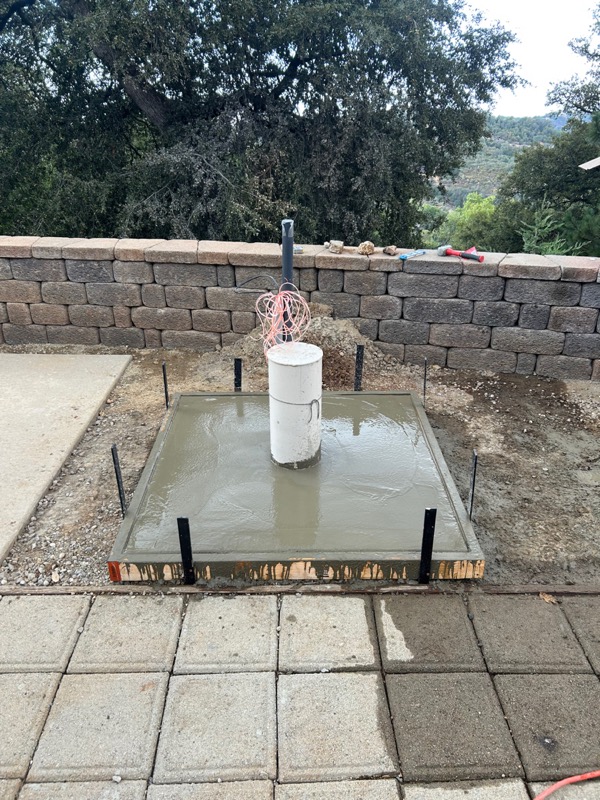
Growing avocados in Escondido? These water-loving trees need reliable, high-quality well water for healthy production. Southern California Well Service supports San Diego County avocado growers with specialized well services.
📋 In This Guide
- Avocado Water Demands
- Well Systems for Avocado Groves
- Chloride Sensitivity
- Partnering with Escondido Avocado Growers
- Related Articles
Avocado Water Demands
Avocados are thirsty trees:
- Mature tree: 40-70 gallons per day in summer
- Per acre: 4-6 acre-feet per year
- Critical periods: Fruit set and sizing
A reliable well is essential for profitable avocado production in San Diego County.
Well Systems for Avocado Groves
- High-capacity agricultural wells
- Storage tanks for peak demand periods
- Drip irrigation systems for efficiency
- Micro-sprinklers for young trees
- Pressure regulation for uniform coverage
Chloride Sensitivity
Avocados are highly sensitive to chloride in irrigation water. If your Escondido well has elevated chloride:
- Blending with lower-chloride water source
- Leaching irrigation to flush salts
- Rootstock selection for salt tolerance
- Regular soil and leaf testing
We test well water for avocado-critical parameters.
Partnering with Escondido Avocado Growers
Avocados are a major crop in San Diego County, and reliable water is essential for success. Contact us for well services designed for avocado production.
Need Help With Your Well in Escondido?
Our expert technicians serve Escondido and all of San Diego County with professional well services.
Related Articles
Continue learning about well maintenance and troubleshooting

Signs Your Well Pump Is Failing
Catch pump problems early before you lose water completely.
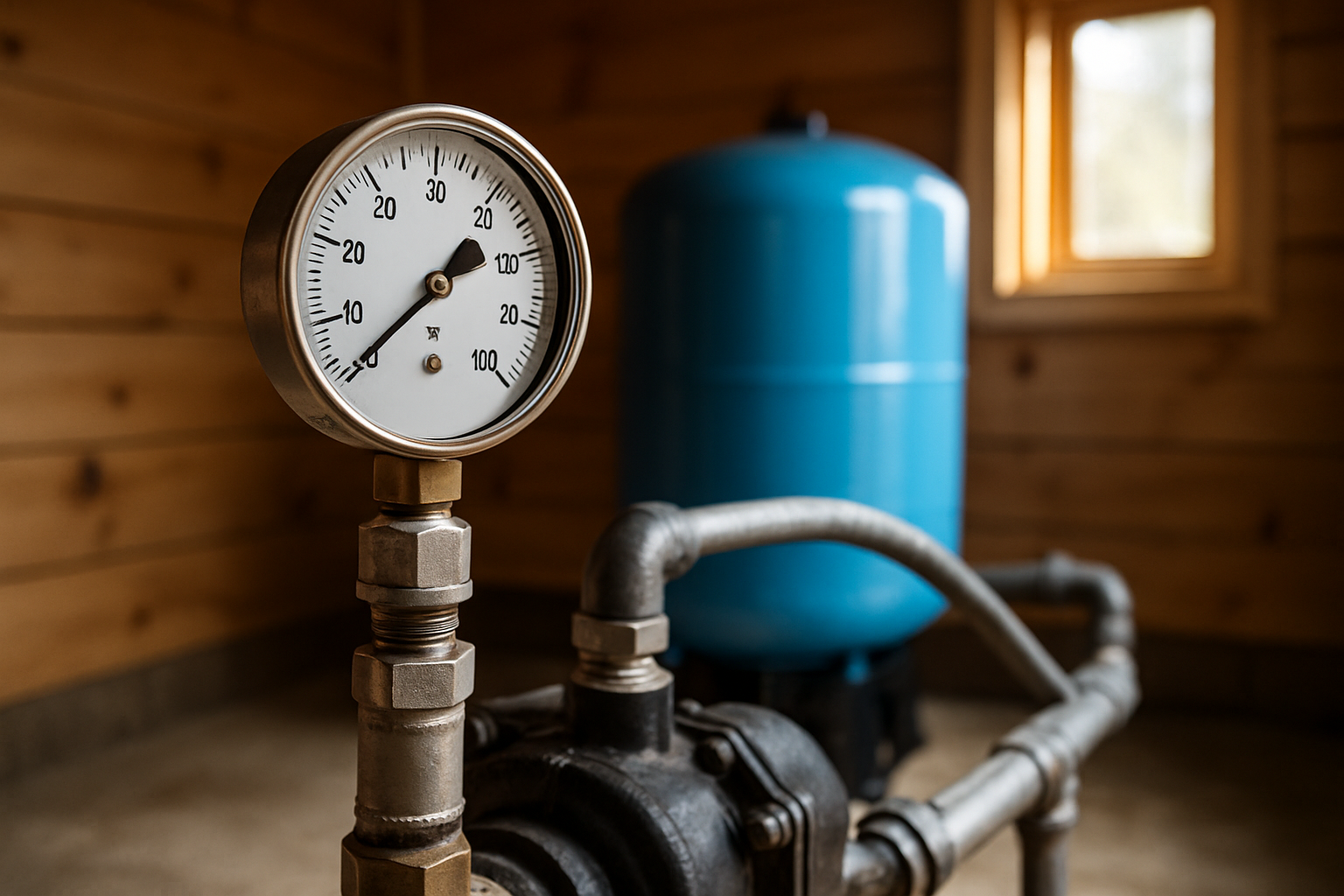
Low Water Pressure From Well
Diagnose and fix pressure problems before they get worse.
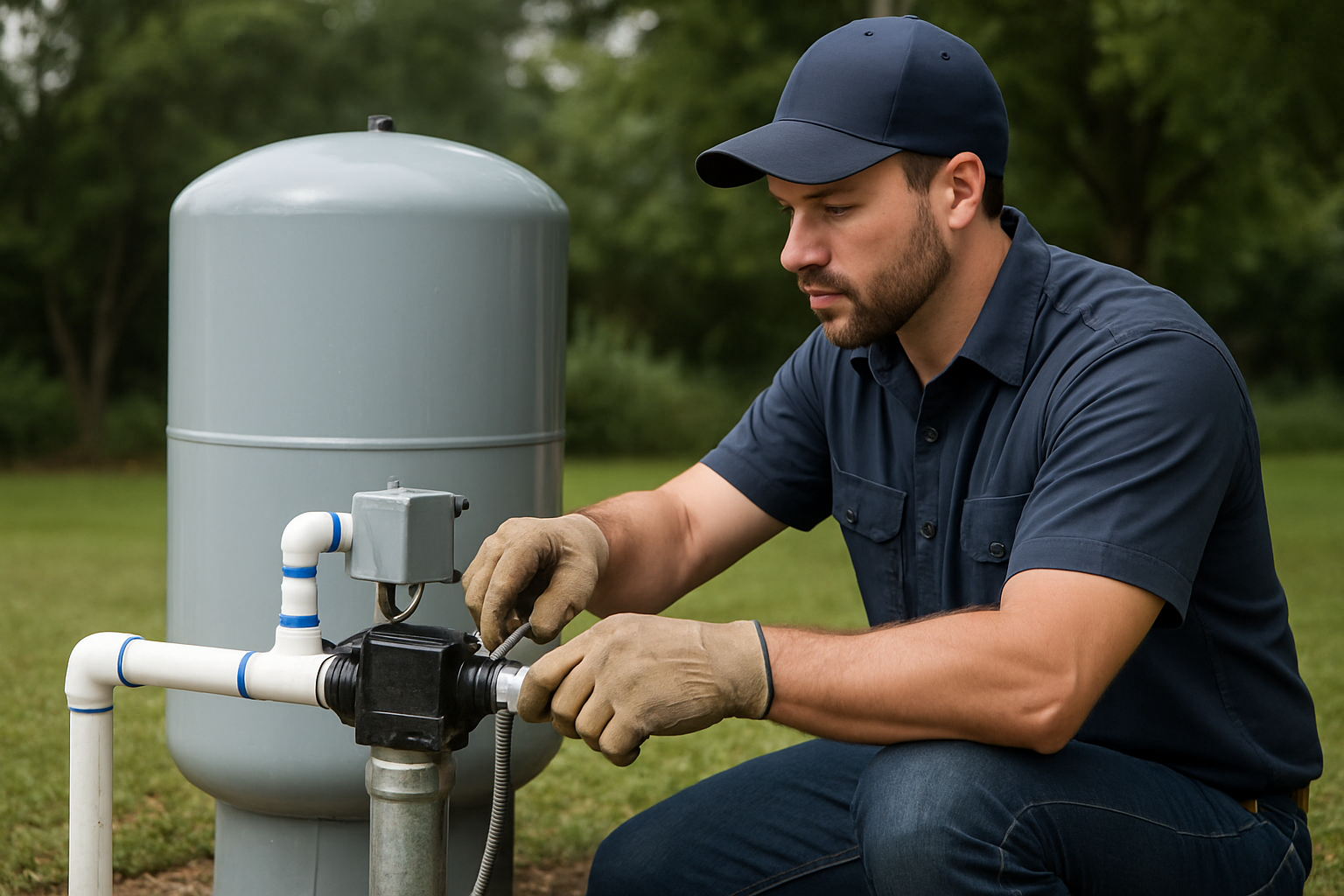
Well Maintenance Guide
Keep your well running smoothly with regular maintenance.
Our Locations
1077 Main St, Ramona, CA 92065
57174 US Highway 79, Anza, CA 92539
Reliable Well Water for Escondido's Avocado Country
Escondido sits in a broad inland valley ringed by granite hills, and for more than a century that bowl of decomposed granite and fractured tonalite has grown citrus, grapes, and Hass avocados. From the working farms of San Pasqual Valley to the slopes above Jesmond Dene, Daley Ranch, and the Hidden Meadows fringe, grove owners here lean on private wells to carry their trees through the long, rainless Southern California summer. Southern California Well Service has spent more than 30 years drilling, repairing, and maintaining agricultural wells across San Diego County, and our Ramona office is a short drive from most Escondido groves — close enough for same-day emergency response when a pump quits in August.
An avocado grove is an unforgiving customer. Unlike a row crop you can replant next season, a producing Hass tree represents five to ten years of investment, and a single stretch of water stress during fruit set or sizing can cost you a year of yield. That is why a grove well is not just a domestic well with a bigger pump — it is an irrigation system engineered around the tree's biology and around Escondido's specific geology and water chemistry.
How an Avocado Grove Well and Irrigation System Fits Together
Most successful Escondido grove systems share the same backbone, sized to the acreage and the well's sustained yield:
- The well and pump. In the valley's decomposed granite and fractured rock, productive wells are commonly finished around 200 to 400 feet. A submersible pump matched to the well's safe yield delivers water without over-drawing the column and burning up the motor.
- A storage tank. Many wells in fractured granite produce a modest but steady flow — say 10 to 30 gallons per minute — which is plenty over 24 hours but not enough to run a whole grove's drip lines at once. A storage tank lets the well refill around the clock while you irrigate from the tank during the daily window.
- A booster or constant-pressure system. Pulling from the tank, a booster pump pressurizes the grove so every micro-sprinkler and emitter sees uniform pressure, whether it sits at the bottom of the slope or up near the ridgeline.
- Drip and micro-sprinklers. Mature trees are usually watered with micro-sprinklers that wet the broad, shallow root zone; young trees often start on drip. Pressure regulation and good filtration keep emitters from clogging.
When all four pieces are matched correctly, the grove gets even, efficient water and the well lives a long life. When one piece is undersized — an over-pumped well, a tank that's too small, a booster fighting clogged filters — the whole system limps.
Avocado Water Demand and Escondido's Mineral-Rich Water
A mature avocado tree can drink 40 to 70 gallons on a hot Escondido day, and a producing acre often needs on the order of four to six acre-feet across the year. Demand peaks exactly when the valley is hottest and driest — July through September, during fruit sizing — so your well has to be at its best when conditions are at their worst.
The second challenge is chemistry. Avocados are famously sensitive to chloride and sodium; their leaves show tip burn when accumulated salts climb. Escondido's groundwater is frequently hard and mineral-rich, and during drought years — when the water table drops and the remaining water concentrates — chloride can creep up. The practical responses growers use include:
- Applying a deliberate leaching fraction — a little extra water beyond the tree's needs — to push salts below the root zone instead of letting them build.
- Blending well water with a lower-salinity source where one is available.
- Choosing salt-tolerant rootstocks when replanting.
- Testing soil and irrigation water regularly so you are managing numbers, not guesses.
We can pull a water sample and test for the parameters that actually matter to avocados — chloride, sodium, EC, and hardness — so you know what you're irrigating with before leaf burn tells you the hard way.
Common Well Problems We See on Escondido Groves
Across decades of San Diego County service, a handful of issues come up again and again on Escondido properties:
- Declining yield from the well. A grove that used to irrigate comfortably now runs short by late summer. Sometimes the aquifer has dropped; often the pump has worn, a screen has fouled with mineral scale, or the well has accumulated sediment that needs to be removed.
- Hard-water scale on pumps and pressure tanks. The valley's mineral content plates out on impellers and tank bladders, slowly choking output until pressure sags.
- Salt burn appearing in the canopy. Marginal leaf scorch that spreads through the grove is a classic chloride symptom — a water-chemistry problem, not a pest.
- Sediment and turbidity. Fine granite sand clogs filters and emitters and abrades pump components.
- Pump and electrical faults. Rural power fluctuations and aging control boxes take their toll on motors and pressure switches.
What to Check Before You Call — and When to Call a Pro
A grower can safely run through a few first checks. Confirm the well breaker hasn't tripped and the control panel shows no fault. Look at your pressure gauge: is it cycling normally, or hammering on and off rapidly (a sign of a waterlogged pressure tank)? Walk the lines for obvious leaks or a blown filter. Check whether one block of the grove is dry while another is fine — that points to a valve or pressure-regulation issue rather than the well itself.
Stop and call a licensed contractor when you have no water at all, when the pump runs but won't build pressure, when you smell a hot motor or see scorched wiring, or when leaf burn is creeping across the canopy and you need water testing. Pulling a submersible pump from a 300-foot well and diagnosing motor, wiring, and well-yield issues is not DIY work — doing it wrong can drop a pump down the casing or mask the real problem.
Realistic Costs for Escondido Grove Owners
Every well is different, but here are honest ranges so you can budget. Our diagnostic visit is $125, credited toward any work we perform. A failed pressure switch typically runs $150–$350, and a pressure tank $600–$1,500. A replacement submersible pump for a grove well generally falls between $2,500 and $5,500 depending on depth and horsepower. Sediment filtration runs $300–$900; a water softener for the household side $1,500–$3,500; and a constant-pressure or booster system $2,000–$4,500. If a tired well needs more water, hydrofracturing to open fractures runs $3,000–$8,000, and a brand-new turnkey well ranges from $18,000 to $42,000.
Serving Escondido and the Surrounding Valley
From our Ramona office we regularly serve Escondido groves in San Pasqual Valley, around Lake Wohlford and Dixon Lake, out toward Hidden Meadows and Valley Center, and west toward Rancho Bernardo. As a licensed C-57 water well contractor (CSLB #1086994) with a 4.9-star reputation, we handle the whole job — drilling, pump repair, water treatment, and irrigation pressure — rather than bouncing you between trades.
Frequently Asked Questions
How deep are wells on Escondido avocado groves?
It varies with location in the valley, but grove wells in Escondido's decomposed granite and fractured rock are commonly finished in the range of 200 to 400 feet. The right depth depends on where the productive fractures are, which is why a local driller's experience matters.
Why are my avocado leaves showing tip burn?
Marginal leaf burn that spreads through the grove is most often a sign of chloride or sodium accumulation in the root zone. In Escondido's mineral-rich groundwater this can worsen during dry years. Water testing plus a leaching irrigation strategy is the usual fix.
My well runs but the grove still goes dry in late summer. What's wrong?
Peak demand in July through September often exceeds what a worn pump or a fouled, sediment-filled well can deliver. The cause might be pump wear, mineral scale on the screen, a too-small storage tank, or a genuine drop in the water table. A diagnostic visit sorts out which.
Do I need a storage tank if my well already has good flow?
Often yes. Many Escondido wells produce a steady but moderate flow that is ample over 24 hours but cannot run an entire grove's irrigation at once. A storage tank lets the well refill around the clock so you can irrigate hard during your daily window.
How fast can you respond to an Escondido emergency?
Our Ramona office is a short drive from most Escondido groves, and we offer same-day emergency service when you have no water. A quick response in peak summer can be the difference between a stressed grove and a damaged one.
Talk to a Local Grove Well Specialist
If your Escondido grove well is losing yield, showing salt burn, or you just want a straight assessment before summer, call (760) 440-8520 or text (619) 259-0410. We will give you an honest evaluation, accurate numbers, and a plan to keep your trees watered through the next hot Escondido summer.