
Well Services for Fletcher Hills Avocado Groves
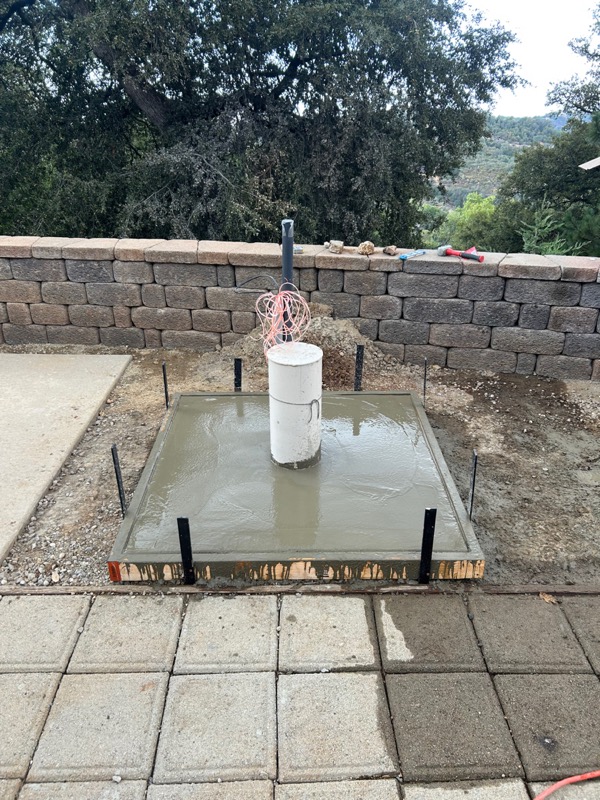
Growing avocados in Fletcher Hills? These water-loving trees need reliable, high-quality well water for healthy production. Southern California Well Service supports San Diego County avocado growers with specialized well services.
📋 In This Guide
- Avocado Water Demands
- Well Systems for Avocado Groves
- Chloride Sensitivity
- Partnering with Fletcher Hills Avocado Growers
- Related Articles
Avocado Water Demands
Avocados are thirsty trees:
- Mature tree: 40-70 gallons per day in summer
- Per acre: 4-6 acre-feet per year
- Critical periods: Fruit set and sizing
A reliable well is essential for profitable avocado production in San Diego County.
Well Systems for Avocado Groves
- High-capacity agricultural wells
- Storage tanks for peak demand periods
- Drip irrigation systems for efficiency
- Micro-sprinklers for young trees
- Pressure regulation for uniform coverage
Chloride Sensitivity
Avocados are highly sensitive to chloride in irrigation water. If your Fletcher Hills well has elevated chloride:
- Blending with lower-chloride water source
- Leaching irrigation to flush salts
- Rootstock selection for salt tolerance
- Regular soil and leaf testing
We test well water for avocado-critical parameters.
Partnering with Fletcher Hills Avocado Growers
Avocados are a major crop in San Diego County, and reliable water is essential for success. Contact us for well services designed for avocado production.
Need Help With Your Well in Fletcher Hills?
Our expert technicians serve Fletcher Hills and all of San Diego County with professional well services.
Related Articles
Continue learning about well maintenance and troubleshooting

Signs Your Well Pump Is Failing
Catch pump problems early before you lose water completely.
Low Water Pressure From Well
Diagnose and fix pressure problems before they get worse.
Well Maintenance Guide
Keep your well running smoothly with regular maintenance.
Our Locations
1077 Main St, Ramona, CA 92065
57174 US Highway 79, Anza, CA 92539
Wells, Backyard Avocados, and Hillside Irrigation in Fletcher Hills
Fletcher Hills is a hilly, well-treed suburban community on the western side of El Cajon in San Diego County, rising toward Mount Helix and bordering La Mesa and the Grossmont area. The neighborhood earns its name honestly: it is a landscape of slopes, view lots, and mature yards where homeowners have been planting fruit trees for generations. This is the warm inland-valley side of East County, where summer afternoons run hot and the Mediterranean climate is genuinely friendly to citrus and avocados. While Fletcher Hills is a residential area rather than a commercial grove district, plenty of its larger lots and hillside parcels carry backyard avocado and citrus trees, terraced ornamental landscaping, and in some cases a private or legacy well.
If you are growing a handful of Hass trees on a Fletcher Hills slope, keeping a hillside of plantings green through August, or trying to make sense of an older well that came with the house, the same well, pump, and irrigation know-how that keeps a working grove producing applies directly to your property. We bring our full C-57 toolkit to jobs of any size here.
How Well Water and Irrigation Support Avocado Trees
An avocado is a thirsty, fussy tree. A mature one can want 40 to 60 gallons on a hot El Cajon afternoon, and its feeder roots crowd the top few inches of soil, where they are vulnerable to both drying out and drowning. Whether the water comes from a private well or supplements municipal supply, the aim is steady, clean, low-salt delivery on a consistent schedule.
A practical Fletcher Hills setup usually combines:
- A pump sized to the well, often a submersible for deeper hillside wells.
- A pressure tank and switch to stop short-cycling and protect the pump.
- Storage capacity for slower wells, so they recover overnight and run irrigation strongly in the morning.
- Filtration and treatment to keep sediment and minerals out of drip lines.
- Drip or micro-spray irrigation tuned to the avocado's shallow root zone.
Drip is the right tool for avocados on a slope. It delivers a slow, even soak that the shallow roots can actually use, keeps foliage dry to reduce disease, and minimizes runoff down the hill, a real concern on Fletcher Hills's grades.
The Salt and Chloride Problem
Avocados are among the most salt-sensitive trees you can plant. Brown, scorched leaf tips that creep inward are the classic warning that chloride or dissolved salts in the irrigation water are building up in the soil. East County wells can carry elevated minerals, so before recommending equipment we test for total dissolved solids, chloride, sodium, and hardness. Knowing the chemistry first prevents wasted money on the wrong fix.
Common Well and Water Issues in Fletcher Hills
The community's slopes, established homes, and inland heat produce a familiar pattern of problems:
- Pressure loss up the hill — water struggles to reach trees and plantings at the top of a sloped lot.
- Short-cycling pumps — a waterlogged pressure tank makes the pump click on and off and shortens its life.
- Summer demand spikes — irrigation loads peak just as the inland heat stresses trees most.
- Clogged emitters — sediment and scale block drip emitters, creating dry spots.
- Aging wells and equipment — older Fletcher Hills properties often have decades-old wells, pumps, or tanks nearing the end of their service life.
What You Can Check Before Calling
A quick walk-around often pinpoints the issue and can save a service call:
- Listen to the pump. Rapid clicking on and off usually means a pressure tank or switch problem rather than a failed pump.
- Read the pressure gauge. Home systems should cycle roughly between 40 and 60 psi; an erratic or stuck needle is telling.
- Look at the water. Cloudiness, grit, orange staining, or a sulfur smell each point to a different cause.
- Inspect your drip lines. Dry zones near trees usually mean clogging or low pressure, not a sick plant.
- Check the breaker. A tripped well breaker is the most common and easiest "no water" cause to rule out.
If those basics look fine and water still will not flow, stop and call rather than guessing. A pump that runs dry can be ruined quickly.
When to Call a Licensed Professional
Homeowners can safely reset a breaker or change a sediment cartridge. Anything involving the wellhead, the pump, the electrical, or the pressure system belongs with a licensed C-57 contractor. Pulling a submersible pump, diagnosing a falling water level, or working with electricity near water is hazardous and easy to get wrong. With more than 30 years of work across San Diego County and a 4.9-star reputation, our crews do it safely and tell you honestly when a repair beats a full replacement.
Why Local Experience Counts
East County's geology is anything but uniform. Around Fletcher Hills and the Mount Helix area, wells often draw from fractured crystalline rock of the Peninsular Ranges, where yield depends heavily on intercepting the right fractures and depths vary sharply from lot to lot. A technician who works this terrain regularly can interpret those clues, size equipment correctly, and avoid the expensive trial-and-error an out-of-area outfit might run up. It also means we can reach you quickly when a pump quits on a hot day.
Many Fletcher Hills properties also blend a working irrigation well with city water, switching between the two depending on the season and the trees' demand. We can help you set up that kind of dual system, including the backflow protection and controls that keep it code-compliant and reliable, so your avocados and landscaping get the water they need without driving your municipal bill through the roof during the hottest months.
Realistic Cost Ranges
Every property differs, but these are the figures we typically quote in the Fletcher Hills area:
- Diagnostic visit: $125, credited toward any work performed.
- Pressure switch: $150 to $350.
- Pressure tank: $600 to $1,500.
- Pump replacement: $2,500 to $5,500 depending on depth and horsepower.
- Sediment filtration: $300 to $900.
- Iron, manganese, or softening: $1,500 to $3,500.
- Constant-pressure or booster system: $2,000 to $4,500, often the answer for a sloped lot.
- New turnkey well: $18,000 to $42,000.
- Hydrofracturing to improve yield: $3,000 to $8,000.
- Well abandonment or decommissioning: $1,500 to $5,000.
You always get a clear written estimate before work begins.
Serving Fletcher Hills and East County San Diego
From our Ramona and Anza offices, our technicians cover Fletcher Hills and the surrounding East County communities, including El Cajon, La Mesa, the Mount Helix and Grossmont areas, and out toward Rancho San Diego and Granite Hills. As San Diego County locals, we understand the slopes, the fractured-rock wells, and the inland heat that backyard avocado and landscape growers face here. When you call, you reach people who know the area, with same-day service available for emergencies.
Frequently Asked Questions
Can avocados really thrive in Fletcher Hills?
On a backyard scale, yes. The warm inland-valley climate suits avocados and citrus well. The main constraints are water quality and consistent irrigation rather than the weather, so we recommend testing the water first and matching irrigation to the tree's shallow roots.
How deep are wells around Fletcher Hills?
Depths vary widely because wells here often tap fractured crystalline rock, and yield depends on hitting productive fractures. Neighboring lots can have very different depths, so we assess each well individually rather than assuming a standard depth.
Why do my avocado leaves have brown, crispy edges?
That tip burn is usually salt or chloride accumulation from irrigation water rather than sunburn. We can test the water and recommend leaching, blending, or treatment before the tree suffers lasting damage.
My pump keeps cycling on and off rapidly. Is it failing?
Probably not the pump itself. Rapid cycling almost always points to a waterlogged pressure tank or a worn pressure switch, which is an affordable fix that protects the costlier pump.
Do you handle small backyard systems as well as big wells?
Yes. Much of our Fletcher Hills work is residential, a pump, a tank, a filter, and a drip system for a few fruit trees and landscaping. No job is too small.
How fast can you get out for a no-water emergency?
We offer same-day emergency service whenever possible. Call the moment you lose water, and avoid running the pump in case the well has gone dry.
Reach a Local Well Expert Today
Whether you are keeping a hillside avocado producing, watering a slope of landscaping, or rehabbing an old well on a Fletcher Hills property, Southern California Well Service is ready to help. We are licensed C-57, family-run for more than 30 years, rated 4.9 stars, and available for same-day emergencies. Call (760) 440-8520, text (619) 259-0410, or request a free estimate. Let's get your water working the way it should.