
Well Services for Harbison Canyon Avocado Groves
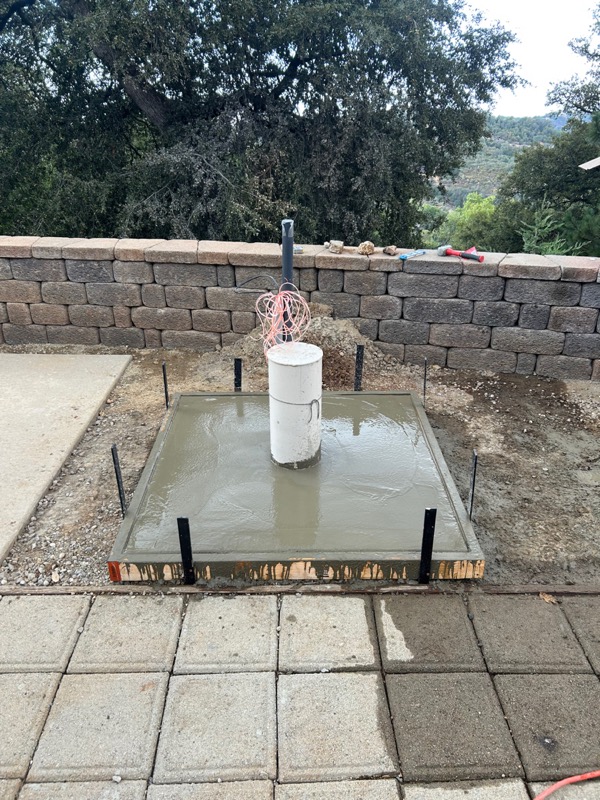
Growing avocados in Harbison Canyon? These water-loving trees need reliable, high-quality well water for healthy production. Southern California Well Service supports San Diego County avocado growers with specialized well services.
📋 In This Guide
- Avocado Water Demands
- Well Systems for Avocado Groves
- Chloride Sensitivity
- Partnering with Harbison Canyon Avocado Growers
- Related Articles
Avocado Water Demands
Avocados are thirsty trees:
- Mature tree: 40-70 gallons per day in summer
- Per acre: 4-6 acre-feet per year
- Critical periods: Fruit set and sizing
A reliable well is essential for profitable avocado production in San Diego County.
Well Systems for Avocado Groves
- High-capacity agricultural wells
- Storage tanks for peak demand periods
- Drip irrigation systems for efficiency
- Micro-sprinklers for young trees
- Pressure regulation for uniform coverage
Chloride Sensitivity
Avocados are highly sensitive to chloride in irrigation water. If your Harbison Canyon well has elevated chloride:
- Blending with lower-chloride water source
- Leaching irrigation to flush salts
- Rootstock selection for salt tolerance
- Regular soil and leaf testing
We test well water for avocado-critical parameters.
Partnering with Harbison Canyon Avocado Growers
Avocados are a major crop in San Diego County, and reliable water is essential for success. Contact us for well services designed for avocado production.
Need Help With Your Well in Harbison Canyon?
Our expert technicians serve Harbison Canyon and all of San Diego County with professional well services.
Related Articles
Continue learning about well maintenance and troubleshooting

Signs Your Well Pump Is Failing
Catch pump problems early before you lose water completely.
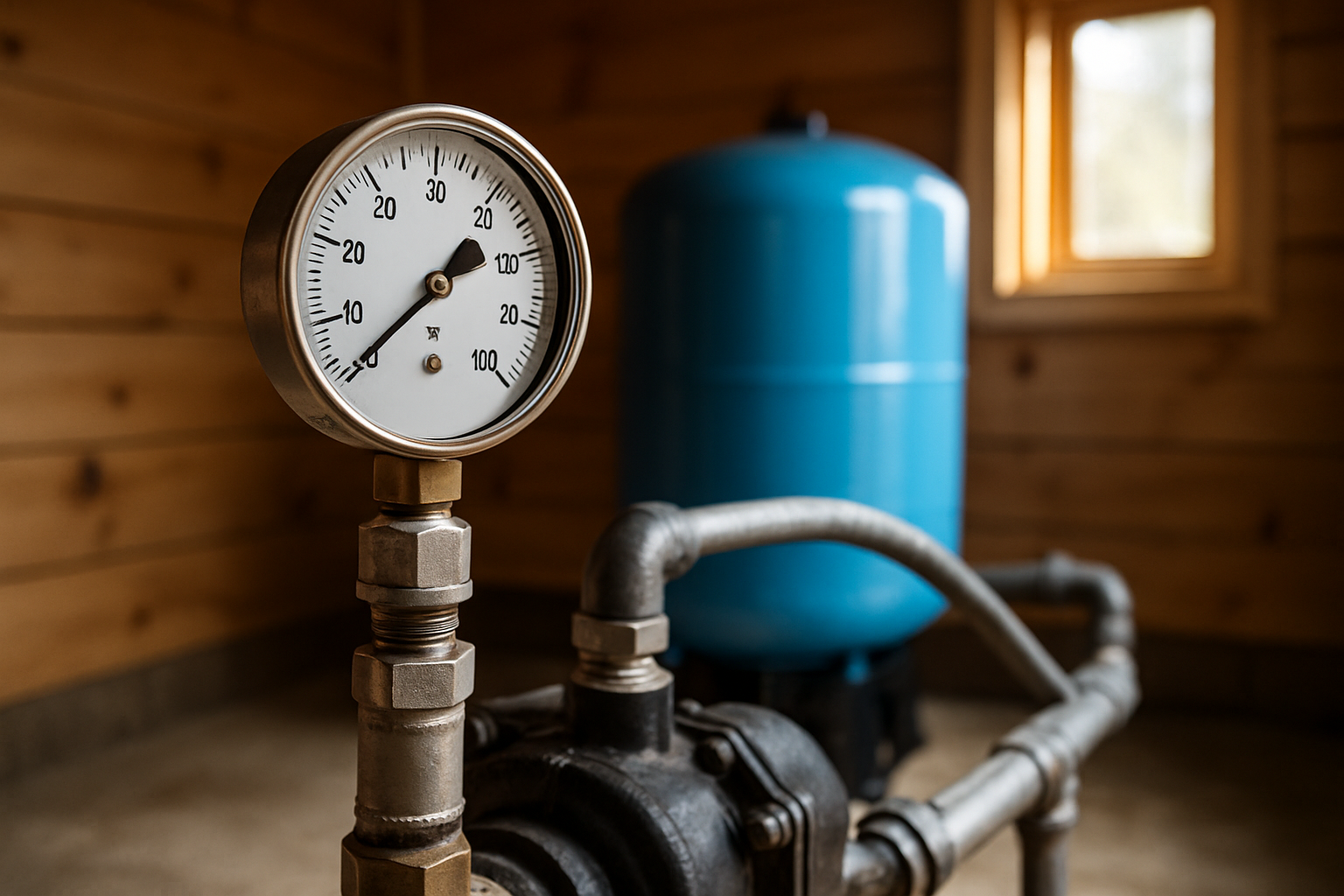
Low Water Pressure From Well
Diagnose and fix pressure problems before they get worse.
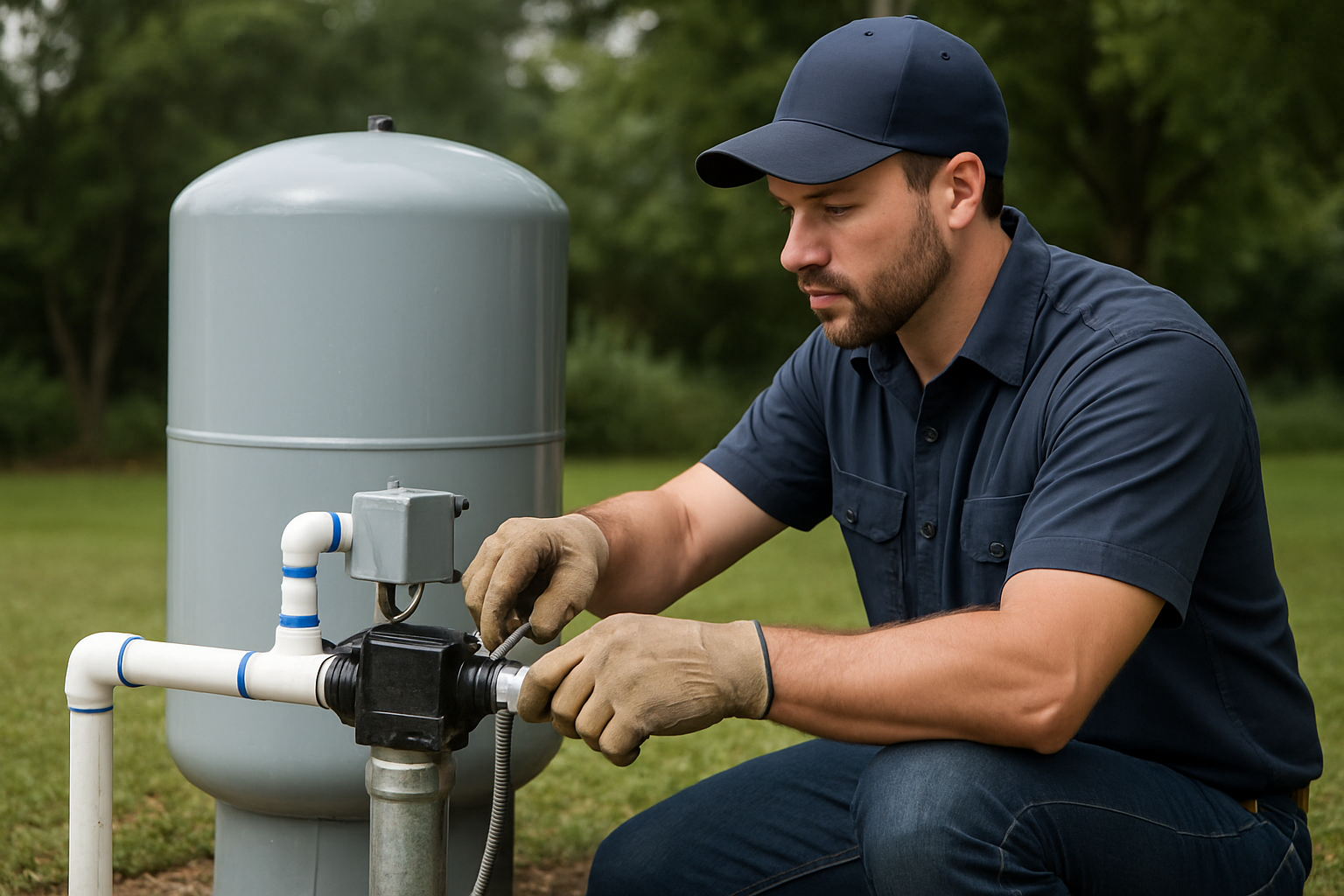
Well Maintenance Guide
Keep your well running smoothly with regular maintenance.
Our Locations
1077 Main St, Ramona, CA 92065
57174 US Highway 79, Anza, CA 92539
Well Water for Groves in Harbison Canyon
Harbison Canyon is a tucked-away community in the oak-shaded hills southeast of El Cajon, strung along the canyon floor between Crest, Alpine, and the Dehesa Valley. It is rural by character and rural by infrastructure: large lots, towering coast live oaks, and properties that depend on private wells rather than a municipal main. For the growers and homesteaders tending avocados and citrus on these canyon slopes, the well is the lifeline that keeps a grove green through San Diego County's long, rainless summers.
Southern California Well Service has served the canyon and the surrounding backcountry for more than three decades. We understand the specific quirks of Harbison Canyon wells and what it takes to keep water flowing reliably to a hillside grove.
Decomposed Granite and Canyon Groundwater
The geology beneath Harbison Canyon is the granitic bedrock of the Peninsular Ranges, weathered to decomposed granite near the surface and laced with fractures deeper down. Groundwater here is a fracture-flow story: it accumulates and moves through cracks in the rock, so a well's productivity hinges on whether the borehole intersects those water-bearing zones. Wells in the canyon commonly run between 200 and 500 feet, and yields differ sharply from one property to the next. The canyon bottom, where runoff concentrates, sometimes offers better recharge than the higher slopes, but every site is its own case.
Two facts follow for avocado growers. A well that comfortably supplies a home may fall well short of a grove's much larger appetite, and the mineral content of granitic groundwater can be high enough to matter for a salt-sensitive crop like avocado.
Wildfire Country and Well Resilience
Harbison Canyon knows fire. The community was hit hard in the 2003 Cedar Fire, and like much of this chaparral-and-oak backcountry it lives with ongoing wildfire risk. That reality is part of how we think about grove water systems here. A well with on-site storage is not only good for irrigation peaks; a substantial water reserve is a genuine asset for defensible space and recovery. We install controls and protection that help pumps survive the power outages and surges that accompany fire season, and we can advise on backup power so a grove is not left dry when the grid goes down.
Sizing Water Supply to a Harbison Canyon Grove
A mature avocado tree in this warm inland climate can use 40 to 70 gallons on a hot day, and a planted acre needs roughly four to six acre-feet annually. Demand is heaviest during spring fruit set and the summer sizing months, exactly when a marginal well struggles most. We design canyon grove systems for that peak day, not the easy average.
For the modest-yield fractured-rock wells common here, a storage tank is usually the centerpiece of a good system. The well fills the tank overnight while the aquifer recovers, and a booster pump then delivers full irrigation flow during the day. This protects the well from over-pumping, evens out delivery to the trees, and provides a reserve for both irrigation gaps and emergencies. On the canyon's uneven terrain, pressure regulation is essential to water every tree evenly.
Avocados and Water Chemistry
Avocados are among the most salt-intolerant crops grown commercially, and chloride is the main culprit. Granitic groundwater in Harbison Canyon can carry enough dissolved salt to cause leaf-tip burn and shrinking yields long before a person would notice anything wrong with the tap water. We test grove wells for the avocado-critical parameters and then recommend a practical course, leaching irrigation, blending, salt-tolerant rootstock, or treatment, based on your actual water rather than guesswork.
Common Harbison Canyon Well Problems
- Slow yield decline as scale and fine sediment clog the fractures feeding the well; rehabilitation often restores much of the loss.
- Pump wear and failure from hard, abrasive water and household-sized pumps run on grove duty cycles.
- Short-cycling from a failed pressure-tank bladder, a fast path to a burned-out motor.
- Drawdown during drought that exposes a pump set too high in the well.
- Power disruptions common in this backcountry and around fire season, which damage unprotected pumps.
Clear Pricing for Canyon Grove Owners
A diagnostic visit is $125, credited toward any work performed. A pressure switch runs $150 to $350 and a pressure tank $600 to $1,500. Replacing a submersible pump generally costs $2,500 to $5,500 depending on depth and horsepower. Sediment filtration runs $300 to $900, and a constant-pressure or booster system for tank-fed irrigation typically lands $2,000 to $4,500. Hydrofracturing to restore a low-yield well runs $3,000 to $8,000, far less than drilling new, and a complete turnkey well, when truly needed, ranges from $18,000 to $42,000.
When to Call, and Why Growers Choose Us
Call promptly if you see falling pressure, air in the lines, gritty or discolored water, or a pump that runs nonstop or cycles rapidly, early action usually means an affordable fix instead of an emergency. As a licensed C-57 water well drilling contractor with offices in Ramona and Anza, we reach Harbison Canyon quickly and offer same-day emergency service. Our 4.9-star reputation rests on honest recommendations and work that lasts. Call (760) 440-8520 or text (619) 259-0410.
Planning a New Well or Grove in the Canyon
If you are putting in new trees or replacing a tired well, the canyon's fractured-rock geology rewards careful planning. We begin by measuring a well's true sustainable yield across a full pumping cycle, not a brief test, because a fracture-fed well can run strong for a few minutes and then taper. We then match the grove's peak-season demand to that yield and design storage and pumping to bridge any shortfall. When a new well is the right call, siting it well, reading local fracture patterns and the records of nearby wells, separates a dependable producer from a disappointment. We also build in drought resilience from the start, since multi-year dry spells are routine in San Diego County and a grove should be built to outlast them.
Efficient Irrigation on Canyon Slopes
Because every gallon in Harbison Canyon is pumped from your own well, irrigation efficiency protects both your trees and your costs. We commonly pair grove wells with well-tuned drip and micro-sprinkler systems, pressure regulation that compensates for elevation changes across sloping ground, and storage that lets you irrigate during cooler hours to limit evaporation. Young trees do best on low-volume micro-sprinklers, while mature blocks thrive on properly zoned drip that keeps the whole grove in its ideal moisture range. Efficient delivery means healthier trees, lower pumping bills, and less strain on the well.
Caring for an Established Grove
Once trees are in the ground, steady well performance is what keeps them productive year after year. We offer scheduled maintenance that catches small problems, a tired pressure tank, an early-stage pump issue, creeping sediment, before they become a dry grove during the hottest stretch of summer. Regular water testing tracks any drift in chloride or hardness so you can adjust irrigation or treatment before the trees show stress. For canyon growers whose livelihood or landscape depends on a single well, that kind of preventive attention is the cheapest insurance available.
Frequently Asked Questions
How deep are wells in Harbison Canyon?
Most are drilled into fractured granitic rock between roughly 200 and 500 feet. Because groundwater moves through fractures, yields vary widely between properties; the canyon bottom sometimes recharges better than the higher slopes, but every site differs.
Can a Harbison Canyon well support a grove?
A household well often cannot meet a grove's much larger demand. We evaluate a well's sustainable yield over a full pumping cycle, and where it is modest, a storage tank and booster pump frequently let a smaller well irrigate a grove reliably.
Is well water storage useful for wildfire safety here?
Yes. Harbison Canyon lives with real wildfire risk, and a substantial on-site water reserve helps with both irrigation peaks and defensible space. We also install controls and can advise on backup power so pumps keep working during outages.
Why is my well water harming my avocado trees?
Granitic groundwater can carry chloride and salts that avocados tolerate poorly, causing leaf-tip burn and reduced yield. We test for avocado-critical parameters and recommend leaching, blending, salt-tolerant rootstock, or treatment.
Can a low-yield canyon well be improved?
Often, yes. Hydrofracturing reopens clogged fractures and frequently restores yield for $3,000 to $8,000, far less than a new well. Rehabilitation to clear scale and sediment is another option.
Do you offer emergency service to Harbison Canyon?
Yes. From our Ramona and Anza offices we provide same-day emergency response when a grove or home loses water. Call (760) 440-8520 or text (619) 259-0410.