
Well & Grove Irrigation Service for Hemet Avocado and Citrus
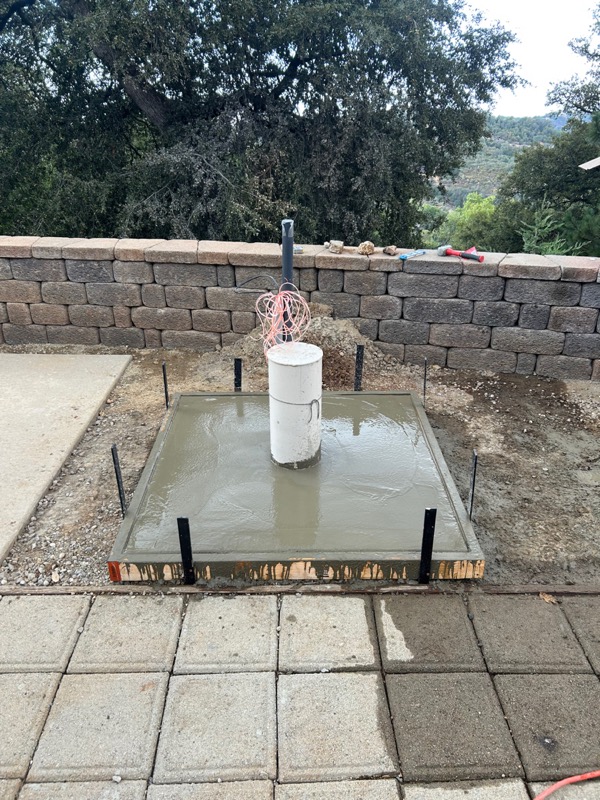
Hemet anchors the San Jacinto Valley in southwestern Riverside County, a community with deep agricultural roots beneath the San Jacinto Mountains. The valley’s farming heritage — citrus, avocado, olives, and row crops — runs back generations, and grove and acreage owners around Hemet, Valle Vista, and East Hemet still depend on private wells and irrigation to keep trees productive through hot inland summers. Southern California Well Service supports those growers with well, pump, and grove-irrigation services tuned to real San Jacinto Valley conditions.
📋 In This Guide
- Groundwater in the San Jacinto Valley
- How Well Water Reaches Your Grove
- Common Grove-Well Scenarios in Hemet
- What to Check Before You Call
- When to Call a Licensed Pro
- Realistic Cost Ranges
- Serving Hemet and the San Jacinto Valley
- Meeting Grove Demand Through Fruit Set and Sizing
- Salt Sensitivity and Water Quality for Hemet Avocados
- Keeping a Hemet Grove Well Productive
- What to Expect When You Call Us
- Hemet Avocado & Grove Well FAQ
- Related Articles
Groundwater in the San Jacinto Valley
Hemet sits on the alluvial fill of the San Jacinto Valley — deep sand, gravel, and clay washed down from the San Jacinto and surrounding ranges. That gives the valley a genuine agricultural aquifer, and Hemet-area wells generally draw steadier yields than the fractured-rock wells of the San Diego backcountry. But it’s a heavily used basin: groundwater levels respond to drought and to decades of agricultural pumping, and inland valley water often carries hardness, iron, and sometimes nitrate that growers need to manage.
For a Hemet avocado or citrus grower, the well is the heart of the operation. We size and maintain systems around the valley’s real conditions so trees get consistent, good-quality water through fruit set, sizing, and the worst of summer.
How Well Water Reaches Your Grove
A productive Hemet grove well moves water through stages where any weak link stresses the trees:
- High-capacity submersible pump lifting water from the valley aquifer to meet acre-scale demand.
- Pressure tank, switch, and controls stabilizing the system.
- Storage letting the well refill and banking a reserve for peak irrigation.
- Drip and micro-sprinkler irrigation delivering uniform water to each tree without waste.
Avocados are notably salt- and chloride-sensitive and need consistent moisture during fruit set and sizing, so we lean on filtered drip with frequent, measured cycles and monitor water quality — hardness, chloride, iron, and nitrate — that matters most for a productive grove.
Common Grove-Well Scenarios in Hemet
Across years of San Jacinto Valley service, the grove-well issues we see most in Hemet include:
- Declining water levels in late summer and drought years as valley pumping peaks.
- Pumps undersized for grove demand, struggling to keep up during fruit sizing.
- Hard water and iron scaling and clogging drip emitters across the grove.
- Nitrate in agricultural-area groundwater that may warrant testing and treatment.
- Aging wells that benefit from rehabilitation or hydrofracturing to recover yield.
What to Check Before You Call
Useful checks before you call:
- Read the pressure gauge and watch the pump’s cycling pattern.
- Check the pump breaker for a trip.
- Tap the pressure tank to detect a waterlogged tank.
- Walk the drip and micro-sprinkler lines for clogs, breaks, and dry rows.
- Note any change in water clarity, staining, or smell.
Pump pulls and wellhead work should be left to a licensed crew.
When to Call a Licensed Pro
Call us for no water during the growing season, a pump that can’t keep up with the grove, repeated breaker trips, or water-quality problems threatening salt-sensitive trees. As a licensed C-57 well contractor with 30-plus years in Riverside, San Diego, and San Bernardino counties, we handle high-capacity pump work, well rehabilitation, hydrofracturing, nitrate and hardness treatment, and complete grove-irrigation design.
Realistic Cost Ranges
Hemet-area budget ranges; the $125 diagnostic is credited toward any repair:
- Pressure switch: $150–$350
- Pressure tank: $600–$1,500
- Submersible pump: $2,500–$5,500
- Sediment filtration: $300–$900
- Iron/manganese or softener: $1,500–$3,500
- Constant-pressure / booster: $2,000–$4,500
- Hydrofracturing to improve yield: $3,000–$8,000
- New turnkey grove well: $18,000–$42,000
Serving Hemet and the San Jacinto Valley
Hemet is central to our Riverside County service area. From our Anza office at 57174 CA-371 (US Hwy 79) we reach Hemet, San Jacinto, Valle Vista, East Hemet, Winchester, and the surrounding valley quickly — which matters when a grove can’t miss an irrigation set. Our Ramona office at 1077 Main St supports the San Diego side. Call (760) 440-8520 or text (760) 219-5877. We’re rated 4.9 stars with same-day emergency service.
Meeting Grove Demand Through Fruit Set and Sizing
An avocado or citrus grove around Hemet doesn’t place a steady demand on its well — it places a rising one through the hottest part of the year, peaking exactly when the San Jacinto Valley aquifer is under the most pressure from basin-wide pumping. A mature avocado tree can transpire 40 to 70 gallons on a hot summer day, and at four to six acre-feet per acre per year, an acre-scale grove needs a system engineered for that load, not a household-grade setup pressed into service.
We size grove wells and pumps to carry the property through fruit set and sizing, when consistent moisture most directly determines yield and fruit quality. Where the well’s instantaneous yield is the limiting factor, storage bridges the gap — refilling around the clock and delivering concentrated irrigation sets in the cool morning hours. The aim is a grove that never goes short during the make-or-break months, which is what separates a profitable block from a disappointing one.
Salt Sensitivity and Water Quality for Hemet Avocados
Avocados are among the most salt- and chloride-sensitive trees a Hemet grower can plant, and San Jacinto Valley groundwater can carry hardness, iron, and chloride that the trees feel long before a person tasting the water would. Chronic chloride exposure scorches leaf margins, weakens the canopy, and steadily erodes yield, so for an avocado grower water quality isn’t a comfort issue — it’s a production issue with real dollars attached.
That’s why we treat a water analysis as part of grove planning. Knowing your chloride, total dissolved solids, hardness, iron, and nitrate lets us recommend the right filtration, plan periodic leaching irrigations to flush salts below the root zone, and guide rootstock selection toward salt tolerance. For citrus and other valley crops the tolerances differ, and matching the planting and the irrigation strategy to your specific well water protects the long-term investment a grove represents.
Keeping a Hemet Grove Well Productive
A grove well works hard, and the cost of an unplanned failure during the irrigation season is measured in stressed trees and lost fruit, not just a repair bill. Preventive maintenance is cheap insurance. An annual inspection — ideally each spring before demand climbs — covers the pump’s amperage and performance, the pressure tank and controls, and the condition of filters and emitters across the irrigation network, catching wear before it becomes a breakdown.
For aging wells that have served a Hemet property for decades, rehabilitation can restore lost capacity by clearing mineral and sediment buildup, and hydrofracturing can recover yield in wells that have declined. We assess each well’s history before recommending work, and we pair that with periodic water testing so any trend in salinity or nitrate is caught early — protecting both the equipment and the salt-sensitive trees that depend on it.
What to Expect When You Call Us
When you call about a Hemet grove or acreage, we start by understanding your trees, your irrigation setup, and how the well has been performing — because the stakes during the growing season are high and arriving prepared matters. If a grove is going without water, we treat it as the emergency it is. Our on-site diagnostic is a flat $125, credited toward any repair we perform.
You’ll get a straight, grower-to-grower assessment and honest options, whether that’s a targeted pump or tank repair, added storage to carry the grove through fruit sizing, water treatment to protect salt-sensitive avocados, or rehabilitation of an aging well. With more than 30 years in the San Jacinto Valley, we understand what a productive grove needs and we won’t sell you more than the situation calls for. Protecting your trees and your yield is the whole point.
Frequently Asked Questions: Hemet Wells & Irrigation
Is Hemet good avocado-growing country?
Yes — the San Jacinto Valley has a long agricultural heritage including citrus and avocado. With a reliable well, good water quality, and efficient drip irrigation, grove and hobby-grove production is well established here.
How deep are agricultural wells around Hemet?
Hemet-area wells draw from the deep alluvial aquifer of the San Jacinto Valley rather than rock, with depths varying across the basin. Yields are generally steadier than backcountry rock wells, though levels respond to drought and heavy area pumping.
Why are my drip emitters clogging?
Usually hard-water scale, iron, or sediment from the valley aquifer. Filtration and, where needed, softening or iron treatment ($1,500–$3,500) keep emitters flowing and the grove evenly watered.
Should I test for nitrate?
In a long-farmed valley like San Jacinto, yes. Nitrate can be elevated in agricultural groundwater. If testing shows high levels, we can design treatment for household and sensitive-tree use.
My grove well’s output falls every summer — can I fix it?
Late-summer declines are common as valley demand peaks. Adding storage smooths delivery, and rehabilitation or hydrofracturing can recover capacity in an aging well.
What does a diagnostic visit cost?
$125, credited toward any repair we perform, so the assessment effectively pays for itself once you move forward.
Need Help With Your Well in Hemet?
Our expert technicians serve Hemet and all of Riverside County with professional well, pump, and irrigation services.
Related Articles
Continue learning about well maintenance and troubleshooting

Signs Your Well Pump Is Failing
Catch pump problems early before you lose water completely.

Low Water Pressure From Well
Diagnose and fix pressure problems before they get worse.

Well Maintenance Guide
Keep your well running smoothly with regular maintenance.
Our Locations
1077 Main St, Ramona, CA 92065
57174 CA-371 (US Hwy 79), Anza, CA 92539