
Well Services for Highland Avocado Groves
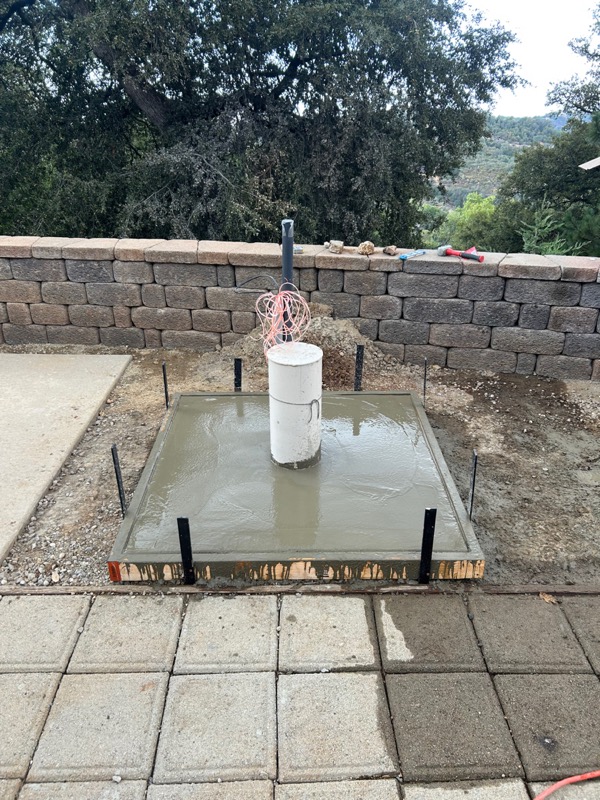
Growing avocados in Highland? These water-loving trees need reliable, high-quality well water for healthy production. Southern California Well Service supports San Bernardino County avocado growers with specialized well services.
📋 In This Guide
- Avocado Water Demands
- Well Systems for Avocado Groves
- Chloride Sensitivity
- Partnering with Highland Avocado Growers
- Related Articles
Avocado Water Demands
Avocados are thirsty trees:
- Mature tree: 40-70 gallons per day in summer
- Per acre: 4-6 acre-feet per year
- Critical periods: Fruit set and sizing
A reliable well is essential for profitable avocado production in San Bernardino County.
Well Systems for Avocado Groves
- High-capacity agricultural wells
- Storage tanks for peak demand periods
- Drip irrigation systems for efficiency
- Micro-sprinklers for young trees
- Pressure regulation for uniform coverage
Chloride Sensitivity
Avocados are highly sensitive to chloride in irrigation water. If your Highland well has elevated chloride:
- Blending with lower-chloride water source
- Leaching irrigation to flush salts
- Rootstock selection for salt tolerance
- Regular soil and leaf testing
We test well water for avocado-critical parameters.
Partnering with Highland Avocado Growers
Avocados are a major crop in San Bernardino County, and reliable water is essential for success. Contact us for well services designed for avocado production.
Need Help With Your Well in Highland?
Our expert technicians serve Highland and all of San Bernardino County with professional well services.
Related Articles
Continue learning about well maintenance and troubleshooting

Signs Your Well Pump Is Failing
Catch pump problems early before you lose water completely.
Low Water Pressure From Well
Diagnose and fix pressure problems before they get worse.
Well Maintenance Guide
Keep your well running smoothly with regular maintenance.
Our Locations
1077 Main St, Ramona, CA 92065
57174 US Highway 79, Anza, CA 92539
Well Water for Highland's Citrus Groves and Rural Homes
Highland lies just east of San Bernardino, where the valley floor meets the foothills of the San Bernardino Mountains. Citrus has deep roots here, and stands of orange and lemon trees still grow across the older neighborhoods and along the edges of East Highlands and the rural slopes climbing toward the mountains. Many groves and rural homes in and around Highland rely on a private well, drawing from the same aquifers fed by Santa Ana River and City Creek runoff. When you depend on that well, the health of your trees and the comfort of your household hinge on a system most owners rarely think about until something stops working.
Southern California Well Service has spent more than three decades servicing agricultural and domestic wells across San Bernardino County. Highland's setting, between the productive alluvial basin of the valley and the harder granitic bedrock of the foothills, means well conditions can change significantly from one property to the next. That geology determines drilling depth, sustainable yield, and water chemistry. A grower irrigating several acres of citrus and a homeowner on a single lot both deserve a system designed for the actual ground beneath them, not a one-size-fits-all guess.
How an Irrigation Well Keeps a Citrus Grove Healthy
Citrus needs consistent water through the hot months, and the well system is what makes that possible. Knowing the components helps you recognize early warning signs.
- Well and casing. Drilled into the water-bearing formation and lined to stay clean and stable. Valley-side Highland wells often produce at moderate depths; foothill wells may go deeper into fractured rock.
- Submersible pump. Sized to the grove's acreage and peak gallons-per-minute, it lifts water from the aquifer to the surface.
- Pressure tank and switch. The tank stores pressurized water and prevents short-cycling; the switch governs when the pump runs. Both are frequent, inexpensive repair items.
- Irrigation delivery. Micro-sprinklers and drip emitters tuned for citrus deliver water uniformly, so trees on higher ground get the same supply as those below.
- Filtration and treatment. Sediment and, where needed, mineral treatment keep emitters and equipment clear.
The aim is straightforward: enough clean water, at steady pressure, exactly when the trees need it through bloom, fruit set, and summer sizing.
Common Well Issues Around Highland
Declining yield in dry years
Drought lowers the regional water table, and a grove well can begin to fall behind. Telltale signs include longer pump run times, air in the lines, and pressure that fades during a long irrigation set. Depending on the cause, the answer may be lowering the pump, rehabilitating the well, or hydrofracturing to open new water-bearing fractures.
Hard water and mineral scale
Groundwater here is typically hard. Calcium and magnesium build scale inside pumps, pipes, and tanks, cutting flow and shortening equipment life. For citrus, dissolved salts and chloride deserve attention too, since they can stress trees over time. Testing tells the real story.
Sediment and turbidity
As wells age, fine sand from the alluvial soils can intrude, wearing pump parts and clogging drip emitters. A properly sized sediment filter protects the whole system.
Iron, manganese, and sulfur odor
Some Highland wells produce iron or manganese that stains, or a rotten-egg odor from naturally occurring bacteria. Each is treatable when the equipment is matched to the water.
Pump and electrical trouble
Aging pumps and variable rural power lead to tripped breakers, constant cycling, or a pump that will not start. The cause is usually the pressure switch, the motor, or degraded wiring.
Simple Checks Before You Call
Before scheduling service, a few checks can clarify the situation and sometimes solve it.
- Breaker. Reset once. If it trips again, stop and call, since repeated tripping signals an electrical or motor problem.
- Pressure gauge. Note cut-in and cut-out pressures; readings that never build or swing erratically point to the switch or tank.
- Tank. A tank that sounds solid with water near the top has likely lost its air charge or bladder.
- Water sample. Catch water in a clear glass; sand, cloudiness, or color helps diagnose the issue.
- Pump behavior. Rapid cycling or constant running without pressure are both worth noting.
When to Call a Licensed Pro
Some problems should go straight to a C-57 contractor. Call immediately if you have no water during a hot stretch your grove cannot survive, if the breaker keeps tripping, if sand suddenly surges through the system, or if water quality shifts noticeably. Pulling a submersible pump, measuring true yield, and hydrofracturing all require specialized rigs and licensing. Attempting them yourself risks dropped equipment in the borehole and costly damage. Southern California Well Service offers same-day emergency response so a stressed grove does not lose a season.
Typical Cost Ranges
- Diagnostic visit: $125, credited toward repair.
- Pressure switch: $150 to $350.
- Pressure tank: $600 to $1,500.
- Sediment filtration: $300 to $900.
- Iron, manganese, or softening: $1,500 to $3,500.
- Pump replacement: $2,500 to $5,500.
- Constant-pressure or booster system: $2,000 to $4,500.
- Hydrofracturing: $3,000 to $8,000.
- New turnkey well: $18,000 to $42,000.
Every job starts with an honest, written estimate, and we will recommend the simplest effective fix.
Caring for Your Well Across the Seasons
Because Highland summers are long and hot, the smartest time to address a well is in spring, before peak demand. A pump near the end of its service life, a tank quietly losing pressure, or a slowly declining yield can each be managed calmly before they become an emergency at the worst possible time. For growers stretching an older well across more acreage, pairing a storage tank with a constant-pressure or booster system often lets a moderate-yield well keep up with peak irrigation without the expense of drilling new. The well fills storage during off hours, and the booster delivers steady pressure when the grove needs it.
Water quality is the other half of long-term grove health. Hard, mineral-rich groundwater can leave scale on equipment and, over seasons, contribute to salt buildup in the root zone if irrigation does not include enough leaching. We test for the parameters that matter to citrus and to your household, then recommend treatment only where the numbers justify it.
Why Local Knowledge Pays Off
Highland's groundwater conditions are not uniform, and a company unfamiliar with the area can waste time and money guessing at depth and yield. Because we have worked wells across this stretch of San Bernardino County for decades, we arrive with a realistic picture of what to expect on the valley floor versus the foothills, which lets us diagnose faster and recommend the right fix the first time. That local familiarity also helps with county permitting and with knowing which neighboring areas share similar aquifer behavior, so a grower planning ahead gets advice grounded in real regional experience rather than generic assumptions.
Serving Highland and the Surrounding Area
Our crews regularly serve Highland and the nearby San Bernardino County communities of San Bernardino, Redlands, Mentone, Yucaipa, and the foothill areas toward the mountains. From our Ramona and Anza offices, we bring technicians who understand local groundwater, county requirements, and the real needs of citrus growers and rural homeowners. Whether you tend a grove in East Highlands or rely on a domestic well in the foothills, we are close enough to respond quickly.
Frequently Asked Questions
How deep are wells in Highland?
It varies. Valley-side wells in the alluvial basin can produce at moderate depths, while foothill wells nearer the granitic bedrock often go deeper or depend on fractures. We evaluate each site individually.
Can I safely irrigate citrus with my well water?
Usually, but it depends on chemistry. Citrus is sensitive to salinity and chloride, and local groundwater is mineral-rich. Periodic testing lets you treat or blend if needed.
My well yield has dropped. Do I need a new well?
Not necessarily. Lowering the pump, well rehabilitation, or hydrofracturing often restores production for far less than a new well. We diagnose the cause first.
How often should I service my well?
An annual inspection, ideally in spring, is a sound investment. We check the pump, pressure, tank, and water quality before summer demand peaks.
Do you handle both grove and household wells?
Yes, we service high-capacity agricultural wells and domestic wells, including pumps, tanks, pressure systems, filtration, and treatment.
Is same-day emergency service available?
Yes. We respond the same day to no-water and other urgent failures, especially during hot weather.
Talk With a Local Well Expert
If your Highland well needs attention, your grove is short on water, or you simply want confidence heading into summer, Southern California Well Service is here. We are a licensed C-57 contractor with more than 30 years of experience, a 4.9-star reputation, and offices in Ramona and Anza serving the Inland Empire. Call (760) 440-8520, text (619) 259-0410, or request a free estimate. Same-day emergency service is available when you need water now.