
Well Services for Hinkley Avocado Groves
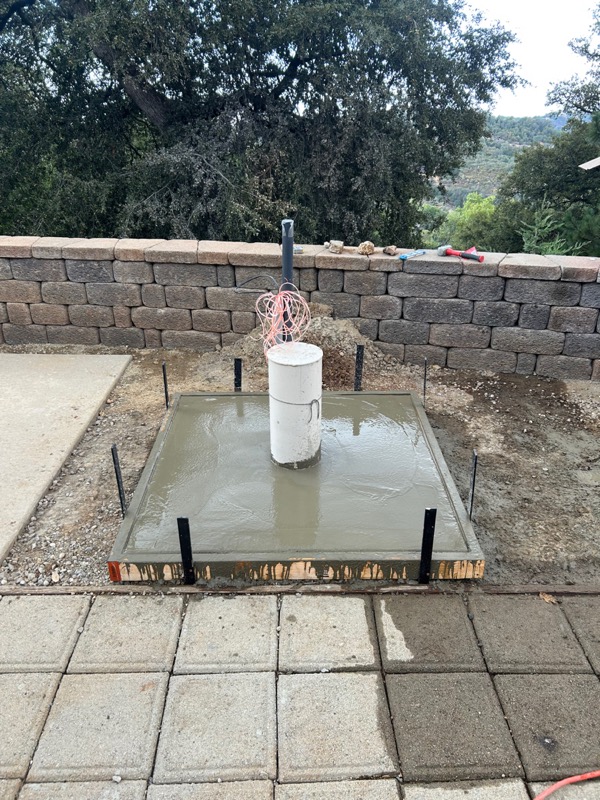
Growing avocados in Hinkley? These water-loving trees need reliable, high-quality well water for healthy production. Southern California Well Service supports local property owners with specialized well services.
In This Guide
Need Help With Your Well in Hinkley?
Our expert technicians serve Hinkley with professional well services.
Related Articles
Continue learning about well maintenance and troubleshooting

Signs Your Well Pump Is Failing
Catch pump problems early before you lose water completely.

Low Water Pressure From Well
Diagnose and fix pressure problems before they get worse.

Well Maintenance Guide
Keep your well running smoothly with regular maintenance.
Our Locations
1077 Main St, Ramona, CA 92065
57174 CA-371 (US Hwy 79), Anza, CA 92539
Well Water, Irrigation, and Grove Care in Hinkley
Hinkley sits in the high desert of San Bernardino County, just west of Barstow along Route 66 and the Mojave River corridor. This is open, sun-baked country — alluvial valley fill, sandy washes, and creosote scrub at roughly 2,200 feet of elevation. Almost every home, ranch, and small farm out here runs on a private well, because there is no municipal water main reaching most of these parcels. If you are trying to keep a backyard avocado tree, a hobby grove, a windbreak, alfalfa, or any landscaping alive in Hinkley, your well is the entire story. Southern California Well Service has spent more than 30 years drilling, repairing, and rehabilitating wells across this part of the desert, and we understand what Hinkley properties are actually dealing with.
We will be honest with you, because Hinkley deserves honesty: this is not a commercial avocado region. The summers are too hot, the winters bring hard frost, and the water budget is brutal. A few determined homeowners do coax a Hass or a cold-hardy Mexicola through the seasons in a sheltered, frost-protected spot, but the realistic conversation here is about reliable domestic water, livestock and pasture irrigation, dust control, shade trees, and modest landscape and orchard plantings. We build water systems that match what your land can really support — not a sales pitch for a grove your climate cannot sustain.
Hinkley's Groundwater History — The Facts
It is impossible to talk about Hinkley water without addressing the chromium-6 (hexavalent chromium) issue, and we will do it plainly. Between 1952 and 1966, a PG&E compressor station used hexavalent chromium as a rust inhibitor and discharged the wastewater into unlined ponds, which percolated into the aquifer. The resulting plume and the decades-long cleanup made Hinkley nationally known. That is documented, regulated history overseen by the Lahontan Regional Water Quality Control Board, and the U.S. Geological Survey has also studied naturally occurring background levels of chromium in the basin.
What this means for you as a property owner is simple and practical: test your water, know your numbers, and don't guess. If your parcel sits within or near the monitored area, you may already be on a replacement-water arrangement. If you are outside it, a current laboratory analysis tells you exactly where you stand. We are a well contractor, not a remediation authority — but we routinely pull samples for accredited labs, install appropriate treatment when results call for it, and help you make sure any avocado tree, vegetable bed, or landscape you irrigate is getting water you have actually verified.
How Well Water and Irrigation Work for Trees and Landscape Here
A working desert irrigation setup in Hinkley is a chain, and the weakest link decides everything. Water leaves the aquifer through your submersible pump, travels up the well casing, passes through a pressure tank and pressure switch that hold steady household and yard pressure, and then feeds your drip lines, micro-sprinklers, or sprinkler zones. For a thirsty broadleaf like avocado, drip or micro-spray under the canopy is far better than overhead spray — it puts water at the roots, limits evaporation in 105-degree heat, and reduces leaf wetting that desert wind would otherwise dry into salt crust.
- Submersible pump: sized to your well's depth and yield, it is the heart of the system. Most Hinkley domestic wells run a 1/2 to 1.5 HP pump.
- Pressure tank and switch: these smooth out delivery and stop the pump from short-cycling itself to an early death.
- Storage tank (often the smart move out here): a low-yield desert well fills a tank slowly all day, and the tank then feeds irrigation on demand — the most reliable way to water trees when the well itself can't keep up with a sprinkler burst.
- Drip and micro-sprinklers: efficient, targeted, and forgiving of low flow.
- Filtration and treatment: sediment, iron/manganese, hardness, and salts all matter in Mojave groundwater.
Common Local Scenarios and What Causes Them
After decades in this territory, the calls we get from Hinkley fall into a few familiar buckets:
- Sudden loss of water: usually a failed pump, a tripped pressure switch, or a control/wiring fault from rural power fluctuations.
- Pump short-cycling or pressure swings: a waterlogged or failed pressure tank, or a worn pressure switch.
- Declining yield over a season: a dropping water table during drought, a fouled screen, or mineral scale narrowing the casing — sometimes correctable with rehabilitation or hydrofracturing.
- Stained fixtures, sediment, or odor: iron, manganese, sulfur, or fine sand — all treatable once tested.
- Salt or chloride stress on trees: avocados are notably salt-sensitive, so leaf-tip burn often points to water chemistry, not disease.
What to Check Before You Call
- Confirm the well breaker and pump disconnect are on and not tripped.
- Look at your pressure gauge — is it cycling rapidly, stuck low, or pinned high?
- Check whether the problem is the whole property or one zone (a zone-only issue is irrigation, not the well).
- Note any change in color, smell, or grit at the tap.
- Have your most recent water test handy — in Hinkley especially, your numbers guide every decision.
When to Call a Professional
Pull a breaker and look at a gauge, yes — but pulling a submersible pump, re-wiring a control box, hydrofracturing a slow well, or interpreting a chromium and salt panel is licensed work. Southern California Well Service is a licensed C-57 water well contractor with 30-plus years in these counties, a 4.9-star reputation, and same-day emergency response when a Hinkley household has no water in summer heat.
Realistic Cost Ranges
Every well is different, but here is honest budgeting guidance for Hinkley-area work:
- Pressure switch replacement: $150–$350
- Pressure tank: $600–$1,500
- Submersible pump replacement: $2,500–$5,500
- Sediment filtration: $300–$900
- Iron/manganese filter or water softener: $1,500–$3,500
- Constant-pressure / booster system: $2,000–$4,500
- Hydrofracturing a low-yield well: $3,000–$8,000
- New turnkey well: $18,000–$42,000
- Well abandonment / decommissioning: $1,500–$5,000
Our diagnostic visit is $125, credited toward the repair if you proceed.
Serving Hinkley and the Surrounding High Desert
We serve Hinkley and the neighboring communities of Barstow, Lenwood, Hodge, Helendale, and the ranch parcels along the Mojave River and Community Boulevard. Our offices in Ramona and Anza dispatch licensed crews throughout San Bernardino County, and we keep the trucks stocked so a routine repair gets done on the first trip.
Why a Local Desert Crew Makes the Difference
Out-of-area contractors who normally work coastal or valley wells often misjudge the Mojave. Hinkley's alluvial basin behaves differently from granite mountain wells or coastal sediments — static water levels, pump-setting depths, casing condition, and water chemistry all vary parcel to parcel. A crew that knows this basin sizes the pump correctly the first time, anticipates the iron, hardness, and salt loads typical of the area, and won't oversell you equipment your well doesn't need. That local judgment is the difference between one efficient visit and a string of return trips.
Frequently Asked Questions
Can I really grow an avocado tree in Hinkley?
A backyard tree is possible in a frost-protected, wind-sheltered spot with attentive irrigation, but Hinkley is not avocado country — expect to fight heat, frost, and salt. We will set up reliable water and tell you honestly what your site can support.
Is my well water safe given Hinkley's chromium history?
The only way to know is a current laboratory test. We pull samples for accredited labs and install treatment when results call for it. Know your numbers before you irrigate or drink from any private well here.
Why does my well produce less water in late summer?
Desert water tables drop under drought and demand, and screens or casings can foul over time. Rehabilitation or hydrofracturing often restores yield; a storage tank buffers a slow well.
Why are my tree's leaves browning at the tips?
In Hinkley that is frequently salt or chloride stress, to which avocados are very sensitive. A water test plus leaching irrigation usually addresses it — it is rarely a disease.
How fast can you get here in an emergency?
We offer same-day emergency service across San Bernardino County. Call (760) 440-8520 and we will prioritize a no-water situation.
Do I need a permit to drill a new well?
Yes — San Bernardino County requires permits for new wells and for decommissioning old ones. As a licensed C-57 contractor we handle the permitting and final reporting for you.
Talk to a Hinkley Well Specialist Today
Whether you are nursing a single avocado tree, irrigating pasture, or staring at a dry tap, get straight answers from a licensed local crew. Call (760) 440-8520, text us at (760) 219-5877, and ask about our $125 diagnostic that we credit toward your repair. Southern California Well Service — licensed C-57, 30-plus years, 4.9 stars, same-day emergency service in Hinkley.