
Well Services for Jacumba Avocado Groves
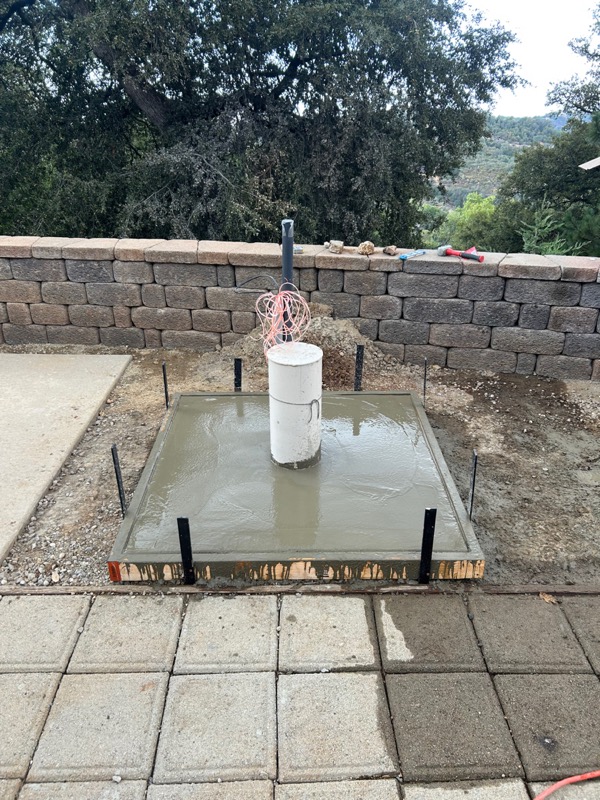
Growing avocados in Jacumba? These water-loving trees need reliable, high-quality well water for healthy production. Southern California Well Service supports San Diego County avocado growers with specialized well services.
📋 In This Guide
- Avocado Water Demands
- Well Systems for Avocado Groves
- Chloride Sensitivity
- Partnering with Jacumba Avocado Growers
- Related Articles
Avocado Water Demands
Avocados are thirsty trees:
- Mature tree: 40-70 gallons per day in summer
- Per acre: 4-6 acre-feet per year
- Critical periods: Fruit set and sizing
A reliable well is essential for profitable avocado production in San Diego County.
Well Systems for Avocado Groves
- High-capacity agricultural wells
- Storage tanks for peak demand periods
- Drip irrigation systems for efficiency
- Micro-sprinklers for young trees
- Pressure regulation for uniform coverage
Chloride Sensitivity
Avocados are highly sensitive to chloride in irrigation water. If your Jacumba well has elevated chloride:
- Blending with lower-chloride water source
- Leaching irrigation to flush salts
- Rootstock selection for salt tolerance
- Regular soil and leaf testing
We test well water for avocado-critical parameters.
Partnering with Jacumba Avocado Growers
Avocados are a major crop in San Diego County, and reliable water is essential for success. Contact us for well services designed for avocado production.
Need Help With Your Well in Jacumba?
Our expert technicians serve Jacumba and all of San Diego County with professional well services.
Related Articles
Continue learning about well maintenance and troubleshooting

Signs Your Well Pump Is Failing
Catch pump problems early before you lose water completely.
Low Water Pressure From Well
Diagnose and fix pressure problems before they get worse.

Well Maintenance Guide
Keep your well running smoothly with regular maintenance.
Our Locations
1077 Main St, Ramona, CA 92065
57174 US Highway 79, Anza, CA 92539
Well Water for Jacumba Hot Springs Homesteads and Backyard Trees
Jacumba Hot Springs sits at roughly 2,800 feet of elevation in the Mountain Empire region of southeastern San Diego County, tucked into a high-desert valley in the Jacumba Mountains right against the Mexican border. This is rugged, sparsely populated country of boulder fields, mineral hot springs, and clean dry air, not a commercial avocado district, and we will be straight with you about that. The combination of border-desert heat, occasional hard winter frost at this elevation, and a limited rural water grid means most properties here lean on private wells. What grows well in sheltered Jacumba yards tends to be cold-hardy and drought-tolerant: pomegranate, fig, hardy citrus, olives, and the occasional protected avocado in a frost-free pocket. Whatever you are watering, Southern California Well Service keeps your Jacumba well dependable.
We are a licensed C-57 water well contractor with more than 30 years of experience and offices in Ramona and Anza. From Anza in particular we are well positioned to reach the Mountain Empire corridor, including Jacumba Hot Springs, Boulevard, Campo, and Live Oak Springs. Whether you run a small homestead, keep a handful of backyard trees, or manage landscape and livestock water on acreage, the fundamentals of a reliable backcountry well are the same.
How Well Water and Irrigation Work Around Jacumba
Jacumba sits over the Jacumba Valley Groundwater Basin, a Colorado River hydrologic-region basin. The valley is famous for its naturally heated artesian mineral water, the same water that emerges at the hot springs at around 100 to 104 degrees and carries sulfur, lithium, and magnesium. For irrigation and household use, that mineral content matters: high sulfur can mean odor, and dissolved minerals can scale plumbing and stress sensitive plants. Wells completed in the valley's alluvium can be productive, with some Holocene alluvial wells capable of strong yields, while the Table Mountain Formation forms a semi-confined to confined aquifer beneath.
Practically, this means well depth and water quality vary a lot from parcel to parcel. A reliable Jacumba setup typically pairs a submersible pump with a pressure tank and, where mineral content is high, some combination of sediment filtration, iron or manganese treatment, and sometimes softening. Because the growing season here includes both intense summer heat and the risk of winter cold, drip irrigation with the ability to run a quick frost-protection cycle on tender trees is the sensible approach. Storage tanks are common on larger or more remote parcels so that a modest well can fill overnight and deliver strong pressure to landscape and orchard zones during the day.
Why Local Backcountry Experience Matters Here
Jacumba is one of the most remote corners of San Diego County, and the wells here behave nothing like a suburban system. Static water levels can sit deep, the rock is fractured and unpredictable, and the same mineral chemistry that makes the hot springs famous can quietly corrode equipment and clog emitters. A contractor who knows the Mountain Empire will size your pump for the actual lift, specify wire and controls that tolerate rural power swings, and design a treatment train matched to your water test rather than a generic guess. That local knowledge is the difference between a system that limps along and one that runs reliably for years. It also matters at the planning stage: setbacks, septic proximity, and county permitting in this border region all shape where and how deep a new well can go, and we handle that paperwork as part of the job. When we drill, deepen, or hydrofracture in the Jacumba area, we are drawing on decades of experience with exactly this terrain.
Common Well and Water Scenarios in the Mountain Empire
Across three decades serving San Diego County's backcountry, the issues we see most often around Jacumba include:
- Mineral and sulfur content. Given the area's famous mineral springs, elevated sulfur, iron, manganese, and total dissolved solids are common. They cause rotten-egg odor, staining, scale, and stress on sensitive trees.
- Hard water scaling. Mineral-rich water builds up in pumps, pressure tanks, and drip emitters, shortening equipment life and clogging irrigation.
- Variable yield and depth. Backcountry wells differ widely; an older or shallower well can lose yield in dry years or as the static level drops.
- Power reliability. Rural border-area power can flicker, and surges or outages are hard on pump controls.
- Freeze exposure. At 2,800 feet, exposed wellheads, pressure tanks, and above-ground lines need protection from hard winter frosts.
What to Check Before You Call
If your pressure drops or your trees look stressed, a few quick checks help:
- Confirm power. Check the breaker and pump disconnect; a tripped breaker after a flicker is the most common "no water" cause out here.
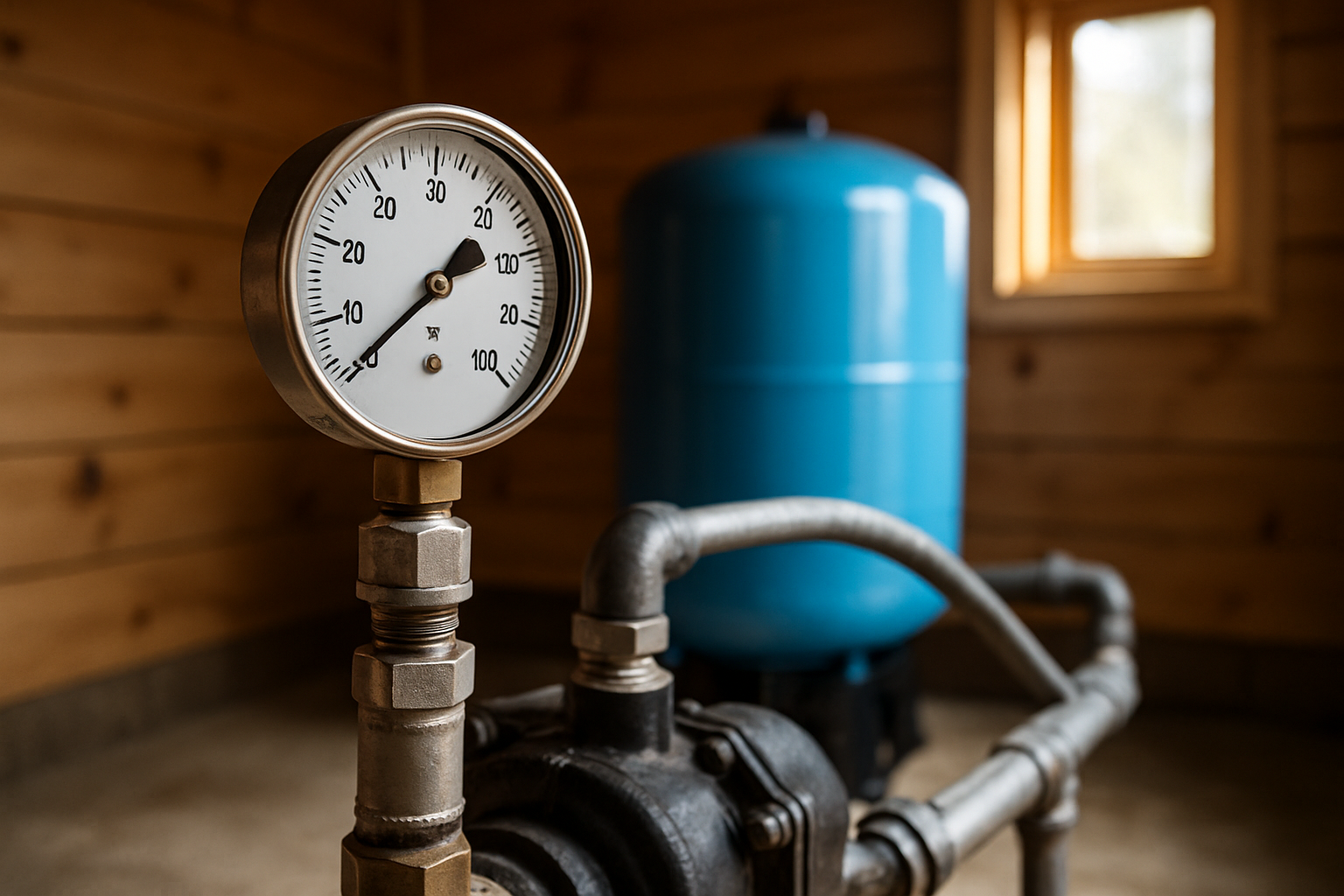
- Read the pressure gauge. Note whether pressure builds, never builds, or builds and crashes.
- Listen to the pump. Constant running without pressure, or rapid clicking, points to a tank or switch issue.
- Smell and look at the water. New sulfur odor, cloudiness, or staining is worth reporting and may call for a water test.
- Inspect filters. A clogged sediment or iron filter starves the system; cartridge swaps are quick.
- Walk the lines. Look for leaks, blown emitters, or freeze-cracked fittings, especially after a cold snap.
When to Call a Professional
Anything at the wellhead, the submersible pump, the electrical controls, or water treatment belongs with a licensed C-57 contractor. Pulling and resetting a pump is heavy, specialized work, and mineral-laden Mountain Empire water often needs a properly engineered treatment train rather than a guess. Call us when you have no water, when pressure collapses, when sand or new odor appears, when a freeze damages your system, or when a water test flags iron, manganese, sulfur, or hardness. We also handle new well drilling, well deepening, hydrofracturing to coax more yield from tight fractured rock, and proper decommissioning of old wells. We offer same-day emergency response across the backcountry.
Realistic Cost Ranges
Every parcel is different, but these ranges help you plan. We begin with a $125 diagnostic credited toward any repair we perform.
- Pressure switch replacement: $150-$350
- Pressure tank replacement: $600-$1,500
- Submersible pump replacement: $2,500-$5,500
- Sediment filtration: $300-$900
- Iron, manganese, or softener / mineral treatment: $1,500-$3,500
- Constant-pressure or booster system: $2,000-$4,500
- Hydrofracturing to improve yield: $3,000-$8,000
- New turnkey well: $18,000-$42,000
- Well abandonment / decommissioning: $1,500-$5,000
Serving Jacumba Hot Springs and the Mountain Empire
From our Ramona and Anza offices we serve Jacumba Hot Springs and the surrounding Mountain Empire, including Boulevard, Campo, Live Oak Springs, and the rural parcels along Old Highway 80. We hold a 4.9-star rating and understand the area's mineral water, fractured-rock geology, and the demands of high-desert homesteads. Call (760) 440-8520 or text (619) 259-0410.
Frequently Asked Questions
Can I grow avocados in Jacumba?
Jacumba is not commercial avocado country because of border-desert heat and winter frost risk at 2,800 feet. A hobbyist can sometimes keep a protected avocado alive in a frost-free, sheltered pocket with attentive watering and cold protection, but hardy citrus, fig, pomegranate, and olive are far better suited. We focus on giving any tree clean, reliable well water.
Why does my Jacumba well water smell like rotten eggs?
That sulfur smell is common in this mineral-rich area. It usually comes from hydrogen sulfide or sulfur-reducing conditions and is treatable with the right filtration or aeration system. We can test and recommend an approach.
How deep are wells around Jacumba?
Depth varies widely with the fractured-rock and alluvial geology of the Jacumba Valley basin. Some alluvial wells are quite productive while others must reach deeper or be hydrofractured. A site evaluation is the only reliable way to know.
Do I need water treatment for a Mountain Empire well?
Often yes. Given the area's mineral content, many properties benefit from sediment filtration plus iron, manganese, sulfur, or hardness treatment. We size the system to your specific water test.
Do you offer emergency service this far out?
Yes. We serve the Mountain Empire from our Anza and Ramona offices and provide same-day emergency response when you have no water. Call (760) 440-8520.
How do I protect my well from winter freezes?
At Jacumba's elevation, insulating exposed wellheads, pressure tanks, and above-ground lines, and using a frost-protection irrigation strategy, prevents most cold-weather damage. We can advise during any service visit.
Keep Your Jacumba Well Reliable Year-Round
Whether you are running a homestead, keeping backyard fruit trees, or managing landscape water on Mountain Empire acreage, Southern California Well Service has the licensed, local expertise to keep your Jacumba well dependable. Call (760) 440-8520, text (619) 259-0410, and ask about our $125 diagnostic credited toward your repair.