
Well Services for Jamul Avocado Groves
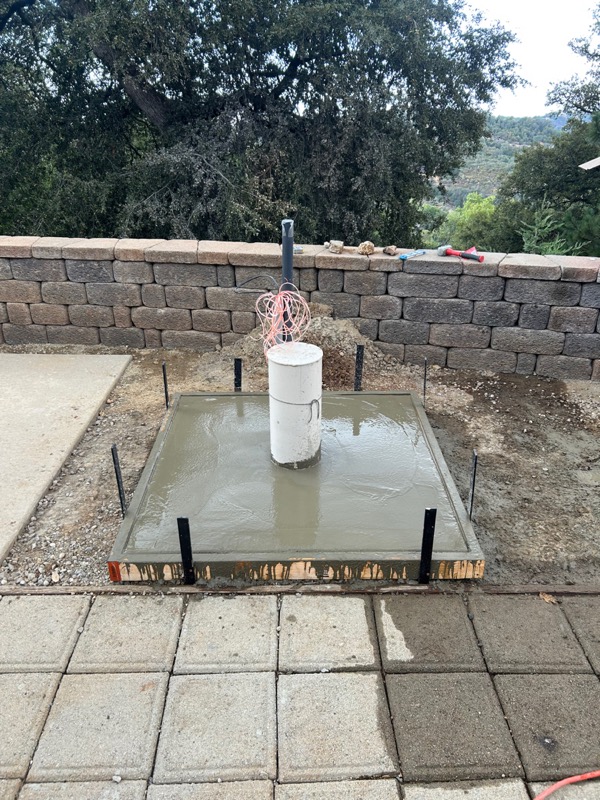
Growing avocados in Jamul? These water-loving trees need reliable, high-quality well water for healthy production. Southern California Well Service supports San Diego County avocado growers with specialized well services.
📋 In This Guide
- Avocado Water Demands
- Well Systems for Avocado Groves
- Chloride Sensitivity
- Partnering with Jamul Avocado Growers
- Related Articles
Avocado Water Demands
Avocados are thirsty trees:
- Mature tree: 40-70 gallons per day in summer
- Per acre: 4-6 acre-feet per year
- Critical periods: Fruit set and sizing
A reliable well is essential for profitable avocado production in San Diego County.
Well Systems for Avocado Groves
- High-capacity agricultural wells
- Storage tanks for peak demand periods
- Drip irrigation systems for efficiency
- Micro-sprinklers for young trees
- Pressure regulation for uniform coverage
Chloride Sensitivity
Avocados are highly sensitive to chloride in irrigation water. If your Jamul well has elevated chloride:
- Blending with lower-chloride water source
- Leaching irrigation to flush salts
- Rootstock selection for salt tolerance
- Regular soil and leaf testing
We test well water for avocado-critical parameters.
Partnering with Jamul Avocado Growers
Avocados are a major crop in San Diego County, and reliable water is essential for success. Contact us for well services designed for avocado production.
Need Help With Your Well in Jamul?
Our expert technicians serve Jamul and all of San Diego County with professional well services.
Related Articles
Continue learning about well maintenance and troubleshooting
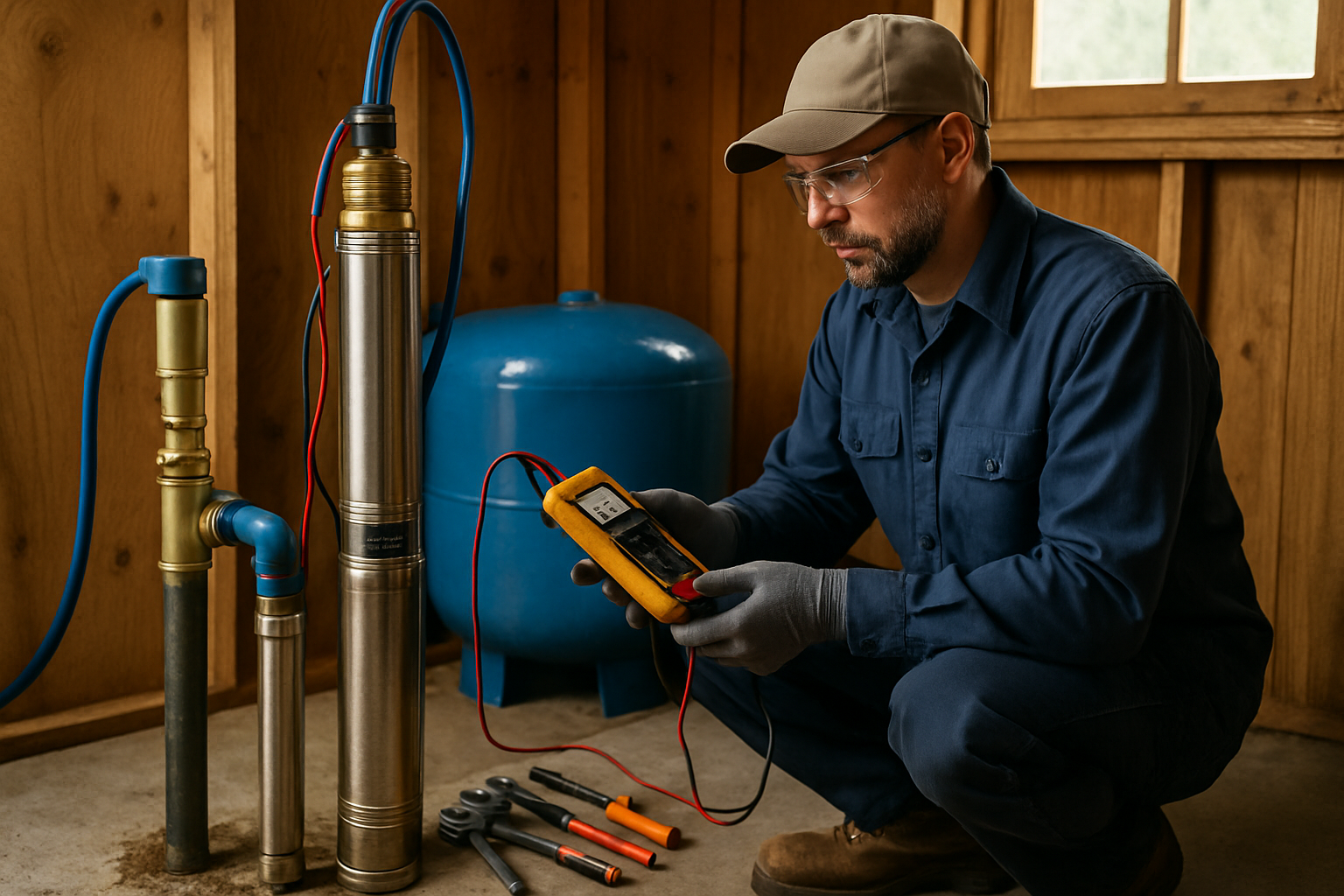
Signs Your Well Pump Is Failing
Catch pump problems early before you lose water completely.
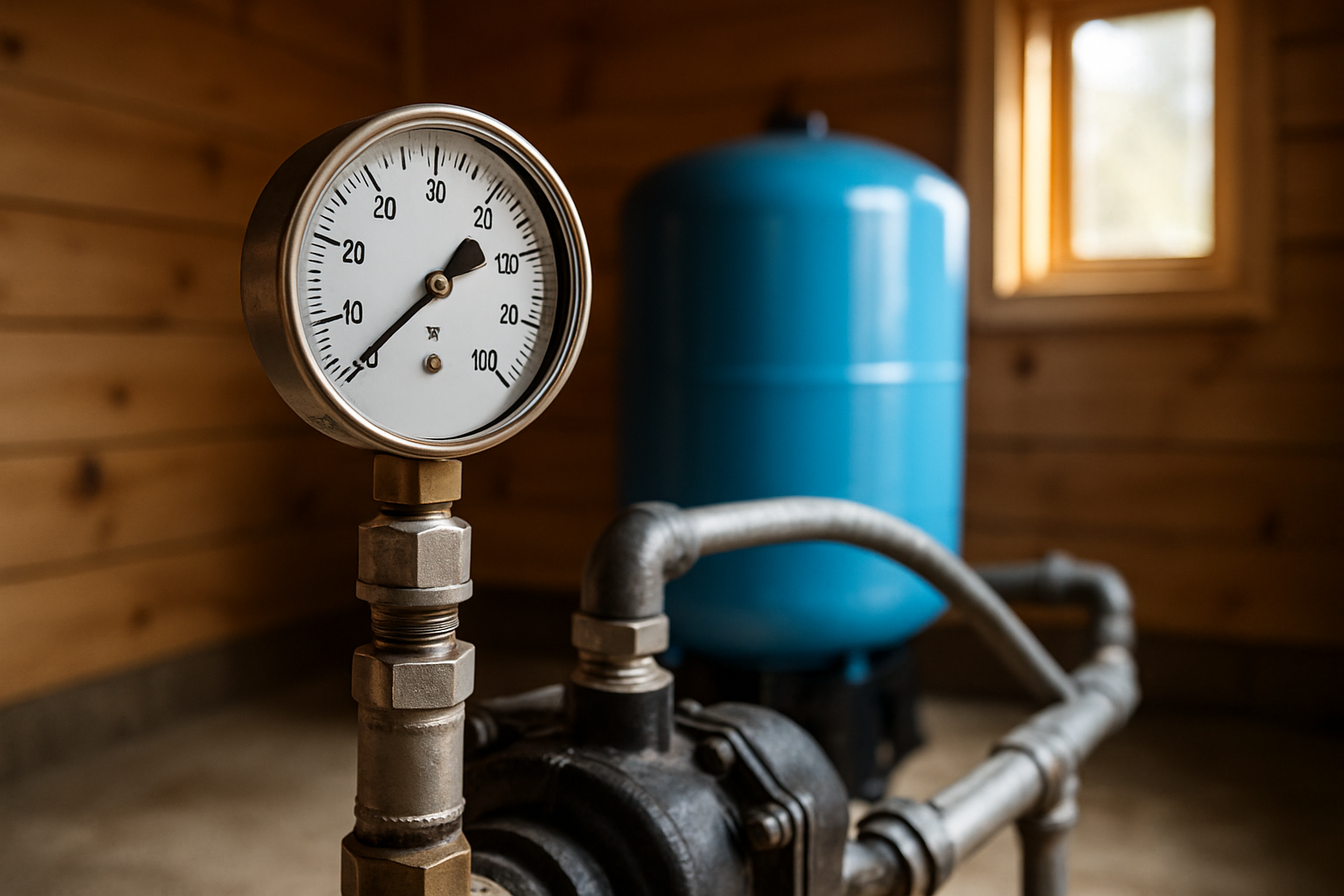
Low Water Pressure From Well
Diagnose and fix pressure problems before they get worse.
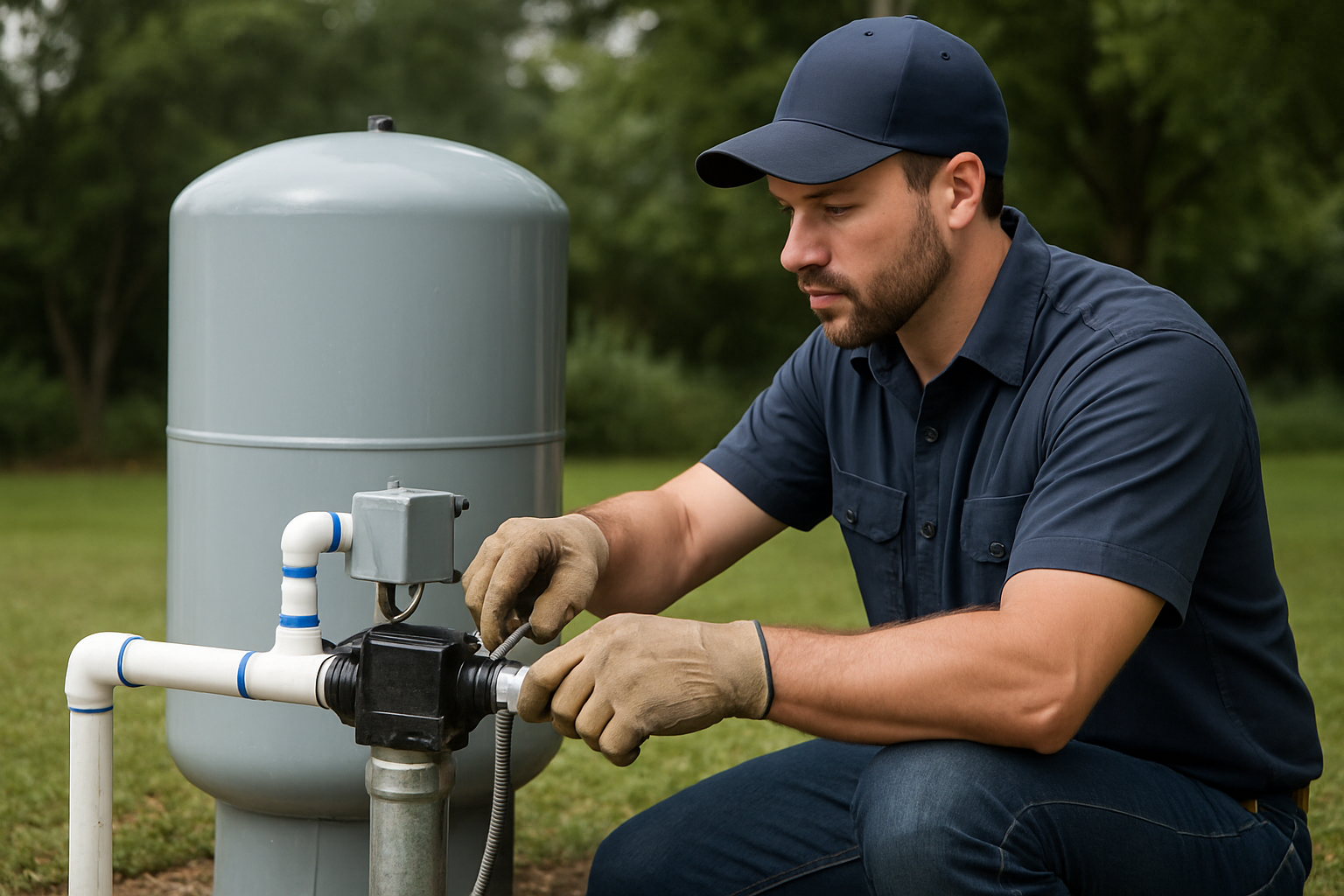
Well Maintenance Guide
Keep your well running smoothly with regular maintenance.
Our Locations
1077 Main St, Ramona, CA 92065
57174 CA-371 (US Hwy 79), Anza, CA 92539
Well Water and Avocado Growing in Jamul
Jamul is classic San Diego County backcountry: a community of ranches, horse properties, and hillside groves spread across the oak-dotted hills southeast of Rancho San Diego, where State Route 94 climbs toward the Jamul Mountains. Out here the parcels are large, water districts are distant or nonexistent, and a private well is not a convenience but the foundation of the whole property. For growers nursing Hass avocados or a block of citrus on these slopes, the well is quite literally the difference between a productive grove and a stand of stressed trees.
Southern California Well Service has worked this corner of the county since 2020. We know how Jamul wells behave, why two neighbors on the same road can have wildly different water, and what it takes to keep a grove watered through a dry San Diego summer.
Reading the Land: Why Jamul Wells Vary So Much
The hills around Jamul are built from the granitic bedrock of the Peninsular Ranges, capped by decomposed granite and threaded with fracture systems. Groundwater here does not sit in a tidy, uniform aquifer. It collects and moves through cracks in the rock, which means well performance depends almost entirely on whether the borehole happens to cross productive fractures. Most wells in the Jamul area land somewhere between 200 and 500 feet deep, and yield can range from a trickle to a genuinely strong producer within the same neighborhood.
For an avocado grower, this geology has two practical consequences. First, you cannot assume a well that served a house will support a grove; the water demand is an order of magnitude higher. Second, granitic groundwater tends to carry significant dissolved minerals, and that matters more for avocados than for almost any other crop.
Frost, Slopes, and the Jamul Microclimate
Avocados succeed in Jamul largely because of topography. On clear winter nights, cold air drains downhill and pools in the low spots, so growers plant on slopes and benches where that cold air keeps moving. A well-placed grove can ride out marginal nights that would scorch tender growth on the valley floor. The flip side is that hillside groves are harder to irrigate evenly, which makes a properly engineered, pressure-regulated water system essential rather than optional.
How Much Water Your Jamul Grove Demands
A mature avocado tree in Jamul's warm, dry summer can pull 40 to 70 gallons of water in a single day, and a planted acre needs roughly four to six acre-feet over the year. The demand is not steady, either. It peaks hard during spring bloom and fruit set and again through the June-to-September fruit sizing stretch. A water system that coasts through April can fall painfully short in August, and a grove that runs short during sizing simply makes smaller fruit and less of it.
Because of that peak-demand reality, we design Jamul grove systems around the worst day of the year, not the average. Often the right answer for a modest-yield fractured-rock well is a storage tank that fills overnight when the aquifer can keep up, paired with a booster pump that delivers full irrigation flow during the day. That arrangement protects the well from being over-pumped, smooths out the trees' appetite, and gives you a reserve if the pump quits mid-week.
Salinity: The Quiet Threat to Jamul Avocados
Avocados are unusually sensitive to chloride and salts in irrigation water, and the granitic groundwater common around Jamul can carry enough to cause trouble. The symptoms are easy to miss until they are serious: scorched leaf tips, thinning canopy, and a slow slide in yield. We test grove wells specifically for the parameters that matter to avocados, then recommend a realistic response, whether that is leaching irrigation to flush salts past the root zone, blending with a cleaner source, choosing salt-tolerant rootstock for new plantings, or installing treatment where it genuinely pays off. The key is getting accurate water chemistry before you make expensive decisions.
The Well Problems We See Most Often in Jamul
- Gradual yield decline as mineral scale and fine sediment clog the fractures feeding the well. Rehabilitation often restores much of the lost capacity at a fraction of the cost of a new well.
- Premature pump failure from running long grove duty cycles on a pump sized for a household, accelerated by hard, abrasive water.
- Short-cycling caused by a waterlogged pressure tank, which is the fastest way to burn out a pump motor.
- Drawdown during drought, when falling static levels let a too-shallow pump draw air and overheat.
- Power instability in the backcountry that damages pumps without proper controls and surge protection.
What Grove Well Work Costs in Jamul
We believe in clear numbers up front. A diagnostic visit is $125, credited toward any work we do. A pressure switch runs about $150 to $350 and a new pressure tank $600 to $1,500. Replacing a submersible pump in a deeper Jamul well typically falls between $2,500 and $5,500 depending on depth and horsepower. Sediment filtration runs $300 to $900, and a constant-pressure or booster system for tank-fed grove irrigation generally lands between $2,000 and $4,500. When a well's output has dropped, hydrofracturing to reopen fractures runs $3,000 to $8,000, far cheaper than starting over. A complete new turnkey well, when one is truly warranted, ranges from $18,000 to $42,000 depending on depth and rock.
Local, Licensed, and Ready When You Need Us
We are a licensed C-57 water well drilling contractor with offices in Ramona and Anza, which puts a real crew within reach of Jamul, including same-day response when a grove or home suddenly loses water. Our CSLB #1086994 is built on straight answers: if your well can be rehabilitated instead of replaced, we will say so. Call (760) 440-8520 or text (760) 219-5877 to talk through your grove's water.
Planning a New Grove or a New Well in Jamul
If you are establishing a new block of trees or replacing an aging well, planning matters even more in Jamul than it does in flatter, district-served areas. We start by evaluating the existing well's true sustainable yield over a full pumping cycle rather than a quick snapshot, because a fractured-rock well can look strong for ten minutes and then taper off. From there we map the grove's peak-season demand against that yield and design the storage and pumping to bridge the gap. Where a new well is warranted, careful siting, reading the local fracture patterns and the experience of nearby wells, makes the difference between a marginal producer and one that will carry the grove for decades.
We also think about the long game. Drought cycles are a fact of life in San Diego County, and a grove investment should be built to survive them. That can mean a deeper well, a larger storage reserve, more efficient drip and micro-sprinkler distribution to stretch every gallon, and water-quality treatment matched to what the aquifer actually delivers. Getting these decisions right at the outset is far cheaper than retrofitting a struggling system after the trees are in the ground.
When to Call a Professional
Some Jamul well issues are worth watching, but others demand a prompt call: a sudden drop in pressure or flow, air spitting from the taps, discolored or gritty water, a pump that runs constantly or cycles every few seconds, or a noticeable change in your electric bill tied to the pump. These are early warnings that, caught soon, often mean an affordable repair instead of an emergency replacement during the hottest week of the year.
Frequently Asked Questions
How deep do wells go in Jamul?
Most Jamul wells are drilled into fractured granitic rock between roughly 200 and 500 feet deep. Because water moves through fractures rather than a uniform aquifer, yield varies widely even between neighboring properties on the same road.
Can my Jamul well support an avocado grove?
Not all wells can. A grove needs far more water than a household, so the well's sustainable yield must be evaluated over a full pumping cycle. Where yield is modest, a storage tank and booster pump often let a smaller well reliably irrigate a grove.
Why does my Jamul well water hurt my avocado trees?
Granitic groundwater around Jamul can carry chloride and salts that avocados tolerate poorly, causing leaf-tip burn and reduced yield. We test for avocado-critical parameters and recommend leaching, blending, salt-tolerant rootstock, or treatment as appropriate.
How much water does an avocado tree use in Jamul?
A mature tree can use 40 to 70 gallons on a hot summer day, and a planted acre needs about four to six acre-feet per year, peaking during spring fruit set and summer sizing.
My well yield has dropped. Do I need a new well?
Often not. Hydrofracturing reopens clogged fractures and frequently restores yield for $3,000 to $8,000, far less than a new well. We assess the existing well before recommending replacement.
Do you provide emergency well service in Jamul?
Yes. From our Ramona and Anza offices we offer same-day emergency response to Jamul when a grove or home loses water. Call (760) 440-8520 or text (760) 219-5877.