
Well Services for Julian Avocado Groves
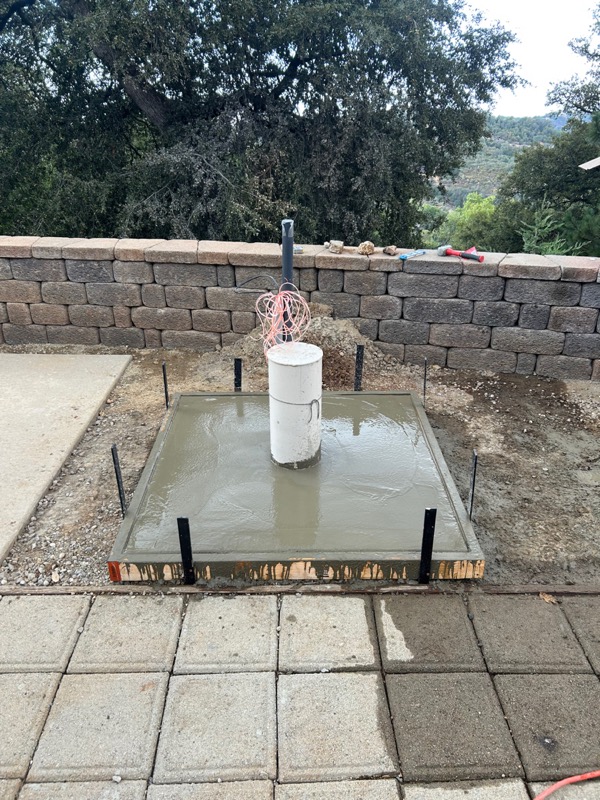
Growing avocados in Julian? These water-loving trees need reliable, high-quality well water for healthy production. Southern California Well Service supports San Diego County avocado growers with specialized well services.
📋 In This Guide
- Avocado Water Demands
- Well Systems for Avocado Groves
- Chloride Sensitivity
- Partnering with Julian Avocado Growers
- Related Articles
Avocado Water Demands
Avocados are thirsty trees:
- Mature tree: 40-70 gallons per day in summer
- Per acre: 4-6 acre-feet per year
- Critical periods: Fruit set and sizing
A reliable well is essential for profitable avocado production in San Diego County.
Well Systems for Avocado Groves
- High-capacity agricultural wells
- Storage tanks for peak demand periods
- Drip irrigation systems for efficiency
- Micro-sprinklers for young trees
- Pressure regulation for uniform coverage
Chloride Sensitivity
Avocados are highly sensitive to chloride in irrigation water. If your Julian well has elevated chloride:
- Blending with lower-chloride water source
- Leaching irrigation to flush salts
- Rootstock selection for salt tolerance
- Regular soil and leaf testing
We test well water for avocado-critical parameters.
Partnering with Julian Avocado Growers
Avocados are a major crop in San Diego County, and reliable water is essential for success. Contact us for well services designed for avocado production.
Need Help With Your Well in Julian?
Our expert technicians serve Julian and all of San Diego County with professional well services.
Related Articles
Continue learning about well maintenance and troubleshooting

Signs Your Well Pump Is Failing
Catch pump problems early before you lose water completely.
Low Water Pressure From Well
Diagnose and fix pressure problems before they get worse.
Well Maintenance Guide
Keep your well running smoothly with regular maintenance.
Our Locations
1077 Main St, Ramona, CA 92065
57174 CA-371 (US Hwy 79), Anza, CA 92539
Well Water for Julian's Apple Orchards and Mountain Properties
Julian is the heart of San Diego County's apple country. Set at about 4,200 feet between the Cuyamaca Range and the south slope of Volcan Mountain, this historic gold-mining town built a second identity around apples, and its orchards along Julian Orchards Drive and the lanes toward Wynola still draw crowds every fall for u-pick days, fresh pressed cider, and pie. The cold-winter, mild-summer climate up here is what lets apples flourish where the warmer valleys cannot grow them. Because Julian is rural and mountainous, almost every orchard and country home depends on a private well, and out here that well is not a convenience but the lifeline for your trees, your livestock, and your household.
Southern California Well Service has worked on wells throughout San Diego County's backcountry for more than 30 years, including the mountain communities around Julian. The geology here is dominated by decomposed granite and fractured crystalline rock, where a well produces only as well as it intersects water-bearing fractures. That is a fundamentally different challenge than drilling into a valley aquifer, and it rewards local experience. We know that depth and yield can vary sharply from one Julian property to the next, and we plan accordingly rather than assuming.
How a Mountain Orchard Well Works
An apple orchard needs reliable water through the growing season, especially during fruit development, and the well system delivers it from rock to root.
- Well and casing. Drilled into fractured bedrock and lined for stability. In Julian, success depends on intersecting productive fractures more than on reaching a fixed depth.
- Submersible pump. Sized to the orchard and peak demand, it raises water from the formation, sometimes lifting it a long way given mountain terrain.
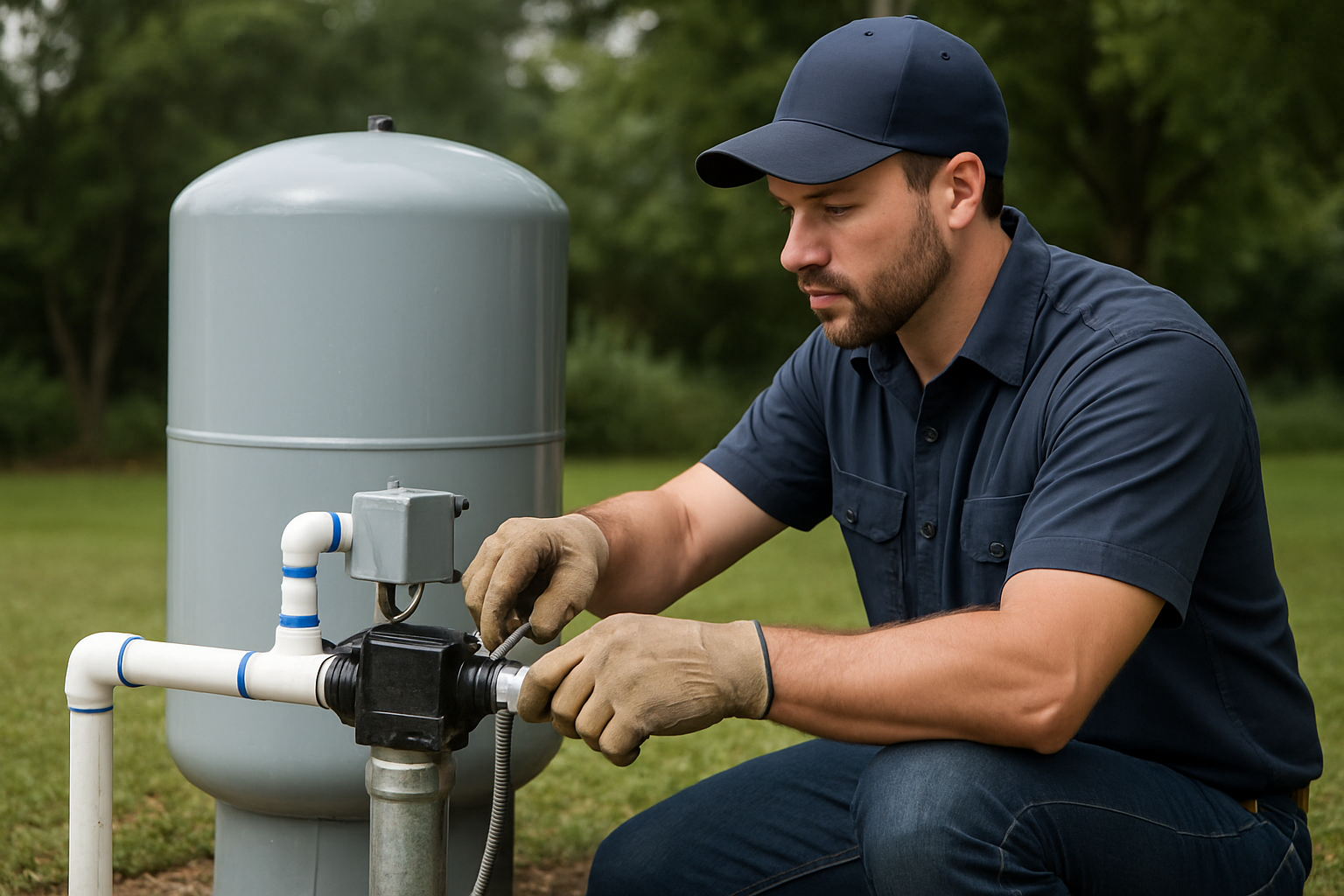
- Pressure tank and switch. The tank buffers demand and prevents short-cycling; the switch tells the pump when to run. Both are common, inexpensive repair points.
- Irrigation delivery. Drip lines and micro-sprinklers spread water evenly across sloping orchard ground, keeping every row supplied.
- Filtration and treatment. Sediment screens and, where needed, mineral treatment protect emitters and equipment.
Common Well Problems Around Julian
Variable and declining yield
Fractured-rock wells are naturally less predictable than valley wells, and dry years can reduce production. Watch for the pump running longer, air spitting from emitters, or pressure dropping during a long irrigation set. Because yield depends on the fracture network, hydrofracturing, which uses high-pressure water to open and connect fractures, is frequently the most effective way to revive a weak well before drilling new.
Freezing weather
Julian winters are genuinely cold, and exposed plumbing, pressure tanks, and wellheads can freeze without proper protection. We address insulation and freeze protection when servicing mountain wells, a detail lower-elevation contractors often miss.
Sediment from decomposed granite
Fine grit from decomposed granite can enter a well, wearing pump components and clogging drip emitters quickly. The right sediment filtration keeps the system running clean.
Mineral content and odor
Backcountry groundwater can carry iron, manganese, or a sulfur smell from harmless bacteria. All are treatable once testing reveals the chemistry.
Pump and electrical faults
Aging pumps and rural mountain power produce tripped breakers, constant cycling, or a pump that will not start. The usual causes are the pressure switch, the motor, or wiring stressed by a deep setting.
What to Check Before You Call
- Breaker. Reset once; if it trips again, stop and call, since that points to an electrical or motor fault.
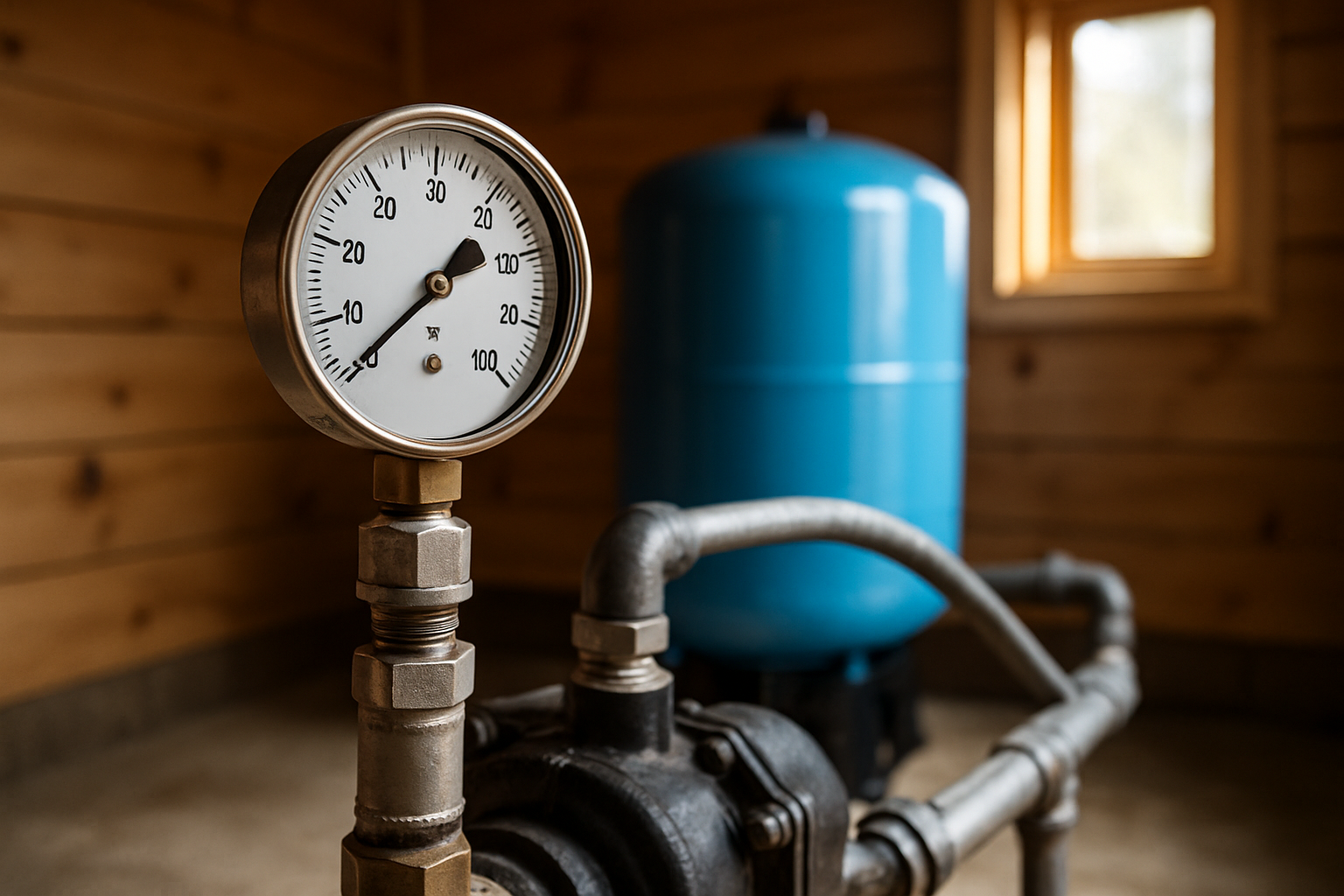
- Pressure gauge. Note cut-in and cut-out pressures; readings that never build or swing erratically suggest the switch or tank.
- Tank. A tank that feels solid with water near the top has likely lost its air charge or bladder.
- Water sample. A clear-container sample showing grit, cloudiness, or color is a useful clue.
- Pump behavior. Rapid cycling or constant running without building pressure are both worth reporting.
When to Call a Professional
Reach out immediately if you have no water during the dry season when your orchard cannot wait, if the breaker keeps tripping, if grit surges into the system, or if water quality changes. Pulling a submersible pump from a deep mountain well, measuring true yield, and hydrofracturing all require a C-57 license and specialized equipment. Attempting them yourself risks dropped gear in the borehole and far costlier repairs. We provide same-day emergency response and are equipped for the depth and access realities of backcountry properties.
Realistic Cost Ranges
- Diagnostic visit: $125, credited toward repair.
- Pressure switch: $150 to $350.
- Pressure tank: $600 to $1,500.
- Sediment filtration: $300 to $900.
- Iron, manganese, or softening: $1,500 to $3,500.
- Pump replacement: $2,500 to $5,500, often toward the higher end for deep mountain settings.
- Constant-pressure or booster system: $2,000 to $4,500.
- Hydrofracturing: $3,000 to $8,000, commonly the smart first move for a low-yield fractured-rock well.
- New turnkey well: $18,000 to $42,000, depending on depth and how readily the rock yields water.
You always receive an honest, written estimate first, and we will point you to the most cost-effective solution.
Making the Most of a Julian Well
Because Julian wells draw from fractured rock, storage is usually the key to comfortable, reliable irrigation. A storage tank paired with a constant-pressure or booster system lets a moderate-yield well fill steadily around the clock, then deliver strong, even pressure when an irrigation set runs. For most orchards this is far more practical than trying to force a higher instantaneous flow from the rock itself, and it smooths out the natural variability of mountain groundwater. Scheduling maintenance in late spring, before the dry season and the run-up to harvest, keeps the pump, tank, and pressure controls in shape and catches small issues early.
Water testing belongs in any backcountry maintenance plan. Mountain groundwater can be hard or carry iron and manganese, and knowing the numbers lets you treat only what actually needs treating, protecting both your trees and your household without wasting money.
Why Local Backcountry Experience Counts
Drilling and servicing wells in Julian is not the same job as working the coastal valleys, and treating it that way leads to disappointment and wasted money. Fractured-granite hydrology means the right approach is part science and part hard-won local judgment about where water tends to move and how a given parcel is likely to behave. Companies new to the backcountry often misjudge depth, underestimate yield variability, or arrive without the equipment to reach a deep mountain pump. Because we have spent years on wells across this part of San Diego County, we bring realistic expectations to every site, which keeps projects on budget and avoids the costly surprises that come from guesswork. That experience also helps us guide owners through county permitting and plan for the seasonal swings, from cold winters to long dry summers, that shape how a Julian well performs year to year.
Serving Julian and the Surrounding Backcountry
We regularly serve Julian and the nearby San Diego County communities of Wynola, Santa Ysabel, Pine Hills, Cuyamaca, and the surrounding mountain country. Working from our Ramona and Anza offices, both well positioned for the backcountry, our technicians understand fractured-rock wells, mountain access, county permitting, and the specific needs of apple growers and rural mountain homeowners. Whether you tend an orchard off Julian Orchards Drive or rely on a domestic well down a forest lane, we have the experience and equipment to get it right.
Frequently Asked Questions
How deep are wells in Julian?
It varies widely because Julian wells draw from fractured granite. Success depends more on intersecting productive fractures than on reaching a set depth, so we evaluate each site individually before recommending a plan.
Is well water good for irrigating apple orchards?
Generally yes, though backcountry groundwater can carry iron, manganese, or hardness. We recommend periodic testing so you know what you are applying and can treat it when needed.
My well yield is low. Do I need a new well?
Often not. For fractured-rock wells, hydrofracturing can significantly improve yield at a fraction of the cost of drilling new. We diagnose the real cause before recommending anything major.
Do Julian wells need freeze protection?
Yes. Winters here are cold enough to freeze exposed plumbing, tanks, and wellheads, so we include freeze protection when servicing mountain wells.
Do you service both orchard and home wells?
Yes. We handle high-capacity agricultural wells and domestic household wells, including pumps, tanks, pressure systems, filtration, and treatment.
Can you respond the same day?
Yes. We offer same-day emergency service for no-water and other urgent failures. Call as soon as you notice trouble.
Talk to a Backcountry Well Specialist
If your Julian well needs service, your orchard is short on water, or you want peace of mind before the dry season, Southern California Well Service is ready to help. We are a licensed C-57 contractor with more than 30 years of experience, a 4.9-star reputation, and offices in Ramona and Anza serving San Diego County's backcountry. Call (760) 440-8520, text (760) 219-5877, or request a free estimate. Same-day emergency service is available.