
Well Services for La Presa Avocado Groves
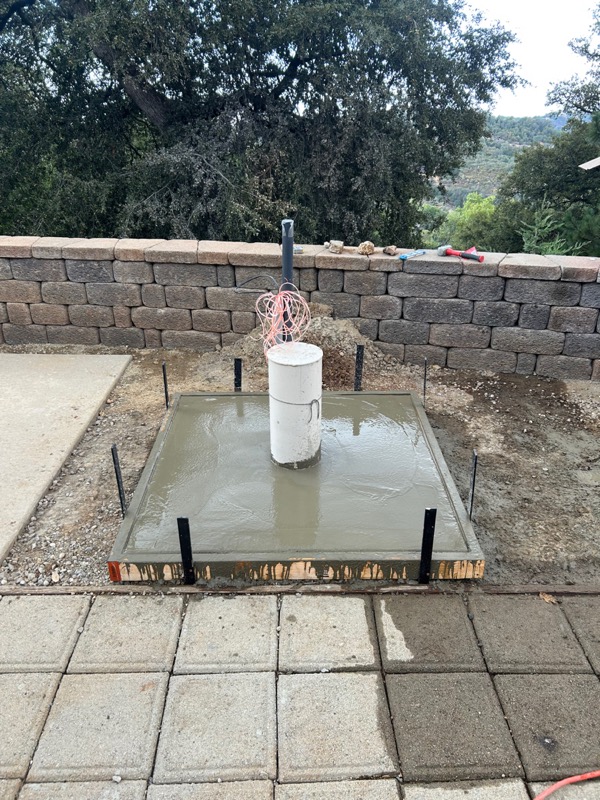
Growing avocados in La Presa? These water-loving trees need reliable, high-quality well water for healthy production. Southern California Well Service supports San Diego County avocado growers with specialized well services.
📋 In This Guide
- Avocado Water Demands
- Well Systems for Avocado Groves
- Chloride Sensitivity
- Partnering with La Presa Avocado Growers
- Related Articles
Avocado Water Demands
Avocados are thirsty trees:
- Mature tree: 40-70 gallons per day in summer
- Per acre: 4-6 acre-feet per year
- Critical periods: Fruit set and sizing
A reliable well is essential for profitable avocado production in San Diego County.
Well Systems for Avocado Groves
- High-capacity agricultural wells
- Storage tanks for peak demand periods
- Drip irrigation systems for efficiency
- Micro-sprinklers for young trees
- Pressure regulation for uniform coverage
Chloride Sensitivity
Avocados are highly sensitive to chloride in irrigation water. If your La Presa well has elevated chloride:
- Blending with lower-chloride water source
- Leaching irrigation to flush salts
- Rootstock selection for salt tolerance
- Regular soil and leaf testing
We test well water for avocado-critical parameters.
Partnering with La Presa Avocado Growers
Avocados are a major crop in San Diego County, and reliable water is essential for success. Contact us for well services designed for avocado production.
Need Help With Your Well in La Presa?
Our expert technicians serve La Presa and all of San Diego County with professional well services.
Related Articles
Continue learning about well maintenance and troubleshooting

Signs Your Well Pump Is Failing
Catch pump problems early before you lose water completely.
Low Water Pressure From Well
Diagnose and fix pressure problems before they get worse.
Well Maintenance Guide
Keep your well running smoothly with regular maintenance.
Our Locations
1077 Main St, Ramona, CA 92065
57174 US Highway 79, Anza, CA 92539
La Presa Water: An Honest Look at a Suburban San Diego Community
La Presa is a densely populated unincorporated community in southeastern San Diego County, tucked between Spring Valley, Lemon Grove, and the foot of the hills east of National City and Chula Vista. The name — Spanish for "the dam" — nods to nearby Sweetwater Reservoir, and that's a fitting clue to the area's water story. La Presa is suburban, not agricultural. Its hillside neighborhoods around Sweetwater Road and Jamacha Boulevard are served by municipal water from the Otay and Sweetwater districts, and the days of large groves on this land are long past. This is not avocado country in any working sense. San Diego County's commercial avocado groves climb the frost-free inland hills around Fallbrook, Bonsall, and Valley Center, far to the north. So a useful local water guide for La Presa is about residential wells, hillside irrigation, hard San Diego water, and the realities of the granite-cored terrain — not about grove farming.
That said, the broader region around La Presa, Jamul, and the Sweetwater corridor does include rural and semi-rural parcels where private wells still serve homes, horse properties, and large landscapes. For those owners, the local geology is the whole game.
How Wells Work in the La Presa Area
Southeastern San Diego County is built on decomposed granite and fractured crystalline bedrock. Unlike a deep sediment basin that holds water broadly, this terrain stores groundwater in fractures, seams, and the weathered zone above solid rock. The practical consequence is the same one that shapes well work across inland San Diego County: yields vary sharply from lot to lot, and a well's success depends on whether the bore crosses enough water-bearing fractures. A productive well might be found at 150 feet on one parcel, while a neighbor needs 400 feet or more. Because fractured-rock wells tend toward modest, steady yields rather than gushers, storage tanks paired with booster pumps are a common and sensible design — letting a slow well keep up with household and irrigation demand.
Even properties on municipal water feel the local geology in another way: the region's groundwater and imported supply are both hard and mineral-rich, leaving scale in pipes, water heaters, and irrigation lines, and that hardness is one of the most common water complaints across the Sweetwater area.
Common Local Water Scenarios
- Hard-water scaling. San Diego's mineral-heavy water deposits scale that clogs fixtures, shortens water-heater life, and plugs drip-irrigation emitters across La Presa landscapes.
- Variable well yield. On the rural fringe, fractured-rock wells can run strong in wet years and short in drought, since fractures recharge slowly.
- Sediment from decomposed granite. Fine granite grit abrades pump impellers and clogs screens and aerators.
- Pressure problems on hillside lots. La Presa's steep terrain means real elevation differences between wellhead, tank, and home, which stresses undersized pumps and can cause weak pressure at the top of a property.
- Aging pumps and pressure tanks. Many systems in established neighborhoods are decades old and overdue for replacement.
What to Check Before You Call
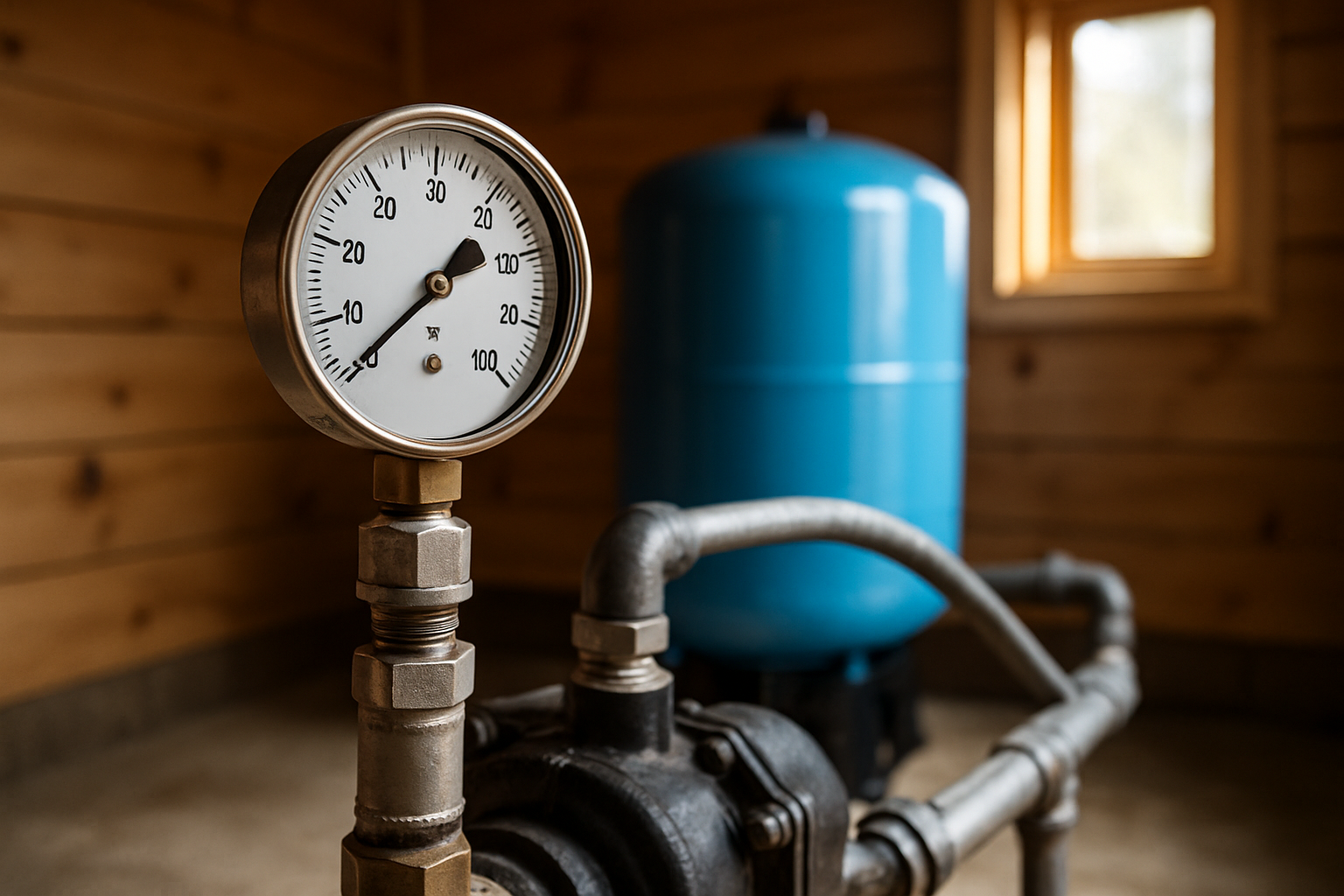
- Check the pressure gauge. Normal is roughly 40-60 psi. A zero reading usually points to the pump, the pressure switch, or a tank that's lost its air charge.
- Look at the breaker and pump power. A tripped breaker is common, but repeated tripping means it's time to call a professional.
- Listen for short-cycling. A pump that clicks on and off every few seconds usually indicates a waterlogged pressure tank.
- Inspect emitters and fixtures. Reduced flow at drip lines or faucets often means hard-water scale rather than a well fault.
- Walk the property for leaks. Wet spots near the wellhead or tank can bleed off pressure and waste water.
When to Call a Licensed Professional
Call a C-57 contractor when the pump won't hold pressure, when a well runs dry under normal use, when sediment or discoloration appears, or when you're weighing a new well, a softener, or an irrigation overhaul. A licensed professional can run a flow test, camera-inspect the casing, and tell you whether your trouble lies in the equipment or the aquifer — a distinction that matters greatly in fractured-rock country, where the wrong call can lead to needless drilling. For the very common hard-water complaints, a contractor can size a softener or conditioning system correctly for your household.
Realistic Cost Ranges
- Pressure switch replacement: $150-$350
- Pressure tank replacement: $600-$1,500
- Pump replacement: $2,500-$5,500
- Sediment filtration: $300-$900
- Iron/manganese treatment or water softener: $1,500-$3,500
- Constant-pressure or booster system: $2,000-$4,500
- New turnkey well: $18,000-$42,000 depending on depth and access
- Hydrofracturing for a low-yield well: $3,000-$8,000
- Well abandonment/decommissioning: $1,500-$5,000
Our diagnostic visit is $125, credited toward any work you approve. For most La Presa homes, the highest-value spending is usually on hard-water treatment and on replacing worn pumps or tanks before they fail completely and leave you without water.
Irrigation and Landscape Water in a Hilly Suburb
La Presa's terrain is one of its defining features: homes step up the slopes east of the Sweetwater Valley, and that topography shapes how water moves on every property. On a hillside lot, gravity is both a help and a hindrance — water pressure can be strong downhill and frustratingly weak uphill, and runoff carries soil and applied water away faster than on flat ground. The most resilient La Presa landscapes use drip and micro-spray irrigation that puts water exactly where roots need it, run zones at different times to manage limited pressure, and lean on drought-tolerant and California-native plantings that fit San Diego's long dry season. Because the region's water is hard, irrigation lines and emitters benefit from periodic flushing and, where well water is involved, from sediment filtration that keeps granite grit out of the system.
Whether you're maintaining a modest backyard or a larger semi-rural parcel toward Jamul, matching your irrigation design to the slope, the soil, and the local water chemistry is what keeps plants healthy and water bills under control. We help homeowners and property managers build and repair systems that work with the hillside instead of against it.
Serving La Presa and the Sweetwater Area
Southern California Well Service is a licensed C-57 water well drilling contractor with more than 30 years of experience and a 4.9-star rating, serving San Diego, Riverside, and San Bernardino Counties. From our Ramona office we cover La Presa, Spring Valley, Jamul, and the surrounding Sweetwater communities, with same-day emergency response when you have no water. We give honest assessments suited to a suburban San Diego community — no upselling you a grove-scale system you don't need.
Frequently Asked Questions
Can you grow avocados in La Presa?
Not on any meaningful scale. La Presa is a built-up suburban community on municipal water. San Diego County's avocado groves are north and inland in places like Fallbrook and Valley Center, where the hillsides and climate suit the crop.
Are there still wells in the La Presa area?
Most homes use municipal water, but rural and semi-rural parcels toward Jamul and the Sweetwater corridor still rely on private wells drilled into fractured granite.
Why is my La Presa water so hard?
Both local groundwater and imported San Diego supply are mineral-rich, leaving scale in pipes and fixtures. A properly sized softener or conditioner solves it.
How deep are wells around here?
It varies with the fractures. Some wells find water near 150 feet; others need 400 feet or more, even on neighboring lots.
Why is pressure weak at the top of my hillside lot?
Elevation differences between the well, tank, and house reduce pressure uphill. A booster or constant-pressure system usually fixes it.
What does a service call cost?
A diagnostic visit is $125, credited toward any repair you approve. Final cost depends on what we find.
Get Honest, Local Well Service in La Presa
If your La Presa well is losing pressure or your water is scaling up everything it touches, call the team that knows southeastern San Diego County. Reach Southern California Well Service at (760) 440-8520 or text (619) 259-0410. Same-day emergency service is available, and your $125 diagnostic is credited toward the work.