
Well Services for La Quinta Avocado Plantings
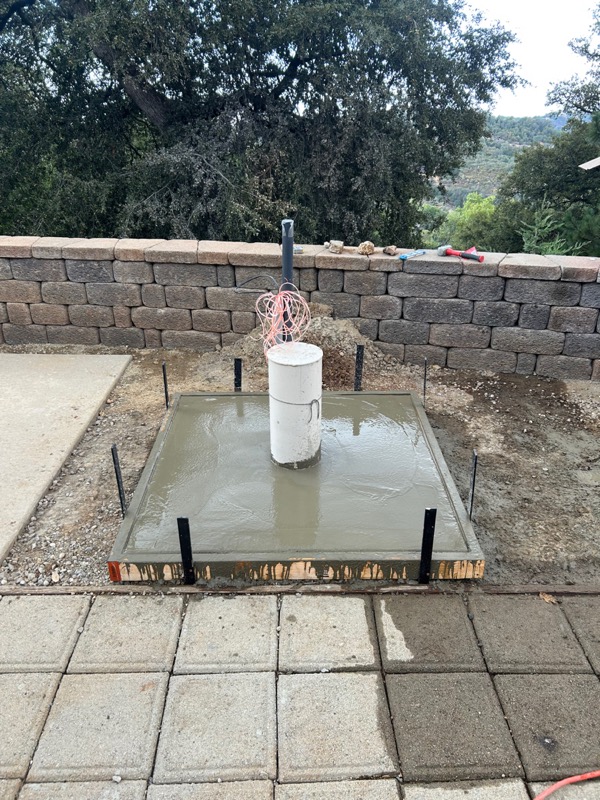
Thinking about avocados in La Quinta? Let's be honest up front: the low desert is one of the hardest places in California to grow them. These trees need large volumes of high-quality water and protection from extreme heat and salt. Southern California Well Service helps Coachella Valley property owners build the reliable, well-designed water systems that any serious attempt would require.
📋 In This Guide
- Avocado Water Demands
- Well Systems for Avocado Groves
- Chloride Sensitivity
- Partnering With Growers
- Related Articles
Need Help With Your Well in La Quinta?
Our expert technicians serve La Quinta with professional well services.
Related Articles
Continue learning about well maintenance and troubleshooting

Signs Your Well Pump Is Failing
Catch pump problems early before you lose water completely.
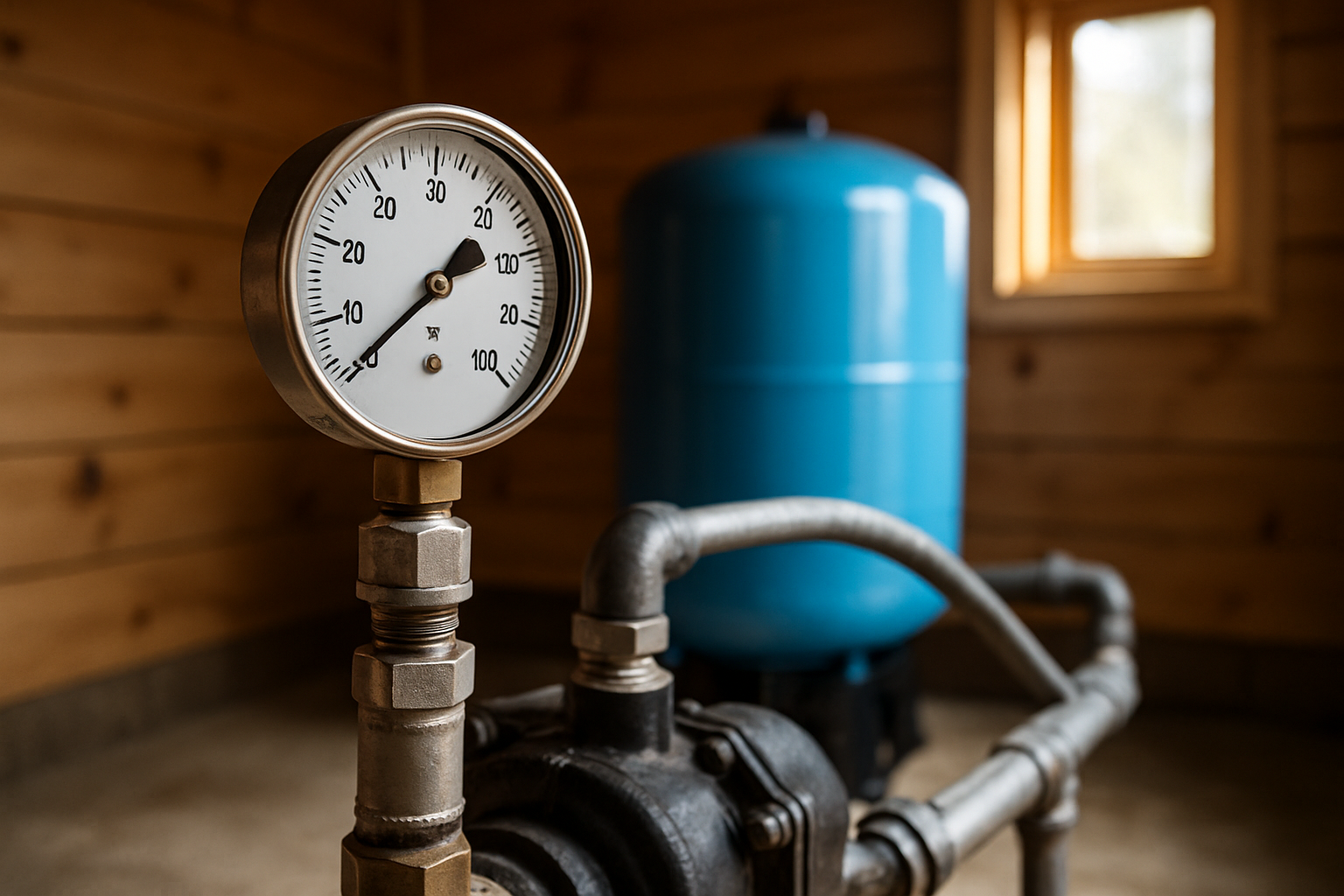
Low Water Pressure From Well
Diagnose and fix pressure problems before they get worse.

Well Maintenance Guide
Keep your well running smoothly with regular maintenance.
Our Locations
1077 Main St, Ramona, CA 92065
57174 US Highway 79, Anza, CA 92539
Avocados in La Quinta: An Honest Look at a Hard Desert
La Quinta sits in the Coachella Valley of Riverside County, deep in the Colorado Desert. This is not traditional avocado country, and it would be a disservice to pretend otherwise. Summer highs routinely climb well past 110 degrees, the humidity is very low, and the regional water supply draws on the Coachella Valley aquifer, where some areas carry elevated salinity and total dissolved solids. The crops that thrive here are date palms and citrus, which is exactly why those are what you see across the valley floor.
Avocados, by contrast, are a temperate, thin-skinned, salt-sensitive subtropical tree. The same conditions that make La Quinta a world-class date and grapefruit region work against avocados at almost every turn: searing afternoons that scorch foliage and sunburn bark, dry air that drives extreme water loss, and groundwater that can carry more salt than the trees tolerate. None of that makes a backyard or experimental avocado impossible, but it does make it a difficult, niche, high-input endeavor rather than a reliable commercial crop.
If you still want to try, the path runs through engineering and water management, not wishful thinking. A serious attempt needs heavy shade for young trees, salt-tolerant rootstock, excellent drainage with a deliberate leaching program, and a high-volume, high-quality water supply you can count on through the brutal summer. That last piece is where a well-designed system matters most, and it is where we can help. The sections below explain what an avocado planting demands here, how to build a water system around those demands, and why salinity is the make-or-break variable in the Coachella Valley.
Avocado Irrigation Water Needs in La Quinta
In a mild coastal climate a mature avocado uses roughly 40 to 70 gallons per day in summer. In La Quinta's extreme desert heat, evapotranspiration is far higher, so a tree that survives here can demand well beyond that figure, and a planting can push past 6 acre-feet per acre per year, more than nearly any traditional avocado district. On top of the trees' own consumption, the desert grower must apply additional water as a leaching fraction to flush accumulating salts below the root zone, which raises total demand further still.
The critical periods are the same as everywhere, bloom, fruit set, and the long summer fruit-sizing stretch from June through September, but here those windows coincide with the most punishing heat of the year. Any interruption in supply during a desert summer can kill trees outright rather than merely reduce yield. These are planning ranges that vary enormously with tree age, shade, soil, and water quality, and in this climate the prudent assumption is that water use will run toward the very top of any published range.
Designing a Well & Irrigation System for an Avocado Grove
Because demand is so high, the sustained yield of the well and the size of the storage system both have to be generous. Where a coastal grove might plan around 5 to 10 gallons per minute per acre, a desert planting should be designed with extra headroom for peak heat and for the leaching water that salts make necessary. Undersizing the system here is the fastest way to lose trees.
The components we design and install include:
- Submersible pumps sized to the well's tested yield, draw-down, and total dynamic head, with capacity to spare for the summer peak.
- Generous storage tanks or reservoirs to cover the enormous daytime demand and to buffer against any pump or power interruption, which in this heat is a life-or-death issue for the trees.
- Booster pumps for consistent pressure across the planting.
- Filtration to protect emitters from sand and sediment.
- Micro-sprinklers or drip chosen and scheduled to keep the root zone moist and to carry out frequent leaching; high-frequency irrigation helps manage both heat and salt.
- Excellent drainage so the leaching water actually moves salts down and away rather than concentrating them.
Notably, frost is rarely the limiting factor in the low desert. Heat, water quantity, and salinity are the real challenges, so the design effort goes into shade for young trees, volume, and salt control rather than frost protection.
Water Quality: Why Salinity and Chloride Matter So Much
This is the heart of the matter in La Quinta. Avocados are among the most salt-, chloride-, and sodium-sensitive tree crops grown anywhere, and Coachella Valley groundwater in some areas carries elevated salinity and total dissolved solids. Chloride accumulates in the leaves and produces tip burn and decline; the general target is to keep chloride well under roughly 100 to 150 ppm, which can be genuinely hard to meet with local water. Sodium and the sodium adsorption ratio (SAR) matter too, and overall salinity, tracked as electrical conductivity (EC), is often the first thing to disqualify a site.
Because of all this, water testing is not a formality here, it is the deciding step. Where salts are elevated, the realistic tools are:
- Thorough testing of water and of soil and leaf tissue, before and during any planting.
- Blending with a higher-quality source where one exists, or treating the water.
- A large leaching fraction to keep salts moving below the root zone.
- The most salt-tolerant clonal rootstocks available, such as Dusa and Toro Canyon, recognizing that even these have limits.
Common Well Problems for La Quinta Growers
In the Coachella Valley, the issues we encounter most often include:
- Elevated salinity and chloride in the groundwater itself, the defining challenge for any salt-sensitive crop.
- Heavy seasonal demand outstripping a well's capacity during the hottest months.
- Sand and sediment from desert alluvium abrading pumps and clogging emitters.
- Mineral scaling on pumps, pipe, and tanks from high-TDS water.
- Aquifer drawdown and declining water levels under sustained heavy pumping.
- Iron, manganese, and other minerals that foul filters and equipment.
Maintenance & Drought Reliability
In this climate, a reliable well is everything, so maintenance is non-negotiable. We recommend an annual inspection with a flow test, static and pumping water-level readings, a water-quality check focused on salinity, and a review of the pump, controls, and storage. Tracking those numbers over time shows whether the well is aging or the aquifer is declining. When yield falls, well rehabilitation can restore specific capacity, and hydrofracturing can improve output in suitable formations.
Drought and heat reliability come from redundancy and ample storage, which in the desert are not luxuries but necessities, since a few hours without water during a 115-degree afternoon can be fatal to trees. The Coachella Valley aquifer is managed under the Sustainable Groundwater Management Act (SGMA), so planning your supply around long-term basin conditions is both responsible and practical.
When to Call a Professional
Contact a licensed well professional if you notice any of these warning signs:
- Pressure at the emitters or sprinklers steadily dropping during peak demand.
- Air spurting or sputtering from the system, which can mean a falling water level.
- Sand or grit appearing in filters or lines.
- Power bills rising as a struggling pump labors for less water.
- Leaf burn, salt symptoms, or declining tree health that point to water quality or supply problems.
Cost Ranges
Every site is different, but these planning ranges set expectations. Final pricing depends on depth, geology, and access, all of which can be substantial in the desert.
| Service | Typical Range |
|---|---|
| New agricultural well (turnkey) | $25,000 – $60,000+ |
| High-capacity pump | $3,000 – $8,000 |
| Hydrofracturing to boost yield | $3,000 – $8,000 |
| Diagnostic visit (credited toward work) | $125 |
Serving La Quinta Avocado Growers
Southern California Well Service is a licensed C-57 water well drilling contractor with more than 30 years of experience and offices in Ramona (1077 Main St, Ramona, CA 92065) and Anza (57174 US Highway 79, Anza, CA 92539). We serve San Diego, Riverside, and San Bernardino counties, and La Quinta and the wider Coachella Valley fall within our service area. Whether you are weighing an ambitious experimental avocado planting or simply need a dependable, high-quality water supply for date palms, citrus, or landscape, our 4.9-star-rated team handles new well drilling, pump repair, storage and booster systems, and water treatment. We will give you an honest assessment of what your water can and cannot support. Reach us at (760) 440-8520 or text (619) 259-0410.
Frequently Asked Questions
Can you grow avocados in La Quinta?
It is difficult and niche, not traditional avocado country. La Quinta sits in the Colorado Desert with summer highs well over 110 degrees, very low humidity, and often saline groundwater. Avocados can sometimes survive as a backyard or experimental planting with heavy shade, salt-tolerant rootstock, excellent drainage, and large volumes of high-quality water, but date palms and citrus are the realistic norm here.
How much water would an avocado tree need in La Quinta?
A great deal. In extreme desert heat a mature avocado can demand well beyond the 40 to 70 gallons per day a coastal tree uses, and a planting can push past 6 acre-feet per acre per year because evapotranspiration is so high. Extra water is also needed to leach salts, so total demand is substantial.
Why is salinity such a problem for avocados in the Coachella Valley?
Avocados are among the most salt- and chloride-sensitive tree crops, and Coachella Valley groundwater in some areas carries elevated salinity and total dissolved solids. That combination causes leaf burn and decline unless growers use salt-tolerant rootstock, high-quality or blended water, and a generous leaching fraction.
What does a new agricultural well cost near La Quinta?
A turnkey agricultural well typically ranges from about $25,000 to $60,000 or more depending on depth and geology. High-capacity pumps run $3,000 to $8,000 and hydrofracturing is roughly $3,000 to $8,000. A diagnostic visit is $125, credited toward any work performed.
Is frost a concern for La Quinta orchards?
Frost is rarely the limiting factor in the low desert; extreme heat and salinity are the real challenges. The bigger priorities are heavy summer water volume, shade for young trees, salt management, and excellent drainage.
Do you serve La Quinta and the Coachella Valley?
Yes. Southern California Well Service is a licensed C-57 contractor serving San Diego, Riverside, and San Bernardino counties, including La Quinta and the Coachella Valley. Call (760) 440-8520 or text (619) 259-0410.
Call (760) 440-8520 or text (619) 259-0410 for a grove water assessment.