
Well Services for Lake Arrowhead Avocado Groves
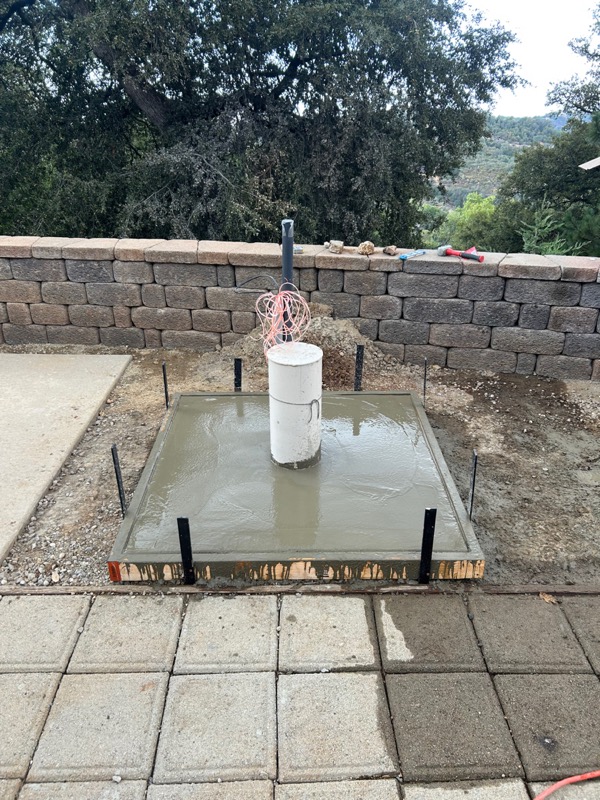
Growing avocados in Lake Arrowhead? These water-loving trees need reliable, high-quality well water for healthy production. Southern California Well Service supports San Bernardino County avocado growers with specialized well services.
📋 In This Guide
- Avocado Water Demands
- Well Systems for Avocado Groves
- Chloride Sensitivity
- Partnering with Lake Arrowhead Avocado Growers
- Related Articles
Avocado Water Demands
Avocados are thirsty trees:
- Mature tree: 40-70 gallons per day in summer
- Per acre: 4-6 acre-feet per year
- Critical periods: Fruit set and sizing
A reliable well is essential for profitable avocado production in San Bernardino County.
Well Systems for Avocado Groves
- High-capacity agricultural wells
- Storage tanks for peak demand periods
- Drip irrigation systems for efficiency
- Micro-sprinklers for young trees
- Pressure regulation for uniform coverage
Chloride Sensitivity
Avocados are highly sensitive to chloride in irrigation water. If your Lake Arrowhead well has elevated chloride:
- Blending with lower-chloride water source
- Leaching irrigation to flush salts
- Rootstock selection for salt tolerance
- Regular soil and leaf testing
We test well water for avocado-critical parameters.
Partnering with Lake Arrowhead Avocado Growers
Avocados are a major crop in San Bernardino County, and reliable water is essential for success. Contact us for well services designed for avocado production.
Need Help With Your Well in Lake Arrowhead?
Our expert technicians serve Lake Arrowhead and all of San Bernardino County with professional well services.
Related Articles
Continue learning about well maintenance and troubleshooting

Signs Your Well Pump Is Failing
Catch pump problems early before you lose water completely.
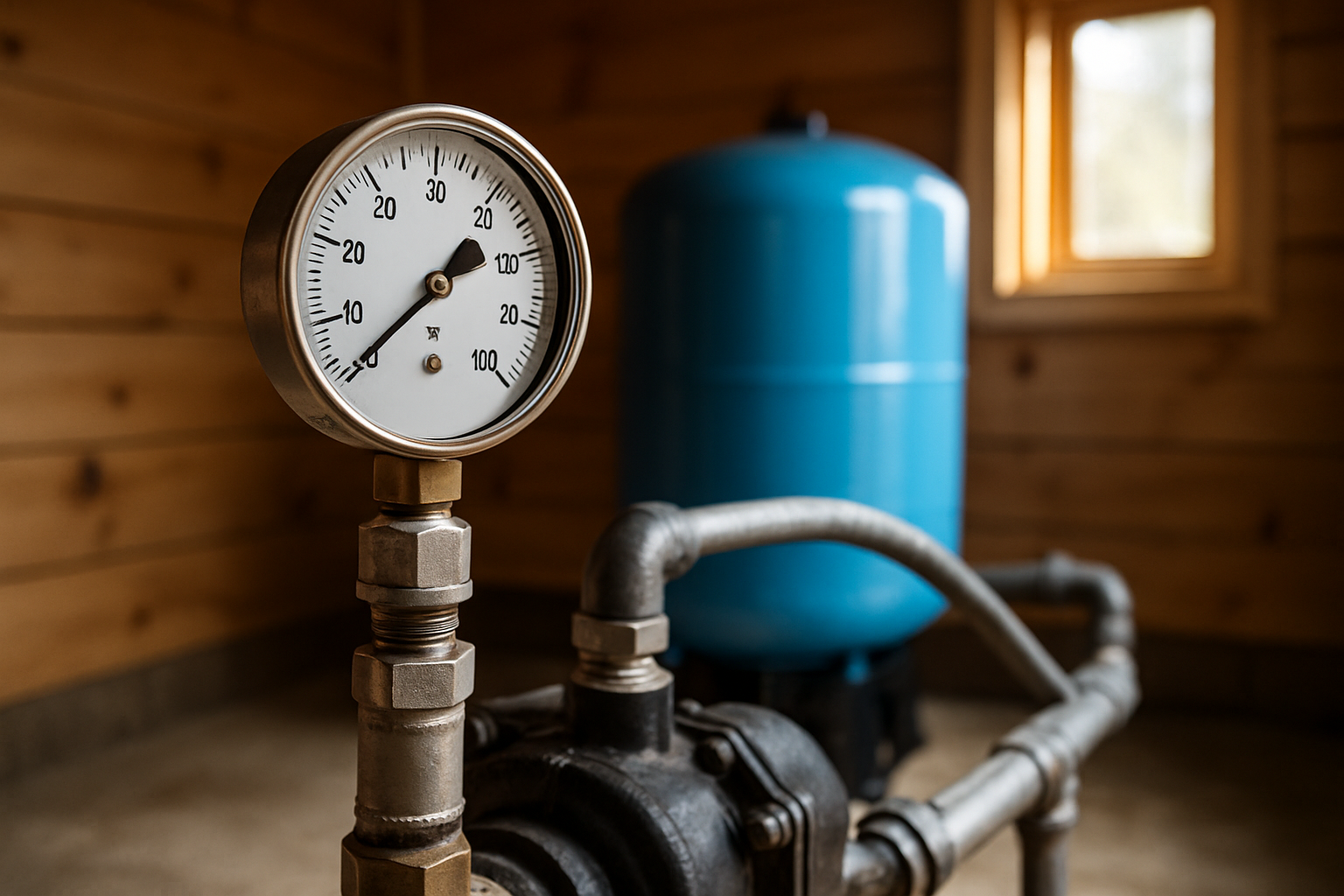
Low Water Pressure From Well
Diagnose and fix pressure problems before they get worse.
Well Maintenance Guide
Keep your well running smoothly with regular maintenance.
Our Locations
1077 Main St, Ramona, CA 92065
57174 CA-371 (US Hwy 79), Anza, CA 92539
Lake Arrowhead Well Water: The Honest Mountain Picture
Lake Arrowhead is an alpine resort community high in the San Bernardino Mountains of San Bernardino County, sitting around 5,100 feet among tall pines and dramatic granite outcrops. It is a place of cool summers, snowy winters, and lakefront cabins — and it is decidedly not avocado country. Avocados are frost-tender subtropicals that cannot survive the hard freezes and winter snowpack that define the Rim of the World communities. If you came here looking for grove-irrigation help, the realistic and more useful subject is mountain water: private wells serving cabins and year-round homes, water for fire-defensible landscaping, and keeping cold-hardy plantings and ornamentals alive through dry mountain summers. That is the work that genuinely matters in Lake Arrowhead, and the steep, rocky terrain makes it specialized work.
Many homes around the lake and in the surrounding communities — Blue Jay, Twin Peaks, Cedar Glen, and Rimforest among them — receive water through the Lake Arrowhead Community Services District, but private wells still serve plenty of properties on the forested ridges and in the outlying areas where district mains don't reach. For those owners, understanding how a mountain well behaves is essential.
How Mountain Wells Work Around Lake Arrowhead
The San Bernardino Mountains are built largely of granite and fractured crystalline rock, overlain in places by deeper weathered material and mountain alluvium in the valleys and meadows. Water doesn't sit in a broad, shallow table here; it collects in fractures and joints within the bedrock and in pockets of decomposed granite. As a result, Lake Arrowhead wells are frequently low-to-moderate yield but steady, and two wells on adjacent lots can differ greatly in depth and output depending on the fractures each one happens to cross.
The standard mountain solution is storage. A modest well trickles into a storage tank around the clock, and a booster pump draws from the tank to provide strong, reliable household pressure on demand. This layout lets a slow fracture support a full home — including the higher flows needed for fire sprinklers — without ever pumping the well dry. If your cabin's pump feeds the pressure tank directly and you notice the well struggling during heavy summer use or when guests visit, adding storage is usually the answer.
Common Lake Arrowhead Well Scenarios
- Freeze damage. Lake Arrowhead's hard winters crack above-ground tanks, split exposed pipe, and freeze pressure switches, especially at cabins that sit empty and unheated for stretches.
- Seasonal yield swings. Fractured-rock wells depend on snowmelt and winter rain to recharge; after a dry winter, a well can fall short by late summer.
- Granite sediment. Decomposed granite sheds fine grit that wears pump impellers and clogs screens, filters, and aerators.
- Steep-lot lift. Many properties sit well above or below the wellhead, forcing the pump to lift water a long vertical distance and stressing undersized equipment.
- Storm-related power problems. Mountain outages and voltage spikes during winter storms are hard on pump motors and control boxes.
- Vacation-home neglect. Systems that sit idle for months can develop stagnant water, stuck check valves, and undetected slow leaks.
What to Check Before You Call
- Read the pressure gauge. Normal is roughly 40-60 psi. A zero or very low reading usually means the pump, the switch, or a tank that has lost its air charge.
- Check the breaker and any control box. A breaker tripped after a storm is common; if it trips again right away, stop and call a professional.
- Listen for short-cycling. Rapid on-off pump cycling usually signals a waterlogged pressure tank.
- Consider the season. Trouble that appears in deep winter points to freeze damage; trouble only under heavy summer use points to yield or storage.
- Look for leaks and stagnation. At a cabin reopened after months, check for wet ground, stuck valves, and water that needs flushing.
Don't attempt to pull a deep mountain pump yourself — it's heavy, hazardous work that needs proper equipment.
When to Call a Licensed Professional
Call a C-57 contractor when the pump won't build pressure, when the well runs dry under normal use, when you see sediment or discoloration, when freeze damage hits, or when you're considering a new well or major repair. A licensed driller can flow-test the well to measure true yield, camera-inspect the casing, and determine whether the problem is the equipment or the aquifer. In the San Bernardino Mountains, that distinction can be the difference between a modest repair and an unnecessary new bore.
Realistic Cost Ranges
- Pressure switch replacement: $150-$350
- Pressure tank replacement: $600-$1,500
- Submersible pump replacement: $2,500-$5,500 (deeper mountain sets trend higher)
- Sediment filtration for granite grit: $300-$900
- Iron/manganese treatment or softener: $1,500-$3,500
- Constant-pressure or booster system: $2,000-$4,500
- New turnkey well: $18,000-$42,000 depending on depth and access
- Hydrofracturing to boost a low-yield well: $3,000-$8,000
- Well abandonment/decommissioning: $1,500-$5,000
Our diagnostic visit is $125, credited toward any authorized work. For struggling low-yield Lake Arrowhead wells, hydrofracturing often improves output at a fraction of the cost of a new well, and winterizing a vulnerable setup before the snow flies can prevent far more expensive freeze repairs.
Serving Lake Arrowhead and the Rim Communities
Southern California Well Service is a licensed C-57 water well drilling contractor with more than 30 years of experience and a 4.9-star reputation, serving San Bernardino, Riverside, and San Diego Counties. We reach Lake Arrowhead and the surrounding Rim of the World communities — Blue Jay, Twin Peaks, Cedar Glen, Rimforest, and Crestline nearby — and offer same-day emergency response when you lose water. We build and repair systems suited to alpine conditions, not to a flatland grove, and we'll always give you an honest read on what your mountain well actually needs.
Frequently Asked Questions
Can avocados grow in Lake Arrowhead?
No. At around 5,100 feet with snowy winters and hard freezes, Lake Arrowhead's climate would kill avocado trees. Cold-hardy fruit and mountain-appropriate landscaping are the realistic choices, and that's where we focus.
Why does my Lake Arrowhead well slow down in summer?
Fractured-granite wells recharge from snowmelt and winter rain. After a dry winter the fractures hold less water, so yield can drop by late summer. Storage capacity is usually the fix.
How do I keep my well from freezing?
Insulate the pump house, wrap exposed pipe and the pressure tank, protect the pressure switch, and properly winterize cabins left unheated. We can prepare a vulnerable system before the first hard freeze.
How deep are wells here?
It depends on where the bore crosses water-bearing fractures. Many mountain wells fall in the 200-to-500-foot range, but neighboring lots can vary widely.
I just reopened my cabin — why is my water off or dirty?
Idle systems can develop stuck valves, lost tank pressure, or stagnant water that needs flushing. A quick service visit gets a seasonal home back online safely.
What does a service call cost?
A diagnostic visit is $125, credited toward any repair you approve. Final cost depends on what we find.
Get Mountain-Experienced Well Service at Lake Arrowhead
If your Lake Arrowhead well is losing pressure, running short in summer, or showing freeze damage, don't let a small problem become a no-water emergency. Call Southern California Well Service at (760) 440-8520 or text (760) 219-5877. Same-day emergency service is available, and every diagnostic is credited toward your repair.