
Well Services for Lake Elsinore Avocado Groves
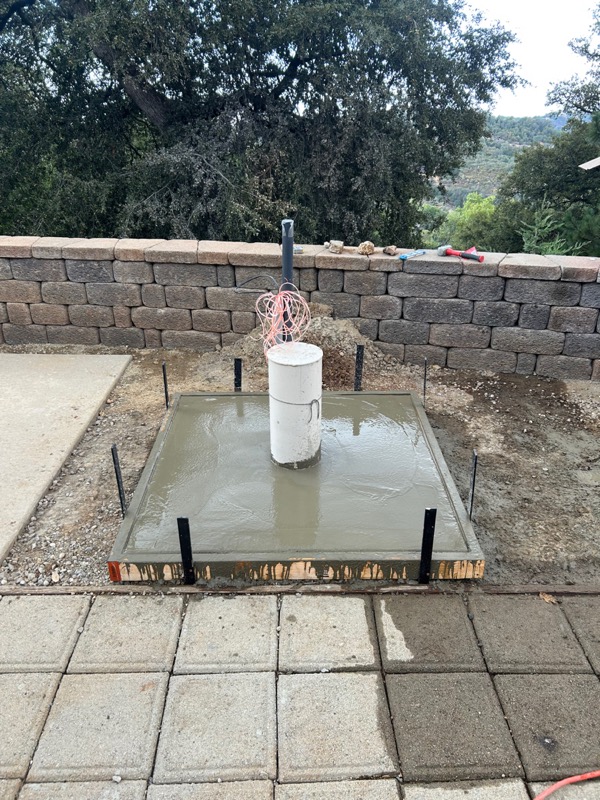
Growing avocados in Lake Elsinore? These water-loving trees need reliable, high-quality well water for healthy production. Southern California Well Service supports Riverside County avocado growers with specialized well services.
📋 In This Guide
- Avocado Water Demands
- Well Systems for Avocado Groves
- Chloride Sensitivity
- Partnering with Lake Elsinore Avocado Growers
- Related Articles
Avocado Water Demands
Avocados are thirsty trees:
- Mature tree: 40-70 gallons per day in summer
- Per acre: 4-6 acre-feet per year
- Critical periods: Fruit set and sizing
A reliable well is essential for profitable avocado production in Riverside County.
Well Systems for Avocado Groves
- High-capacity agricultural wells
- Storage tanks for peak demand periods
- Drip irrigation systems for efficiency
- Micro-sprinklers for young trees
- Pressure regulation for uniform coverage
Chloride Sensitivity
Avocados are highly sensitive to chloride in irrigation water. If your Lake Elsinore well has elevated chloride:
- Blending with lower-chloride water source
- Leaching irrigation to flush salts
- Rootstock selection for salt tolerance
- Regular soil and leaf testing
We test well water for avocado-critical parameters.
Partnering with Lake Elsinore Avocado Growers
Avocados are a major crop in Riverside County, and reliable water is essential for success. Contact us for well services designed for avocado production.
Need Help With Your Well in Lake Elsinore?
Our expert technicians serve Lake Elsinore and all of Riverside County with professional well services.
Related Articles
Continue learning about well maintenance and troubleshooting

Signs Your Well Pump Is Failing
Catch pump problems early before you lose water completely.
Low Water Pressure From Well
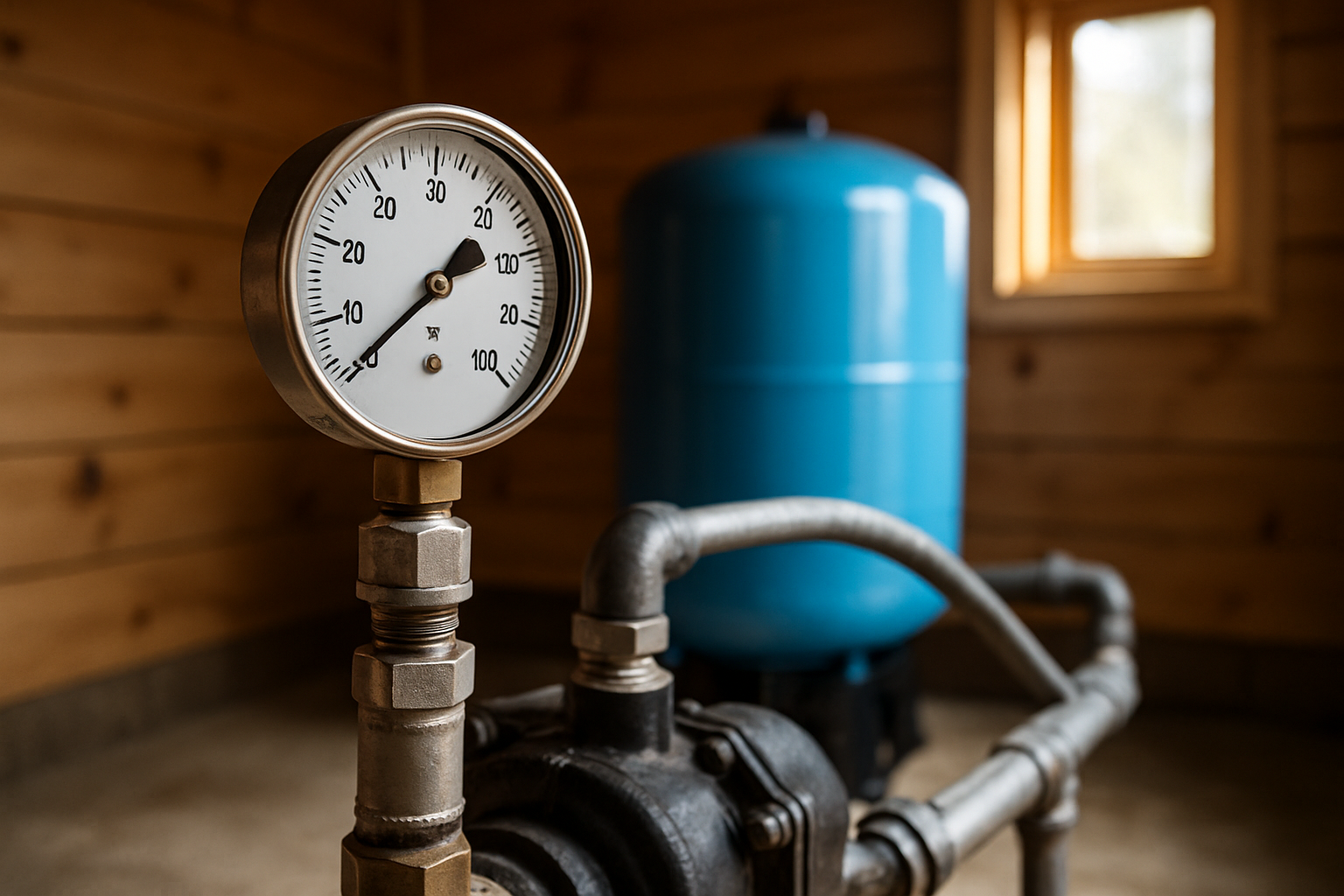
Diagnose and fix pressure problems before they get worse.
Well Maintenance Guide
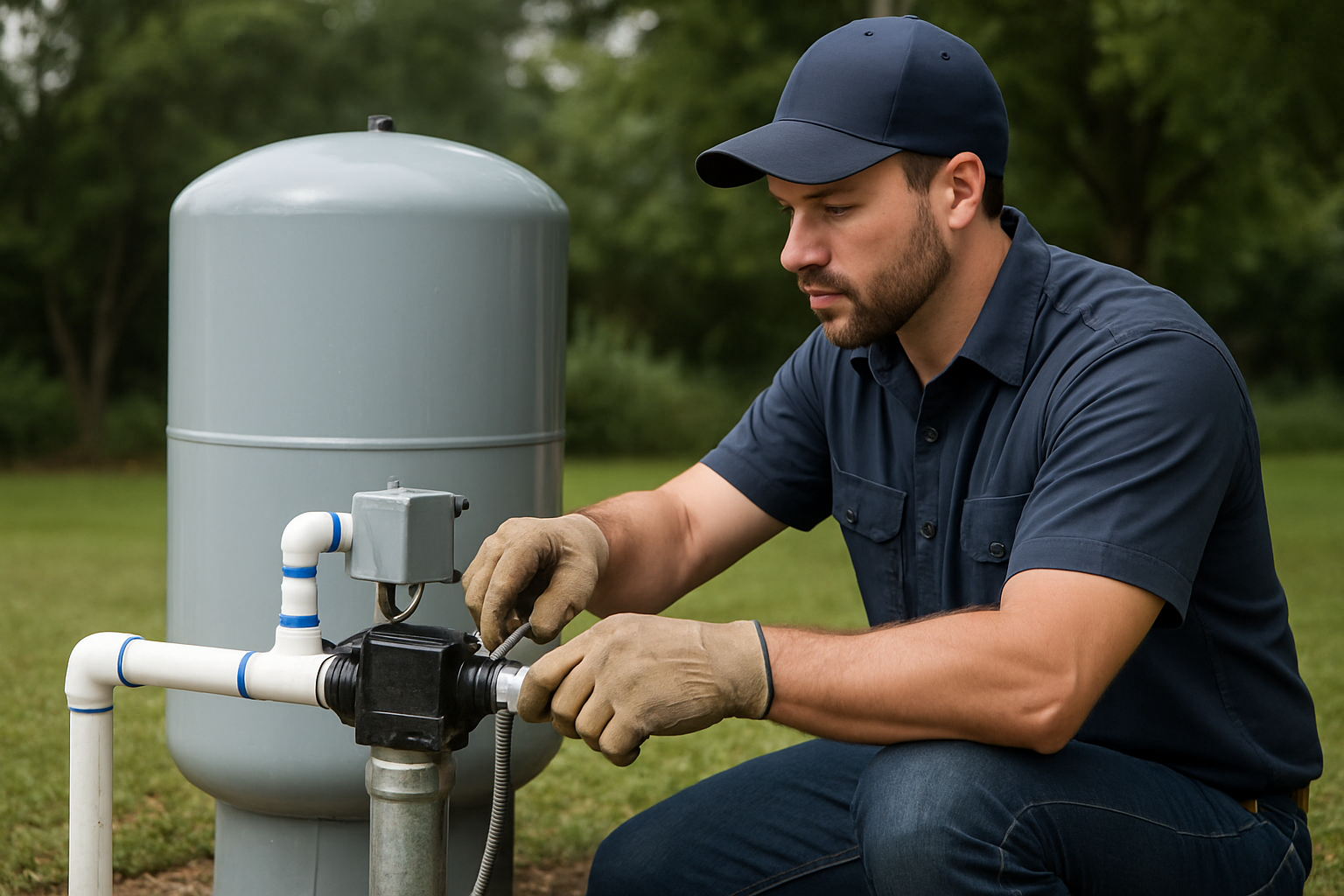
Keep your well running smoothly with regular maintenance.
Our Locations
1077 Main St, Ramona, CA 92065
57174 US Highway 79, Anza, CA 92539
Well Water in Lake Elsinore: A Realistic Local Guide
Lake Elsinore sits in a broad valley in southwestern Riverside County, wrapped around the largest natural freshwater lake in Southern California. It's a fast-growing community of family neighborhoods, ranch parcels, and open foothills, framed by the Santa Ana Mountains to the west and the Elsinore fault running right through the valley floor. While the inland valleys of Riverside and San Diego Counties do include real avocado and citrus country — and groves are scattered across the warmer, frost-protected hillsides of the broader region — Lake Elsinore itself is more semi-arid valley than dedicated grove land. Most homes draw municipal water from Elsinore Valley Municipal Water District, while rural and large-lot properties on the valley's edges and in the surrounding hills rely on private wells. So an honest local water guide here covers household and irrigation wells, the valley's distinctive geology, and the realities of growing anything water-hungry in a hot, dry climate — with avocados being a possibility only on the right protected, well-watered sites, not a given.
If you do tend avocado or citrus trees on a favorable Lake Elsinore parcel, the cautions are the same ones that govern grove water everywhere in the region: reliable supply, careful salinity management, and irrigation matched to the trees' real demand. For most local property owners, though, the day-to-day concern is keeping a dependable household well and a healthy landscape going through long, rainless summers.
How Wells Work in the Lake Elsinore Valley
The Elsinore valley floor is filled with alluvial sediments washed down from the surrounding mountains, while the bordering foothills are granite and fractured bedrock. That gives the area two very different well environments. Wells in the valley alluvium can tap a genuine groundwater basin and often produce moderate-to-good yields, while wells drilled into the foothill bedrock behave like fractured-rock wells elsewhere — yield depends on hitting water-bearing fractures and can vary sharply from lot to lot. The Elsinore fault adds another wrinkle: faults can act as both conduits and barriers to groundwater, and the area's historic warm springs are a reminder that geothermal and mineralized water exists at depth in parts of the valley.
For property owners, the practical takeaway is that a well's design should match where it sits. A valley-floor well may support strong household and irrigation use directly, while a foothill well often benefits from a storage tank and booster pump to turn a steady-but-modest yield into reliable on-demand pressure.
Common Local Well Scenarios
- Drought-driven yield loss. Southern California's dry cycles lower water tables; a well that ran fine in wet years can fall short after a string of dry winters.
- Mineral and salinity issues. Parts of the valley carry mineral-rich or saline groundwater, which scales equipment and, on salt-sensitive crops like avocados, scorches foliage.
- Sediment and sand. Alluvial wells can pump fine sand that wears pumps and clogs screens and filters.
- Iron and sulfur. Iron staining and the occasional sulfur smell show up in some local wells and call for targeted treatment.
- Heat-stressed equipment. Hot Elsinore summers punish pumps, controls, and pressure tanks, and peak irrigation demand coincides with the hardest conditions.
- Aging systems. Many rural wells run on decades-old pumps and tanks that are due for replacement.
What to Check Before You Call
- Read the pressure gauge. Normal is roughly 40-60 psi. A zero reading usually means the pump, the switch, or a tank that has lost its air charge.
- Check the breaker and pump power. A tripped breaker is common; repeated tripping means stop and call a professional.
- Watch for short-cycling. A pump that rapidly clicks on and off usually signals a waterlogged pressure tank.
- Note the water itself. Sand, rust-colored staining, or a sulfur odor tells a technician a lot about what treatment you need.
- Look for leaks. Wet ground near the wellhead or tank can bleed pressure and waste water.
When to Call a Licensed Professional
Call a C-57 contractor when the pump won't hold pressure, when the well runs dry under normal use, when water quality changes, or when you're planning a new well, a treatment system, or an irrigation upgrade for a grove or large landscape. A licensed professional can flow-test the well, camera-inspect the casing, and measure water levels and chemistry — essential steps in a valley where conditions shift between the alluvial floor and the bedrock foothills. For avocado or citrus on a favorable site, that water testing is the foundation of protecting your trees from salt damage.
Realistic Cost Ranges
- Pressure switch replacement: $150-$350
- Pressure tank replacement: $600-$1,500
- Pump replacement: $2,500-$5,500
- Sediment filtration: $300-$900
- Iron/manganese treatment or water softener: $1,500-$3,500
- Constant-pressure or booster system: $2,000-$4,500
- New turnkey well: $18,000-$42,000 depending on depth and site
- Hydrofracturing for a low-yield foothill well: $3,000-$8,000
- Well abandonment/decommissioning: $1,500-$5,000
Our diagnostic visit is $125, credited toward any work you approve. In Lake Elsinore, the right investment depends entirely on your site — valley-floor owners often spend on treatment and pump upgrades, while foothill owners may benefit most from storage or hydrofracturing to firm up a variable well.
Serving Lake Elsinore and Southwest Riverside County
Southern California Well Service is a licensed C-57 water well drilling contractor with more than 30 years of experience and a 4.9-star rating, serving Riverside, San Diego, and San Bernardino Counties. From our Anza office in the Riverside County high country and our Ramona base, we reach Lake Elsinore, Wildomar, Lakeland Village, and the surrounding southwest Riverside communities, with same-day emergency response when you have no water. We tailor every recommendation to your specific valley or foothill setting — no guesswork, no upselling.
Frequently Asked Questions
Can you grow avocados in Lake Elsinore?
Only on the right site. Lake Elsinore's semi-arid valley climate is hot and dry, and avocados need frost protection, ample reliable water, and low-salinity supply. Some favorable, well-watered hillside parcels can support them, but it's not automatic the way it is in the county's dedicated grove districts.
How deep are wells in Lake Elsinore?
It depends on location. Valley-floor alluvial wells and foothill bedrock wells behave very differently, and depths range widely. A site evaluation is the only reliable guide.
Why does my well water stain fixtures or smell?
Iron staining and sulfur odor occur in some local wells. Targeted treatment — iron/manganese filtration or aeration — clears it up.
Why did my well lose capacity after dry years?
Drought lowers the water table, so the pump may no longer sit deep enough or the aquifer simply yields less. A flow test and water-level check reveal the cause.
Is the lake or the fault a factor in my well?
The Elsinore fault and the valley's geology genuinely affect groundwater movement and chemistry, which is why local experience matters when siting or servicing a well here.
What does a service call cost?
A diagnostic visit is $125, credited toward any repair you approve. Final cost depends on what we find.
Get Local Well Service in Lake Elsinore
If your Lake Elsinore well is losing pressure, changing quality, or running short after dry years, call the team that knows southwest Riverside County's valley and foothill water. Reach Southern California Well Service at (760) 440-8520 or text (619) 259-0410. Same-day emergency service is available, and your $125 diagnostic is credited toward the work.