Well Services for Lucerne Valley Avocado Groves
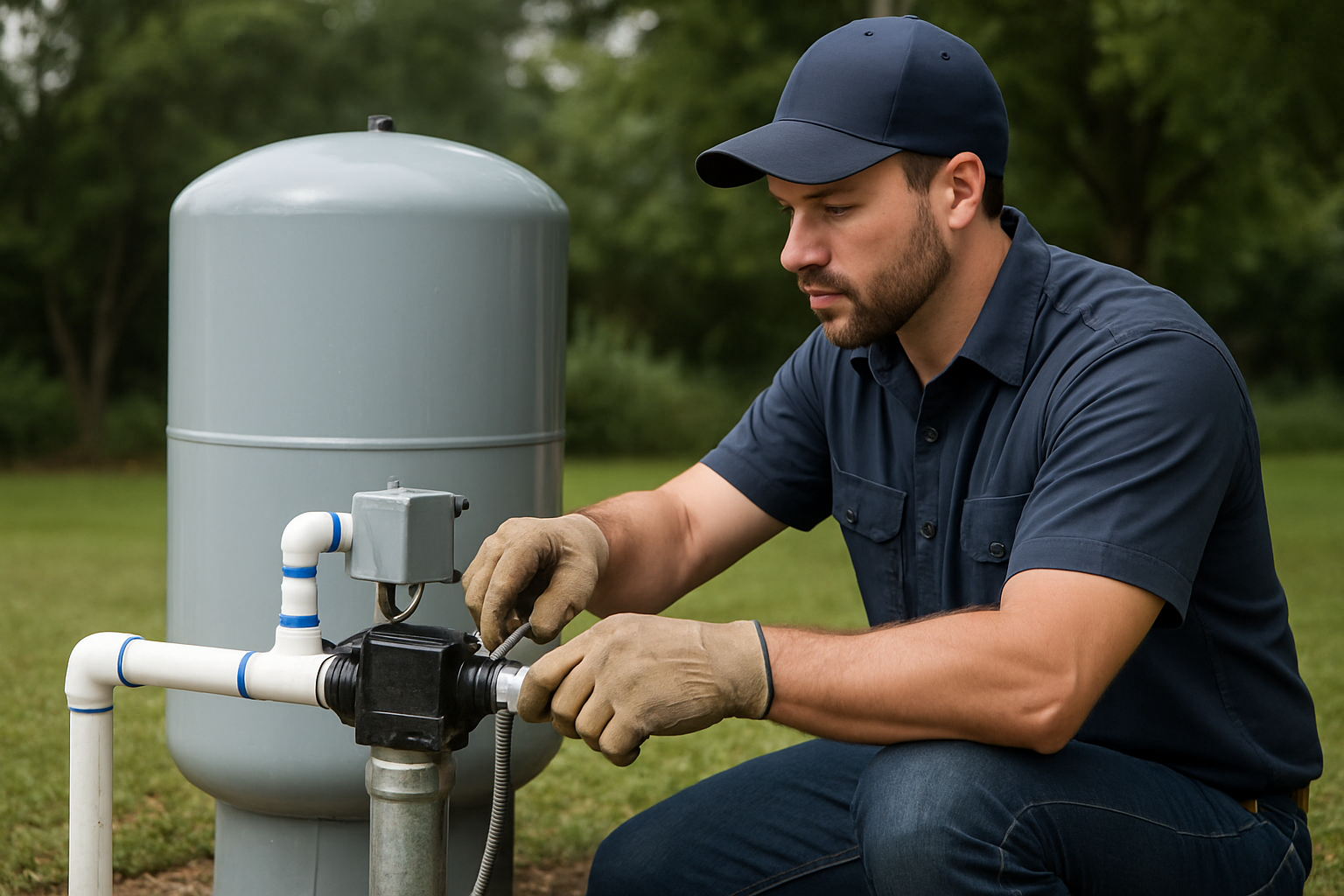
Looking for reliable well water in Lucerne Valley? Whether you manage landscape irrigation, an agricultural parcel, or a private domestic well, Southern California Well Service helps San Bernardino County property owners keep clean, dependable water flowing. Below we explain how local water systems really work here — honestly.
📋 In This Guide
The Local Water Reality in Lucerne Valley
Here is the honest picture: Lucerne Valley is high-desert Mojave country where avocados do not grow — but it is genuine well country, and a reliable private well is the lifeline of nearly every property out here. Lucerne Valley is an unincorporated community in San Bernardino County, north of Big Bear and the San Bernardino Mountains, sitting at roughly 3,000 feet on the floor of the Mojave Desert. The climate is hot, dry, and windy, with sandy alluvial soils. Avocados — subtropical, frost-sensitive, and thirsty — simply cannot thrive in this environment. What does grow here is desert agriculture: alfalfa, hay, pistachios, and hardy livestock forage, all of it irrigated from deep groundwater.
Because there is no municipal water network reaching most of the valley, almost everyone relies on a private well drilled into the desert aquifer. These are real, often deep wells — and the depth to water can be significant in the Mojave, frequently several hundred feet. That makes professional drilling, pump selection, and maintenance genuinely important rather than optional. When a well fails out here, there is no city main to fall back on. This is exactly the kind of country Southern California Well Service was built to serve.
So unlike the urban San Diego neighborhoods, Lucerne Valley is a place where our full range of services — drilling, pump work, pressure systems, treatment, and yield improvement — directly applies. We just want to be clear that the crop is desert forage and tree nuts, not avocados.
How Well & Irrigation Systems Work Here
A typical Lucerne Valley well system has several parts working together against demanding desert conditions:
- A deep submersible pump lifts water from the Mojave aquifer, often from several hundred feet down. Correct pump sizing for the depth and yield is critical to avoid burnout.
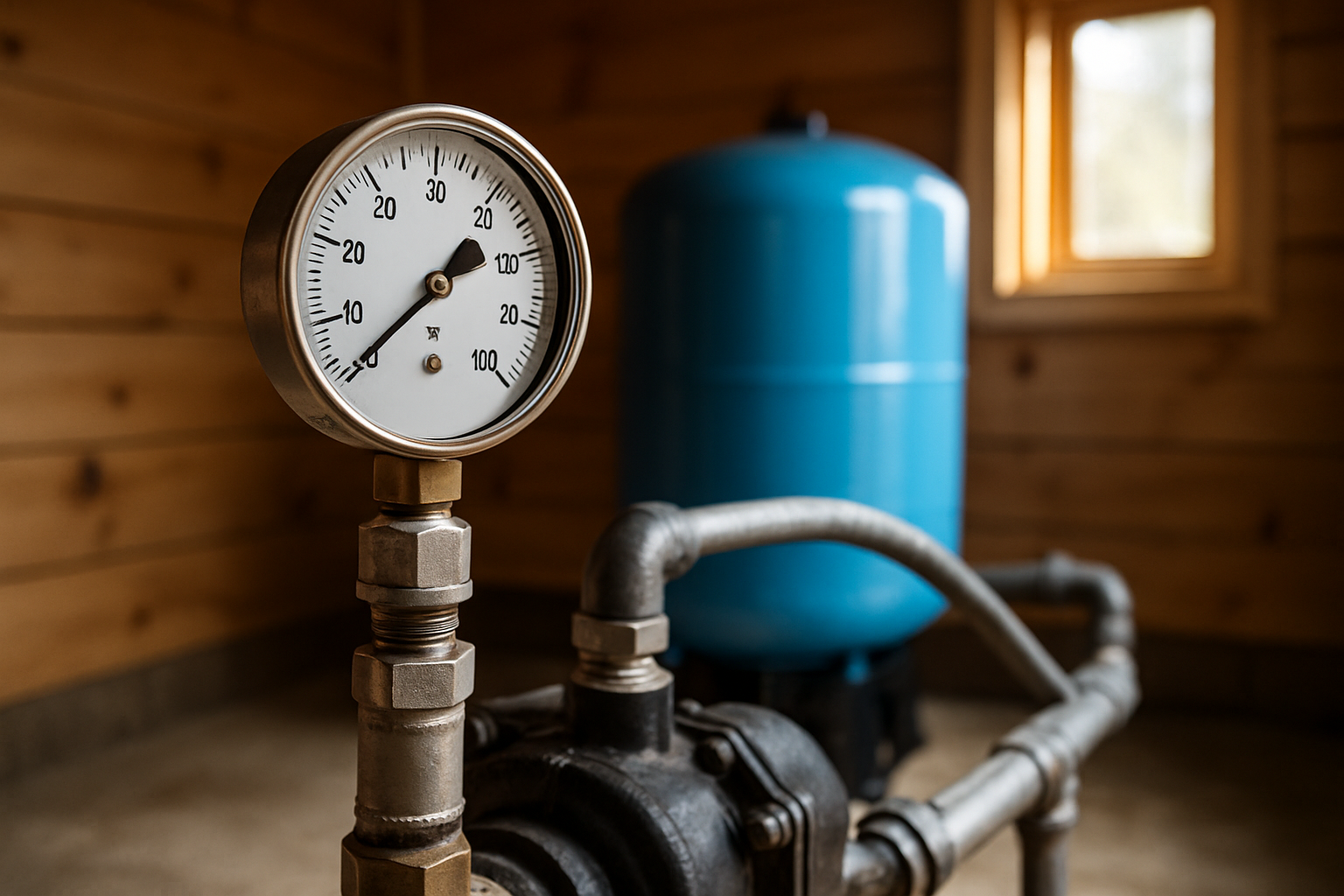
- A pressure tank and pressure switch store water and maintain household or barn pressure between pump cycles.
- Storage tanks are common and wise here: they buffer peak agricultural and livestock demand, ride out power outages, and let a modest well serve big needs.
- Treatment for hardness, iron, manganese, and high total dissolved solids is frequently necessary, since deep desert groundwater is mineral-rich.
- Constant-pressure or booster systems deliver steady flow across long runs to fields, troughs, and outbuildings.
- Efficient drip and micro-spray stretch precious water across alfalfa stands, pistachio trees, and gardens in a place where every gallon counts.
Desert wells work hard. Heat, sediment, mineral scale, and rural power fluctuations all stress pumps and controls, so proactive maintenance pays off.
Common Local Scenarios
"My well stopped producing or the pump won't keep up"
Deep desert pumps fail from age, scale, sand, or electrical issues. We diagnose pump, switch, and tank and replace what is needed — pump replacement runs $2,500-5,500.
"My well's yield has dropped over the years"
Declining yield is common as desert water levels move. Hydrofracturing ($3,000-8,000) can sometimes restore flow; if the well is truly spent, a new turnkey well ($18,000-42,000) may be the answer.
"My water is hard and stains everything"
Mineral-rich desert groundwater is the norm. Softening and iron/manganese treatment ($1,500-3,500) plus sediment filtration ($300-900) protect plumbing and irrigation.
"I need water storage for livestock and fields"
Storage tanks paired with a constant-pressure system ($2,000-4,500) let a modest well meet big agricultural demand reliably.
"I have an old dry well to deal with"
Proper abandonment and decommissioning ($1,500-5,000) keeps the aquifer protected and meets county requirements.
What to Check Yourself
- Watch the pressure gauge for short-cycling and listen for a pump running nonstop — both warn of trouble.
- Note any drop in flow at the tap or in irrigation, which can signal declining yield or a tiring pump.
- Look for sediment or sand in the water, common in desert wells and a sign filtration is needed.
- Check storage levels and refill rates to be sure your buffer is keeping up with demand.
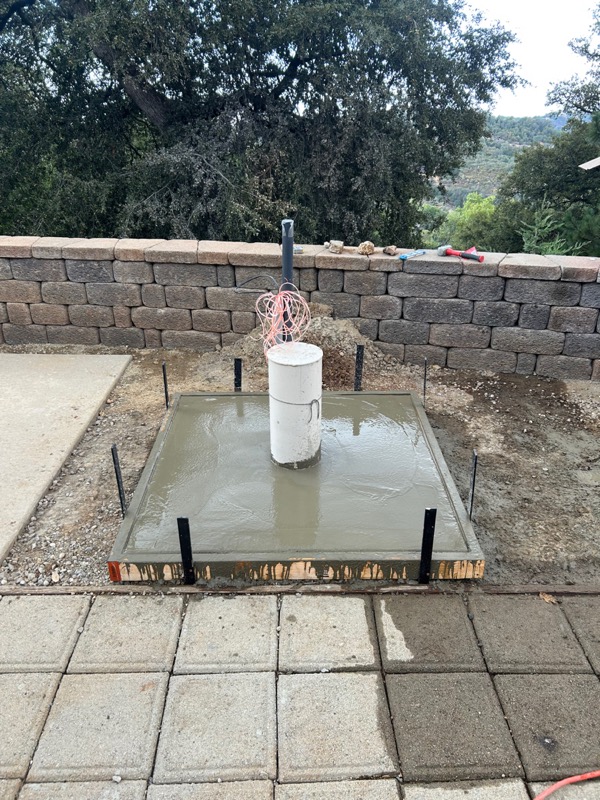
- Inspect the wellhead and wiring for weather and rodent damage out in the elements.
Realistic Cost Ranges
- Diagnostic visit: $125, credited toward work performed
- Pressure switch: $150-350
- Pressure tank: $600-1,500
- Pump replacement: $2,500-5,500
- Sediment filtration: $300-900
- Iron/manganese treatment or water softener: $1,500-3,500
- Constant-pressure or booster system: $2,000-4,500
- Hydrofracturing to improve yield: $3,000-8,000
- New turnkey well: $18,000-42,000
- Well abandonment/decommissioning: $1,500-5,000
Deeper desert wells tend toward the higher end of drilling ranges because of the depth to water in the Mojave.
When to Call a Pro
Out here, call the moment a well loses pressure or yield, when a pump or tank fails, when desert water needs treatment, when you need storage and constant pressure for livestock or crops, or when a new well or decommissioning is required. With no city main to fall back on, fast, expert service is essential. Southern California Well Service brings 30-plus years of experience, a C-57 license, 4.9 stars, and same-day emergency response to Lucerne Valley and the wider Mojave.
Surviving on Groundwater in the High Desert
Lucerne Valley embodies what it means to live on groundwater. There is no sprawling municipal grid out here; the desert floor north of the San Bernardino Mountains is a patchwork of ranches, alfalfa fields, pistachio plantings, and rural homesteads, nearly all of them drawing from private wells sunk into the Mojave aquifer. The depth to water can be considerable, and the aquifer's level responds slowly to the desert's sparse rainfall and the demands placed on it. That reality makes a well far more than a convenience here — it is the single point of failure for an entire property, which is exactly why proper drilling, correct pump sizing, and proactive maintenance are not luxuries but necessities.
The desert is hard on equipment. Summer heat bakes wellheads and controls, blowing sand works into components, mineral-laden water scales pumps and pipes, and rural power lines deliver the kind of voltage fluctuations that shorten the life of pump motors. A submersible pump set several hundred feet down is expensive and labor-intensive to pull and replace, so anything that extends its life — sediment filtration, surge protection, correct sizing, and regular inspection — pays for itself many times over. Storage tanks are a cornerstone of smart desert water management: they let a modest well fill a buffer steadily through the day, then meet the heavy peak demands of irrigation and livestock without overtaxing the pump, and they keep water flowing through power outages.
Desert Agriculture, Not Avocados
It is worth restating plainly: avocados have no place in Lucerne Valley's agriculture. They are subtropical and frost-tender, and the Mojave's hard freezes, fierce summer heat, drying winds, and saline groundwater would kill them. What thrives here instead are crops suited to desert conditions — alfalfa and hay cut multiple times a season, drought-hardy pistachio orchards, and forage for cattle and horses. Each of these depends on reliable, well-managed groundwater delivered efficiently, because in a place where water is genuinely scarce, waste is not an option.
That is where Southern California Well Service does its most essential work. We drill and rehabilitate wells, replace pumps and pressure systems, design storage and constant-pressure setups that match a well's true capacity to a property's demand, and install treatment for the hardness, iron, manganese, and dissolved solids common in deep desert water. When yield falls, we evaluate whether hydrofracturing can restore it or whether a new well is the wiser investment, and we properly decommission abandoned boreholes to protect the shared aquifer. For Lucerne Valley, this is not advisory work around the edges of a city system — it is the core service that keeps homes livable and desert agriculture viable. Our 30-plus years, C-57 license, and same-day emergency response exist precisely for country like this, where there is no backup when the water stops.
Frequently Asked Questions
Can you grow avocados in Lucerne Valley?
No. The Mojave high desert is too hot, dry, and frost-prone for avocados. Local agriculture is alfalfa, hay, pistachios, and forage — all irrigated from groundwater.
Does everyone here rely on a private well?
Largely yes. Most of the valley has no municipal water network, so a deep private well is the primary water source.
How deep are wells in Lucerne Valley?
They vary, but desert wells are frequently several hundred feet deep because of the depth to water in the Mojave aquifer.
My well's yield is dropping — what can I do?
Hydrofracturing ($3,000-8,000) can sometimes restore flow. If the well is spent, a new turnkey well ($18,000-42,000) may be the better solution. We assess first.
Is desert well water usually hard?
Yes — it is typically mineral-rich. Softening, iron/manganese treatment, and sediment filtration keep it usable and protect equipment.
How fast can you respond to a no-water emergency?
We offer same-day emergency response across San Bernardino County. Call (760) 440-8520 or text (619) 259-0410.
Talk to a Real Technician
For desert well drilling, pump repair, storage and pressure systems, or water treatment in Lucerne Valley, Southern California Well Service is ready. Call (760) 440-8520 or text (619) 259-0410.