
Well Services for Lytle Creek Properties
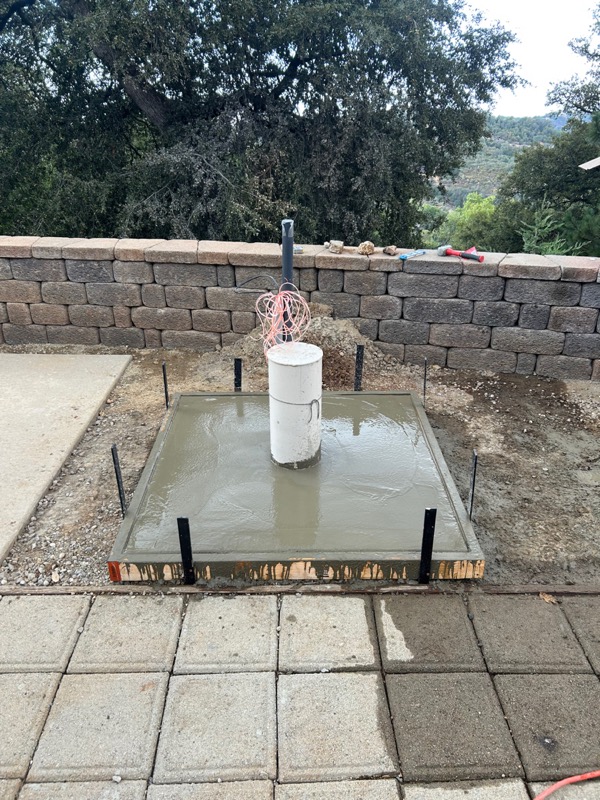
If you own property in Lytle Creek, your water almost certainly comes from a private well rather than a municipal line. This small mountain community at the mouth of Lytle Creek Canyon sits in rugged San Bernardino County terrain, and reliable groundwater is the backbone of daily life here. Southern California Well Service has spent more than 30 years keeping wells running across the Inland Empire's foothill and canyon country, and we know what it takes to keep water flowing in a place like Lytle Creek.
📋 In This Guide
Why Lytle Creek Is Well Country
Lytle Creek is an unincorporated mountain community at the eastern edge of the San Gabriel Mountains, just off Interstate 15 near Cajon Pass in southwestern San Bernardino County. With a small year-round population and homes scattered up the canyon, it sits well outside the reach of large municipal water utilities. That makes the private well the standard water source for most parcels here, and it puts the responsibility for water on the property owner.
You will not find commercial avocado groves up Lytle Creek Canyon. The elevation, the cold-air drainage that funnels down the canyon in winter, and the steep, rocky ground are wrong for a frost-sensitive subtropical crop like avocado. What Lytle Creek does have is genuine well country: granite and fractured crystalline bedrock, alluvial deposits washed down from the mountains, and a creek system that recharges shallow groundwater. Wells here serve homes, small ranches, livestock, fire protection, and landscape and orchard irrigation on a household scale rather than a commercial farm.
Because the geology is fractured rock rather than a deep, uniform sand-and-gravel aquifer, two wells a few hundred feet apart can behave very differently. One may hit a productive fracture and yield plenty of water; the next may be marginal. Understanding that local variability is exactly why experience in San Bernardino County foothill terrain matters when you are diagnosing a well problem or planning a new one.
How Your Well System Works
Most Lytle Creek properties run a fairly standard private groundwater system, and knowing the parts helps you describe problems accurately when you call. A typical setup includes:
- The well casing and borehole — the drilled shaft, lined with steel or PVC casing, that reaches the water-bearing zone in the alluvium or fractured rock.
- A submersible pump — set down in the water column, it pushes water to the surface. In deeper or canyon wells this is the workhorse and the most common failure point.
- A pressure tank — stores water under pressure so the pump does not cycle on every time you open a tap. A waterlogged or failed tank is one of the most frequent service calls we get.
- A pressure switch and control box — these tell the pump when to start and stop. Cheap to replace, but they fail often and can mimic bigger problems.
- Storage tanks — many canyon properties add a large poly or steel storage tank, both to buffer a modest-yield well and to keep water on hand for fire protection, which is a real concern in this wildfire-prone corridor.
- Treatment equipment — sediment filters, and sometimes iron, manganese, or hardness treatment, depending on what your particular well produces.
When any one of these components fails, the symptom at the tap can look the same: low pressure, no water, or sputtering air. Sorting out which part is actually at fault is the diagnostic work, and it is why guessing and throwing parts at the problem usually costs more in the end.
Common Lytle Creek Well Scenarios
Over decades of service in the San Bernardino foothills, a handful of situations come up again and again in canyon and mountain communities like Lytle Creek:
- Sediment and turbidity after storms. Lytle Creek is famous for its flash-prone canyon. Heavy rain and snowmelt can stir up fine sediment that shows up as cloudy water or clogged filters. A properly sized sediment filtration setup usually solves it.
- Seasonal yield swings. Fractured-rock and alluvial wells often produce strongly in wet years and drop in drought years. If your well runs short in late summer, the fix may be a storage tank and a smarter pump-control strategy rather than a whole new well.
- Pump and pressure-tank wear. Mineral content and hard cycling shorten the life of pumps, switches, and tanks. Many calls that start as "no water" turn out to be a failed pressure switch or a waterlogged tank, not a dead pump.
- Power-related failures. Rural canyon power can flicker, and surges damage control boxes and pump motors. Older installations without proper protection are especially vulnerable.
- Freeze damage. Unlike the valley floor, Lytle Creek gets genuinely cold. Exposed pipe, pressure tanks, and pump houses can freeze and crack if they are not insulated or heat-taped.
- Aging wells and decommissioning. Some parcels still have old or unused wells. If you are abandoning one or replacing it, proper destruction to county standards protects the groundwater and keeps you compliant.
What to Check Before You Call
If your water suddenly stops or weakens, a few safe checks can save you a service call or at least help us arrive prepared:
- Check the breaker. Well pumps run on dedicated circuits. A tripped breaker is the single most common "no water" cause. Reset it once; if it trips again immediately, stop and call.
- Look at the pressure gauge. If it reads zero, the pump may not be running or the tank may have lost charge. If it cycles rapidly on and off, suspect a waterlogged pressure tank.
- Tap on the pressure tank. A healthy tank sounds hollow on top and solid on the bottom. If it sounds full all the way up, the internal bladder has likely failed.
- Check for leaks. Walk the line from well to house. A broken line, a stuck-open valve, or a running irrigation zone can drain pressure and overwork the pump.
- Note water quality changes. Sudden cloudiness, air, sand, or a new smell tells us a lot. Write down when it started, especially relative to any recent storm.
What you should not do is keep cycling a pump that will not build pressure or pull a pump yourself. Submersible pumps in deep canyon wells are heavy and easy to drop, and a dropped pump turns a simple repair into an expensive recovery.
When to Call a Professional
Call a licensed well contractor when you have no water and the breaker check did not fix it, when pressure will not build, when you see sand or a sudden quality change, or when you are planning anything that touches the well itself. As a licensed C-57 water well drilling contractor, we are the right call for pump pulls, well rehabilitation, new wells, hydrofracturing to improve yield, and proper well destruction. A plumber can fix the pipe inside your house, but the well, the pump, and the casing are our specialty. Our diagnostic visit is $125 and is credited toward any repair we perform, so the assessment pays for itself once you move forward.
Realistic Cost Ranges
Every well is different, but these ranges reflect what San Bernardino County property owners typically see:
- Pressure switch replacement: $150–$350
- Pressure tank replacement: $600–$1,500
- Submersible pump replacement: $2,500–$5,500 depending on depth and horsepower
- Sediment filtration system: $300–$900
- Iron, manganese, or hardness treatment / softener: $1,500–$3,500
- Constant-pressure or booster system: $2,000–$4,500
- Hydrofracturing to improve a low-yield well: $3,000–$8,000
- New well, turnkey: $18,000–$42,000
- Well abandonment / decommissioning: $1,500–$5,000
Canyon access, depth, and terrain can move these numbers, which is why we quote after seeing the site rather than over the phone.
Serving Lytle Creek and San Bernardino County
Southern California Well Service operates from offices in Ramona and Anza and serves Lytle Creek along with the broader Inland Empire and San Bernardino County foothills. We are licensed C-57, carry a 4.9-star reputation built over more than three decades, and offer same-day emergency service when you have no water. Whether you are up the canyon or near the I-15 corridor, we bring the right equipment for fractured-rock and alluvial wells and give you an honest assessment instead of an upsell.
Call (760) 440-8520 or text us at (619) 259-0410 to schedule service, request a free estimate on a new system, or get same-day help with a well emergency in Lytle Creek.
Frequently Asked Questions
Do Lytle Creek properties use private wells?
Yes. Lytle Creek is a small unincorporated mountain community outside the reach of large municipal water utilities, so most parcels rely on a private well for their water. That makes pump, pressure-tank, and water-quality service a regular part of property ownership here.
Are avocados grown in Lytle Creek?
Not commercially. The canyon's elevation, winter cold-air drainage, and steep rocky ground are wrong for frost-sensitive avocados. Wells in Lytle Creek serve homes, small ranches, livestock, fire protection, and household-scale landscape and orchard irrigation rather than commercial avocado groves.
Why does my Lytle Creek well get cloudy after storms?
The canyon is flash-prone, and heavy rain or snowmelt can stir fine sediment into the groundwater, showing up as cloudy water or clogged filters. A properly sized sediment filtration system usually resolves it. If cloudiness persists or worsens, have the well inspected.
My well pump quit. What should I check first?
Check the dedicated breaker for the pump first, since a tripped breaker is the most common cause of sudden no-water. Then look at the pressure gauge and listen to the pressure tank. If the breaker trips again immediately or pressure will not build, stop and call a professional.
How much does a new well cost in the Lytle Creek area?
A turnkey new well typically runs $18,000 to $42,000 depending on depth, geology, and access. Canyon terrain and fractured rock can affect the figure, so we provide a firm quote after evaluating your specific site rather than over the phone.
Do you handle well decommissioning in San Bernardino County?
Yes. We properly destroy and decommission abandoned or replaced wells to county standards, which protects the groundwater and keeps you compliant. Costs generally range from $1,500 to $5,000 depending on the well's depth and condition.
Need Help With Your Well in Lytle Creek?
Our expert technicians serve Lytle Creek and all of San Bernardino County with professional well services.
Related Articles
Continue learning about well maintenance and troubleshooting

Signs Your Well Pump Is Failing
Catch pump problems early before you lose water completely.
Low Water Pressure From Well
Diagnose and fix pressure problems before they get worse.
Well Maintenance Guide
Keep your well running smoothly with regular maintenance.
Our Locations
1077 Main St, Ramona, CA 92065
57174 US Highway 79, Anza, CA 92539