
Well & Water Services for Mecca, in the Coachella Valley
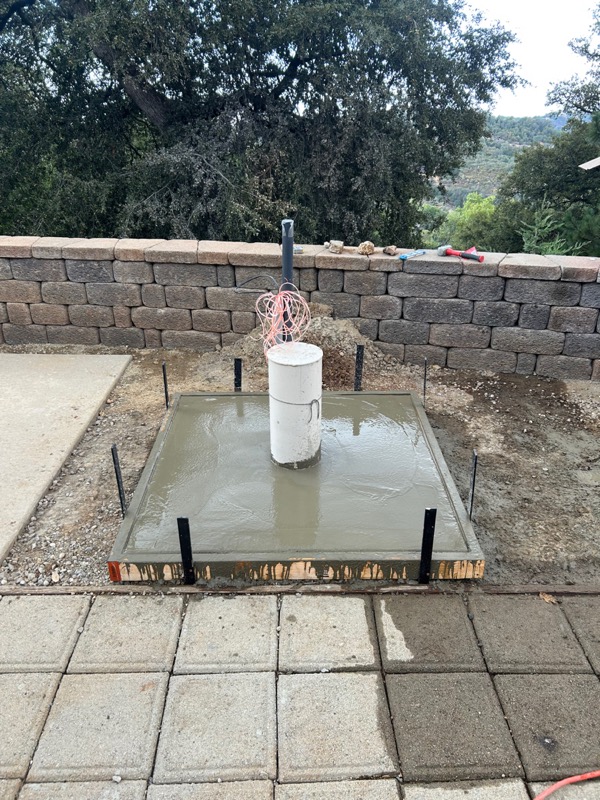
Mecca sits in the eastern Coachella Valley on the north shore of the Salton Sea, deep in Riverside County's desert farm belt. This is one of the most productive agricultural areas in California, where date palms, table grapes, citrus, and row crops grow in intense desert heat thanks to groundwater and Colorado River water delivered through the Coachella Canal. Southern California Well Service supports Riverside County growers and property owners with the well and pumping systems that make farming the desert possible.
📋 In This Guide
Mecca: Desert Agriculture, Not Avocados
Let us be clear from the start: Mecca is date and grape country, not avocado country. The eastern Coachella Valley sits roughly 150 feet below sea level beside the Salton Sea, with blistering summer heat and almost no rainfall. Avocados, which are frost- and salt-sensitive and need a milder coastal or foothill climate, are simply the wrong crop for this environment. What thrives here instead is exactly what the climate rewards: date palms, which famously like their "feet in water and head in fire," along with table grapes, citrus, bell peppers, and other heat-loving crops.
Date palms have been farmed around Mecca since the late 1890s, when growers discovered the valley's climate mirrored the palms' Middle Eastern homeland. Today the eastern valley, from Indio and Coachella through Thermal, Mecca, and Oasis, is a major agricultural producer, sustained by a large underground aquifer and by imported Colorado River water. That combination of deep groundwater and canal water is the whole reason desert reclamation worked here, and it is why reliable pumping and water systems are so central to farming in Mecca.
For growers and rural property owners, the water challenges in Mecca are real and specific: deep water tables, hard and sometimes saline groundwater, heavy sediment, and the relentless demand of irrigating in extreme heat. These are not the same problems a coastal grove faces, and they call for equipment and expertise suited to desert agriculture.
How Desert Well & Irrigation Systems Work
Agricultural and rural-residential water systems around Mecca typically include:
- The well casing and borehole reaching the valley aquifer, often deeper than coastal wells.
- A high-capacity submersible or turbine pump sized to move large volumes for irrigation in extreme heat.
- Pressure tanks and controls that regulate delivery and protect the pump from short-cycling.
- Storage tanks or reservoirs that buffer peak demand and let growers irrigate on schedule.
- Filtration and treatment for sediment, hardness, and salinity, which are common in desert groundwater.
- Drip and micro-irrigation networks that deliver water efficiently to dates, grapes, and citrus while limiting evaporation losses.
Many operations blend well water with canal water to manage salinity and keep enough volume on hand. When yields, pressure, or water quality slip, the cause can lie in the well, the pump, the storage, or the irrigation distribution, so accurate diagnosis protects both the crop and the budget.
Scale matters in the desert in a way it does not on a small coastal lot. A pump that is undersized for peak summer irrigation will run hot, cycle hard, and fail at the worst possible time, often during a heat wave when crop stress is highest and replacement pumps are in short supply. Sizing the pump, storage, and controls correctly up front is one of the best investments a Mecca grower can make, because an unplanned mid-season outage can cost far more in lost yield than the equipment itself.
Common Mecca Well & Irrigation Scenarios
In the desert farm belt around Mecca, the recurring issues include:
- Salinity and water quality. Desert groundwater can carry high salts and minerals. Managing salinity through blending, leaching irrigation, and treatment is essential for crop health and soil.
- Sediment and sand. Sandy desert formations push fine sediment into systems, wearing pumps and clogging drip emitters. Robust filtration is a must.
- Declining water levels. The valley has a long history of groundwater drawdown from heavy agricultural pumping. Wells may need to be deepened, rehabilitated, or paired with more storage.
- Pump strain from heat and volume. Irrigating in 110-degree heat runs pumps hard. High-capacity pumps and proper controls extend equipment life and prevent mid-season failures.
- Peak-demand shortfalls. When every grower is irrigating at once in midsummer, supply tightens. Storage and constant-pressure systems keep water flowing when you need it most.
- Aging wells and decommissioning. Older agricultural wells may need rehabilitation, hydrofracturing to improve yield, or proper destruction when retired.
Because the stakes are higher with a standing crop, desert growers tend to value reliability over the cheapest short-term fix. Catching a failing pump or a clogging filter early, before it strands a block of dates or grapes without water, is the difference between routine maintenance and an emergency.
What to Check Before You Call
- Check the pump power and breaker. A tripped breaker or blown control fuse is the most common sudden no-water cause. Reset once; if it trips again, call.
- Read the pressure gauge. Zero suggests the pump is not running; rapid cycling suggests a waterlogged tank.
- Inspect filters. In sandy desert ground, a clogged sediment filter is a frequent culprit behind low flow.
- Look for leaks or open zones. A broken line or stuck irrigation valve can drain pressure and overwork the pump.
- Note quality changes. Increased sand, cloudiness, or a salinity spike tells us where to look first.
Do not run a high-capacity pump dry trying to force water, and never attempt to pull a deep agricultural pump yourself. The depth, weight, and equipment required make that a job for professionals.
When to Call a Professional
Call a licensed well contractor when power checks do not restore water, when yield or pressure drops, when sand or salinity spikes, or when you are planning well rehabilitation, deepening, treatment, storage, or a new agricultural well. As a licensed C-57 water well drilling contractor, we handle high-capacity pumps, well rehabilitation, hydrofracturing, treatment and filtration, storage design, new wells, and decommissioning across Riverside County. Our $125 diagnostic is credited toward any repair we complete, which keeps the assessment from being a sunk cost.
Realistic Cost Ranges
- Pressure switch replacement: $150–$350
- Pressure tank replacement: $600–$1,500
- Submersible pump replacement: $2,500–$5,500, with high-capacity agricultural pumps at the upper end or beyond
- Sediment filtration: $300–$900
- Salinity, iron, or manganese treatment: $1,500–$3,500
- Constant-pressure or booster system: $2,000–$4,500
- Hydrofracturing to improve yield: $3,000–$8,000
- New well, turnkey: $18,000–$42,000, and higher for deep, high-capacity agricultural wells
- Well abandonment / decommissioning: $1,500–$5,000
Desert depth and high-capacity requirements can push agricultural projects above these residential ranges, so we quote after evaluating your operation.
Serving Mecca and the Coachella Valley
Southern California Well Service serves Mecca and the eastern Coachella Valley, including Thermal, Oasis, Coachella, and the surrounding Riverside County farm belt. We are licensed C-57, hold a 4.9-star rating earned over more than 30 years, and offer same-day emergency response, which matters when a pump fails mid-irrigation in summer heat. Operating from our Ramona and Anza offices, we bring the right equipment for deep desert wells and an honest assessment of what your system actually needs.
Call (760) 440-8520 or text (619) 259-0410 to schedule service, request a free estimate on a new system, or get same-day help with a well emergency in Mecca.
Frequently Asked Questions
Are avocados grown in Mecca?
No. Mecca, in the eastern Coachella Valley, is intense desert below sea level with extreme heat and saline groundwater, which is wrong for frost- and salt-sensitive avocados. The region instead grows date palms, table grapes, citrus, and heat-loving row crops, all supported by groundwater and Colorado River canal water.
What crops does well water support around Mecca?
Date palms are the signature crop, farmed here since the late 1890s, alongside table grapes, citrus, peppers, and other row crops. Wells and canal water together irrigate these heat-loving plants, which is what made desert agriculture in the eastern Coachella Valley possible.
Why is sediment such a problem in Mecca wells?
Sandy desert formations push fine sediment and sand into well systems, which wears pumps and clogs drip emitters. Robust sediment filtration, properly sized to your flow, is essential in this area to protect both equipment and irrigation uniformity.
Are water levels dropping in the Coachella Valley?
The valley has a long history of groundwater drawdown from heavy agricultural pumping dating back over a century. Some wells need deepening, rehabilitation, or added storage. Many growers also blend well water with imported Colorado River canal water to manage both volume and salinity.
How do I manage salinity in desert irrigation water?
Common strategies include blending well water with lower-salinity canal water, leaching irrigation to flush salts below the root zone, treatment where appropriate, and choosing salt-tolerant crops and rootstocks. We test your water and recommend an approach that protects your soil and yield.
Do you service high-capacity agricultural wells near Mecca?
Yes. We install and service high-capacity submersible and turbine pumps, perform well rehabilitation and hydrofracturing, design storage and constant-pressure systems, and handle new wells and decommissioning for agricultural operations across the eastern Coachella Valley and Riverside County.
Need Help With Your Well in Mecca?
Our expert technicians serve Mecca and all of Riverside County with professional well services.
Related Articles
Continue learning about well maintenance and troubleshooting

Signs Your Well Pump Is Failing
Catch pump problems early before you lose water completely.
Low Water Pressure From Well
Diagnose and fix pressure problems before they get worse.
Well Maintenance Guide
Keep your well running smoothly with regular maintenance.
Our Locations
1077 Main St, Ramona, CA 92065
57174 US Highway 79, Anza, CA 92539